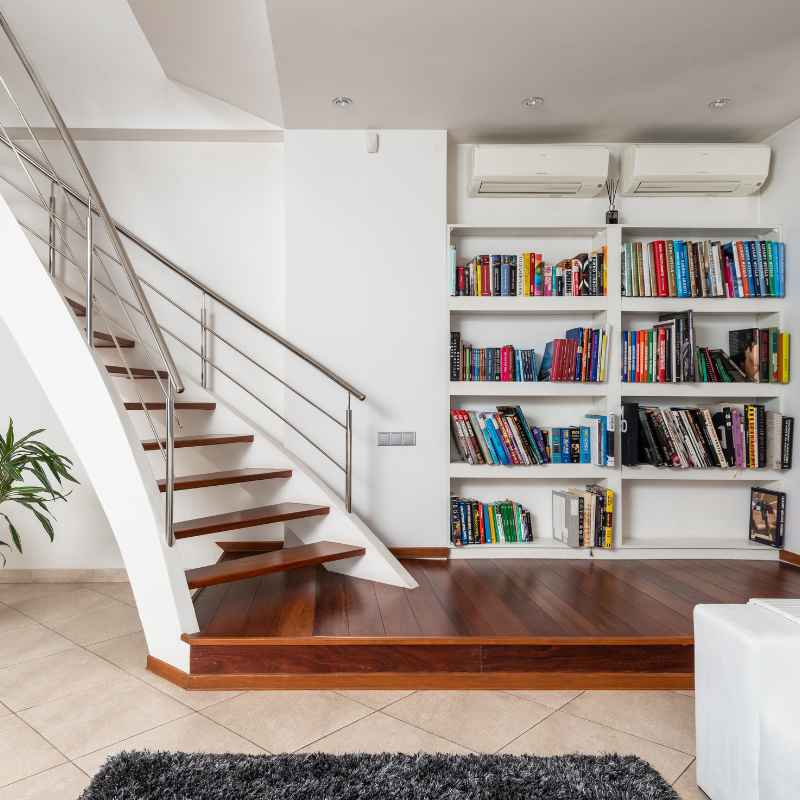
Built In Shelves Ideas To Maximize Every Inch Of Your Home
Built-in shelves are custom-made storage that’s fastened directly into a wall’s framing rather than sitting freestanding in front of it, which is why they read as part of the house’s architecture instead of a piece of furniture. That distinction is what makes them worth the extra effort over a bookcase from the store: you control the exact size, depth, and shape for the specific spot, and a coat of paint that matches the wall lets the whole unit visually disappear into the room while still doing real storage work.
What Actually Makes Something a “Built-In”
For DIY Adjustable Shelving
 |
Kreg KMA3225 Shelf Pin Jig – $39.00 Drills evenly-spaced, edge-aligned shelf pin holes so adjustable shelves inside a built-in sit level without guesswork or a shop-made template.
|
Unlike a store-bought unit that comes in fixed sizes, a built-in is designed to fit one specific wall exactly, using whatever depth, width, and configuration that spot allows. That custom fit is the entire appeal: no gap on either side, no awkward proportions, and a finished look that reads as original to the house rather than added afterward.
When a Blank Wall Is (and Isn’t) a Good Built-In Candidate
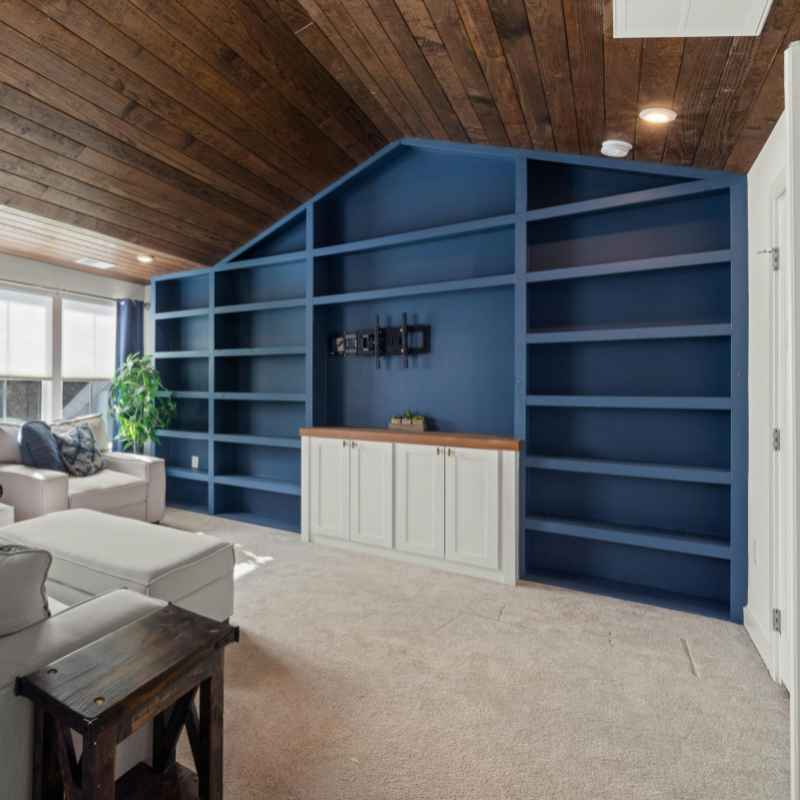
An empty wall isn’t automatically a built-in opportunity. The best candidates share a few traits: a flat wall with no windows or doors interrupting it, at least 10-12 inches of depth to spare, and a wall that backs onto an unfinished space (a garage, attic, or another room) rather than an exterior wall where insulation and framing get more complicated.
Alcoves on either side of a fireplace are the classic example because the depth and framing are usually already there. A plain flat wall works too, but it means building out the full depth of the cabinet from scratch rather than recessing into existing space. Before committing, check for plumbing, ductwork, or electrical runs inside the wall — a stud finder with AC/metal detection catches most of these. If the wall backs onto a kitchen, bathroom, or laundry room, budget extra time for a contractor to confirm what’s actually inside it.
Built-In Shelf Styles
Modern & Minimalist: Clean lines, simple finishes, no ornate details. Great for a sleek look.
Traditional & Classic: Often feature crown molding, decorative trim, and a more substantial feel.
Rustic & Farmhouse: Use natural wood, perhaps with some distressed finishes. Adds warmth.
Floating Shelves: Appear to hover without visible supports, offering a very contemporary feel.
Where They Work, Room by Room
Living rooms are the classic application: a full wall of floor-to-ceiling shelves creates a real library, and varying the shelf heights lets you fit everything from paperbacks to oversized art books. Framing a fireplace with matching built-ins on both sides adds symmetry and turns the mantel into a genuine focal point instead of an isolated feature. A media-center version wraps shelving around the TV to hold a sound system, game consoles, and media, which looks considerably cleaner than a separate entertainment stand sitting in front of the wall.
Bedrooms benefit from shelving built around the bed as a headboard, holding books, a lamp, and an alarm clock without eating into floor space. A corner with unused square footage can become a window-seat reading nook: a bench with storage underneath and shelves above for books turns dead space into a genuine retreat. Walk-in closets do well with built-in shelving units in place of a single closet rod, adding dedicated spots for folded clothes, shoes, and drawers for smaller accessories.
Kitchens gain the most from open shelving near the range or sink for everyday dishes and glassware, since it keeps frequently-used items in reach without the bulk of upper cabinets. A kitchen island can incorporate shelving on its open side for cookbooks or display items, and a narrow, deep space next to a refrigerator or pantry closet is often deep enough for a genuine built-in pantry wall, which stays far more organized than a freestanding shelf unit ever does.
Bathrooms, especially small ones, benefit from a shelf built above the toilet tank for extra toilet paper, soap, and lotions, or a custom unit fit into an awkward corner for folded towels. A built-in medicine cabinet with a mix of concealed and open shelving covers both storage and display in one unit.
Hallways and entryways are easy to overlook, but a shallow shelf along a hallway wall works well for art or photos without narrowing the walkway, and an entryway bench with cubbies below for shoes and hooks above for coats creates a genuine drop zone that keeps clutter contained at the door.
Kitchen Built-In Shelf Uses
| Location | Benefits |
|---|---|
| Open shelving near range/sink | Everyday dishes within easy reach |
| Kitchen island | Extra storage for cookbooks, decor |
| Pantry wall | Neat organization, hidden storage |
| Under stairs | Utilize awkward space for pantry items |
The Awkward Spaces Nobody Else Uses
The under-stairs triangle is usually dead space, but a series of shelves that follow the angle of the stringer above turns it into real storage for books, shoes, or pantry overflow, and adding a light makes it easy to actually find things instead of digging into a dark corner. Alcoves and niches too small for furniture are perfect for a few shelves holding art, photos, or a small collection, and they work equally well in a bathroom for toiletries or beside a bed for a nightstand alternative. Odd, non-square corners can take a custom-angled or wraparound shelf unit that fills a spot a rectangular piece of furniture never could, without sacrificing any usable floor area.
Using Awkward Spaces
Under stairs: Creates hidden storage, reading nooks, or even small desks.
Alcoves/Niches: Perfect for displaying decor, books, or storing small items.
Odd Corners: Custom shelves can fit snugly, maximizing otherwise unusable space.
Sloped Ceilings: Built-ins can be designed to fit perfectly under angled roofs.
Materials and Finishes
Plywood is the workhorse choice: strong, stable, affordable, and easy to paint or veneer to look like solid wood. MDF gives you an even smoother surface for painted finishes and resists warping better than solid wood, but it’s heavier and doesn’t tolerate moisture, so it’s a poor choice near a kitchen sink or bathroom. Solid wood (pine on the affordable end, oak or maple for something harder and more durable) shows real grain under a stain and gives the most premium result, at a real cost premium. Reclaimed wood adds genuine rustic character but usually needs more prep work and can cost more depending on the source.
For the finish, paint matched to the wall makes a built-in visually disappear, which is the move for maximizing a small room; a contrasting color turns it into a statement instead. Stain shows off the wood grain directly, with darker tones reading more formal and lighter tones more casual. Veneer gets you the look of solid wood over plywood or MDF at a fraction of the cost, and a clear coat or polyurethane over stain or bare wood adds protection and a slight sheen.
Material Spotlight
Plywood: Versatile, affordable, good for painted finishes.
MDF: Smooth surface, ideal for painting, but heavy and sensitive to moisture.
Solid Wood (Oak, Maple): Durable, beautiful grain, premium look, higher cost.
Reclaimed Wood: Unique character, rustic charm, potential for higher cost and prep.
Customization That Actually Matters
Shelf depth and spacing should follow what you’re actually storing, not a default measurement — deep shelves for oversized books or bins, shallow ones for display items, and varied heights so tall pieces aren’t wasting space on a shelf sized for paperbacks. Adjustable shelf-pin systems (like the jig above) let you change spacing later as your collection changes, which a fixed shelf can’t do. LED strip lighting under a shelf edge or small recessed spotlights genuinely change how a built-in reads, turning storage into a lit display feature rather than just a place to put things. Doors or drawers on the lower section hide the stuff you don’t want on display — glass doors keep dust out while still showing what’s inside, solid doors and drawers hide it completely — while open shelving above keeps the display function intact.
Customization Features
Adjustable Shelves: Allows you to change spacing as needed.
Integrated Lighting: LED strips or spotlights for ambiance and display.
Doors/Drawers: For hidden storage and a cleaner look.
Decorative Trim: Adds a classic or modern touch to the edges.
DIY vs. Hiring a Carpenter
DIY makes sense if you’re comfortable cutting, fitting, and finishing materials to a tight tolerance — a built-in that sits even slightly out of level or square reads as a mistake in a way a store-bought bookcase never would, since the whole point is that it looks original to the house. The upside is real savings and total design control; the risk is that gaps against an uneven wall or slightly off cuts are much harder to hide than they would be on a freestanding piece.
A carpenter costs more but brings the tools and experience to handle load-bearing considerations, tricky angles, and a genuinely seamless finish, especially on larger or floor-to-ceiling installations. For most people, the deciding factor is scale: a small shelf in a closet or niche is a reasonable weekend DIY project, while a full-wall library or anything touching electrical or plumbing is worth getting quotes for.
DIY vs. Pro
DIY Pros: Saves money, full creative control, rewarding.
DIY Cons: Requires skill/tools, time-consuming, potential for errors.
Pro Pros: Professional finish, expertise, handles complexity, saves time.
Pro Cons: Higher cost.
Keeping Them Looking Good
Dust weekly with a soft cloth, and use a barely-damp cloth for anything stuck-on, drying the surface immediately afterward so moisture doesn’t sit on painted MDF or bare wood. Wipe up spills right away rather than letting them sit, since standing liquid is what actually causes staining or swelling, not brief contact. Check periodically for loose screws or brackets, especially on heavily-loaded shelves, and address any wobble before it gets worse. Painted finishes typically need a refresh after several years of wear; stained wood benefits from a fresh coat of clear finish on the same timeline to keep its protection intact.
Frequently Asked Questions
How much do built-in shelves typically cost?
A simple DIY project using MDF or plywood can run a few hundred dollars in materials. Custom, floor-to-ceiling units built by a professional typically range from $1,000 to $5,000 or more depending on size, materials, and complexity.
Can I install built-in shelves on any wall?
Generally yes, but consult a professional before cutting into a load-bearing wall. On a non-load-bearing wall, you still need to locate the studs for secure attachment rather than relying on drywall anchors alone.
Can I put built-in shelves in a rented apartment?
Usually not, since built-ins are permanent fixtures attached to the wall and most leases prohibit that kind of alteration. Check your lease first; a freestanding or wall-anchored unit that doesn’t require cutting into the wall is a safer alternative for renters — metal shelving is the common choice for exactly that use case.
How deep should built-in shelves be?
Around 10-12 inches works for most books. General decor can get by with 8-10 inches, while larger items like bins, dishware, or electronics may need 14 inches or more.
What’s the difference between built-in shelves and floating shelves?
Built-in shelves are integrated into the wall’s structure and appear to be part of the architecture. Floating shelves are mounted to the wall with hidden brackets, so they appear to have no visible support but aren’t part of the wall itself the way a true built-in is.
Can built-in shelves be removed later?
Yes, but expect to patch and repaint the wall afterward, since removing a built-in typically leaves holes from fasteners and sometimes surface damage where it was attached.
Bottom Line
Built-in shelves earn their cost by fitting a space exactly and reading as part of the house rather than furniture dropped in front of it. Match the depth and finish to what you’ll actually store and display, use the room-by-room ideas above as a starting point, and be honest about whether a project is a weekend DIY job or one worth a carpenter’s quote before you start cutting into a wall.

Sponsored / affiliate links. As an Amazon Associate I earn from qualifying purchases. I may earn additional commission from eligible campaigns.