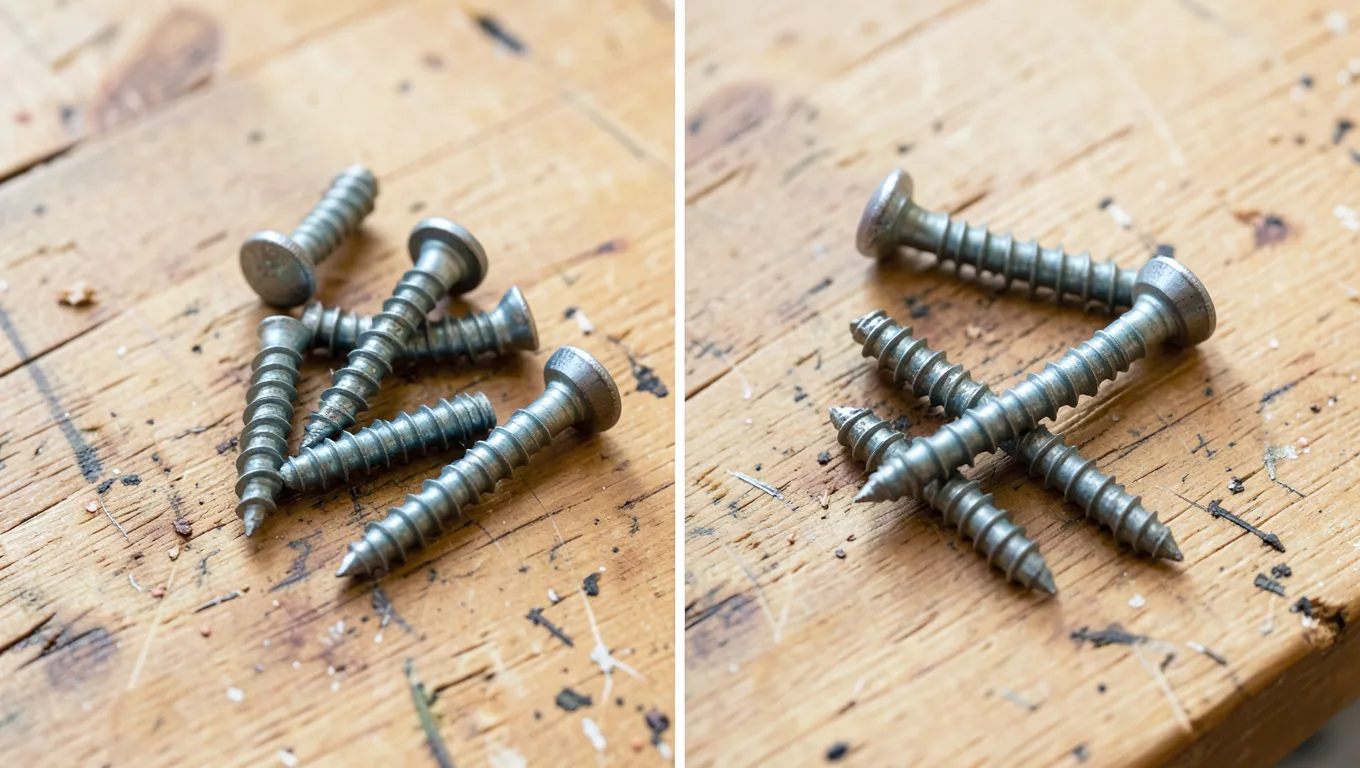
Cabinet Screws Vs Wood Screws: Which One Should You Use?
It’s a question many DIYers and seasoned woodworkers alike ponder when starting a project: what’s the real difference between cabinet screws and wood screws? And which one is the better choice for my needs? It might seem like a small detail, but picking the right fastener can make a big difference in how your project turns out.
We’ve all been there, staring at a bin of screws, feeling a bit lost. Let’s clear this up together.
Choosing between cabinet screws and wood screws hinges on the specific demands of your project. Cabinet screws offer specialized features for furniture and cabinet assembly, ensuring a clean finish and secure hold. Wood screws are more general-purpose, suitable for a wide range of woodworking tasks. Understanding their unique designs helps you pick the best fastener for durability and aesthetics.
Understanding Cabinet Screws
Cabinet screws are not just any screws. They are designed with a specific job in mind: building cabinets and fine furniture. Think about the clean lines and smooth surfaces you want in a nice piece of furniture.
Cabinet screws help achieve that. They often have a flat, countersinking head. This means when you screw them in, the head sits flush with the wood surface.
It doesn’t stick out.
This flush finish is super important. It makes your project look professional. It also prevents the screw head from snagging on things.
Many cabinet screws also have a wider, flatter head overall. This helps distribute the pressure over a larger area. This can prevent the wood from splitting, especially near edges.
It gives a stronger hold without damaging the material.
Another key feature is the thread. Cabinet screws usually have a coarse thread. This helps them grip well in softer woods, which are common in furniture.
Some might have a smooth shank section just below the head. This helps the screw pull two pieces of wood together tightly. This is called “drawing power.” It’s great for joining cabinet doors to frames or assembling cabinet boxes.
The material also matters. Cabinet screws are often made of steel. They might be coated with zinc or have a nickel finish.
This helps prevent rust and corrosion. It also gives them a clean, bright look that complements furniture. So, when you need that polished, strong joinery for cabinets or drawers, cabinet screws are your go-to choice.

Understanding Wood Screws
Wood screws are the workhorses of the woodworking world. They are made for general wood-to-wood connections. You can use them for almost any project around the house where wood is involved.
Building a fence? Wood screws. Making a simple bookshelf?
Wood screws. Putting up some shelves? Wood screws.
Their design is usually simpler than cabinet screws. The head can be round, oval, or flat, depending on the need. Flat heads are common for countersinking.
But they might not always sink as cleanly as cabinet screw heads. Round or oval heads are used when you don’t need the screw to be hidden. They sit on top of the wood.
Wood screws have threads that run all the way up to the head, or nearly so. These threads are designed to bite into wood fibers. They create a strong grip.
The thread pitch can vary. Coarser threads are good for softer woods. Finer threads work better in hardwoods.
Some wood screws have a “self-tapping” tip. This means they can start drilling into the wood on their own.
The shank of a wood screw is usually threaded all the way. This means the threads grab both pieces of wood being joined. This provides a very strong hold.
However, it can sometimes lead to wood splitting if you’re not careful. Pre-drilling a pilot hole is often recommended, especially with hardwoods or near the edge of the wood. This helps prevent splitting and makes driving the screw easier.
Materials for wood screws are similar to cabinet screws – steel is common. Coatings like zinc or brass are often used for protection and appearance. They come in a huge range of sizes.
This makes them very versatile. For everyday woodworking tasks and general construction, wood screws are incredibly reliable.
Key Differences at a Glance
Let’s break down the main differences side-by-side. It helps to see them clearly.
Cabinet Screw vs. Wood Screw: Quick Contrast
- Head Type: Primarily flat, countersinking heads. Designed for a flush finish.
- Shank: Often have an unthreaded portion (shank) below the head. This helps pull pieces together tightly.
- Thread: Coarse threads, sometimes with a smoother transition to the shank.
- Purpose: Specific to cabinet and fine furniture assembly.
- Appearance: Clean, professional look.
- Head Type: Variety of heads (flat, round, oval, pan). Flat heads can countersink.
- Shank: Usually fully threaded up to the head.
- Thread: Coarse or fine threads, designed for general wood grip.
- Purpose: General woodworking and construction.
- Appearance: Functional; appearance varies by head type.
The head design is a big clue. Cabinet screws are built to disappear into the wood surface. This is crucial for a smooth, professional look on furniture doors or drawer fronts.
Wood screws are more flexible. You can hide their heads, but it’s not always their primary design goal.
The shank difference is also important. That smooth shank on a cabinet screw acts like a pivot. It lets the screw pull two pieces of wood together without the threads of the second piece interfering.
This creates a really tight joint. Wood screws, with their full threads, grip both pieces. This provides a strong hold but can sometimes compress the wood unevenly if not done carefully.
When to Use Cabinet Screws
Imagine you’re building kitchen cabinets. You want them to look great and last for years. This is where cabinet screws really shine.
You’ll use them to attach cabinet doors to their frames. You’ll use them to join the sides of the cabinet boxes together. You might use them to install drawer slides.
For cabinet doors, the flush head is key. You don’t want screw heads poking out where they can catch on clothes or look messy. The smooth shank helps pull the door squarely against the frame, creating a tight seal and a professional look.
When assembling the cabinet box itself, the strong draw power helps create sturdy corners.
Think about face frames for cabinets. These are the strips of wood around the front opening. You attach them to the cabinet box.
Using cabinet screws means the screws will sit flush with the face frame. You can then fill the small dimple with wood filler or putty. It will blend in perfectly.
You won’t see the screw head anymore.
They are also excellent for assembling drawers. Drawer joints need to be strong and square. The pulling action of the cabinet screw helps ensure the drawer sides meet the front and back pieces perfectly.
This results in a durable drawer that opens and closes smoothly. Basically, any project where a clean, hidden fastener is needed for structural integrity is a good candidate for cabinet screws.
When to Use Wood Screws
Wood screws are your go-to for a vast number of projects. Let’s say you’re building a simple outdoor bench. Or maybe you’re putting up some shelving in your garage.
Perhaps you’re assembling a wooden toy box for the kids. These are all great places for wood screws.
If you’re building a fence, wood screws are perfect. You need strong connections that can withstand weather. The full threads offer a good grip on the fence posts and rails.
You might not need a hidden screw head here. A visible head might even be fine, or you can use a cap over it.
Consider framing a shed or a small structure. Wood screws are strong and readily available in many sizes. They can handle the structural demands of basic framing.
For DIY projects around the house, like attaching molding or trim, wood screws are also very useful. You can often countersink them and fill the hole for a neater finish.
Building simple furniture pieces that don’t require a super-high-end finish can also use wood screws. For example, a workbench or a sturdy storage unit might use wood screws. You just need to be mindful of pre-drilling to avoid splitting the wood, especially in hardwoods or near the ends of boards.
The versatility of wood screws is their biggest strength. They come in lengths that fit almost any wood thickness. They are usually more economical than specialized screws.
For general building, repair, and many DIY projects, you can’t go wrong with a good set of wood screws.
My First Furniture Fiasco
I remember when I was just starting out with woodworking. I decided to build a small side table for my living room. It was going to be simple: a top, four legs, and maybe a shelf underneath.
I went to the hardware store and grabbed a box of what I thought were perfect screws. They looked sturdy, they were long enough, and they were a good price. I figured, “Screws are screws, right?” Oh, how wrong I was.
I started assembling the legs to the tabletop. I used my drill and just started driving them in. The heads didn’t sit flush.
They stuck out, looking really awkward. It wasn’t the smooth, professional look I had imagined. Then, disaster struck.
On one of the legs, the wood started to split right near the edge as I was tightening the screw. Panic set in. The leg was wobbly.
I tried to salvage it. I backed the screw out, hoping to fix the split. But the wood was already damaged.
I ended up having to use wood glue and a clamp to hold the split together. Then I had to find a way to make the screw heads less noticeable. I tried filling them with putty, but it looked like a bumpy mess.
The whole table ended up looking a bit rough. It was functional, but definitely not what I had pictured.
That experience taught me a valuable lesson. The type of screw matters. For furniture, especially where appearance is important, you need screws designed for the job.
That day, I learned the difference between general-purpose fasteners and specialized ones. It was a frustrating but necessary step in my learning journey. I vowed to always understand my hardware before I started drilling again.
Quick Scan: When to Grab Which Screw
Need a clean, hidden fastener for furniture or cabinets?
Grab Cabinet Screws.
Need a strong, all-around fastener for general wood projects?
Grab Wood Screws.
Head Styles Explained
The head of a screw is more than just a place to put your screwdriver. It plays a big role in how the screw performs and how your project looks.
Flat Head (Countersink)
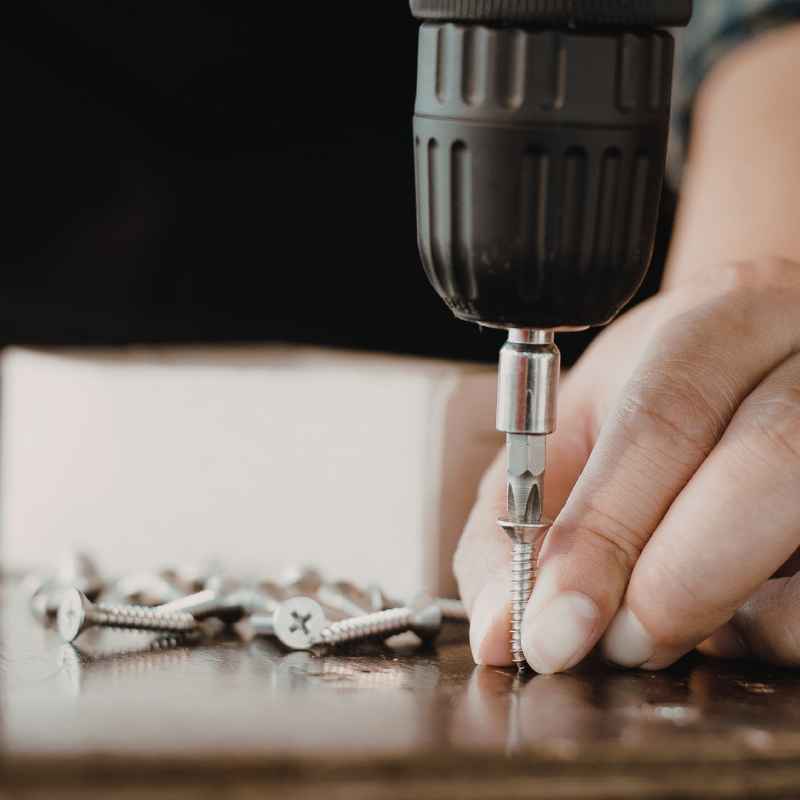
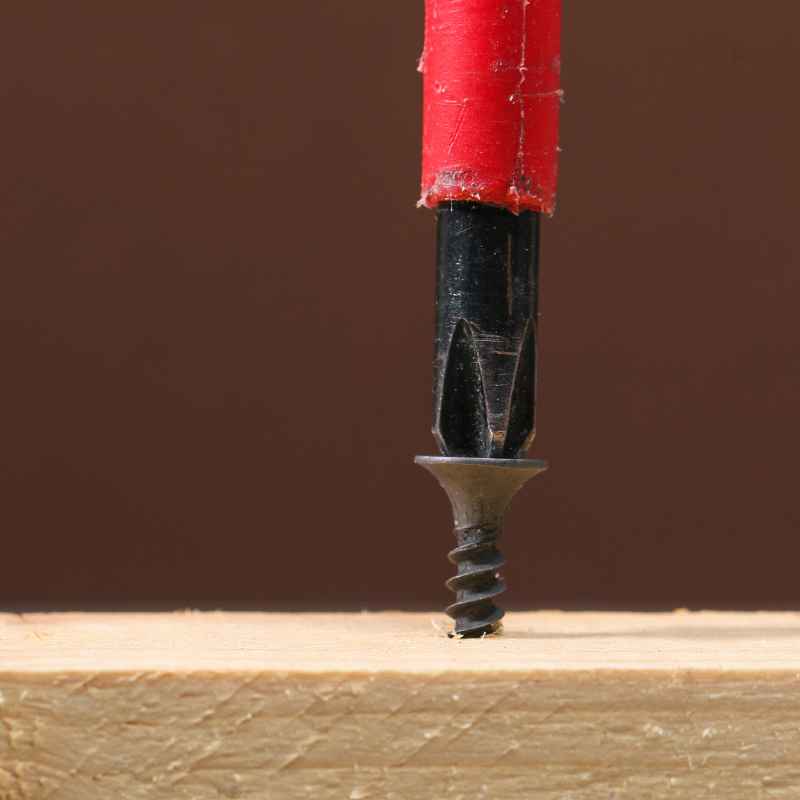
This is probably the most common head for both types of screws when you want a flush finish. The underside of a flat head is angled, like a cone. When you drive it into a pre-drilled countersink hole, the head sinks down so it sits level with the wood surface.
Cabinet screws often have a very precisely angled flat head designed to sink perfectly.
Wood screws also have flat heads. They work well, but sometimes the angle isn’t as perfect. You might get a slight dome shape left above the surface if you’re not careful.
Or, the wood might chip out around the countersink. For furniture, the flatter, more precise head of a cabinet screw is usually preferred.
Round Head
Round head screws are designed to sit on top of the material. The round head provides a good bearing surface, meaning it distributes pressure over a decent area. You’ll see these used when you don’t need to hide the screw.
For example, attaching hardware or joining pieces where aesthetics aren’t the top priority.
Wood screws commonly come with round heads. They are simple and effective for general use. Cabinet screws typically do not feature round heads because their main purpose is a clean, hidden finish.
Oval Head
An oval head is like a hybrid. It has a decorative, rounded top but a countersinking underside. This means it can sit flush with the surface, but it leaves a slightly decorative dome showing.
They are often used for visible hardware where a touch of elegance is desired, like on decorative trim or certain types of joinery.
You might find oval head wood screws. They offer a bit more style than a plain round head while still allowing for a somewhat flush installation. Again, cabinet screws are usually not found with oval heads.
Washer Head / Pan Head
These heads are flat on the bottom and cylindrical on the sides, like a small washer built into the screw head. They have a large bearing surface, which is great for preventing pull-through in softer materials or when joining thin pieces of wood or composite board. They sit on top of the surface.
You’ll see these more often in general construction or when assembling things like metal components to wood. They are less common for fine furniture or cabinet work where a clean finish is paramount.
Thread Patterns Matter
Coarse Threads: Wider spacing between threads. Grip well in softwoods and particleboard. Drive faster.
Fine Threads: Closer spacing between threads. Better grip in hardwoods. Less likely to strip.
Partial Threads (Shank): Often seen on cabinet screws. The smooth shank pulls two pieces of wood together without the threads of the second piece interfering. This creates a very strong, tight joint.
Full Threads: Threads run all the way to the head. Grip both pieces of wood well for general fastening.
The Shank: A Crucial Difference
The shank is the part of the screw between the head and the threads. Its design is a major differentiator between cabinet and wood screws.
Cabinet screws often feature a smooth shank just below the head. Why is this important? When you drive a cabinet screw through the first piece of wood and into the second, the smooth shank doesn’t engage with the threads in the first piece.
Instead, it passes through freely. This allows the threads in the second piece of wood to pull both pieces together extremely tightly.
This “drawing power” is essential for cabinet construction. It ensures that door frames meet cabinet boxes perfectly, and drawer fronts align with drawer boxes without any gaps. It creates strong, rigid joints that are crucial for furniture that gets a lot of use.
Wood screws, on the other hand, typically have threads that extend all the way up to the head, or very close to it. This means that as you drive a wood screw, the threads engage with the wood in both pieces being joined. This provides a very secure hold.
However, it doesn’t offer the same “pulling together” action as the smooth shank of a cabinet screw.
For general woodworking, this full thread is perfectly adequate and provides excellent holding power. But if you’re aiming for that perfect, gap-free joint in cabinet making, the smooth shank of a cabinet screw is a significant advantage. It’s a subtle design difference that has a big impact on the final result.
When a Project Demands Precision
There are times when a project demands more than just a strong connection. It needs a connection that looks flawless. This is especially true for visible parts of furniture, cabinetry, and decorative pieces.
In these situations, the specific design of cabinet screws becomes indispensable.
Think about building a custom entertainment center. You want the shelves to look perfect. The cabinet doors to close smoothly and sit flush.
The visible screw heads would ruin the aesthetic. Using cabinet screws here means you can countersink them perfectly. You can fill the holes, and they’ll be virtually invisible.
This maintains the clean, custom look you’re going for.
Or consider making a high-end jewelry box. The joinery needs to be tight, and the finish needs to be impeccable. Cabinet screws allow you to achieve that seamless look.
The smooth shank helps create strong, square corners on the box. The flat, countersinking head means you can hide the fasteners completely. This preserves the beauty of the wood.
Even for repairs on existing furniture, understanding this difference can save you. If you’re reattaching a hinge on a nice cabinet door, using a cabinet screw that matches the original’s hidden fastening style will ensure the repair is invisible. It’s about respecting the original design and the desired outcome.
When the end goal is a professional, showroom-quality finish, cabinet screws provide the precision and aesthetic control that general wood screws often can’t match. They are designed to be seen less, and to perform a specific structural and visual role in fine woodworking.
Real-World Scenarios: Where Each Excels
Let’s look at a few common scenarios. This might help solidify when to reach for which screw.
Scenario Spotlight
Scenario 1: Building Kitchen Cabinets
Best Choice: Cabinet Screws
Why: You need flush heads for doors and drawers, and strong draw power for cabinet box assembly. The clean finish is essential.
Scenario 2: Assembling a Wooden Deck Railing
Best Choice: Wood Screws
Why: Strength and weather resistance are key. Flush heads aren’t usually required. Cost and availability in various lengths are practical advantages.
Scenario 3: Attaching a Bookshelf to a Wall
Best Choice: Wood Screws (appropriate length and strength for your wall type)
Why: For attaching wood to wood (the shelf to studs or bracing), wood screws are the standard. Ensure you use screws long enough to reach studs securely.
Scenario 4: Crafting a Decorative Wooden Box
Best Choice: Cabinet Screws
Why: The focus is on a smooth, professional, and seamless appearance. Hidden fasteners are critical for a high-quality finish.
Scenario 5: Building a Simple Workbench
Best Choice: Wood Screws
Why: Durability and strength are primary. A high-end aesthetic is not usually needed. Wood screws are robust and economical for this purpose.
These examples highlight how the project’s goal – whether it’s appearance, structural integrity, or a combination – dictates the best screw choice. It’s about matching the fastener to the task.
What This Means for Your Projects
Understanding these differences means you can approach your next project with more confidence. You’ll know exactly which screw to grab from the bin.
When it’s normal to use wood screws: If you’re building something functional like a shed, a dog house, or simple shelving, wood screws are your reliable choice. They are versatile and strong for general construction and DIY tasks. If the screw head is visible and you’re okay with that, or if you plan to cover it with a cap or plug, wood screws are ideal.
When to worry about screw choice: If you’re working on a piece of furniture that will be seen in your living room, or if you’re building custom kitchen cabinets, using the wrong screws can lead to a disappointing finish. Visible screw heads that don’t sit flush, or wood splitting from the wrong fastener, can really detract from the quality of your work. This is when investing in cabinet screws pays off.
Simple checks to make: Before you buy, ask yourself:
- Does this project require a super-smooth, professional finish where screw heads need to be hidden? (If yes, think cabinet screws).
- Is this a purely functional build where strength is the main concern and appearance is secondary? (If yes, wood screws are likely fine).
- What type of wood am I using?
(Hardwoods might benefit from pilot holes regardless of screw type).
- How thick are the pieces I’m joining? (This helps determine the required screw length).
By considering these points, you can avoid common mistakes and ensure your projects turn out the way you envision them. It’s about making informed choices to get the best results.
Quick Tips for Using Screws Effectively
Whether you choose cabinet screws or wood screws, a few simple tips can make your work easier and your results better.
- Pilot Holes are Your Friend: Especially in hardwoods or when screwing close to the edge of the wood, drilling a pilot hole makes driving screws easier. It also prevents the wood from splitting. The pilot hole should be slightly smaller than the screw’s shank diameter.
- Countersinking Matters: For cabinet screws and flat-head wood screws, learn to countersink properly. A countersink bit creates a cone-shaped hole for the screw head. This allows the head to sit flush or slightly below the surface.
- Match Screw Length: Ensure your screws are long enough to get good penetration into the second piece of wood. Generally, the screw should go about halfway to two-thirds of the way into the second piece for a strong hold.
- Don’t Overtighten: Driving screws too hard can strip the threads in the wood, weakening the joint. It can also compress the wood too much, leading to cracks or a stripped head. Stop when the screw feels snug.
- Clean Up: If you’re using screws that sit on the surface, consider using decorative caps or plugs. For hidden screws, fill countersunk holes with wood filler or putty that matches your wood.
Screw Drive Types
Phillips Head: The classic cross shape. Can cam out (slip) if too much torque is applied.
Star Drive (Torx): The six-pointed star. Offers superior grip and reduces cam-out. Excellent for driving longer screws.
Square Drive (Robertson): A square recess. Good grip, less cam-out than Phillips. Popular in Canada.
Slotted Head: The oldest type. Prone to slipping and not ideal for high torque.
Tip: For most woodworking, especially with longer screws or harder woods, star drives are highly recommended.

Frequently Asked Questions
Can I use wood screws for cabinets?
You can, but it’s not ideal for the best finish. Wood screws might leave visible heads that don’t sit flush, and they lack the “draw power” of cabinet screws that pulls joints together tightly without gaps.
Are cabinet screws stronger than wood screws?
Strength can be similar, but cabinet screws excel at creating tight, gap-free joints due to their smooth shank. Wood screws offer good overall holding power for general use. The ‘strength’ depends on the specific screw material and size.
Do I need special tools for cabinet screws?
Usually, no. You’ll need a drill or driver with the correct bit for the screw head type (like Phillips or Star drive). For best results with the countersinking flat heads, a countersink bit is very helpful.
Can I paint over screw heads?
Yes, you can paint over screw heads after filling them with wood filler or putty. For a truly invisible finish, especially on fine furniture, it’s better to use screws designed for countersinking and then fill them smoothly.
What is the difference between a cabinet screw and a machine screw?
Machine screws are designed to thread into pre-tapped holes or nuts, often used with metal components. Cabinet screws are designed specifically for joining pieces of wood, with features like countersinking heads and coarse threads for wood grip.
When should I use a self-tapping screw?
Self-tapping screws have a tip that can cut its own threads as it’s driven. They are convenient for certain applications, especially metal or some plastics, and can sometimes be used in wood to start a hole without a pilot bit. However, for precision woodworking, pilot holes and standard screws are often preferred.
Final Thoughts on Screw Selection
Choosing the right screw is like picking the right tool for any job. It’s about understanding the task at hand and selecting the fastener that is designed to do it best. Cabinet screws and wood screws both have their place.
They are distinct in their design and purpose. By knowing their differences, you can ensure your projects are not only strong but also beautifully finished.
},
},
},
},
},
}
]
}