Can A Fireplace Be Gas And Wood Burning? Find Out Here
Some fireplaces are designed to burn wood. Others are built for gas. Very few are made to safely handle both. Often, what people think of as a dual-fuel fireplace is actually two separate units or a gas insert in a wood-burning structure. True hybrid fireplaces are rare and have specific safety needs.
The Concept of a Dual-Fuel Fireplace
The idea of a fi
However, the reality of combining these two distinct fuel types in a single appliance is complex. Wood fires produce smoke, ash, and creosote. Gas fires produce heat and exhaust.
These different byproducts require different design considerations for safety and efficiency. A structure built for wood must handle high temperatures and have robust ventilation for smoke. A gas unit needs a reliable fuel line, ignition system, and controlled exhaust of combustion gases.
When people ask about a fi
Why True Hybrid Fireplaces Are Uncommon
The primary reason for the rarity of true dual-fuel fireplaces lies in fundamental design and safety differences. Wood burning and gas burning create very different challenges for a fireplace. Let’s break down why they don’t often mix easily.
Wood fires operate at much higher temperatures than gas fires. They also produce significant amounts of soot, ash, and creosote. Creosote is a tar-like substance that can build up in chimneys.
This buildup is a major fire hazard, requiring regular cleaning. A fi
Gas fireplaces, on the other hand, burn more cleanly. They produce less intense heat directly from flames, and their exhaust is primarily carbon monoxide and water vapor. They require a gas line connection and a venting system, but this system is typically simpler than a wood-burning chimney.
The materials used in gas fireplaces are optimized for their specific fuel source and heat output.
Trying to design a single unit that efficiently and safely handles both sets of requirements is a significant engineering feat. The clearances needed for wood might be too large for gas, impacting efficiency. The venting needs are different.
The materials might not be ideal for both. This complexity makes true hybrid designs difficult and expensive to produce for the average homeowner. Instead, manufacturers focus on excelling at one fuel type or the other.
What People Often Mean: Gas Logs in Wood Fireplaces
When homeowners talk about wanting a fi
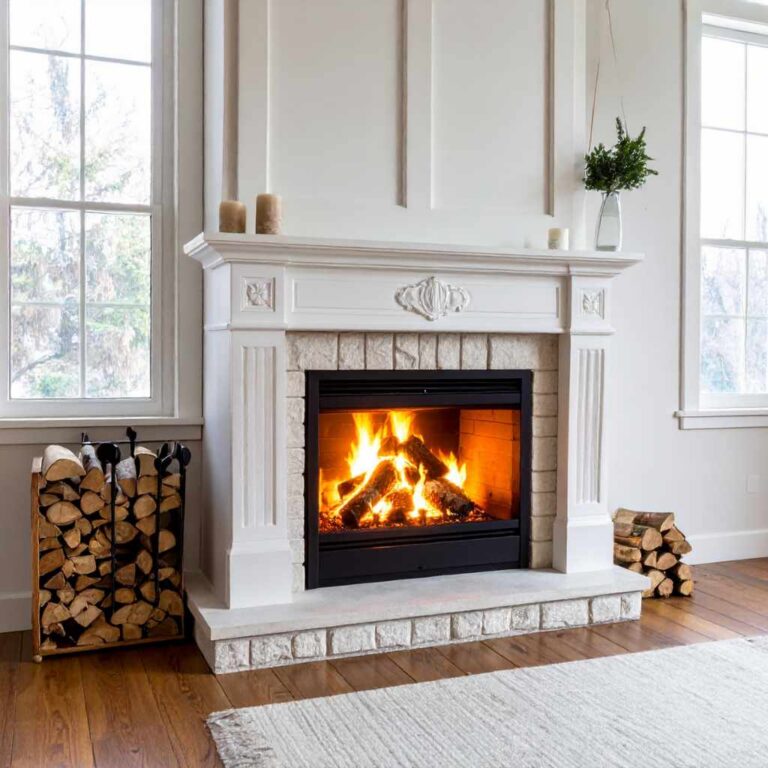
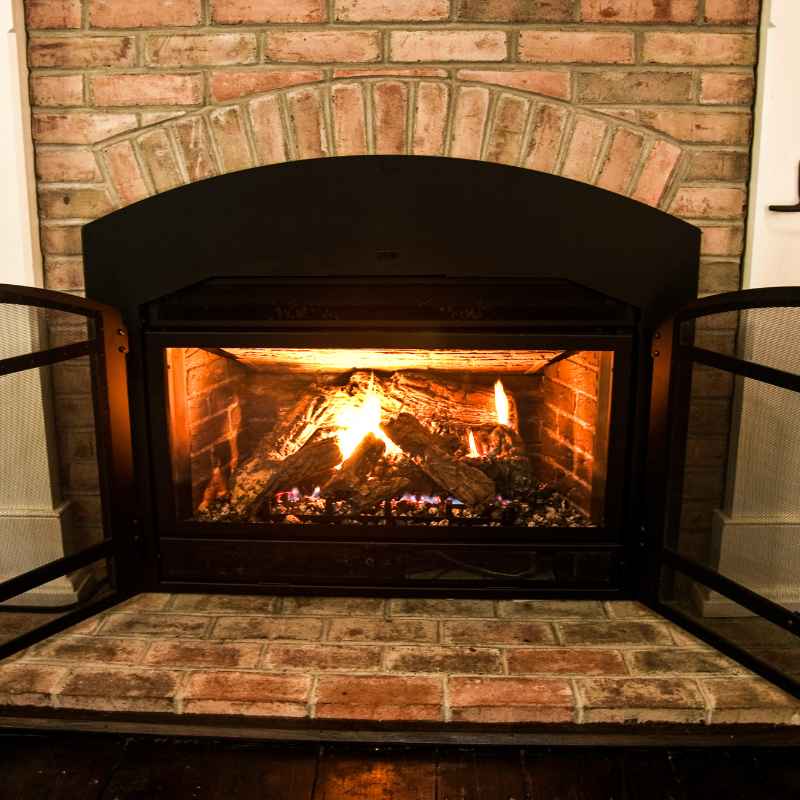
A gas log set looks like a pile of logs, often made from ceramic or refractory cement. These logs have gas burners hidden beneath them. When you turn on the gas, flames flicker through the logs, creating a visual effect similar to burning wood.
These sets come in vented and vent-free versions.
Vented gas logs are designed to be used in a wood-burning fi
The big advantage here is you get the look of a wood fire with the ease of gas. You can often still use the fi
I remember helping a friend, Sarah, set up her new home. She had this beautiful, old brick fi
Gas Log Sets vs. Real Wood: Key Differences
Flame Appearance
Gas logs mimic wood flames. Real wood flames are dynamic and vary naturally.
Heat Output
Vented gas logs offer some heat. Vent-free logs are efficient heaters. Wood fires produce significant, radiant heat.
Fueling
Gas logs: Turn a knob or flip a switch. Wood fires: Chop, stack, and load logs.
Cleanup
Gas logs: Minimal, occasional dusting. Wood fires: Ash removal, brushing soot.
Ambiance
Gas logs: Consistent glow. Wood fires: Crackling sounds, smoky scent, unique aroma.
Separate Fireplaces: The Most Common “Dual” Solution
The most straightforward and safe way to have both gas and wood burning options in your home is to have two separate fireplaces. This is quite common in larger homes or when renovations are planned. You might have a grand, traditional wood-burning fireplace as a focal point in your living room.
Then, perhaps a smaller, more modern gas fireplace in a family room or master bedroom for quick, convenient warmth.
This approach ensures that each fi
There’s no compromise on the experience. You get the authentic crackle and scent of wood from one, and the instant heat and effortless control of gas from the other. This setup requires more space and potentially higher initial installation costs due to two separate hearths and venting systems.
However, it offers the highest level of safety and the best performance for each fuel type.
I’ve seen this in many homes. For instance, my aunt and uncle have a beautiful stone fireplace in their main den that they use for wood. It’s stunning and makes the room feel so inviting on cold nights.
Then, off their master bedroom, they have a sleek, built-in gas fireplace. They use it almost every morning in the winter. They just flip a switch while they’re having coffee.
It’s the perfect solution for different needs and different spaces in their house.
Pros and Cons of Separate Fireplaces
Pros
- Maximum safety and performance for each fuel type.
- Authentic wood-burning experience (sound, smell).
- Convenience and instant heat from gas.
- Wide variety of styles and designs available for each.
Cons
- Requires more space for two units.
- Higher installation costs.
- May require two separate chimney systems or venting.
What About Gas Inserts in Wood Fireplaces?
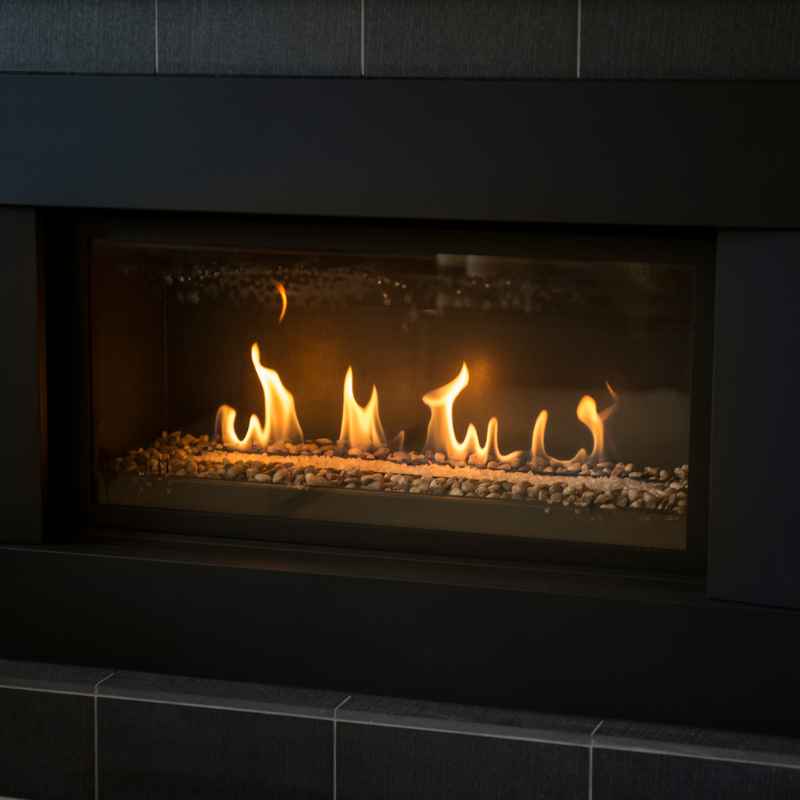
This is a bit different from gas logs. A gas insert is a self-contained unit that’s designed to fit inside an existing wood-burning fi
Many gas inserts can be vented through the existing wood-burning chimney, using a flexible liner. This makes installation simpler than building a new venting system. They offer better heat efficiency than vented gas logs because the insert is sealed, and the liner directs exhaust more effectively.
Some models can also be vented directly through an exterior wall.
The key here is that when you install a gas .
The main benefit is upgrading an old, inefficient wood fi
I recall a client, Mark, who had an old masonry fi
The Niche World of “Hybrid” Wood Gas Stoves
While not common for fi
These stoves are engineered with precise controls for fuel intake, airflow, and exhaust. They are often found in off-grid living situations or for those who want the security of having multiple fuel options. They are complex, often expensive, and require specialized installation and maintenance.
They are built to handle the different combustion characteristics of each fuel.
For example, some stoves might have a wood-burning firebox and a separate gas burner system. You select which fuel to use. Others might have a more integrated system that allows for fuel switching, but this requires careful monitoring and adherence to strict operating procedures.
The idea is to provide efficient heating regardless of fuel availability.
These are very niche products and are usually purchased by people with a specific heating need or a desire for maximum fuel independence. They are not typically what someone looking for a home fireplace aesthetic is searching for. Their primary goal is heating output and fuel flexibility, not the visual charm of a traditional fireplace.
If you see a product labeled as “dual-fuel” for home use, it’s very likely one of these specialized stoves, not a fireplace insert or a masonry fireplace.
When You Might Consider a Hybrid Stove
Fuel Security: You want reliable heat even if one fuel source is unavailable.
Off-Grid Living: You need maximum flexibility for heating your home.
Specific Heating Needs: You require a robust heating appliance with multiple fuel options.
Long-Term Cost Savings: You can take advantage of fluctuating fuel prices.
Safety First: Always Consult Professionals
Regardless of what type of fireplace you have or are considering, safety is paramount. Combining fuel types or altering existing systems carries risks if not done correctly. This is not a DIY project for most homeowners.
For gas log sets, gas inserts, or any gas appliance, you need a certified gas technician or a qualified fi
For wood-burning fireplaces, regular inspections and cleanings by a certified chimney sweep are essential. This prevents chimney fires caused by creosote buildup and ensures the chimney is structurally sound. If you are considering adding a gas insert or gas logs to a wood fireplace, the chimney sweep can also advise on the condition of your chimney and whether it’s suitable for these additions.
Building codes and manufacturer specifications are there for a reason. They ensure that appliances operate safely and efficiently. Trying to cut corners or bypass these guidelines can lead to serious accidents, including fires or carbon monoxide poisoning.
Always prioritize professional advice and installation when dealing with fireplaces and gas appliances.
I can’t stress this enough. I once heard of a situation where someone tried to install gas logs themselves. They didn’t connect the gas line properly.
Thankfully, a neighbor smelled the gas and called the fire department before anything serious happened. It was a stark reminder of how critical professional installation is. These are not toys; they are appliances that involve flammable fuels and require expert handling.
Real-World Contexts and Considerations
When thinking about fi
Your home’s existing structure plays a big role. Do you have a solid masonry wood-burning fireplace already in place? This might make adding gas logs or a gas a new gas or wood fireplace could be installed.
Climate matters too. If you live in a region with very cold winters and rely on your fi
Think about maintenance. How much time and money are you willing to spend on upkeep? Wood fireplaces require regular cleaning of the firebox and chimney.
Gas fireplaces need annual inspections by a professional. Gas logs need occasional cleaning. The choice of fuel significantly impacts ongoing maintenance requirements.
Finally, budget. The cost of a gas log set can range from a few hundred to a couple of thousand dollars, plus installation. Gas inserts are generally more expensive, often several thousand dollars installed.
A new wood-burning fireplace installation can be significantly more. Deciding on your priorities will help narrow down the best solution for your home.
What This Means for You: Normal vs. Concerning
Understanding what’s common and safe is key. Here’s a quick rundown of what’s generally considered normal and when you might need to be concerned.
Normal Scenarios
- Wood Fi
- Separate Wood and Gas Fireplaces: Having two distinct units for each fuel type is the standard for dual-fuel capability and offers optimal performance and safety.
- Gas Insert in a Wood Fireplace: This converts your fireplace primarily to gas. It’s safe and efficient but usually means you can’t easily burn wood anymore.
- Wood Stove with Gas Option: Specialized stoves exist for heating that can burn both fuels. These are typically used for primary heat and are not fireplaces.
Concerning Scenarios
- Attempting to burn wood in a fi
- DIY installation of gas components: Never attempt to connect gas lines yourself. This can lead to leaks and explosions.
- Using a gas appliance with the damper closed when it should be open: This is especially relevant for vented gas logs and can cause carbon monoxide to build up in the room. Always follow manufacturer instructions.
- Ignoring required maintenance: Not cleaning your chimney or having gas appliances inspected annually puts your home and family at risk.
If you are unsure about your current fireplace or a potential installation, always err on the side of caution. Contact a qualified professional. It’s better to get expert advice than to risk a safety hazard.
Quick Tips for Fireplace Enjoyment
Whether you opt for wood, gas, or a combination, here are some simple tips to help you enjoy your fireplace safely and fully:
- Safety First: Always install carbon monoxide detectors and smoke alarms near your fireplace. Test them regularly.
- Clearance is Key: Keep combustible materials (furniture, rugs, decorations) at a safe distance from the fireplace opening. Check manufacturer guidelines for specific distances.
- Proper Fuel: If burning wood, use seasoned, dry hardwood. Avoid using treated lumber, trash, or accelerants. For gas, only use the fuel type specified by the manufacturer (natural gas or propane).
- Ventilation: Ensure your chimney or vent is clear and functioning correctly. For gas appliances, always operate them as instructed, especially regarding damper position.
- Regular Maintenance: Schedule annual inspections for your chimney and gas appliances. Clean your fireplace as needed.
- Know Your Appliance: Read and understand the owner’s manual for your specific fireplace, gas logs, or insert.
Enjoying your fireplace should be a relaxing experience. A little preparation and regular care go a long way in ensuring safety and longevity.
Frequent Questions About Dual-Fuel Fireplaces
Can I burn wood and gas in the same fireplace?
Generally, no, not in a single appliance designed for both. True hybrid fireplaces are very rare. You can often use gas logs in a wood-burning fireplace, but you must remove the gas logs before burning wood.
It’s best to have separate units for each fuel type for safety and optimal performance.
What is the difference between gas logs and a gas insert?
Gas logs are decorative pieces that sit in a wood-burning firebox, mimicking flames. They are often vented. A gas insert is a self-contained unit that fits inside a wood fireplace.
Inserts are generally more efficient heaters and have their own sealed combustion and venting system, often using a liner in the existing chimney.
Is it safe to put gas logs in a wood fireplace?
Yes, it is safe when a properly designed gas log set is installed by a qualified professional. They ensure correct gas connections and that the logs are compatible with your fireplace. You must follow the manufacturer’s instructions carefully, especially regarding venting and removing logs before burning wood.
Can I convert my wood fireplace to gas?
Yes, you can convert a wood fireplace to gas primarily by installing a gas insert or a gas log set. A gas insert is a more complete conversion that often replaces the wood-burning functionality. A gas log set allows you to use gas but may still allow for occasional wood burning if properly managed.
Are dual-fuel stoves expensive?
Specialized dual-fuel wood and gas stoves, designed for robust heating, can be quite expensive. They often range from $2,000 to $5,000 or more, depending on the brand, features, and efficiency. Installation costs are additional.
What are the risks of burning wood in a gas fireplace?
Burning wood in a fi
Conclusion
While the dream of a single fireplace that perfectly burns both wood and gas is appealing, it’s rarely a reality for homeowners. The safest and most practical approach is usually to choose a dedicated wood-burning fireplace for its authentic charm, or a gas fireplace for its convenience and efficiency. Alternatively, you can install a gas log set or insert into an existing wood fireplace for a blended experience.
Always prioritize professional installation and safety to ensure years of warm, cozy enjoyment.