Can A Wood Burner Get Too Hot? Warning Signs To Watch For
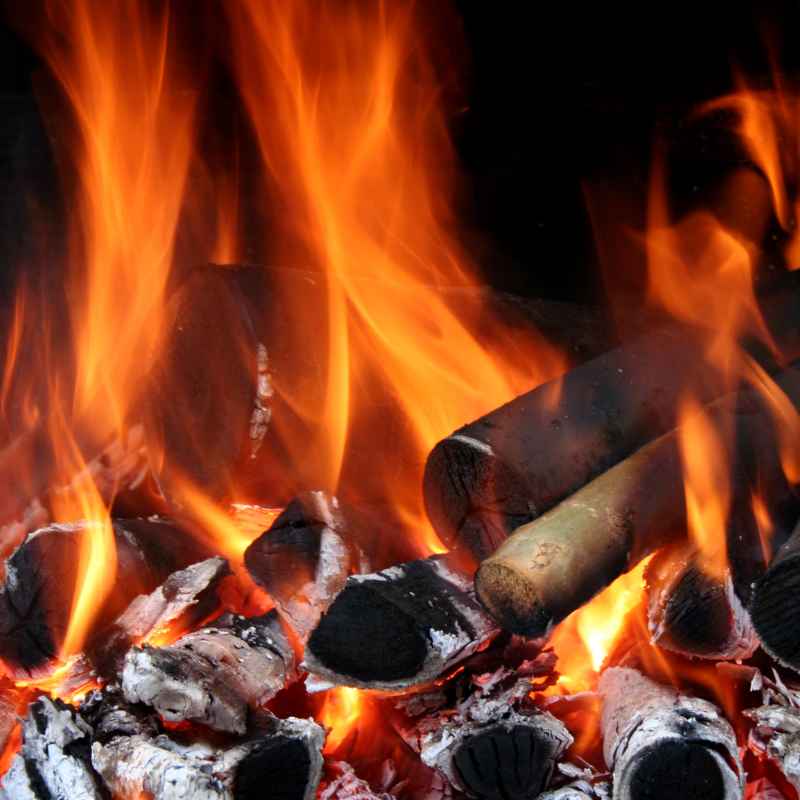
A wood burner can get too hot, leading to safety risks like chimney fires or damage to the stove. Recognizing warning signs and understanding causes helps prevent overheating and ensures safe operation.
What Happens When a Wood Burner Gets Too Hot
Best Way To Know For Sure It’s Too Hot
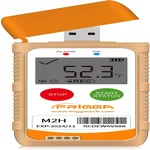 |
Magnetic Stove Pipe Thermometer – $18 Glowing glass and a hot-to-the-touch exterior are late warning signs – a magnetic flue thermometer gives you an actual number, so you can back off the air intake before the stove reaches the danger zone, not after.
|
When a wood burner gets too hot, it’s a serious situation. The stove parts can get very stressed. This can lead to damage over time.
The metal might warp or even crack. This is not good for the stove’s life. It can also be dangerous.
High temperatures can make the air around the stove very hot. This heat can spread to nearby things. Things like walls, furniture, or curtains can get too warm.
They could start to char or even catch fire. This is how house fires can start. It’s important to be aware of this risk.
Another big concern is a chimney fire. When wood burns, it makes smoke. This smoke has creosote in it.
Creosote is a sticky, oily substance. If the fire burns too hot for too long, this creosote can build up. It can build up inside the chimney flue.
It’s like a tar coating. When the chimney gets very hot, this creosote can catch fire. This is a chimney fire.
It’s very dangerous. It can spread fire to your house.
The stove itself can also be damaged. Overheating can weaken metal. It can cause parts to fail.
This means costly repairs or even needing a new stove. Safety is the main thing here. Preventing overheating is key to a safe and happy fire.
What Overheating Actually Looks Like
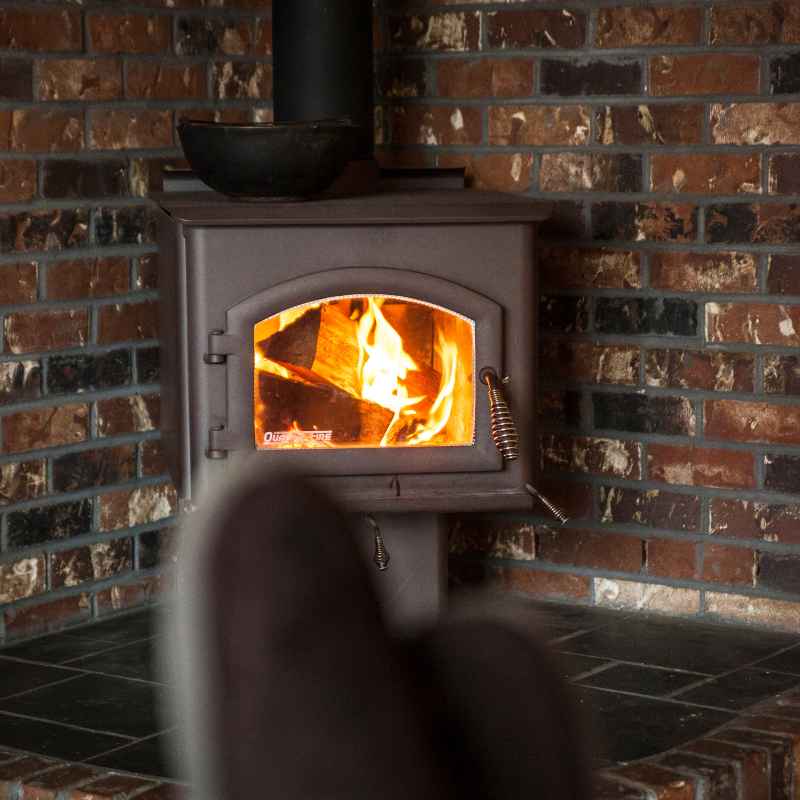
An overheating wood burner escalates fast: the fire goes from a normal roar to something louder and more intense, the glass on the door starts glowing orange instead of just showing flame through it, and the metal body gets hot enough that it’s uncomfortable even through a stove glove. A sharp, acrid smell that’s different from normal wood smoke is another warning sign – it often means paint or a gasket is overheating, not just the wood.
The correct response is to close the air intakes, not open them. Starving the fire of oxygen is what brings the temperature back down; opening the vents further feeds the fire more air and makes an overheating stove worse. Never throw water on an overheating wood burner – the thermal shock can crack the stove or the glass. Back away, close the air controls, and keep watching until the fire visibly calms down.
Signs Your Wood Burner Is Too Hot
Glowing Parts: If the metal parts of your stove, especially the firebox or baffle plate, start to glow red or orange, it’s a major warning. This means extreme heat.
Excessive Smoke: While some smoke is normal when starting, a continuous, thick, dark smoke, especially with flames licking out the top, can signal overheating. It means the wood isn’t burning efficiently.
Strange Smells: A sharp, chemical, or burning plastic smell that is different from usual wood smoke is a red flag. It can mean parts are overheating or paint is burning off.
Warped Doors or Handles: If the stove door or handles start to look bent or out of place, the heat has likely caused metal fatigue.
Chimney Issues: A chimney that feels excessively hot to the touch, or if you hear popping or cracking sounds from within, could indicate a creosote buildup issue due to overheating.
Why Does a Wood Burner Get Too Hot?
Several things can make a wood burner run hotter than it should. It’s often a mix of how you use it and the stove itself. Understanding these reasons helps prevent problems before they start.
One common cause is burning the wrong kind of fuel. You should always use seasoned, dry hardwood. Wood that is still wet has a lot of moisture.
This moisture has to evaporate first. This takes a lot of energy. It makes the fire burn less efficiently.
It also creates more creosote. Burning wet wood or green wood is a big mistake. It’s also not good to burn trash, painted wood, or treated lumber.
These can release harmful fumes. They can also damage your stove and chimney.
Over-firing is another major reason. This happens when you put too much wood in the stove at once. Or, you might open the air vents too much.
This gives the fire too much oxygen. It burns hotter and faster. It’s like giving a campfire too much wind.
It can quickly get out of control. Many stoves have a “burn rate” setting. Using this correctly helps manage the heat.
Stove design and condition play a role too. Older stoves might not have modern safety features. They might not control air flow as well.
If your stove has a cracked firebrick or a faulty baffle, it can affect how heat is distributed. This can lead to hot spots. It can also let too much air in.
Poor maintenance is also a culprit. If the ash pan is too full, it can block airflow. This can make the fire burn hotter.
It can also cause ash to blow back into the firebox. If the chimney isn’t cleaned regularly, creosote can build up. This creates a fire hazard.
It can also restrict airflow, causing the fire to burn differently.
Fuel Matters: Choosing the Right Wood
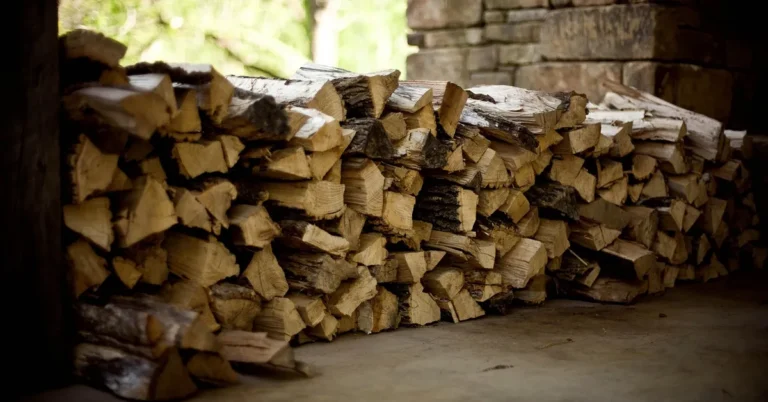
- Seasoned Hardwood: Oak, maple, ash, and beech are great choices. They burn long and hot.
- Moisture Content: Wood should have less than 20% moisture. Kiln-dried or wood seasoned for at least 6-12 months is best.
- Avoid: Never burn construction debris, treated wood, plastic, or trash. These release toxins and can damage your stove.
Real-World Scenarios: When Overheating Happens
Think about a cold winter night. You’ve just shoveled snow for an hour. You come inside, wanting instant warmth.
You toss a few large logs into a cold stove. You crank open all the air vents to get it going fast. This is a prime setup for over-firing.
The stove rapidly heats up. The metal parts might start to strain under the intense heat. The fire burns too quickly.
This could lead to a dangerous situation.
Another scenario is when people try to heat too large a space with a small stove. They keep pushing the stove to its limits. They add more and more wood.
They open the air vents wide. The stove is constantly running at its max output. It never gets a chance to cool down.
This constant high heat can wear out the stove much faster. It also increases the risk of overheating incidents. It’s like running a car engine at top speed all the time.
It’s not good for it.
In some older homes, the spacing around wood stoves might not meet current safety codes. If a stove is installed too close to a combustible wall or furniture, even normal operating temperatures can become a risk. If it then gets a bit too hot, that risk increases dramatically.
Safety clearances are there for a reason. They are essential for preventing fires. They help keep the heat away from things that can burn.
We also see issues when people don’t understand their specific stove’s controls. Each stove is a bit different. Some have simple air intakes.
Others have more complex damper systems. Not reading the manual or not understanding how to adjust the air flow correctly can lead to problems. You might accidentally give the fire too much air.
This can cause it to burn too hot. It’s like forgetting how to drive a new car. You might do something unintended.
Common Misconceptions About Wood Stove Heat
Myth: A bigger fire always means more heat.
Reality: An efficient burn uses the right amount of wood and air. Over-firing can waste fuel and create dangerous heat. The best heat comes from a steady, controlled burn.
Myth: Wood stoves are always safe.
Reality: Like any heating appliance, wood stoves require careful operation and maintenance. Ignoring warning signs can lead to serious accidents.
Myth: It’s okay to burn anything in a wood stove.
Reality: Burning inappropriate materials releases toxic fumes and can damage your stove and chimney. Always use clean, seasoned firewood.
What This Means for You: When to Be Concerned
Knowing when your wood burner is just working hard and when it’s truly overheating is crucial. There’s a difference between a warm, comfortable glow and a dangerous inferno.
A wood burner that is operating correctly will produce a steady, warm heat. The flames will be vibrant but controlled. The stove’s exterior will be hot, but not alarmingly so.
You might feel its warmth radiating into the room. This is its job. It’s doing what it’s meant to do.
You should start to worry when you notice things changing. If the glass on the stove door begins to turn black or glow red, that’s a sign of extreme heat. This is beyond normal operation.
Also, if you hear loud cracking or popping sounds coming from inside the stove or chimney, it could mean intense heat or a creosote issue. Strange, sharp smells are also a warning. They suggest something is burning that shouldn’t be.
If you see smoke coming from places it shouldn’t, like around the door seals or seams, this is a serious issue. It means heat and smoke are escaping. This is a fire risk.
The stove itself might also start to make new noises. It could be groaning or hissing. This often means the metal is expanding due to excessive heat.
Regular checks are your best defense. When the stove is cool, look for any visible damage. Check the firebricks inside.
Are they cracked or broken? Look at the door seals. Are they intact?
Take a peek up into the flue if you can safely do so. Does it look clean?
If you are ever unsure, it’s always best to stop the fire. Let the stove cool completely. Then, investigate.
If you can’t find the cause, or if you suspect damage, call a professional chimney sweep or stove technician. They have the expertise to identify and fix problems.
Quick Checks for Stove Safety
- Before Lighting: Check ash pan, ensure vents are clear.
- During Burn: Monitor flame, smoke color, and any unusual sounds or smells.
- After Burn (When Cool): Inspect firebricks, door seals, and exterior for damage.
Tips for Safe and Efficient Burning
Keeping your wood burner at the right temperature is about smart burning habits. It’s not about having the biggest fire. It’s about having the best fire for warmth and safety.
Always start with dry, seasoned wood. This is the most important tip. Wet wood wastes energy and creates problems.
Buy wood from a reputable source. Ask them about its seasoning time. If you can, check the moisture content with a meter.
Aim for below 20%.
Learn your stove’s air controls. Read the owner’s manual. Understand how to adjust the primary and secondary air intakes.
These controls manage the amount of oxygen the fire gets. Too much oxygen means a hotter, faster burn. Too little means a weak, smoky fire.
Don’t overload the stove. Follow the manufacturer’s recommendations for how much wood to put in. It’s better to add a log or two when needed than to stuff the firebox full.
This allows for better air circulation.
Burn a hot fire during startup and refueling. This helps burn off any creosote that may have accumulated. Once the stove is up to temperature, you can reduce the air supply slightly for a longer, slower burn.
This is often called “banking” the fire.
Clean your stove and chimney regularly. A dirty stove doesn’t work well. A dirty chimney is a fire hazard.
Have your chimney professionally cleaned at least once a year. Some people do it more often, depending on how much they use the stove.
Keep the area around the stove clear. Ensure there’s nothing flammable too close. This includes furniture, curtains, rugs, and firewood.
Follow the manufacturer’s recommended clearances for combustible materials. This is a critical safety step.
The Art of Air Control: Finding the Sweet Spot
Startup: Open both primary and secondary air intakes fully. Get the fire hot and roaring quickly.
Established Burn: Once the stove is hot and wood is burning well, gradually close the primary air intake. Adjust the secondary air intake to maintain a good flame. This ensures complete combustion and efficient heat.
Low Burn (Overnight): Close down air supplies further for a slow, steady burn. Watch carefully for any signs of smoke escaping.
Frequently Asked Questions About Wood Burner Heat
Can a wood burner explode from getting too hot?
While a wood burner is unlikely to explode like a bomb, extreme overheating can cause parts to fail catastrophically. Metal can warp, crack, or even rupture. This can release intense heat and potentially cause a fire.
It’s more about damage and fire risk than a true explosion.
How often should I clean my wood stove and chimney?
The general recommendation is to have your chimney inspected and cleaned at least once a year. If you use your stove very heavily, or if you burn less seasoned wood, you might need more frequent cleanings. Inspect your stove’s interior and ash pan regularly.
Is it normal for the stove pipe to get very hot?
Yes, the stove pipe (or flue pipe) that connects the stove to the chimney will get very hot during operation. This is normal, as it carries the hot exhaust gases. However, if the pipe begins to glow red, or if you notice excessive heat radiating from it to nearby combustible materials, it could indicate a problem like a blockage or creosote buildup.
What is creosote and why is it dangerous?
Creosote is a tar-like substance that forms when wood doesn’t burn completely. It’s a byproduct of burning wood, especially if the wood is wet or the fire is not burning hot enough. Creosote builds up inside the chimney flue.
It is highly flammable and is the primary cause of chimney fires.
How can I tell if my wood is dry enough to burn?
Dry wood, also called seasoned wood, has a moisture content of less than 20%. You can check this with a moisture meter. Visually, seasoned wood often has cracks on the ends, is lighter in weight, and makes a clear “clunk” sound when two pieces are banged together, rather than a dull “thud”.
Wet wood will feel heavier and may have a damp smell.
My stove is smoking a lot. Is it too hot?
Smoke is a sign of incomplete combustion. While some smoke is normal during startup or when adding wood, a continuous thick smoke usually means the fire isn’t getting enough air or the wood is too wet. It doesn’t necessarily mean the stove is too hot, but rather that it’s not burning efficiently.
This inefficiency can lead to creosote buildup, which is dangerous.
Wrapping Up: Respecting Your Wood Burner
Having a wood burner is a wonderful way to heat your home. It offers a unique warmth and ambiance. But it’s important to remember that it is a powerful appliance.
Treating it with respect, understanding its limits, and knowing the warning signs is key. Pay attention to your stove. Listen to it.
Watch for changes. Safe burning means a cozy home without worry.
Sponsored / affiliate links. As an Amazon Associate I earn from qualifying purchases. I may earn additional commission from eligible campaigns.