Can Fleas Live on Hardwood Floors? Essential Facts & Proven Prevention
Can Fleas Live on Hardwood Floors? Essential Facts & Proven Prevention
Yes, fleas can live on hardwood floors, though they prefer carpets. Eggs, larvae, and pupae hide in cracks and crevices, surviving weeks without a host. Regular vacuuming and pet treatments eliminate them safely and effectively.
Have you noticed itchy bites on your ankles or seen your pet scratching more than usual? Fleas might be the culprit, even if you have beautiful hardwood floors throughout your home. Many homeowners think smooth hardwood keeps fleas away, but these pests are tougher than they seem.
Fleas often hitch a ride on pets or even on your shoes. Once inside, they jump off and lay eggs that fall into tiny gaps in your floors. This can feel frustrating, especially when you’re trying to keep a clean home.
Don’t worry—you’re not alone, and it’s fixable. With simple, safe steps, you can get rid of fleas and stop them from coming back. In this guide, I’ll walk you through everything you need to know, from understanding fleas to proven prevention tips. Let’s make your home flea-free again.
Understanding the Flea Problem on Hardwood Floors
Fleas are small, wingless insects that feed on blood. They love pets like dogs and cats, but they bite people too. The big issue? Only adult fleas live on hosts. Most of their life happens in your home environment.
Hardwood floors seem flea-resistant because they’re smooth and easy to clean. But cracks between boards, along baseboards, or under furniture create perfect hiding spots. Dust and debris there provide food for flea larvae.
According to experts at CDC, fleas thrive in warm, humid conditions. In homes with hardwood, infestations are often less severe than in carpeted ones, but they still happen—especially if pets bring them in.
Common signs include:
- Itchy red bites on your lower legs
- Pets scratching or biting themselves
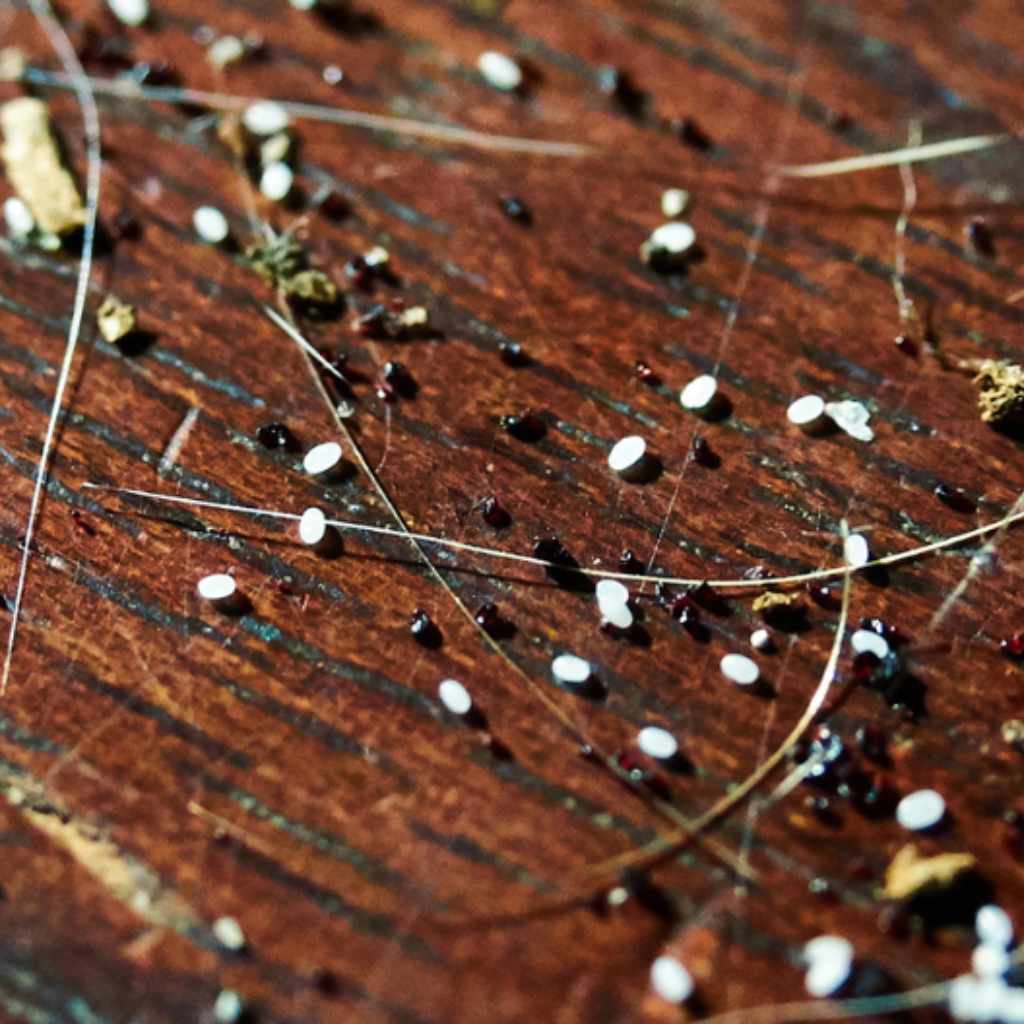
- Tiny black specks (flea dirt) on floors or pet bedding
- Seeing fleas jumping (they’re fast!)
Acting early stops a small problem from becoming a big one. You’re already ahead by learning about this—great job!
The Flea Life Cycle: Why It’s Tricky on Hardwood
To beat fleas, understand how they grow. The cycle has four stages: egg, larva, pupa, and adult.
| Stage | Description | Time Frame | Where on Hardwood? |
|---|---|---|---|
| Egg | Tiny white eggs laid on pets, fall off | 2-14 days to hatch | Cracks, crevices, baseboards |
| Larva | Worm-like, feed on debris and flea dirt | 5-20 days | Dark gaps where dust collects |
| Pupa | Cocoon stage, very protected | Weeks to months | Hidden in floor cracks |
| Adult | Jumps on hosts, mates, lays eggs | Up to 100 days | On pets or jumping on floors |
As shown in this diagram from reliable sources:
Pupae are the toughest—they can wait months for a host. Vacuuming triggers emergence, helping you remove them.
Without a host, adults live 7-14 days on floors, but pupae survive much longer. That’s why one treatment isn’t enough.
Can Fleas Really Survive on Hardwood Floors?
Yes, they can. While fleas prefer carpets for protection, hardwood works if there are hiding spots.
Studies and experts note:
- Fleas develop in cracks and debris on wood floors
- Eggs and larvae fall into gaps
- Less ideal than carpet, but infestations happen
Good news: Hardwood makes control easier—no deep pile to hide in. Regular cleaning removes most stages.
Step-by-Step: How to Get Rid of Fleas on Hardwood Floors
Here’s a safe, beginner-friendly plan. Focus on the whole home, not just floors.
- Treat Your Pets First: Use vet-approved flea prevention. This stops new eggs.
- Vacuum Thoroughly: Daily at first. Focus on cracks, baseboards, and under furniture. Empty bag outside.
- Mop with Safe Solutions: Use warm water with mild soap or diluted vinegar.
- Use Natural Killers: Food-grade diatomaceous earth (DE) dehydrates fleas.
- Wash Everything: Bedding, rugs, cushions in hot water.
- Repeat: Continue 4-8 weeks to break the cycle.
Vacuuming like this works wonders:
Tools and Materials You’ll Need
| Item | Why It Helps | Safety Tip |
|---|---|---|
| Vacuum with crevice tool | Removes 96-100% of fleas/eggs | Empty outside immediately |
| Food-grade DE | Dries out fleas naturally | Use mask; avoid inhaling |
| Mop and bucket | Cleans surfaces | Use wood-safe cleaners |
| Apple cider vinegar | Natural repellent | Dilute; test on floors |
DE is popular and safe when used right:
Natural Prevention Tips for Long-Term Protection
Prevention beats reaction every time. Build these habits:
- Monthly pet flea treatments
- Weekly vacuuming and mopping
- Keep humidity low (fleas hate dry air)
- Wash pet bedding often
- Yard maintenance—trim grass, remove debris
Natural repellents like cedar chips or essential oils (diluted) can help outdoors.
When to Call a Professional
If bites continue after weeks of effort, or infestation is severe, pros have stronger tools. They ensure safe treatment for your family and pets.
FAQ
How long can fleas live on hardwood floors without a pet?
Adults survive 7-14 days without blood, but pupae can wait months in cracks for a host.
Is vacuuming enough to remove fleas from hardwood?
It’s the best start—removes most stages. Combine with mopping and pet treatment for full control.
Can I use diatomaceous earth on my hardwood floors?
Yes, food-grade DE is safe and effective. Apply thinly in cracks, leave 24-48 hours, then vacuum.
Do fleas prefer carpet or hardwood floors?
They prefer carpet for protection, but thrive in hardwood cracks too. Hardwood is easier to clean.
What’s a safe natural mop solution for flea control?
Mix equal parts apple cider vinegar and water. It repels fleas without damaging wood.
How do I know if fleas are gone from my floors?
No more bites, no jumping fleas, clean white sock test (walk in socks—no black specks).
Can fleas damage hardwood floors?
No direct damage, but moisture from cleaning or humidity can if not careful. Always dry floors well.
Conclusion: Enjoy a Flea-Free Home with Confidence
Dealing with fleas on hardwood floors feels overwhelming at first, but you’ve got this. By understanding their life cycle, vacuuming regularly, treating pets, and using safe natural methods, you’ll eliminate them and prevent return.
Remember, consistency is key—stick with it for a few weeks, and you’ll see results. Your home will feel cleaner, your pets happier, and those itchy bites a thing of the past.
As a woodworking enthusiast, I love hardwood floors for their beauty and durability. Keeping them flea-free lets you enjoy them fully. You’re taking great steps for your family’s comfort—well done! If you follow these tips, you’ll have peace of mind and a welcoming home again.