Can I Grow A Cherry Tree In A Pot? What You Need To Know
It’s a lovely thought, isn’t it? Picturing a little cherry tree, maybe even with a few bright red fruits, right there on your patio or balcony. You might be wondering, “Can I actually do this?” Lots of people dream of having fresh cherries but don’t have a big yard.
This guide is for you. We’ll walk through everything you need to know, step-by-step.
Yes, you can grow a cherry tree in a pot, but with important considerations. Choose dwarf or semi-dwarf varieties, use a large container with good drainage, and provide the right soil, sun, water, and feeding for success. Container cherries need care but can be very rewarding.
Growing Cherry Trees in Pots: The Big Picture
Growing a cherry tree in a pot is totally doable. It’s a smart way to enjoy these beautiful trees and their tasty fruit. This is especially true if you have limited space.
Think balconies, patios, or even small urban gardens. The key is choosing the right type of cherry tree. Not all cherry trees are happy in containers.
Many grow too large. We need to look for ones that stay smaller naturally.
These smaller trees are often called dwarf or semi-dwarf varieties. They are perfect for pots. They don’t get as tall or wide as their full-sized cousins.
This makes them manageable in a container. Plus, they still produce plenty of delicious cherries. You just need to know which ones to pick.
And then, you need to give them the right home in that pot.
A pot is like a home for your tree. It needs to be the right size. It needs good soil.
It needs the right amount of sun and water. It’s a bit like caring for any houseplant, but on a larger scale. But the reward is so worth it.
Imagine picking your own cherries for pies, jams, or just snacking!
This journey starts with understanding the tree itself. Then we move to the pot and the soil. We’ll cover how to water and feed it.
We’ll also talk about the sun it needs. And of course, what to do to keep it healthy year-round. It’s a process, but a very rewarding one.
Let’s dive in.
What Kind of Cherry Tree Can Live in a Pot?
This is the first big question. You can’t just grab any cherry tree from the nursery. Most cherry trees get quite large.
They need a lot of space to spread their roots and branches. A standard cherry tree can easily reach 20-30 feet tall. That’s way too big for most pots.
So, we need to look for special types. These are dwarf cherry trees and semi-dwarf cherry trees. These trees are bred or grafted to stay much smaller.
They are perfect for container growing. They grow about half to two-thirds the size of a standard tree. This makes them much easier to manage in a pot.
They are also more likely to produce fruit sooner.
Some popular dwarf cherry varieties include:
- ‘Carmine Jewel’: This is a sour cherry. It’s very cold-hardy. It grows into a bush-like tree, usually around 6-8 feet tall. It’s great for pots. It produces lovely tart cherries.
- ‘North Star’: This is a sweet cherry. It’s a good choice for colder climates. It typically stays around 8-10 feet tall. It needs a pollinator.
- ‘Juliet’: Another sour cherry from the Canadian “Romance” series. It’s hardy and produces abundant, sweet-tart cherries. It stays around 6-8 feet.
- ‘Montmorency’: This is a very common sour cherry. You can find dwarf rootstocks for it. It makes a good container option.
- ‘Lapins’: This is a sweet cherry variety. It is self-pollinating. It can be grafted onto dwarf rootstock to keep it smaller, around 10-15 feet.
When you buy a tree, look for labels that say “dwarf” or “patio” or “container variety.” If you’re unsure, ask the nursery staff. They can help you find the right tree for growing in a pot. This choice is crucial for your success.
Another thing to think about is pollination. Some cherry trees are self-pollinating. This means they can produce fruit on their own.
Others need a second cherry tree nearby to help them set fruit. This is called cross-pollination. For container growing, it’s usually easier to pick a self-pollinating variety.
This way, you only need one tree.
Varieties like ‘Lapins’, ‘Stella’, and ‘Compact Stella’ are self-pollinating sweet cherries. For sour cherries, ‘Carmine Jewel’, ‘Jubilee’, and ‘Juliet’ are typically self-pollinating. Read the plant tag carefully.
It will tell you if it needs a friend to make cherries.
The Right Pot for Your Cherry Tree
The pot is your tree’s entire world. It has to be just right. You can’t use a tiny pot.
A small pot won’t let the roots grow. It will also dry out too fast. Your tree will suffer.
So, how big should it be? For a young dwarf cherry tree, start with a pot that is at least 15-20 gallons. This is roughly 18-20 inches in diameter.
As the tree grows, you’ll need to repot it into a larger container. Eventually, you might need a pot that is 25-30 gallons or even larger. Think about a pot that’s about 24-30 inches in diameter.
The material of the pot matters too. Terracotta pots look nice. They let the soil breathe.
But they dry out very quickly. This can be a problem in hot weather. Plastic pots are lighter.
They hold moisture better. However, they can get very hot in direct sun. This can stress the tree’s roots.
Fabric grow bags are another option. They are lightweight. They allow for good air circulation.
This helps prevent root circling. They also drain well. Many gardeners find these work very well for fruit trees in pots.
No matter the material, drainage is absolutely critical. Cherry trees hate having “wet feet.” This means their roots sitting in soggy soil. It can lead to root rot.
Your pot MUST have drainage holes at the bottom. Make sure they are not blocked. If the pot doesn’t have enough holes, drill more.
About four to six large holes are usually good.
You might want to place a layer of gravel or broken pot shards at the bottom. This is a common practice. However, some experts say this can actually hinder drainage.
It creates a perched water table. It’s often better to ensure the pot itself has good holes and use good soil. Avoid overwatering.
Consider the color of the pot, especially if it’s plastic. Dark-colored pots get hotter in the sun. Lighter colors reflect more sun.
This keeps the roots cooler. If you use a dark pot, you might need to shade it. Or, use a pot within a pot.
Place the plastic pot inside a larger decorative pot. Fill the space between with mulch or soil.
When you first get your tree, gently remove it from its nursery pot. Inspect the roots. If they are circling tightly, loosen them up a bit.
This encourages them to grow outwards into the new soil. Then, place the tree in its new, larger pot. Make sure the top of the root ball is about an inch or two below the rim of the pot.
The Best Soil for Potted Cherry Trees
Just like the pot, the soil is super important. You can’t just dig up dirt from your yard and put it in a pot. Yard soil compacts too easily.
It doesn’t drain well in a container. It can suffocate the roots.
You need a good quality potting mix. Look for something that drains well. It should also hold some moisture.
A good mix usually contains peat moss, coco coir, perlite, and vermiculite. These ingredients help with drainage and aeration. They also help retain some water.
A common blend is a mix of:
- 1/3 high-quality potting soil
- 1/3 compost or aged manure
- 1/3 perlite or coarse sand
This mix provides nutrients and excellent drainage. It’s similar to what you’d use for other container plants. You can often buy pre-made potting mixes specifically for trees or shrubs.
Just make sure it’s not too heavy.
Adding compost is a great idea. Compost adds nutrients. It improves soil structure.
It helps retain moisture. Use well-rotted compost. Fresh compost can sometimes burn the roots.
Aged manure is also good. Make sure it’s fully composted.
Perlite is those little white pebbles you see in potting soil. They help lighten the mix. They create air pockets.
This allows oxygen to reach the roots. Coarse sand can also be used. But avoid fine sand.
Fine sand can make the soil too dense.
Avoid using garden soil or topsoil in your pots. It’s too dense. It doesn’t drain properly.
It can lead to root rot. Also, steer clear of cheap potting mixes that are mostly just peat. They can compact quickly.
They don’t offer enough aeration.
When you plant your cherry tree in the pot, fill it with your chosen soil mix. Gently firm the soil around the roots. Don’t pack it down too hard.
Leave about 1-2 inches of space between the soil surface and the rim of the pot. This space is for watering. It prevents soil from washing out.
The pH of the soil is also worth noting. Cherry trees prefer slightly acidic to neutral soil. A pH between 6.0 and 7.0 is usually ideal.
Most good quality potting mixes will be in this range. You can test your soil pH with a simple home testing kit if you are concerned.
Soil Mix Quick Guide
Base: High-quality potting mix (3 parts)
Nutrients & Structure: Compost or aged manure (1 part)
Drainage & Aeration: Perlite or coarse sand (1 part)
Key Benefit: This blend ensures good drainage and aeration, which is vital for preventing root rot in potted cherry trees.
Sunlight Needs for Your Container Cherry Tree
Cherry trees love the sun. They need plenty of it to produce good fruit. For a potted cherry tree, aim for at least 6-8 hours of direct sunlight per day.
More is usually better.
Where you place your pot is really important. A sunny patio, a balcony that gets morning sun, or a spot near a south-facing wall are great choices. If you live in a very hot climate, you might need to provide some afternoon shade.
Intense, scorching afternoon sun can sometimes be too much for container plants. It can overheat the roots and scorch the leaves.
Think about the seasons. In the spring and fall, the sun is less intense. Your tree can probably handle full sun all day.
In the peak of summer, watch for signs of stress. If the leaves start to look wilted or scorched, even when watered, the pot might be getting too hot. Or, the tree might be getting too much direct sun for too long.
If your pot is on a hard surface like concrete or asphalt, it can absorb and radiate a lot of heat. This can make the roots very hot. Consider placing the pot on a heat-resistant mat.
Or, put it in a larger decorative pot. This creates an insulating air gap.
If you don’t have a spot that gets enough sun, don’t despair. You might still be able to grow a cherry tree. But fruit production might be reduced.
Or you might need to look into varieties that are more shade-tolerant. However, for good fruiting, sun is a must.
Think about rotating the pot every so often. This ensures all sides of the tree get good sun exposure. It helps the tree grow more evenly.
It also prevents one side from becoming weak or leggy.
In winter, if you live in a very cold region, you might need to move the potted tree. It might need protection from harsh winds and freezing temperatures. Some people move them into an unheated garage or shed.
But it still needs some light. This is more about protecting the roots from freezing solid. We’ll touch more on winter care later.
Watering Your Potted Cherry Tree: The Gentle Balance
Watering is where many container gardeners struggle. It’s a fine line. Too much water, and the roots rot.
Too little, and the tree wilts and suffers. For a potted cherry tree, consistent moisture is key. But not soggy.
How often should you water? There’s no set schedule. It depends on the weather, the size of your pot, the type of soil, and the size of your tree.
The best way to know is to check the soil. Stick your finger about 2 inches down into the soil. If it feels dry, it’s time to water.
If it feels moist, wait. Don’t water again. Overwatering is a common mistake.
Potted plants can dry out faster than in-ground plants, but they can also stay wet longer if the pot is too big or the soil doesn’t drain well.
When you do water, water deeply. Water until you see it start to drain from the bottom holes. This ensures the entire root ball gets moist.
It also helps flush out any accumulated salts from fertilizers or tap water. Don’t just give it a little sip. Soak it.
Morning is usually the best time to water. This gives the tree all day to absorb the water. It also allows the foliage to dry before nightfall.
Wet leaves overnight can encourage fungal diseases. This is something we want to avoid, especially with fruit trees.
In hot, dry weather, you might need to water every day. Or even twice a day for very large pots in direct sun. In cooler weather, you might only need to water every few days, or even once a week.
Signs your tree needs water include drooping leaves. The soil will also feel dry. If the leaves are drooping but the soil is wet, this could be root rot.
This is a serious issue. Make sure your soil drains well. Don’t water again until the soil starts to dry out.
If your tap water is very hard, it can leave mineral deposits in the soil. This can affect the pH. It can also build up over time.
Using rainwater or filtered water when possible can be beneficial. Or, occasionally flush the pot thoroughly with plain water.
I remember one summer, I was so worried about my little potted fig tree. It looked droopy. I kept watering it, thinking it was thirsty.
I was watering it almost every morning. Then I noticed the leaves were yellowing. The soil stayed soggy.
I finally realized I was drowning it! I let the soil dry out completely. I started checking it properly.
It perked right up. It taught me a valuable lesson about listening to the plant, not just a schedule.
Feeding Your Potted Cherry Tree
Potted plants need regular feeding. The nutrients in the potting mix get used up over time. They also get washed out with watering.
Your cherry tree needs food to grow and produce fruit.
What kind of fertilizer should you use? A balanced fertilizer is a good choice. Look for one with N-P-K numbers that are relatively close together.
For example, 10-10-10. You can also use fertilizers specifically formulated for fruit trees. These often have a slightly higher phosphorus number.
You can feed your tree with either a liquid fertilizer or a slow-release granular fertilizer. Liquid fertilizers are absorbed more quickly. They give your tree a quick boost.
Slow-release fertilizers feed the plant over a longer period.
Start feeding in the spring. This is when the tree starts its active growth. Continue feeding throughout the growing season.
Stop feeding in late summer or early fall. This allows the tree to prepare for winter. It needs to harden off its growth.
For liquid fertilizers, follow the package instructions carefully. Dilute them properly. Over-fertilizing can harm your tree.
It can burn the roots. It can lead to weak growth. It’s often better to feed a little less often than to overdo it.
If you use a slow-release fertilizer, apply it in early spring. One application might be enough for the whole season. Or, you might need a second application mid-season, depending on the product.
Read the label for best results.
Compost is also a fantastic natural fertilizer. Top-dressing the soil with a layer of compost once a year, usually in spring, is highly beneficial. It adds nutrients slowly and improves soil health.
Don’t forget about micronutrients. Sometimes, potted plants can develop deficiencies in things like iron or magnesium. If your tree’s leaves are yellowing between the veins, it might be a sign of a micronutrient deficiency.
You can use a chelated micronutrient spray or fertilizer to address this. These are easily absorbed by the plant.
A good feeding program helps ensure your tree stays healthy. It also maximizes fruit production. Happy roots and healthy leaves lead to delicious cherries.
Feeding Schedule Basics
When: Start in early spring when growth begins. Continue through the growing season.
What: Balanced liquid fertilizer (e.g., 10-10-10) or fruit tree fertilizer.
How Often: Follow product instructions, usually every 2-4 weeks for liquid. One to two applications for slow-release.
Important: Always water thoroughly after fertilizing. Avoid fertilizing in late fall.
Pruning Your Container Cherry Tree
Pruning is important for keeping your potted cherry tree healthy. It also helps manage its size and shape. For container trees, you’ll likely prune more often than for in-ground trees.
The main goals of pruning are:
- To maintain a manageable size for the pot.
- To encourage fruit production.
- To improve air circulation within the branches.
- To remove dead, damaged, or crossing branches.
The best time to prune is usually in late winter or early spring. This is before the tree starts its major growth spurt. You can also do some light pruning in summer.
This is to manage size. It helps remove water sprouts (fast-growing, vertical shoots).
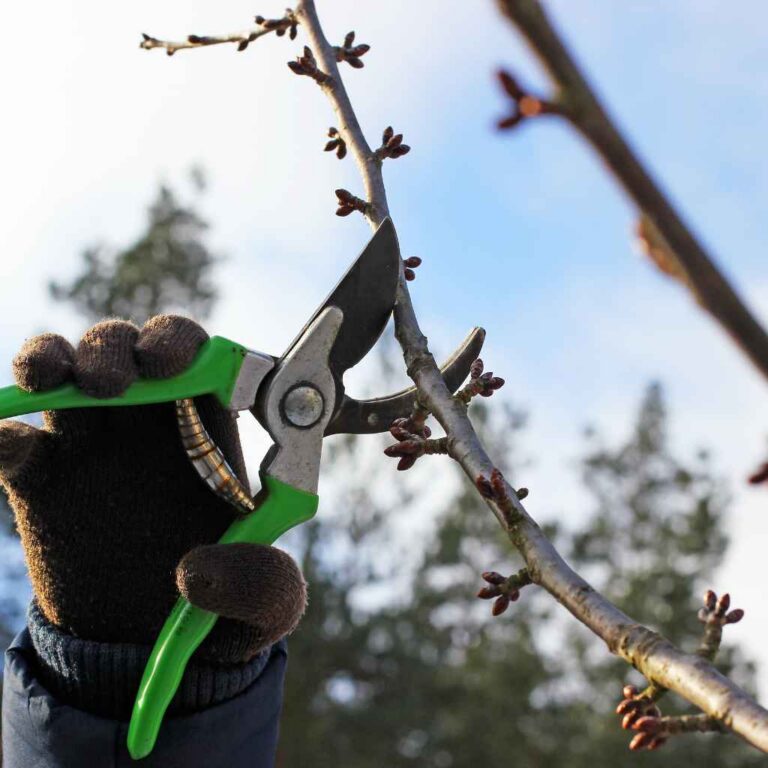
When you prune, use clean, sharp pruning shears. Make clean cuts just above a bud or a lateral branch. This helps the plant heal properly.
Start by removing any dead, diseased, or broken branches. Then, look at the overall shape. You want to create an open canopy.
This allows sunlight and air to reach all parts of the tree. This is important for fruit development and disease prevention.
Remove any branches that are growing downwards. Also, remove branches that are rubbing against each other. They can cause wounds.
Remove water sprouts. These are vigorous, upright shoots that don’t usually produce fruit. Pinching them off when they are small is best.
If the tree is getting too tall, you can prune it back. Cut just above a side branch that is growing outwards. This will redirect the growth.
It will help keep the tree shorter.
For dwarf trees, the goal is often to keep them in a nice, rounded shape. Think of a compact umbrella. Aim for a structure with a central leader (main trunk) or a few main scaffold branches.
Then, secondary branches grow from these.
Don’t be afraid to prune. A little pruning goes a long way. It’s better to prune too little than too much.
But if you see a branch that looks out of place, go ahead and trim it. Just be mindful of the overall shape you want to achieve.
After pruning, make sure to water your tree well. This helps it recover from the stress. Keep an eye on it for new growth.
Pruning often stimulates new growth.
Pollination and Fruit Set
As mentioned before, pollination is crucial for getting cherries. Some sweet cherry varieties are self-pollinating. This means one tree can produce fruit all by itself.
Examples include ‘Lapins’, ‘Stella’, and ‘Compact Stella’.
Other sweet cherry trees are not self-pollinating. They need a different variety of sweet cherry tree nearby to act as a pollinator. This second tree must bloom at the same time.
If you have one of these, you’ll need to plant a second compatible variety in another pot. Or, ensure there’s a compatible tree in a neighbor’s yard.
Sour cherries are generally self-pollinating. Varieties like ‘Carmine Jewel’, ‘Jubilee’, and ‘Juliet’ are good choices for single-pot growing. They produce tart cherries, which are excellent for cooking and baking.
How do you know if your tree needs a pollinator? Check the plant tag or description. It will usually say “self-fertile” or “self-pollinating” if it doesn’t need a partner.
If it doesn’t say, assume it needs a pollinator.
What if you have a self-pollinating variety, but it’s not producing much fruit? There could be a few reasons.
- Not enough sun: Fruit trees need a lot of sun.
- Poor pollination conditions: Rainy or cold weather during bloom can deter bees.
- Over-fertilizing with nitrogen: Too much nitrogen can encourage leafy growth instead of flowers and fruit.
- Young tree: It might take a few years for a young tree to start producing fruit.
- Root stress: The tree might be stressed from being root-bound or having poor soil.
If you have a non-self-pollinating tree and want to encourage fruit, you can try hand-pollination. This involves using a small brush. You collect pollen from one tree’s blossoms.
Then, you gently transfer it to the blossoms of the other tree. It’s a bit tedious, but it can help.
The blossoms themselves are a sign that fruit is on its way. Cherries typically bloom in spring. The fruit ripens in late spring or early summer, depending on the variety and your climate.
Pollination Essentials
Self-Fertile: Tree pollinates itself. Needs no other cherry tree. (e.g., ‘Lapins’, ‘Carmine Jewel’)
Needs Pollinator: Tree requires a second, compatible cherry tree blooming at the same time to produce fruit. (e.g., many standard sweet cherries)
Tip: For single-pot growing, choose a self-fertile dwarf variety.
Winter Care for Potted Cherry Trees
Winter care is vital for the survival of your potted cherry tree. The roots in a pot are more exposed to cold than those in the ground. They can freeze solid.
If you live in a region with mild winters (Zone 7 or warmer), your tree might be okay left outdoors. However, it’s still a good idea to protect the pot.
- Wrap the pot: Use burlap, bubble wrap, or old blankets. Wrap the outside of the pot. This adds insulation.
- Move to a sheltered spot: Place the pot against a sheltered wall of your house. This protects it from harsh winds.
- Mulch heavily: Add a thick layer of mulch (straw, wood chips) on top of the soil. This insulates the soil surface.
If you live in a colder region (Zone 6 or colder), you need to protect your tree more actively. The goal is to keep the roots from freezing completely.
- Unheated garage or shed: This is often the best option. Move the tree indoors before the first hard freeze. It should be a place that stays cold, but not freezing. It should also have some light. Water it sparingly during this time. Just enough to keep the soil from drying out.
- Insulated cold frame: You can build or buy a cold frame. This is a structure that protects plants from the elements.
- Bury the pot: In milder cold climates, you can dig a hole in the ground. Place the pot in the hole. Then fill the soil around it. This insulates the roots like they are in the ground.
Remember that even when dormant, trees need some moisture. Don’t let the soil dry out completely in the pot during winter. Check it every few weeks.
Water lightly if it feels dry.
When spring arrives and the danger of hard frost has passed, gradually reintroduce your tree to the outdoors. Don’t put it straight into full sun. Move it into a spot with partial shade for a few days.
Then, slowly move it to its full sun location. This prevents shocking the tree.
Potted fruit trees are more sensitive. They require a bit more attention. But with the right care, they can thrive and reward you with fruit for years.
Common Pests and Diseases for Potted Cherries
Even in a pot, cherry trees can attract pests and diseases. Being aware of them helps you catch problems early.
Common Pests:
- Aphids: Tiny green or black bugs that cluster on new growth. They suck sap.
- Spider Mites: Tiny pests that cause stippling on leaves. You might see fine webbing.
- Cherry Fruit Flies: These lay eggs in the fruit, creating maggots. A common problem for sweet cherries.
- Borers: Larvae that bore into the bark or wood. Can weaken or kill the tree.
Common Diseases:
- Brown Rot: A fungal disease that causes blossoms and fruit to rot. Often seen in wet weather.
- Powdery Mildew: A white, powdery growth on leaves and stems.
- Leaf Spot: Fungal spots on leaves. Can cause premature leaf drop.
- Root Rot: Caused by overwatering and poor drainage. The roots rot.
Prevention is key for potted plants:
- Good Air Circulation: Proper pruning helps with this.
- Avoid Overwatering: This is critical for preventing root rot and some fungal diseases.
- Cleanliness: Remove fallen leaves and fruit promptly. They can harbor diseases and pests.
- Healthy Tree: A well-fed and watered tree is more resistant to problems.
What to do if you see pests:
- Manual Removal: For aphids, a strong spray of water can often knock them off.
- Insecticidal Soap or Neem Oil: These are generally safe organic options. They work well against many soft-bodied insects. Follow product instructions.
- Dormant Oil: Applied in winter, this can kill overwintering pests.
What to do if you see diseases:
- Pruning: Remove infected parts of the tree immediately. Dispose of them away from your plants.
- Fungicides: Use appropriate organic or conventional fungicides if needed. Follow labels strictly.
- Improve Conditions: Address the underlying cause, like improving drainage or air circulation.
For cherry fruit flies, they are trickier. Netting the trees when fruit starts to form can help. Or use sticky traps.
Some people find that growing sour cherries, which are less prone to fruit fly damage, is easier in containers.
If you’re growing for fruit, it’s essential to stay vigilant. Inspect your tree regularly. Look under leaves.
Check the branches. Catching problems early makes them much easier to manage.
Harvesting Your Cherries
This is the best part! When your cherries are ripe, it’s time to harvest. The exact timing depends on the variety.
But generally, cherries ripen in late spring to early summer.
How do you know they are ripe?
- Color: They will have a deep, rich color. For sweet cherries, this means bright red or dark red. For sour cherries, it’s usually a vibrant red.
- Firmness: They should be firm but yield slightly to gentle pressure.
- Taste: The best test is to taste one! If it’s sweet and juicy, they’re ready. If it’s tart and hard, they need more time.
Pick the cherries gently. Try to grasp the stem. Gently twist or pull the cherry off the stem.
Avoid pulling too hard. You don’t want to damage the branch or the bud for next year’s fruit.
Harvesting cherries over a period of a few weeks is common. Not all cherries on the tree ripen at the same time. Pick them as they ripen.
What to do with your harvest?
- Eat them fresh: The best way to enjoy ripe cherries!
- Baking: Perfect for pies, tarts, cobblers, and muffins.
- Jams and Preserves: Cherries make delicious jams and preserves.
- Juicing: You can make fresh cherry juice.
- Freezing: Pit them and freeze them for later use.
Remember, cherries are best eaten soon after picking. They don’t last as long as some other fruits. If you have a bumper crop, consider preserving them.
The joy of picking your own cherries from your patio is immense. It’s a taste of success! It’s the culmination of all your efforts.
When to Repot Your Cherry Tree
Your potted cherry tree will eventually outgrow its pot. When this happens, you need to repot it. This gives the roots more space to grow.
It replenishes the soil with fresh nutrients.
How do you know it’s time to repot?
- Roots are visible at the drainage holes: This is a clear sign the tree is root-bound.
- Roots are circling the inside of the pot: You might see this if you gently lift the tree out of the pot.
- Water runs straight through the pot: If the soil drains too quickly, it means the roots have filled the pot.
- Growth has slowed significantly: The tree isn’t growing as vigorously as it used to.
- The tree dries out very quickly: You might need to water it much more often.
The best time to repot is in the spring. This is when the tree is starting its active growth. It will recover more quickly.
Here’s how to repot:
- Choose a larger pot: Go up about 2-4 inches in diameter from the current pot.
- Prepare the new pot: Make sure it has drainage holes. Add a layer of fresh potting mix to the bottom.
- Remove the tree: Gently ease the tree out of its old pot. If it’s stuck, you might need to tap the sides or use a trowel to loosen it.
- Inspect the roots: If the roots are tightly circled, gently loosen them. You can even make a few vertical cuts along the root ball with a clean knife to encourage outward growth.
- Place the tree in the new pot: Position it so the top of the root ball is about 1-2 inches below the rim of the new pot.
- Fill with new soil: Add your fresh potting mix around the root ball. Gently firm it down.
- Water thoroughly: Water the tree well to settle the soil.
Repotting every 2-3 years is usually sufficient for most dwarf fruit trees. It’s an important step to keep your tree healthy and productive.
Frequently Asked Questions
Can I grow a cherry tree in a small pot, like a balcony pot?
While you can grow a cherry tree in a pot on a balcony, it needs to be a sufficiently large pot. A small, shallow pot won’t support a healthy tree. Start with at least a 15-20 gallon container.
For very small spaces, consider dwarf varieties or even a single-grafted column tree, though these are less common for cherries.
How many years does it take for a potted cherry tree to produce fruit?
Dwarf cherry trees typically start producing fruit within 2 to 5 years after planting, depending on the variety and the care they receive. Some may even produce a small amount of fruit in their first or second year in the pot.
What is the best time of year to plant a potted cherry tree?
The best time to plant a potted cherry tree is in early spring. This allows the tree to establish its roots before the heat of summer. Fall planting is also possible in milder climates, but spring is generally preferred for container plants.
Do I need to protect my potted cherry tree from frost?
Yes, especially if you live in a climate with freezing temperatures. The roots of potted plants are more exposed to cold than in-ground trees. Protect the pot by wrapping it, moving it to a sheltered location, or bringing it into an unheated garage or shed during winter.
Can I grow a cherry tree indoors?
Cherry trees are generally not suited for growing indoors. They require a significant amount of direct sunlight (6-8 hours daily), and indoor conditions often lack the light intensity needed for healthy growth and fruit production. They also benefit from a winter dormancy period.
They are best grown outdoors in pots.
What if my potted cherry tree’s leaves turn yellow?
Yellow leaves on a potted cherry tree can be caused by several things: overwatering (leading to root rot), underwatering, nutrient deficiencies (like iron or magnesium), or too much sun in very hot weather. Check the soil moisture first, then consider fertilizing with a balanced or micronutrient fertilizer if other causes are ruled out.
Conclusion
Growing a cherry tree in a pot is a truly rewarding experience. It brings beauty and delicious fruit right to your doorstep. By choosing the right dwarf variety, giving it a spacious pot with excellent drainage, and providing the perfect mix of sun, water, and food, you can enjoy your own homegrown cherries.
It takes a little planning and consistent care, but the results are well worth the effort. Happy growing!
Sponsored / affiliate links. As an Amazon Associate I earn from qualifying purchases. I may earn additional commission from eligible campaigns.