Can You Eat Cherry Blossom Fruit? The Honest Answer Here
It’s a beautiful thought, isn’t it? Seeing those delicate cherry blossoms paint the world pink and white. And then wondering, can you eat cherry blossom fruit?
It’s a question that pops up when nature is at its most stunning. You might be picturing a tiny, sweet cherry. Or maybe something entirely different.
Let’s dive into what you can and can’t do with these pretty flowers.
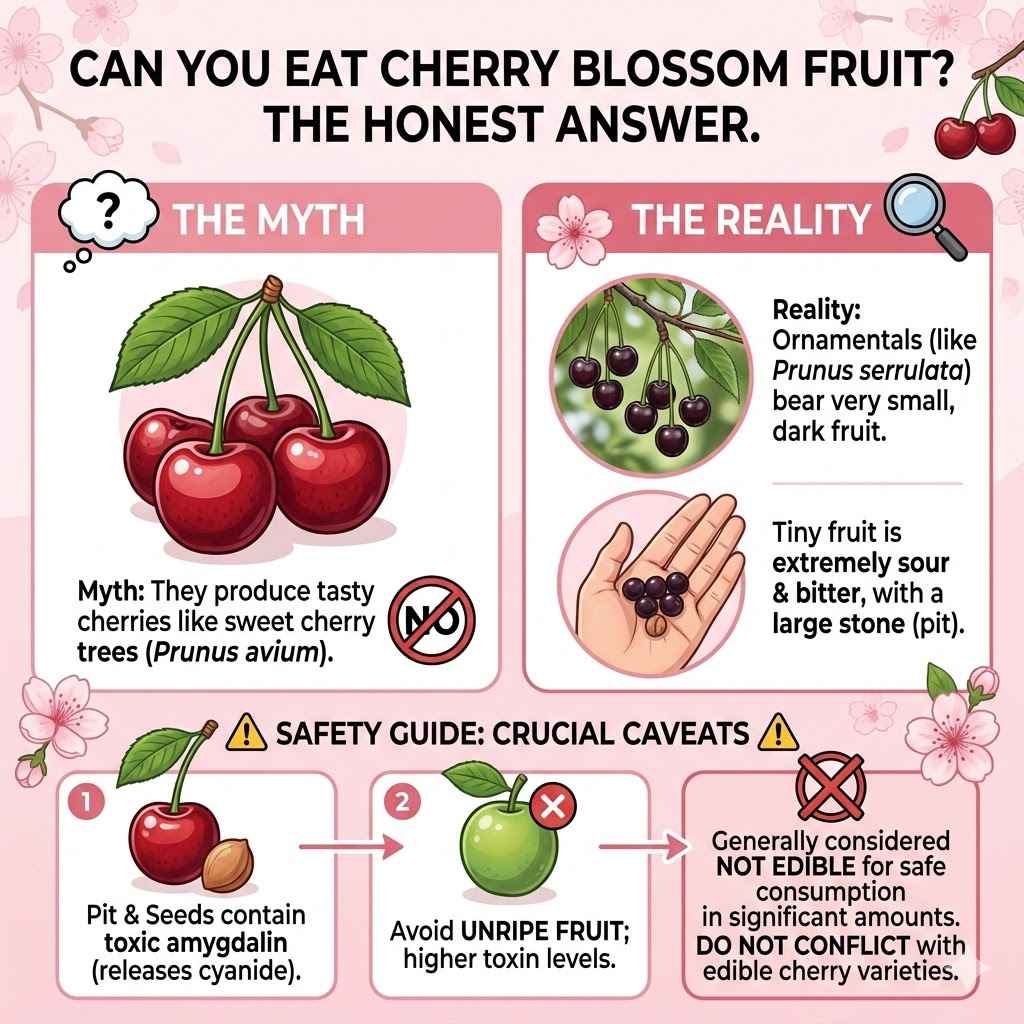
The short answer is no, you cannot eat the fruit of ornamental cherry blossom trees. These trees are grown for their beautiful flowers, not for fruit production. The fruit from these trees is typically small, hard, and unpalatable. However, the flowers themselves and certain parts of the cherry blossom plant can be used in culinary ways.
Understanding Cherry Blossoms and Fruit
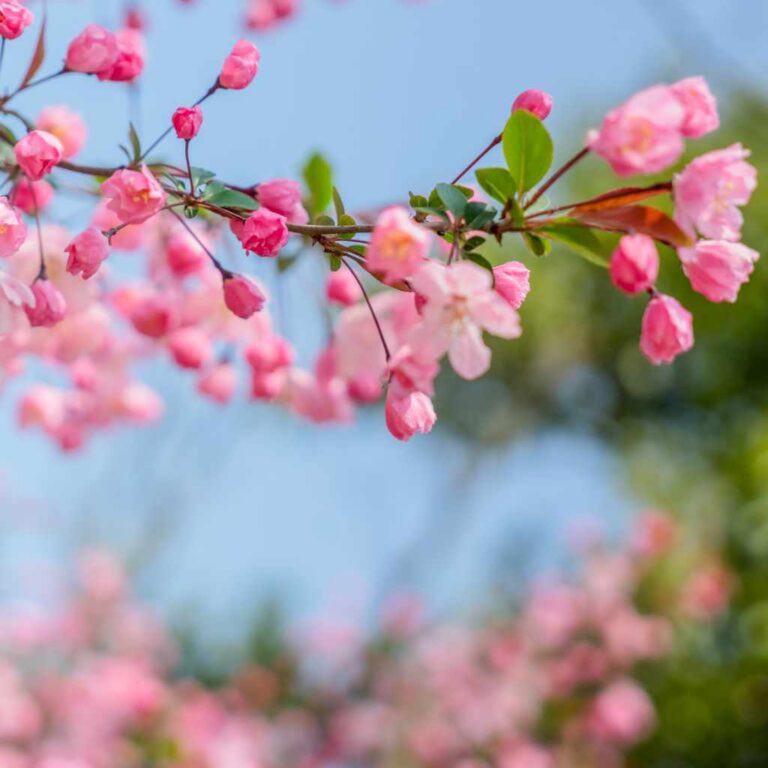
When we talk about cherry blossoms, we usually mean the flowers from ornamental Cherry Trees Need to Be to Pollinate: Optimal Distance Explained” href=”https://woodworkingadvisor.com/how-close-do-cherry-trees-need-to-be-to-pollinate/” target=”_blank” rel=”noopener” data-wpil-monitor-id=”21086″>cherry trees. Think of the ones that fill parks and streets in the spring. These trees are bred for their looks.
Their flowers are stunning. They bring joy and beauty. They are not made to produce sweet, juicy cherries like the ones you buy at the store.
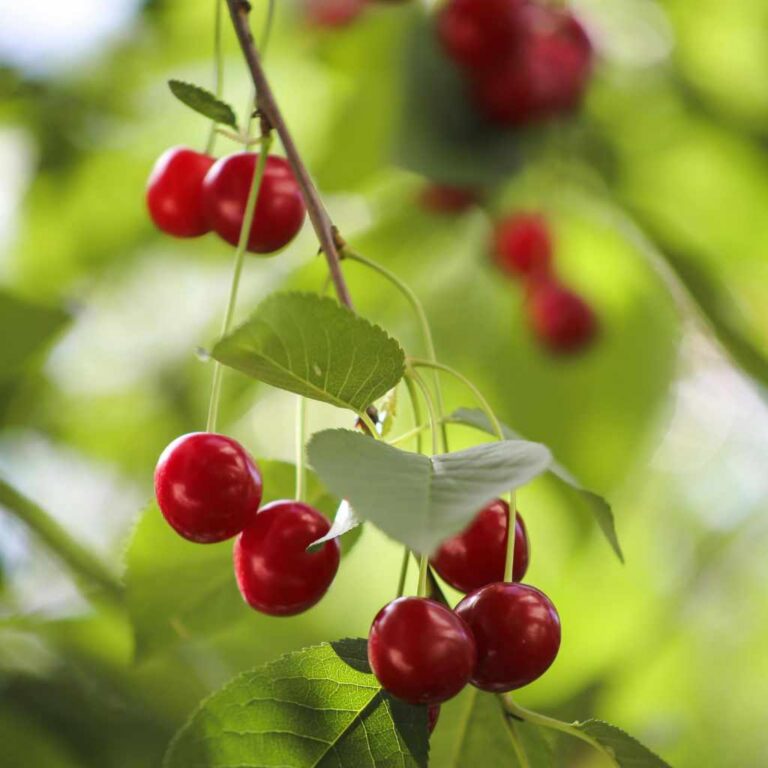
The trees that give us delicious cherries are called fruiting cherry trees. These are different plants. They have smaller, less showy flowers.
Their main job is to grow fruit. Ornamental cherry trees, on the other hand, focus all their energy on making as many beautiful flowers as possible. This is their biological purpose.
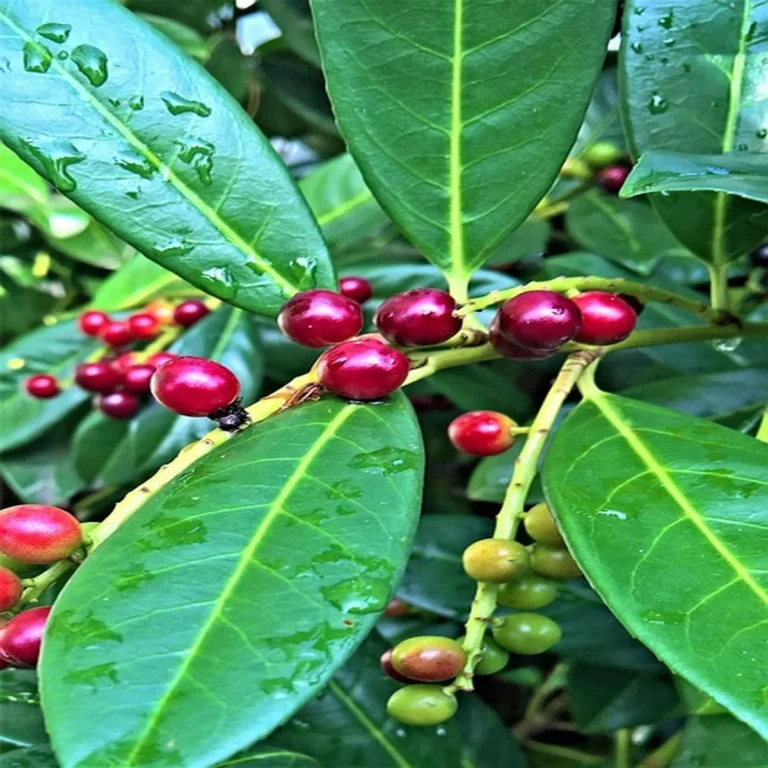
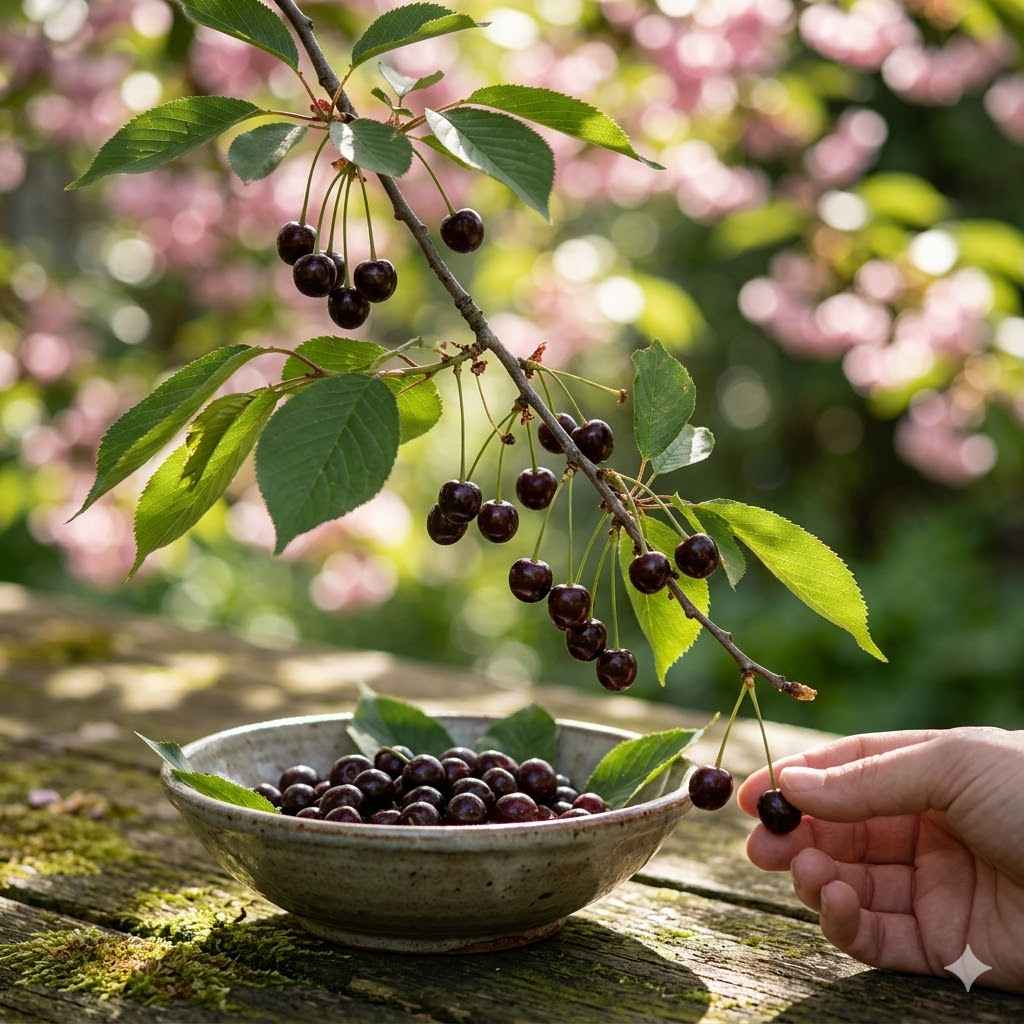
So, if you see a cherry blossom tree covered in flowers, you won’t find edible fruit on it. The “fruit” that might appear is usually tiny. It’s often hard and bitter.
Birds might eat them, but they aren’t good for people. Trying to eat this small, underdeveloped fruit is not recommended. It’s not what the tree is designed to give us.
The Truth About Ornamental Cherry Fruit
Many people confuse ornamental cherry trees with fruit-bearing cherry trees. It’s an easy mistake to make. Both are cherries, right?
But their paths are very different. Ornamental trees are like nature’s artists. They paint landscapes with color.
Their flowers are their masterpiece.
Fruit trees, however, are like nature’s orchards. They are designed to provide food. Their flowers are a means to an end.
That end is a delicious cherry.
The small, hard “cherries” you might see on an ornamental tree are not the same as the sweet, plump cherries from a fruit tree. These are often just remnants of the flower. They might be sterile or underdeveloped.
They lack the sugar and flavor we associate with cherries. Eating them would likely be a disappointing, maybe even unpleasant, experience. They are not meant for our plates.
Experience: A Spring Day Gone Wrong
I remember one spring day, visiting a local park famous for its cherry blossoms. The air was alive with pink. It was absolutely breathtaking.
My young niece, Lily, was with me. She’s always curious about nature. She pointed to a branch heavy with flowers.
Tiny little red dots were scattered among them.
“Auntie, look! Cherries!” she exclaimed, her eyes wide with excitement. She reached out to pluck one.
I gently stopped her. “Not those ones, sweetie,” I said. “Those are from the pretty flower trees.
They don’t make fruit we can eat.”
She looked confused, then a little sad. I could see the disappointment clouding her face. She had pictured a sweet treat.
It was a moment of lost wonder. It made me realize how important it is to understand these differences. Nature is amazing, but sometimes it’s tricky.
What looks like fruit might just be a bit of plant matter. It’s a lesson for us all.
What’s Edible? The Real Stars
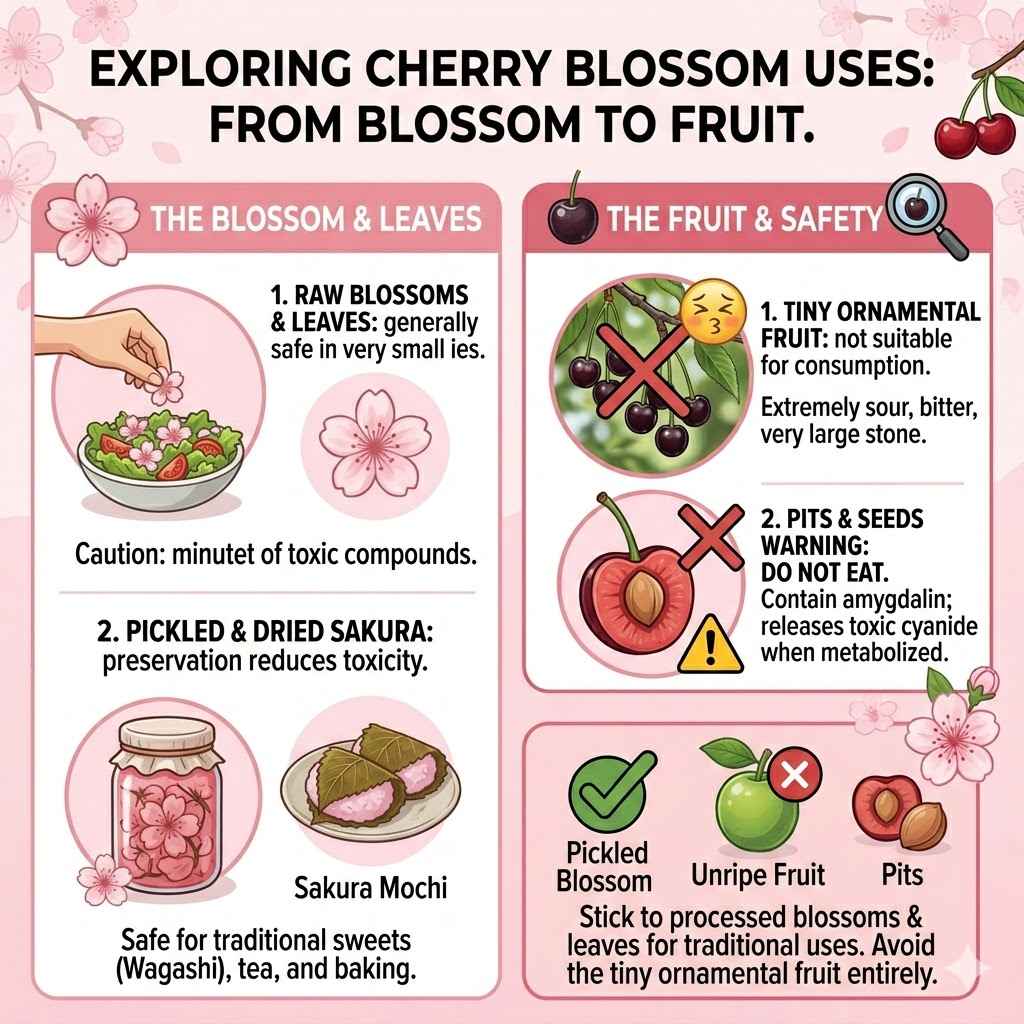
Edible Flowers: Yes! Cherry blossom petals are edible. They are often pickled or used in sweets.
They have a unique, slightly floral taste.
Leaves: Cherry leaves are also used. They are often pickled and used to wrap rice or mochi. This gives food a lovely scent.
Fruit (from fruit trees): Of course! Cherries from fruit-bearing trees are delicious and nutritious.
Ornamental Tree Fruit: Generally, no. Avoid eating the small, hard fruits from ornamental trees.
The Edible Parts of the Cherry Blossom Plant
While the fruit of ornamental cherry trees isn’t for eating, the flowers themselves are a different story! Yes, you can eat cherry blossoms. In fact, they have a long history of use in Japanese cuisine and other cultures.
The petals are the main part used. They offer a unique flavor and a beautiful aesthetic.
Cherry blossoms are often pickled. This process preserves them. It also gives them a unique salty and slightly sour taste.
Pickled cherry blossoms are called sakura no shiozuke. They are a special treat. People use them to flavor drinks like tea.
They also use them to decorate cakes and sweets. Imagine a delicate pink flower floating in your tea! It’s quite lovely.
The leaves of cherry trees can also be eaten. Like the flowers, they are often pickled. This is common in Japan.
Pickled cherry leaves are used to wrap sakura mochi. This is a traditional Japanese rice cake. The leaves impart a subtle, pleasant aroma to the mochi.
It makes the treat even more special. It’s a way to capture the essence of spring.
It’s important to note that you should only eat flowers and leaves from trees you know are safe. Avoid flowers from roadsides or treated areas. Always use flowers and leaves specifically prepared for consumption, especially if buying them from a store.
These have been processed correctly.
How Cherry Blossoms Are Used in Food
The culinary use of cherry blossoms is fascinating. It’s not about eating a fruit, but about using the flower itself. The taste is subtle.
It’s floral and slightly tannic. It pairs well with sweet and savory dishes. Its main appeal is often its beauty, though.
In Japan, you’ll find cherry blossom flavored everything in spring. This includes ice cream, cookies, and pastries. Sakura-flavored teas are very popular.
They offer a gentle floral note. This flavor is often achieved using extracts from pickled blossoms or artificial flavorings. But the real thing is quite special.
Here’s a breakdown of how they are used:
- Pickling: This is the most common method. Flowers are preserved in salt and plum vinegar. This makes them last longer. It also gives them a distinct flavor.
- Baking: The petals can be added to cakes, cookies, and breads. They add a pretty color and a hint of floral aroma.
- Drinks: Infusing hot water with pickled blossoms makes a beautiful tea. They can also be added to cocktails or other beverages.
- Savory Dishes: In some regions, pickled leaves are used to wrap rice or fish. This adds a subtle fragrance.
The process of pickling is key. It involves rinsing the fresh blossoms. Then they are layered with salt.
Sometimes plum vinegar is added. They are left to cure. This changes their texture and taste.
The result is a preserved flower that can be used throughout the year.
Contrast: Ornamental vs. Fruit Cherries
| Feature | Ornamental Cherry Tree | Fruiting Cherry Tree |
|---|---|---|
| Purpose | Beauty, ornamental value | Fruit production |
| Flowers | Large, showy, diverse colors | Smaller, typically white or light pink |
| Fruit Size | Very small, hard, often unpalatable | Medium to large, juicy, sweet |
| Edibility of Fruit | No | Yes |
| Edibility of Flowers/Leaves | Yes (prepared properly) | Yes (prepared properly) |
Why Do Ornamental Cherry Trees Produce Fruit (of sorts)?
Even though the fruit isn’t edible, ornamental cherry trees still go through the process of trying to produce it. This happens because it’s a natural part of the plant’s life cycle. After the flowers are pollinated, the tree tries to develop fruit.
This is its biological drive.
Pollination occurs when pollen from one flower gets to another. This can happen with the help of insects like bees or even the wind. Once pollinated, the flower begins to change.
The ovary at the base of the flower swells. It starts to grow.
However, in ornamental trees, this process is often incomplete. The tree’s genetics are geared towards flower production, not fruit development. The energy it puts into fruit is minimal.
The resulting “cherries” are often small, hard, and contain undeveloped seeds. They are not designed to be eaten or to grow new trees.
Think of it like a human body trying to perform a function it’s not specialized for. It might go through the motions, but the outcome won’t be ideal. The tree’s main goal is beauty, not bounty.
So, the fruit you see is more of a biological echo than a true harvest.
Personal Experience: The Misleading Pink
I was once helping a friend landscape her new backyard. She had just bought a beautiful flowering cherry tree. She was so excited.
“I can’t wait for these to turn into cherries,” she told me, gazing at the pink blossoms. I hesitated, wanting to be gentle. “You know,” I started, “most of these trees don’t actually make fruit we can eat.”
Her face fell. “Really? But they’re cherry blossoms!” she said, a note of disbelief in her voice.
She had pictured a small orchard in her own yard. This tree was supposed to be the start. It was a shame to burst her bubble.
But it’s better to know the reality, I thought.
We talked about it. I explained the difference between ornamental and fruit trees. She was disappointed, but then she looked at the tree again.
“Well, they are the prettiest things I’ve ever seen,” she admitted. “Maybe that’s enough.” And it was. The beauty of the blossoms was the true gift of that tree.
It was a reminder that not everything beautiful is meant to be consumed. Sometimes, just appreciating it is the point.
Quick Scan: Edible Cherry Blossom Parts
What to look for:
- Petals: Yes, when properly prepared.
- Leaves: Yes, often pickled in Japanese cuisine.
- Flowers from Fruit Trees: Yes, they are precursors to edible cherries.
What to avoid:
- Fruit from Ornamental Trees: No, typically small, hard, and bitter.
When to Worry About Cherry Blossoms
You generally don’t need to worry about cherry blossoms themselves unless you plan to eat them. If you are just admiring them, there’s no concern. The question of “worry” comes into play when you consider consumption.
When to worry about eating them:
- Unknown Source: If you don’t know where the tree came from, don’t eat from it. It might have been sprayed with pesticides or other chemicals.
- Ornamental Tree Fruit: As we’ve discussed, the tiny fruits on ornamental trees are not for eating.
- Improper Preparation: Even edible parts like petals and leaves need proper preparation, usually pickling. Eating them raw and unprepared can be unpleasant or even unsafe.
It’s always best to err on the side of caution. If you’re unsure, it’s better not to eat it. Focus on the beauty and the experience of seeing the blossoms.
If you want to try culinary cherry blossoms, buy them from a reputable source. This ensures they are safe and prepared correctly.
The U.S. Department of Agriculture (USDA) doesn’t specifically regulate ornamental cherry blossom consumption, but they do emphasize food safety for anything grown for consumption. This means sourcing is key.
Simple Checks for Edible Flowers
If you decide you want to try edible flowers, like cherry blossoms, there are a few simple checks to make.
- Identify the Plant: Be 100% sure it’s a cherry blossom tree (Prunus genus). If you’re not an expert, get help from a local horticulturalist or use a reliable plant identification app.
- Know the Type: Is it an ornamental tree or a fruit-bearing tree? If it’s ornamental, focus on petals or leaves, not the fruit.
- Source Matters: Never pick from roadsides, industrial areas, or places that might use chemicals. Choose a clean, natural environment.
- Look for Commercial Preparations: The safest bet is to buy pre-prepared edible flowers or leaves. These are harvested and processed under controlled conditions. Look for terms like “culinary grade” or “food-safe.”
- Inspect for Pests and Diseases: Even in a safe location, check the flowers and leaves for any signs of pests, mold, or disease.
The Consumers Union (publishers of Consumer Reports) often advises caution with foraging. Foraging for your own food can be rewarding, but it requires careful knowledge. For cherry blossoms, starting with commercially prepared options is the most trustworthy approach.
Observational Flow: From Flower to Edible Treat
Step 1: Blooming Season
The cherry tree bursts into a cloud of beautiful, delicate flowers in spring.
Step 2: Pollination (or Not)
For ornamental trees, pollination might occur, but fruit development is minimal.
Step 3: Harvest (Carefully!)
Fresh petals or leaves are gathered from safe, known trees, or purchased.
Step 4: Preparation
Blossoms are rinsed and then typically pickled in salt and plum vinegar.
Step 5: Culinary Use
Pickled blossoms or leaves are used to flavor teas, sweets, or wrap rice dishes.
Real-World Context: Cherry Blossoms Around the World
Cherry blossoms are deeply ingrained in the culture of many countries, most famously Japan. The Japanese have a tradition called hanami, which means “flower viewing.” People gather under the blooming trees for picnics and celebrations. It’s a time of renewal and appreciation for nature’s fleeting beauty.
In Japanese cuisine, the cherry blossom’s influence is significant. The pickled blossoms and leaves are a testament to this. They are not just for decoration; they are integral ingredients.
The practice of pickling is a way to preserve the ephemeral beauty of spring. It allows people to enjoy its essence even after the trees have finished blooming.
In the United States, cities like Washington D.C. are famous for their cherry blossoms. The National Cherry Blossom Festival celebrates this event each spring.
While the focus is on admiration, it also sparks curiosity about the trees. This curiosity often leads to questions about edibility.
The environment plays a role. Cherry trees thrive in temperate climates. They need a period of cold weather (chill hours) to set their blossoms.
This is why they are so popular in regions with distinct seasons. The contrast between the cold winter and the vibrant spring bloom is what makes them so special.
Quick Fixes & Tips for Cherry Blossom Appreciation
While you can’t “fix” a non-fruit-bearing tree into a fruit producer, you can focus on appreciating what it offers.
- Admire the Beauty: Take time to simply enjoy the visual spectacle. Go for walks, have picnics under the trees, and take photos.
- Learn About the Varieties: There are many types of ornamental cherry trees, each with its own unique bloom. Discovering them can be a fun hobby.
- Try Culinary Products: If you’re curious about the taste, look for commercially available sakura-flavored treats or teas. This is the easiest and safest way to experience it.
- Respect the Trees: Avoid climbing on them or breaking branches. They are there to be admired, not disturbed.
The idea of “quick fixes” doesn’t really apply here. It’s more about understanding and appreciating the natural purpose of the tree. For ornamental cherries, that purpose is beauty.
For fruit cherries, it’s delicious fruit.
Frequently Asked Questions About Cherry Blossom Fruit
Can I eat the fruit from my ornamental cherry tree?
No, the fruit from ornamental cherry trees is typically small, hard, and unpalatable. These trees are grown for their flowers, not their fruit. It’s best to avoid eating it.
What parts of a cherry blossom tree are edible?
The petals and leaves of cherry blossom trees are edible. They are often pickled and used in Japanese cuisine for flavoring and decoration. However, they require proper preparation.
Where can I buy edible cherry blossoms?
You can often find commercially prepared edible cherry blossoms, usually pickled, at specialty Asian markets or online retailers that focus on gourmet or Japanese ingredients.
Are cherry blossom leaves safe to eat raw?
Cherry blossom leaves are usually pickled before consumption. Eating them raw is not common and may not be pleasant or safe. Pickling helps preserve them and alters their flavor.
What does cherry blossom taste like?
Edible cherry blossoms have a subtle, floral, slightly tannic taste. When pickled, they become salty and a bit sour, with a unique aroma.
How do I prepare cherry blossoms for eating?
The most common preparation is pickling. Fresh blossoms are rinsed, then layered with salt and sometimes plum vinegar. This process preserves them and gives them their characteristic flavor.
Are all cherry trees the same?
No, there are two main types: ornamental cherry trees, bred for beautiful flowers, and fruiting cherry trees, bred for producing edible cherries. They differ in flower showiness and fruit quality.
Final Thoughts on Cherry Blossom Fruit
So, can you eat cherry blossom fruit? The honest answer is no, not from the ornamental trees we admire so much. Their “fruit” isn’t meant for us.
But the flowers and leaves offer a different kind of culinary delight. Appreciate the blossoms for their stunning beauty. And if you’re curious, explore the prepared edible parts.
Nature always has surprises!
Sponsored / affiliate links. As an Amazon Associate I earn from qualifying purchases. I may earn additional commission from eligible campaigns.