Can You Compost Cherry Pits? What You Need To Know First
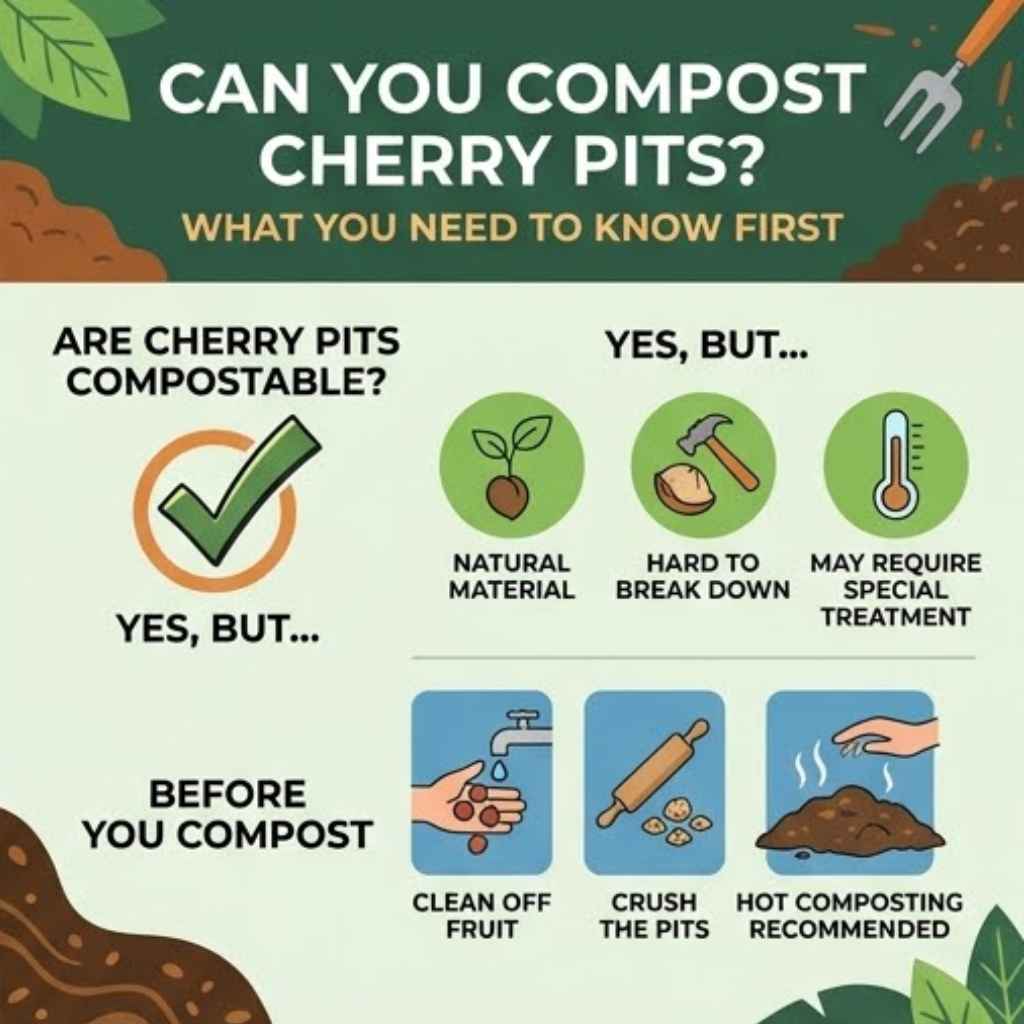
Yes, you can compost cherry pits. They are organic matter that will break down over time. However, they take a long time to decompose and can be hard on your compost pile’s balance. It’s best to limit the amount you add or pre-treat them if possible.
What Are Cherry Pits?
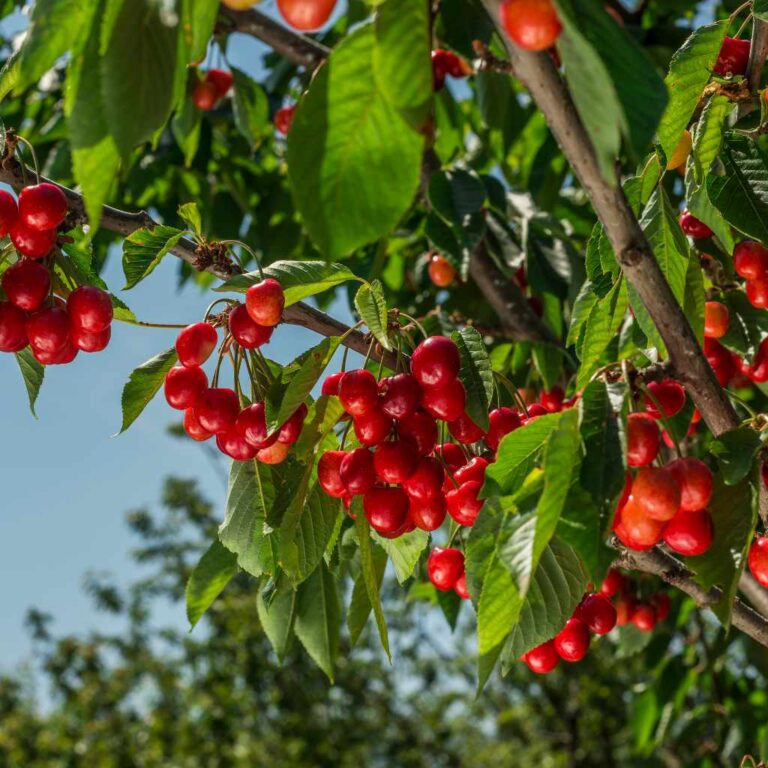
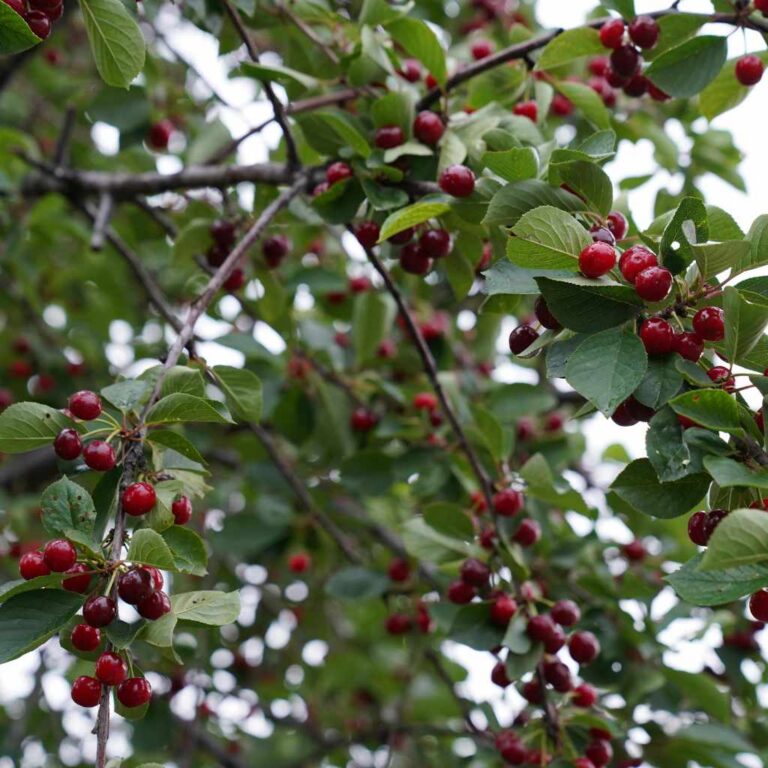
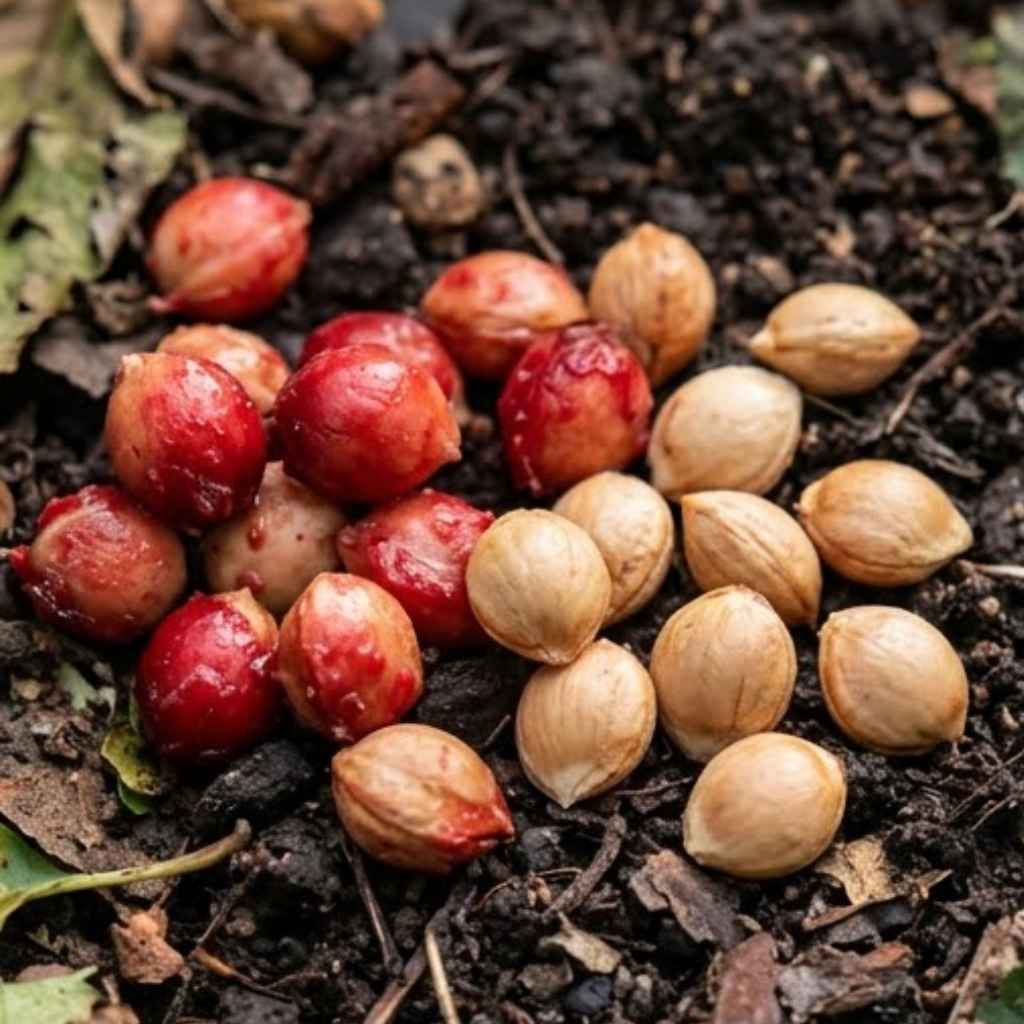
Cherry pits are the hard seeds found inside cherries. They are small but very tough. People often spit them out when eating fresh cherries.
These pits are made of a hard shell. This shell protects the kernel inside. The pit itself is mostly woody material.
When you eat cherries, you usually have quite a few pits. Thinking about where they go is part of good composting. These pits are a common food scrap for many households.
Understanding their nature helps us compost better. They are not soft like fruit pulp. They are also not leafy like vegetable peels.
Why Composting Cherry Pits Matters
Composting is about turning waste into something useful. It helps reduce what goes to the landfill. When you compost, you create nutrient-rich soil.
This soil is great for plants. But adding the wrong things can harm your compost. Cherry pits fall into a grey area.
They are organic. They will break down eventually. But they do it very slowly.
If you add too many, they can make your compost pile sit there. They won’t heat up well. This can slow down the whole process.
It might even stop it. Knowing about them helps you manage your compost pile. You want a healthy, active compost.
One that breaks things down fast. This way, you get compost sooner. You also avoid problems.
How Cherry Pits Break Down (or Don’t)
Cherry pits are built to last. Their hard outer shell is a natural defense. It protects the seed inside.
This shell is made of cellulose and lignin. These are tough materials. They break down very slowly in a compost pile.
Think of them like small pieces of wood. They need a lot of time and the right conditions.
For compost to work well, it needs a good mix. It needs “greens” (like food scraps) and “browns” (like dry leaves). It also needs moisture and air.
Cherry pits are dense. They don’t hold much moisture. They don’t offer much nitrogen.
This means they don’t feed the microbes much. The microbes are the little workers in your compost pile.
So, while a cherry pit is organic, it’s not a prime food source for your compost critters. They are more like a challenge. A challenge that can bog down your efforts if you give it too many.
The pit’s structure makes it hard for microbes to access its insides. It’s like trying to eat a nut with a really thick shell. You need tools, or a lot of time.
My Cherry Pit Story
I remember one summer. I had a big bowl of fresh cherries. I ate them all.
I was so proud of myself for composting the stems and fruit bits. Then I looked at the pile of pits. My first thought was, “These are natural, so they must be fine for compost!” I tossed them all in.
Big mistake.
A few weeks later, I checked on my compost. It was not hot. It was not breaking down like usual.
It just sat there, a bit damp and… unimpressive. I poked around. I found the cherry pits.
They looked exactly the same. They were hard and shiny. My whole pile seemed stuck.
I felt a bit silly. I had learned that not all organic things are equal in compost.
I had to dig them out. It took time. I felt frustrated.
I had wanted compost faster. Now I had to wait even longer. This taught me a valuable lesson.
It’s about balance. It’s about understanding what helps and what hinders. Cherry pits, I learned, can hinder if you add too many.
Now I am much more careful.
Cherry Pit Compost Checklist
Is it compostable? Yes, eventually.
How fast? Very slow. Months to years.
What’s the problem? Hard shells, slow breakdown, can unbalance pile.
Best practice? Add sparingly or avoid.
Real-World Context: Cherry Pits in Your Kitchen
Most people encounter cherry pits in the kitchen. You eat fresh cherries. Maybe you bake with them.
You might buy canned or frozen cherries. If you buy fresh cherries, you will have pits. If you buy cherries for pies, you might pit them yourself.
This creates a lot of pits at once.
In an American home, people tend to eat cherries in the summer. This means a surge of pits during that season. If you have a small compost bin, a lot of pits can make a big impact.
Think about a pound of cherries. That’s a lot of pits! If you just toss them all in, it’s like adding small stones.
Consider how you dispose of them. Are you actively composting? Or do you just have a small bin?
The size of your compost effort matters. A large, hot compost pile can handle a few pits. A smaller, cooler pile might struggle.
It’s all about managing the inputs.
What This Means for Your Compost Pile
When you add cherry pits, they don’t add much to your compost’s “food” for microbes. They don’t have much nitrogen. They are mostly carbon, but in a hard-to-digest form.
This means they don’t help heat up the pile. A hot compost pile kills weed seeds and bad germs. Slow decomposition means less of that.
Also, the pits can create air pockets. This isn’t always bad. But if there are too many, they can prevent good mixing.
They can block moisture from reaching other materials. This can lead to a smelly, anaerobic (without air) pile. Nobody wants that!
The main thing to understand is that it’s about volume. A handful of pits now and then? Probably fine.
A whole bowl full every day? Not so good. It can slow down your entire composting process.
You want your compost to turn into rich soil. It shouldn’t be full of hard pits for months.
When It’s Normal to Find Cherry Pits
It’s normal to find cherry pits in your compost if you eat fresh cherries. It’s also normal if you are actively trying to compost everything. You might accidentally drop a few in.
This happens. A few stray pits are not a disaster. They will eventually break down.
It’s also normal if your compost takes a long time to finish. If you know you added a lot of pits, you might expect a slower cycle. This is okay.
You just need to be patient. Just don’t expect finished compost in a few weeks. It will take much longer.
What’s not normal is if your compost pile stops working. If it gets smelly. If it doesn’t heat up at all.
And you know you added a lot of cherry pits. That’s when you might worry. It means the pits are likely causing an imbalance.
They are too much of a hard thing for the microbes to handle.
Quick Fixes & Tips for Cherry Pits
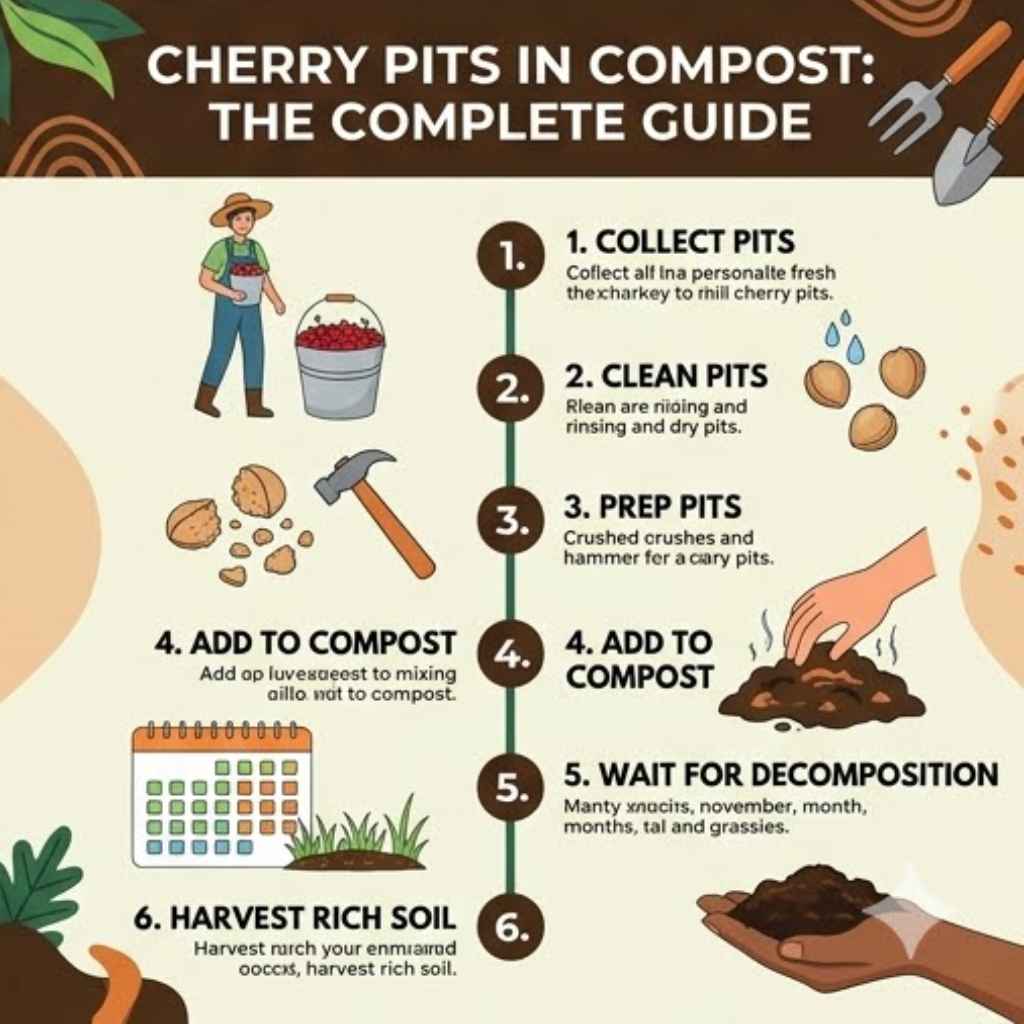
If you really want to compost cherry pits, here are a few ideas. First, crush them. If you can break them open, the inside is more accessible.
You could use a hammer or a strong blender. This helps a lot. But it’s a lot of work for pits!
Second, add them sparingly. Just a few here and there is much better than a large batch. Think of them as an occasional treat for your compost, not a main course.
Mix them well with other materials. Don’t let them pile up in one spot.
Third, pre-treat them. Some people soak them in water for a while. Others bury them in a separate spot to break down first.
This is more effort. But it can help. If you have a large compost system, it’s less of an issue.
For home composters, it’s something to think about.
Another tip is to chop them up if you can. Smaller pieces break down faster. But cherry pits are very hard.
So chopping them might not be easy. Think about what works for you. Do you have a strong blender?
Or a way to crush them? If not, maybe it’s best to just leave them out.
Frequently Asked Questions About Cherry Pits in Compost
Are cherry pits bad for compost?
Cherry pits are not inherently “bad” for compost. They are organic and will break down. However, they break down very slowly due to their hard shell.
Adding too many can slow down your compost pile’s decomposition process and create an imbalance.
How long does it take for cherry pits to compost?
Cherry pits take a very long time to compost. This can be anywhere from several months to over a year, or even longer. Their hard outer shell protects the seed inside and resists microbial action.
Faster composting requires them to be broken down first.
Should I crush cherry pits before composting?
Crushing cherry pits before composting can help them break down faster. Breaking the hard shell exposes the inner material to microbes. You can crush them with a hammer or a strong blender.
However, this requires extra effort.
Can I put cherry stems in compost?
Yes, cherry stems are generally fine for compost. They are much softer than the pits. Stems are considered “greens” or nitrogen-rich material.
They will break down relatively quickly and add valuable nutrients to your compost pile.
What happens if I add too many cherry pits?
If you add too many cherry pits, your compost pile might stop heating up. Decomposition will slow significantly. The pile can become anaerobic (lack of air), leading to unpleasant smells.
They can also create air pockets, hindering proper moisture distribution and mixing.
Are there any benefits to composting cherry pits?
The main benefit is that they are organic matter, so they eventually contribute to the compost. They add carbon to the mix. However, the slow breakdown means their benefits are delayed.
They are not a “superfood” for your compost like fresh grass clippings or coffee grounds.
What other hard fruit seeds should I avoid composting?
Similar to cherry pits, other hard fruit seeds like peach pits, plum pits, and avocado pits also break down very slowly. It’s generally advised to compost these sparingly or avoid them to maintain a healthy, fast-working compost pile. Softer seeds, like those from berries, are usually fine.
Conclusion: A Little Goes a Long Way
So, can you compost cherry pits? Yes, technically. But should you toss them in by the handful?
Probably not. They are a tough ingredient. They need time.
They can slow things down if you add too many. Treat them with care. Add them sparingly.
Or consider crushing them first.
Your compost bin is a living system. Give it the right food. Keep it balanced.
And it will reward you with amazing soil. Understanding ingredients like cherry pits helps you do just that. Happy composting!