Can You Cook With Wild Cherry Wood? Flavor Facts Revealed
So, you’re standing there, maybe by a pile of wood, or perhaps you’ve just found some lovely branches. You’re thinking about firing up the grill or the smoker. And then the question pops into your head: “Can I cook with wild cherry wood?” It’s a smart question.
The wrong wood can ruin a meal. The right wood can make it amazing.
This is a common thought for anyone who loves to cook outdoors. You want that perfect smoky flavor. You’ve heard about hickory, mesquite, and oak.
But what about that wild cherry? Does it have a place on your next barbecue?
We’re going to dive deep into this. We’ll uncover what makes wild cherry wood special for cooking. You’ll learn about its taste.
We’ll talk about what foods it works best with. And we’ll cover important things you need to know before you use it. Get ready to get some clear answers.
Yes, you can cook with wild cherry wood. It offers a mild, sweet, and slightly fruity smoke flavor that is excellent for a variety of meats and vegetables. It is less intense than stronger woods like hickory or mesquite, making it a versatile choice for both smoking and grilling. Proper preparation and understanding its smoke profile are key to delicious results.
What Is Wild Cherry Wood for Cooking?
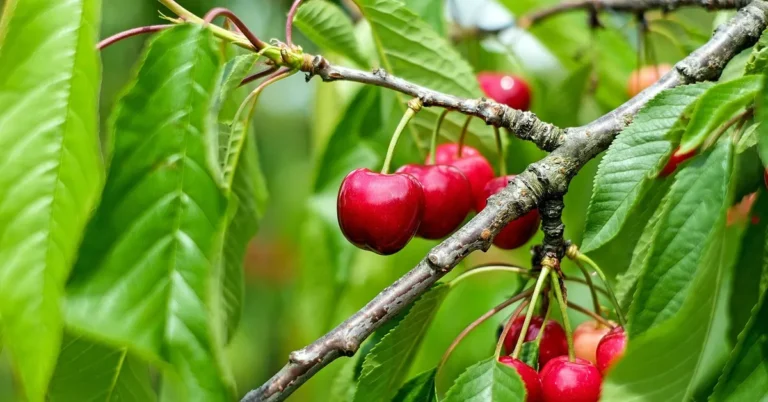
When we talk about cooking with wood, we mean wood that you burn to create smoke. This smoke then flavors your food. Wild cherry wood comes from cherry trees that grow naturally.
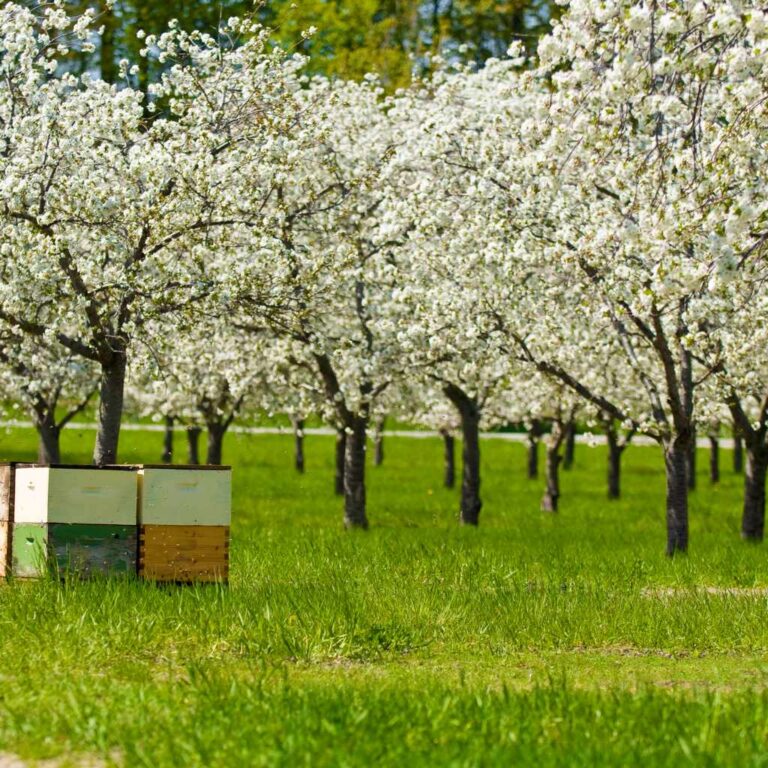
These are not the trees you find in an orchard that are grown for fruit. These trees are usually older and have more character. Their wood has a different makeup.
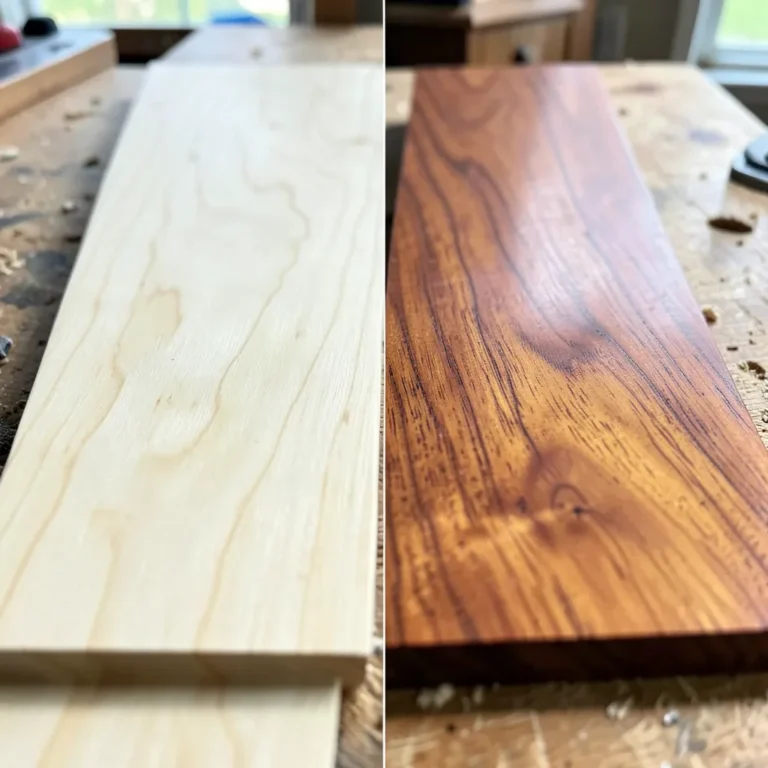
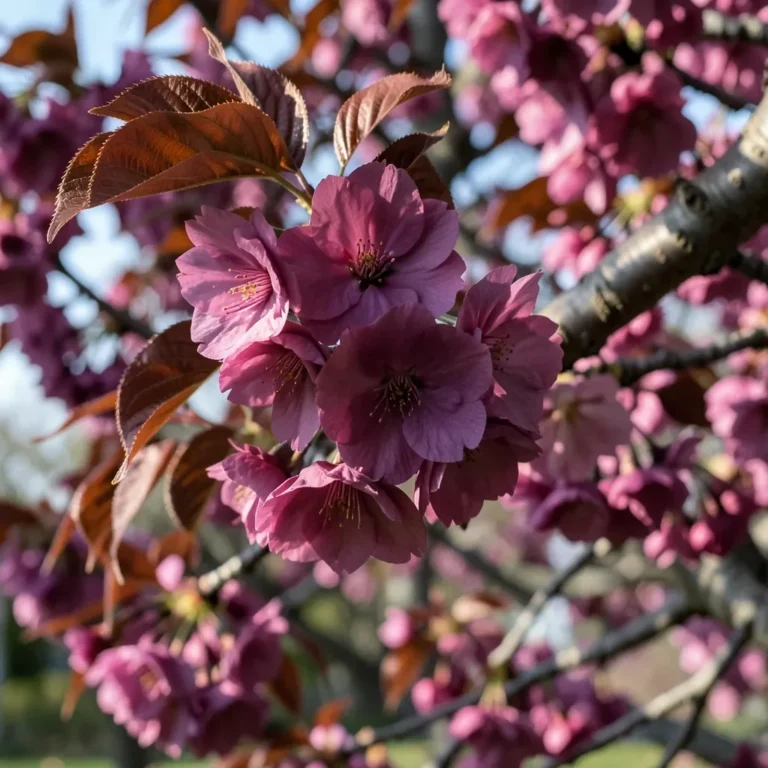
The tree itself is known for its beautiful bark and sometimes its pretty flowers. The wood is often used for furniture because it looks nice and is easy to work with. For cooking, we are interested in the smoke it produces.
The kind of tree matters. A sweet cherry tree wood will taste different from a sour cherry tree wood. But for cooking, the general term “cherry wood” is often used.
The smoke from cherry wood is usually described as mild. It’s not overpowering. This is good because it won’t make your food taste bitter or harsh.
It has a pleasant aroma as it burns. This smell hints at the taste it will give your food. It’s a subtle, sweet scent.
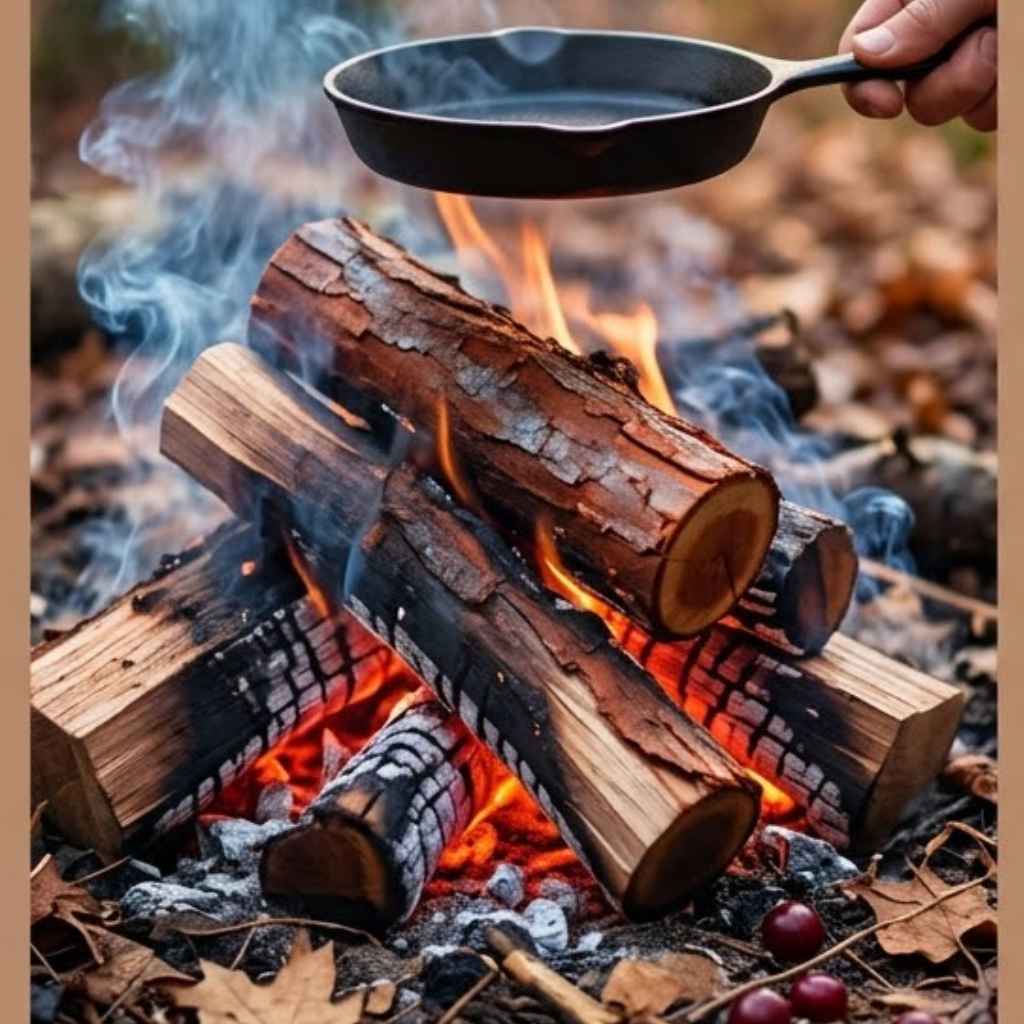
Think of a gentle campfire smell, but with a touch of sweetness.
Cherry wood burns fairly hot. This means it can create good heat for grilling. When you use it for smoking, it produces a nice, steady smoke.
This steady smoke is what helps to infuse the food with flavor over a longer period. It’s a bit like adding a secret ingredient to your cooking process.
Many people find cherry wood to be one of the most versatile woods available. It’s not too strong, not too weak. It’s a good middle-ground.
This makes it a favorite for many backyard cooks. It works well for beginners and experienced pitmasters alike. You don’t have to be afraid to try it.
My First Time Using Cherry Wood for Smoking
I remember my first real attempt at smoking a pork shoulder. I had always used store-bought wood chips. They were okay, but I wanted more.
I found a local guy who sold seasoned firewood. He had bags of what he called “wild cherry.” It looked beautiful, with a nice reddish hue.
I was nervous. My pork shoulder was a big cut of meat. The last thing I wanted was to mess it up with the wrong wood.
I had heard cherry was mild. I thought, “How bad could it be?” I cut the logs into smaller pieces suitable for my smoker. I soaked some of them, but then I remembered reading that soaking isn’t always best for smoking.
So, I decided to try some dry. I got my smoker going. The cherry wood started to smolder.
The smell that filled my backyard was amazing. It was sweet, with a hint of fruit. It wasn’t the sharp, acrid smell you sometimes get from other woods.
This already felt promising. The smoke was a nice, thin blue. That’s a good sign for flavor.
As the pork shoulder cooked, the smell got even better. It was a lovely, sweet aroma. When it was finally time to pull the meat, I was excited.
The bark was a deep, rich color. The taste? It was fantastic.
The smoke flavor was present but not overwhelming. It had a subtle sweetness that complemented the pork perfectly. It didn’t taste like cherry candy, thankfully.
It was just a pleasant, smoky depth. That experience turned me into a cherry wood fan.
Cherry Wood Flavor Profile
Taste: Mild, Sweet, Slightly Fruity
Aroma: Pleasant, Gentle, Sweet Smoke
Intensity: Low to Medium
Best For: Pork, Poultry, Beef, Lamb, Fish, Vegetables
What Foods Pair Best with Cherry Wood?
The mild and sweet nature of cherry wood makes it incredibly versatile. It doesn’t bully the food you’re cooking. Instead, it enhances it.
This means you can use it for a wide range of dishes. Think about what flavors you want to highlight.
Pork: This is probably where cherry wood shines the brightest. Pork has a natural sweetness and fat content that pairs beautifully with cherry smoke. Ribs, pork shoulder (pulled pork), pork loin, and even pork chops all take on a wonderful flavor.
The sweetness of the cherry complements the pork without making it taste like dessert. It creates a lovely, balanced taste.
Poultry: Chicken, turkey, and duck are also excellent candidates. The white meat of chicken and turkey can sometimes be a bit bland on its own. Cherry smoke adds a subtle depth that makes them much more interesting.
For duck, which has a richer flavor, cherry wood adds a nice contrast. It works well for whole birds, breasts, or wings.
Beef: While stronger woods like oak or mesquite are often favored for beef brisket or ribs, cherry wood can be a delightful change. It’s particularly good for lighter beef cuts like roasts, steaks, or even burgers. If you want a more nuanced smoky flavor on your steak, try cherry wood chunks or chips.
Lamb: Lamb has a distinct flavor that can be overpowering if paired with too strong a smoke. Cherry wood provides a gentler smoke that complements the natural richness of lamb without masking it. Try it on lamb chops or a leg of lamb.
Fish: Delicate fish like salmon, trout, or even cod can be beautifully flavored with cherry wood. The key here is to use it for shorter smoking times or at lower temperatures. You don’t want to over-smoke the fish.
A light touch is best. It can give fish a lovely, subtle smoky crust.
Vegetables: Don’t forget the veggies! Cherry wood can add a fantastic flavor to grilled or smoked vegetables. Think corn on the cob, asparagus, bell peppers, onions, and even potatoes.
It gives them a subtle smoky sweetness that makes them irresistible. It’s also great for pizzas cooked on a smoker.
The general rule of thumb is this: if the food is naturally a bit sweet or rich, cherry wood will likely be a good match. If the food is very delicate, use cherry wood sparingly. You want the food to taste like itself, with a hint of smoke, not like a pile of burning wood.
When to Choose Cherry Wood
Great For:
- Pork: Ribs, pulled pork, loin
- Poultry: Chicken, turkey, duck
- Mild Beef Cuts: Roasts, burgers
- Delicate Meats: Lamb
- Seafood: Salmon, trout
- Vegetables: Corn, peppers, onions
- Desserts: Smoked fruit cobblers
Use With Caution:
- Very delicate white fish
- When you want a very strong, pungent smoke
Is Wild Cherry Wood Safe to Cook With?
This is a really important question. You’re putting this wood in your mouth, essentially. Generally, yes, wild cherry wood is safe to cook with, provided it’s prepared correctly and comes from a safe source.
But there are crucial things to consider to ensure safety and the best flavor.
Source Matters: The most important factor is where you get your wood. You want wood that has not been treated with chemicals. This includes pesticides, preservatives, or anything artificial.
Wood from lumber yards or places that treat wood for construction is a big no-no. It could contain toxins that are harmful when burned and inhaled or ingested.
The best sources are often local arborists or firewood suppliers who specialize in cooking wood. They understand what makes wood suitable for consumption. If you cut it yourself, make sure it’s from a tree that hasn’t been sprayed.
Look for wild trees away from heavily farmed or treated areas.
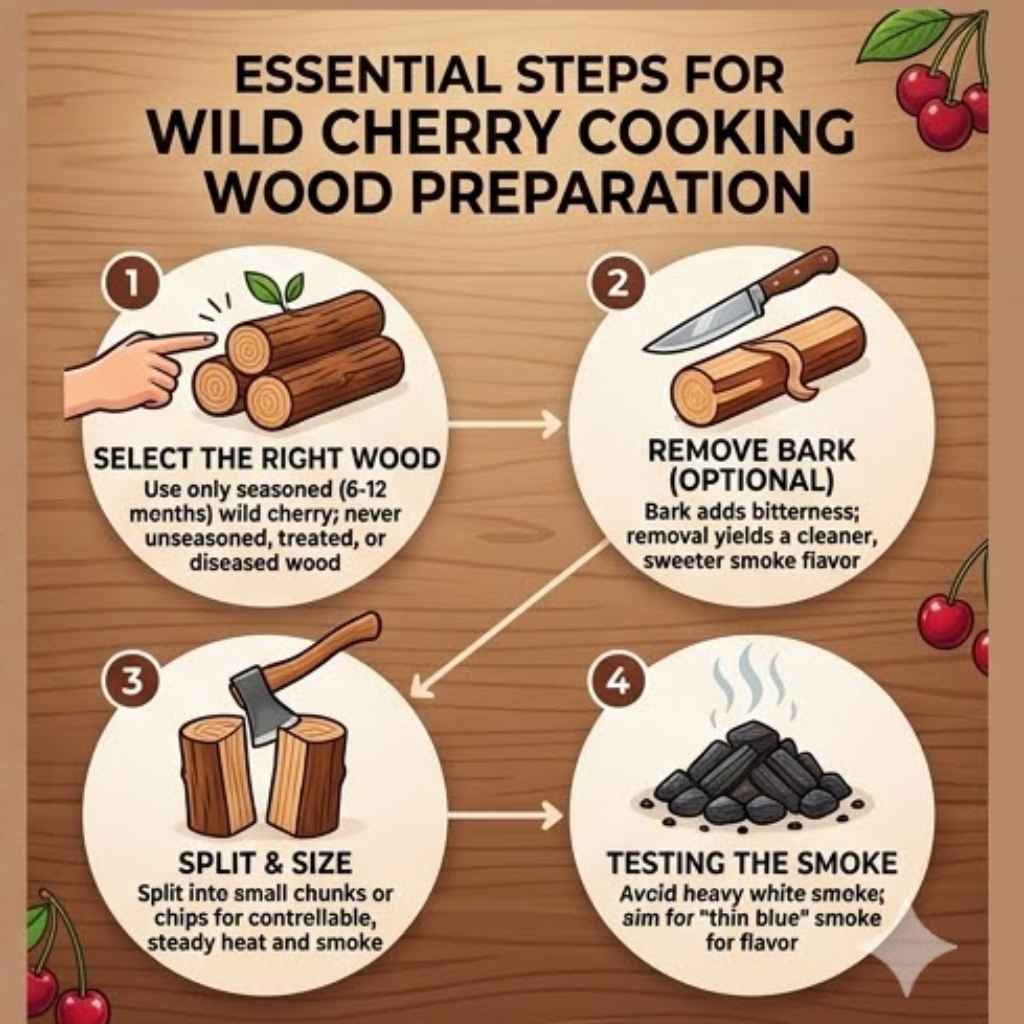
Seasoning is Key: Wood needs to be seasoned. This means it needs to be dried out. Freshly cut wood (green wood) has a lot of moisture.
When you burn green wood, it produces a lot of acrid, bitter smoke. This bitter smoke can ruin your food. It tastes unpleasant and can be harsh on your throat.
Seasoned wood has been dried for at least six months to a year. This drying process allows the moisture to leave. It also helps to reduce the production of creosote.
Creosote is a tar-like substance that can build up in your smoker or grill. It’s also responsible for that nasty, bitter taste.
You can tell if wood is seasoned by looking at it. It usually has cracks at the ends. It will feel lighter than green wood.
When you knock two pieces together, it should make a hollow sound, not a dull thud. Seasoned wood burns hotter and produces a cleaner, more flavorful smoke.
Avoid Diseased or Rotten Wood: Never use wood that is visibly rotten, moldy, or diseased. This kind of wood can produce mold spores and other unpleasant or potentially harmful elements when burned. Always inspect the wood carefully before use.
Know Your Tree Species: While cherry wood is generally safe, it’s always good to be sure you know what tree you are working with. Some woods can be toxic or produce very undesirable smoke. If you are unsure, it’s better to err on the side of caution and stick to known, safe cooking woods.
For cherry, look for the characteristic bark patterns and leaf shapes to confirm.
When you use properly sourced and seasoned wild cherry wood, you are adding a natural, safe flavor enhancer to your cooking. It’s all about making smart choices about your ingredients, including your fuel.
Cherry Wood Safety Checklist
Source Safely:
- Use wood from untreated trees.
- Avoid lumberyard or treated wood.
- Prefer seasoned firewood suppliers.
Prepare Properly:
- Ensure wood is seasoned (air-dried 6-12 months).
- Check for cracks and light weight.
- Do not use green, moldy, or diseased wood.
Identify Correctly:
- Be sure it is indeed cherry wood.
- If in doubt, don’t use it for cooking.
How to Prepare Wild Cherry Wood for Cooking
Getting your wild cherry wood ready for the fire is a simple process, but it makes a big difference. The goal is to get the wood burning cleanly and producing good smoke. The way you prepare it depends on whether you are grilling or smoking.
You also need to think about the size of your cooking appliance.
For Smoking: When smoking, you generally want a steady, consistent smoke. This means you’ll likely be using wood chunks or logs. If you found larger pieces of wild cherry, you’ll need to cut them down.
Aim for pieces that are roughly the size of your fist, or slightly smaller if you have a smaller smoker.
These chunks will smolder slowly over time. You might need 2-4 chunks at a time, depending on your smoker and how long you plan to cook. Place the wood chunks directly on the coals (if using charcoal) or in the smoke tube/tray of your pellet smoker or electric smoker.
The key is to let the wood heat up and start to smolder, producing smoke, before you put your food on.
Some people like to soak wood chunks in water for about 30 minutes to an hour. The idea is that this makes the wood smolder longer. However, many experienced pitmasters find that soaking wood can actually produce more steam and less flavorful smoke, especially for longer cooks.
For cherry wood, I often prefer to use it dry. This allows for a cleaner, sweeter smoke right from the start.
For Grilling: If you’re grilling and want to add a smoky flavor, you’ll likely use wood chips or smaller pieces. You can buy wood chips specifically for grilling, or you can cut your own cherry wood into smaller, chip-sized pieces. You might also use what are called “wood packets” or “foil packets.”
To make a foil packet, take a handful of cherry wood chips. Wrap them tightly in aluminum foil. Poke a few small holes in the top.
Place this packet directly on the hot coals or over the burner on a gas grill. When the packet gets hot, the wood inside will start to smoke. Place your food next to or above the packet to get the smoky flavor.
Another common method for grilling is to place the chips directly on the hot coals. If you have a gas grill, you might have a smoker box where you can place the chips. You’ll want to keep an eye on the chips.
They burn faster than chunks. You may need to add more every 20-30 minutes to keep the smoke going.
Sizing Matters: Regardless of your method, ensure the wood pieces are a size appropriate for your grill or smoker. Too large, and they won’t burn effectively. Too small, and they’ll burn up too quickly, giving you a burst of smoke and then nothing.
Always start with seasoned wood. If your wood seems too dry and burns too fast, you can sometimes use a spray bottle with water to lightly mist the wood. This can help it smolder longer.
But be careful not to douse it, or you’ll create steam and kill the fire.
Wood Preparation Quick Guide
Smoking (Chunks/Logs):
- Cut into fist-sized pieces.
- Use dry wood for cleaner smoke.
- Place on coals or in smoker tray.
- Add 2-4 pieces as needed.
Grilling (Chips/Small Pieces):
- Cut into chip-sized pieces or use pre-made chips.
- Use foil packets or place directly on coals.
- Replenish every 20-30 minutes.
Grilling vs. Smoking with Cherry Wood
There’s a subtle difference in how cherry wood performs depending on whether you are grilling or smoking. Both methods leverage the wood’s flavor, but the intensity and duration of the smoke application vary.
Grilling: When you grill, you’re usually cooking at higher temperatures for shorter periods. You might be searing steaks, cooking chicken breasts, or finishing burgers. Adding cherry wood here is about imparting a quick burst of flavor.
You’re not looking for a deep, slow smoke infusion. Wood chips in a foil packet or smoker box work well for this.
The smoke from cherry wood on a grill adds a pleasant aroma and a light smoky note to the char. It’s like a little whisper of smoke that complements the grill marks and the natural flavors of the food. It’s an easy way to elevate everyday grilling.
Smoking: Smoking is a different beast. This is where you cook food at lower temperatures for extended periods. The goal is to have the food absorb the smoke flavor deeply.
Cherry wood chunks or logs are best for smoking. They smolder slowly, producing a consistent, thin blue smoke for hours.
The mild, sweet flavor of cherry wood is fantastic for long smokes. It penetrates the meat without becoming bitter or overpowering. This makes it ideal for things like pulled pork or smoked turkey.
The smoke slowly works its magic, tenderizing the meat and infusing it with that lovely cherry essence.
Think of it this way: grilling with cherry wood is like adding a light perfume. Smoking with cherry wood is like giving your food a long, flavorful bath.
Real-World Context: What to Expect in Your Backyard
In real American backyards, cooking with wild cherry wood is a common practice. Many people discover it by chance. They might have a cherry tree in their yard that needs trimming or removal.
Instead of just throwing the branches away, they look for alternative uses. Cooking is a popular one.
You’ll find that cherry wood burns with a nice, steady flame if it’s seasoned. It doesn’t flare up wildly like some drier woods can. This makes it easier to control the heat on your grill.
In the smoker, it produces that coveted thin blue smoke. Thick white smoke is generally to be avoided, as it’s usually too harsh.
People often notice the smell first. They’ll be grilling or smoking, and their neighbors might comment on the pleasant, sweet aroma wafting through the air. It’s a very inviting smell.
It’s less aggressive than the smell of mesquite or hickory, which some people find too strong.
You’ll see people using cherry wood with all sorts of grills and smokers. From simple charcoal kettles to elaborate offset smokers and pellet grills, cherry wood can adapt. The size of the wood pieces you use is usually the main adjustment needed.
For instance, pellet grills often require smaller pellets, but you can often find or make larger chunks for certain types of feeders.
Home cooks also experiment. Some blend cherry wood with other woods. For example, a mix of cherry and oak can give a beautiful balance of sweet and savory smoke.
A little bit of cherry with a lot of hickory can round out the stronger flavor. This experimentation is part of the fun of outdoor cooking.
Cherry Wood in Action: Common Scenarios
Scenario 1: The Backyard BBQ
- Setting: Saturday afternoon, family gathering.
- Method: Smoking pork ribs.
- Wood Used: Dry cherry wood chunks.
- Result: Ribs have a beautiful reddish-brown bark and a mild, sweet smoke flavor that kids and adults enjoy.
Scenario 2: The Weeknight Grill
- Setting: Tuesday evening, quick dinner.
- Method: Grilling chicken breasts.
- Wood Used: Cherry wood chips in a foil packet.
- Result: Chicken is juicy with a subtle smoky char and aroma.
When Is Cherry Wood Smoke Normal vs. Concerning?
Like any cooking process, there are signs that tell you things are going well, and signs that suggest something might be wrong. With cherry wood smoke, these are usually related to its color, smell, and how it affects your food.
Normal Smoke:
- Color: Thin, wispy, and often described as blueish or greyish. This is the clean smoke that carries the best flavor.
- Smell: Pleasant, sweet, and slightly fruity. It should smell inviting and not harsh or acrid.
- Taste: A subtle, mild smokiness that complements the food without dominating it. You should taste the food itself, with a pleasant smoky finish.
- Effect on Food: Creates a nice bark (crust) on meats, often a reddish-brown color, and tenderizes food without making it bitter.
Concerning Smoke:
- Color: Thick, dense, and white or greyish-white. This is usually a sign of incomplete combustion or using green (unseasoned) wood. It’s often referred to as “dirty” smoke.
- Smell: Acrid, bitter, like burnt plastic or strong chemicals. It might sting your eyes or make you cough.
- Taste: Bitter, harsh, or chemical-like. It can make your food completely inedible.
- Effect on Food: Can leave a bitter residue on the surface of your food, making it unappetizing. It can also give your food a sooty appearance.
If you notice concerning smoke, the first thing to do is check your wood. Is it seasoned? Is it from a reliable source?
If you’re using a charcoal grill, try adjusting your airflow. More air often leads to cleaner burning. If you’re in a smoker, ensure the temperature is stable and the wood has a chance to smolder properly, not just smolder from lack of oxygen.
Sometimes, a brief period of white smoke at the very beginning as the wood ignites is normal. But this should quickly transition to thin blue smoke. If it stays thick and white, you need to troubleshoot.
Tips for Using Wild Cherry Wood Effectively
To get the most out of your wild cherry wood, here are a few practical tips that can make your cooking experience much better. These are things I’ve learned over time, sometimes the hard way.
Start Small: If you’re new to cherry wood, begin with a smaller amount. Use fewer chunks or chips than you might with a stronger wood. You can always add more smoke if you feel it’s needed.
It’s much harder to take smoke flavor away once it’s on the food.
Blend It: Cherry wood is fantastic on its own, but it also plays well with others. Try mixing it with oak for a classic BBQ flavor, or with a touch of pecan for a nuttier note. This can give you more complex flavor profiles.
A common blend is 70% oak and 30% cherry.
Watch the Smoke Color: Remember, thin blue smoke is your friend. If you see thick white smoke, try to adjust your ventilation. Open up vents on your grill or smoker.
This gives the wood more oxygen to burn cleanly. This is critical for avoiding bitter flavors.
Consider the Cooking Time: For quick grilling, use chips that produce smoke for a shorter period. For long smoking sessions, use chunks or logs that will smolder for hours. Match the wood size and form to your cooking method.
Taste Your Food First: Always taste the food before you add more smoke. Sometimes, you might think it needs more smoke when it actually has a perfect balance. The goal is to enhance the food’s natural taste, not to overpower it.
Don’t Over-Soak: While some people soak wood, it’s not always necessary or beneficial, especially for cherry. Experiment with both dry and soaked wood to see what you prefer. For many, dry wood offers a cleaner, sweeter smoke.
Clean Your Equipment: Regularly clean your grill and smoker. Buildup can affect how wood burns and impart unwanted flavors. A clean cooking environment is essential for good results.
Cherry Wood Quick Tips
Start Light: Use less wood initially, then add more if needed.
Mix and Match: Combine cherry with other woods like oak or pecan.
Watch the Smoke: Aim for thin blue smoke, not thick white smoke.
Match Size: Use chips for grilling, chunks for smoking.
Taste Often: Don’t assume more smoke is always better.
Dry is Good: Try using dry wood for a cleaner flavor.
Frequently Asked Questions About Wild Cherry Wood
Can I use branches from any cherry tree for cooking?
Ideally, yes, from any wild cherry tree. However, always ensure the tree has not been treated with pesticides or chemicals. It’s also crucial that the wood is properly seasoned (air-dried for at least 6-12 months) and free from rot or disease.
If you’re unsure about the tree’s history, it’s best to use wood from a reputable cooking wood supplier.
How long does cherry wood smoke flavor last?
The smoke flavor is imparted during the cooking process. Once the food is removed from the smoke, the flavor is “set.” For heavily smoked items like pork shoulder, the flavor can be very noticeable even days later when reheated. For grilled items, the smoky taste is usually most prominent when the food is fresh off the grill.
Is cherry wood too mild for beef brisket?
Cherry wood is generally considered mild. For a traditional, robust brisket flavor, many pitmasters prefer stronger woods like oak, hickory, or a blend. However, if you prefer a subtler smoke profile on your brisket, cherry wood can work beautifully.
You might use it in combination with a stronger wood to achieve a balanced flavor.
What is the difference between wild cherry and orchard cherry wood?
While both come from cherry trees, “wild” cherry often refers to trees that grow naturally and might be older, potentially with a more complex wood structure. Orchard cherry trees are cultivated for their fruit. The wood from both can be used for cooking, but the subtle flavor nuances might differ slightly based on the specific species and growing conditions.
For cooking purposes, the terms are often used interchangeably.
Can I burn cherry wood indoors like in a fireplace?
Cherry wood burns well and produces a pleasant aroma, making it suitable for fireplaces and wood stoves. However, it’s important to use seasoned wood. Burning green wood indoors can create excess creosote, which is a fire hazard in chimneys.
Always ensure proper ventilation and safe burning practices if using it for home heating.
How much cherry wood should I use for a 3-hour smoke?
For a 3-hour smoke on a typical offset smoker or a kettle grill set up for indirect heat, you might start with 2-4 fist-sized chunks of dry cherry wood. The exact amount depends on your smoker’s efficiency and the desired smoke level. It’s often best to add one chunk at a time every hour or so, monitoring the smoke color and flavor intensity as you go.
You want a consistent, light smoke.
Bringing It All Together: Your Cherry Wood Journey
So, can you cook with wild cherry wood? Absolutely! It’s a wonderful choice for anyone looking to add a touch of gentle sweetness and a pleasant aroma to their grilled or smoked dishes.
Its mild, fruity profile makes it incredibly adaptable, working harmoniously with pork, poultry, and even delicate fish and vegetables.
Remember the keys to success: source your wood carefully, ensure it’s well-seasoned, and prepare it appropriately for your cooking method. Watch that smoke color, listen to the subtle hints of flavor, and don’t be afraid to experiment.
Your journey with wild cherry wood is about discovery. It’s about taking simple ingredients and turning them into something special with a little help from nature’s flavor. Enjoy the process, and more importantly, enjoy the delicious results!
Sponsored / affiliate links. As an Amazon Associate I earn from qualifying purchases. I may earn additional commission from eligible campaigns.