Can You Buy Cherry Blossoms? Where To Find Them Easily
The short answer is a resounding yes, you can buy cherry blossoms! But it’s not as simple as picking a bouquet at the grocery store. We’re talking about buying a whole tree. Getting a flowering cherry tree for your own home can be a wonderfully rewarding experience. Imagine your own yard bursting with color each spring. It truly is a dream for many gardeners and nature lovers.
This article is here to guide you. We’ll explore exactly where you can find these trees. We’ll also cover what to look for. You’ll learn about different types. We’ll help you understand how to choose the best one for your space. Getting the right tree means many years of beautiful blooms. So, let’s dive in and make that spring dream a reality for you.
The easiest way to buy cherry blossoms is by purchasing a flowering cherry tree from a reputable nursery, garden center, or online plant retailer. These trees are specifically grown for their ornamental value, offering beautiful spring blooms in various colors and sizes suitable for different garden spaces.
Understanding Cherry Blossom Trees
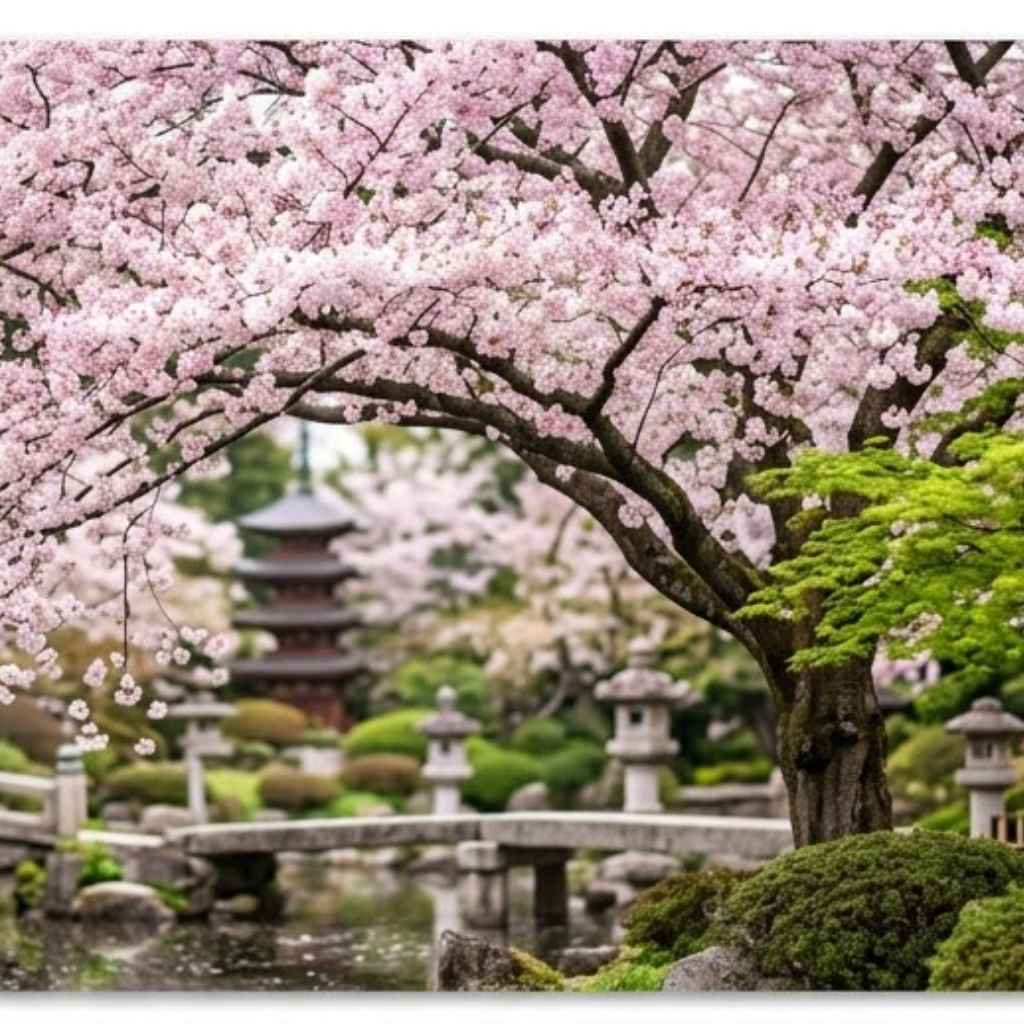
When people say “cherry blossoms,” they often think of the iconic pink flowers that appear in spring. These trees are part of the Prunus genus. This is a large group of flowering and fruiting plants. Not all cherry trees produce edible fruit. Many are grown just for their stunning flowers. These are called ornamental cherry trees. They are famous worldwide for their showy spring display.
These trees are a symbol of spring’s arrival. They also represent renewal and hope. In Japan, the tradition of ‘hanami’ celebrates the blooming of cherry blossoms. People gather under the trees for picnics and parties. It’s a time to appreciate nature’s beauty. Bringing this beauty to your own home is possible with the right tree selection.
The flowers can range from pure white to deep pink. Some varieties even have double petals, making them look extra full and fluffy. The blooming period is usually quite short. It often lasts only a week or two. This fleeting beauty makes them even more special and appreciated when they do appear.
Where to Buy Cherry Blossom Trees
So, you’re ready to buy! That’s fantastic. The good news is that finding a flowering cherry tree is quite achievable. There are several reliable places you can look. Each has its own advantages. Understanding these options will help you find the perfect tree for your needs.
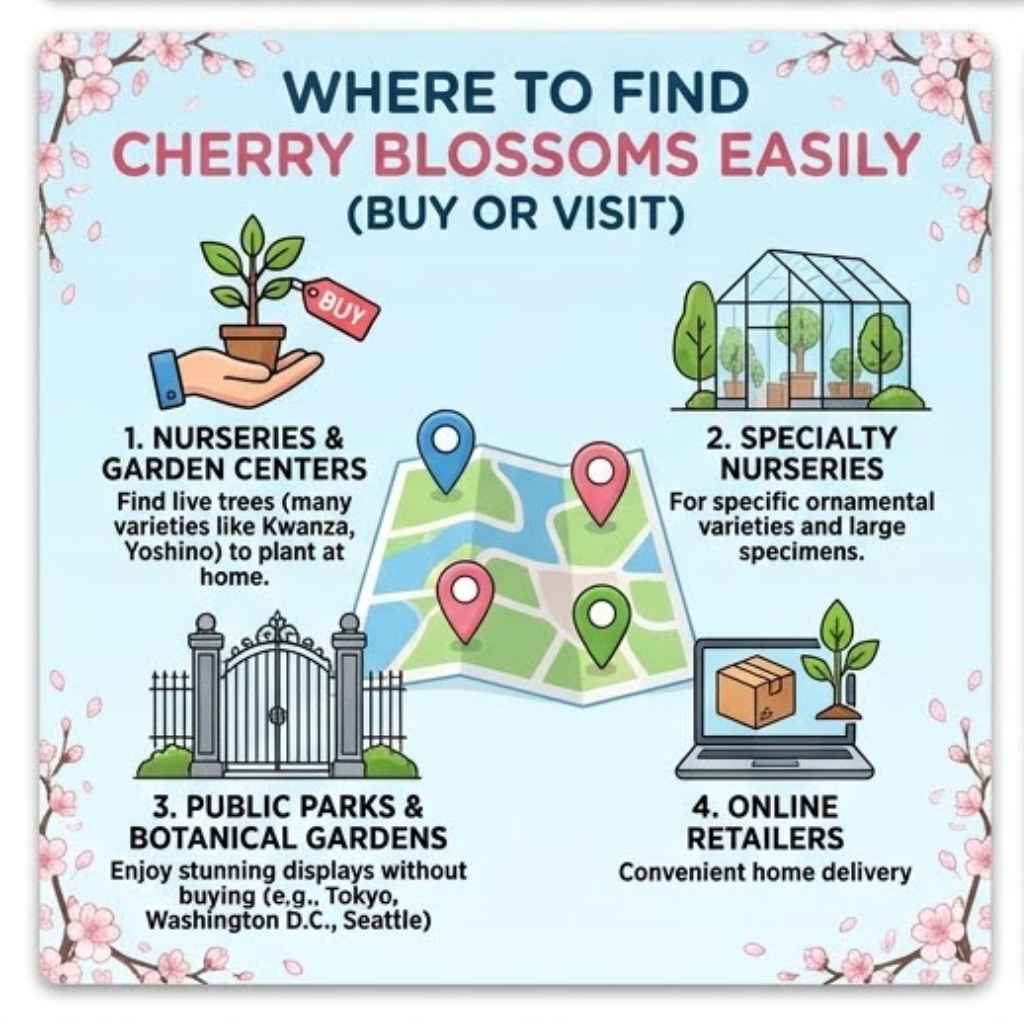
The most common places to find these trees are local nurseries and garden centers. These stores are great because you can often see the trees in person. You can check their health and shape. The staff can also offer advice. They know what grows well in your area. They can help you pick a variety suited to your climate and soil.
Another excellent option is online plant retailers. Many reputable companies ship trees directly to your door. This is very convenient. It also often gives you access to a wider selection of varieties. You might find rare or specialty types online that your local store doesn’t carry. Be sure to buy from well-known and trusted online nurseries.
For those looking for something specific, like a certain bloom color or tree shape, specialty growers are a good bet. These are nurseries that focus on particular types of plants, like ornamental trees. They often have deep expertise and can offer unique specimens. They might also be able to order something specific for you.
Top Places to Find Cherry Blossom Trees
- Local Nurseries & Garden Centers: See trees in person, get local advice.
- Online Plant Retailers: Wide selection, convenient delivery, specialty varieties.
- Specialty Growers: Expert knowledge, unique or rare specimens.
- Home Improvement Stores (Seasonal): Sometimes carry a selection, but often limited.
Choosing the Right Cherry Blossom Tree
Buying the tree is just the first step. Making sure you choose the right one is key to long-term happiness. There are many factors to consider. These will help ensure your tree thrives and brings you joy for years to come.
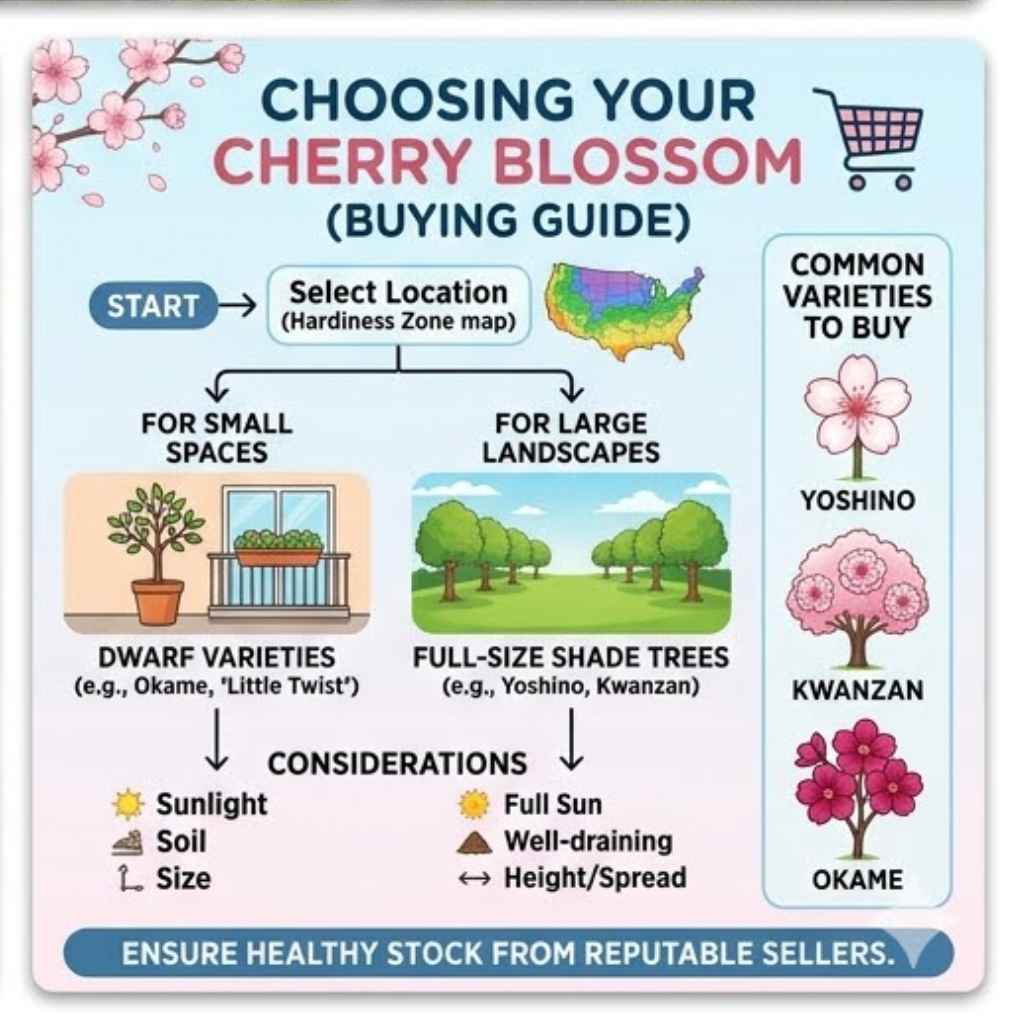
Size Matters: Cherry trees come in various sizes. Some are small, weeping trees that stay under 10 feet. Others are large, upright trees that can grow 30 feet or more. Think about your yard. Do you have a large open space? Or is it a small patio garden? Pick a tree that will fit comfortably when it’s fully grown. This prevents future problems.
Bloom Color and Type: Do you prefer delicate pink? Or maybe classic white? Some trees have single petals, while others have fuller, double petals. Consider the look you want. Popular pink varieties include ‘Kwanzan’ and ‘Kiku-shidare-zakura’ (weeping). For white, ‘Snow Fountains’ is a lovely weeping option.
Climate and Hardiness: This is super important. Cherry trees have specific temperature needs. Make sure the variety you choose is suited for your U.S. Department of Agriculture (USDA) plant hardiness zone. A tree that’s not hardy enough for your winters won’t survive. A local nursery can help with this. They know what works best in your region.
Disease Resistance: Some cherry tree varieties are more prone to certain diseases than others. Look for information on disease resistance when you buy. This can save you a lot of heartache and effort later. Reputable sellers will provide this information.
Sunlight and Soil: Most cherry trees need full sun. That means at least six hours of direct sunlight per day. They also prefer well-drained soil. Avoid planting them in areas where water sits after rain. Poor drainage can lead to root rot, which is often fatal for these trees.
Quick Tree Selection Guide
Key Questions to Ask Yourself:
- How much space do I have for a mature tree?
- What bloom color do I prefer (pink, white, red)?
- What is my USDA hardiness zone?
- Do I want a weeping or upright tree shape?
- Will the planting spot get at least 6 hours of sun daily?
Popular Types of Cherry Blossom Trees to Buy
When you start looking, you’ll see many names. Some varieties are more common and widely available than others. Knowing a few popular types can help you navigate the choices. You can then ask for them by name or recognize them when you see them.
One of the most famous is the ‘Kwanzan’ Cherry. This is a double-flowered cherry. Its blooms are a vibrant pink. It typically grows into an upright tree, reaching about 20-30 feet tall and wide. ‘Kwanzan’ is a very popular choice for its showy flowers and sturdy form. It’s a classic for a reason.
For a weeping effect, the ‘Weeping Snow Fountain’ Cherry is a fantastic option. This tree has pure white flowers that dangle gracefully. It has a beautiful cascading form. It usually stays smaller, around 10-15 feet tall. This makes it a great choice for smaller gardens or as a specimen tree.
The ‘Yoshino’ Cherry is known for its masses of fragrant, pale pink to white flowers. It’s often seen in Washington D.C.’s famous cherry blossom displays. It can grow into a large, spreading tree, often 30-50 feet tall and wide. This one is a bit more majestic and suits larger landscapes.
Another beautiful variety is the ‘Pink Snow Showers’ Cherry. This is another weeping type with delicate pink flowers. It creates a lovely curtain of blooms. It’s a favorite for its graceful appearance and abundant flowers. It typically grows to about 10-15 feet tall.
Don’t forget about the ‘Okame’ Cherry. This is one of the earliest bloomers. It offers bright pink flowers. It’s known for being quite vigorous and disease-resistant. It usually grows as an upright, spreading tree, reaching about 20-30 feet in height.
Common Cherry Blossom Varieties
| Variety Name | Bloom Color | Tree Form | Approx. Mature Height |
|---|---|---|---|
| Kwanzan | Bright Pink | Upright | 20-30 feet |
| Weeping Snow Fountain | White | Weeping | 10-15 feet |
| Yoshino | Pale Pink/White | Spreading | 30-50 feet |
| Pink Snow Showers | Delicate Pink | Weeping | 10-15 feet |
| Okame | Bright Pink | Upright/Spreading | 20-30 feet |
When to Buy Your Cherry Blossom Tree
The timing of your purchase matters. You can buy cherry trees at different times of the year. However, some times are better for planting than others. This ensures the tree has the best chance to establish its roots before facing harsh weather.
The best time to buy and plant most ornamental cherry trees is during their dormant season. This is typically in the fall or early spring. Fall planting allows the tree’s roots to grow and settle in before winter. It can then focus its energy on leafing out and blooming in spring.
Early spring planting is also very effective. This is after the danger of hard frost has passed, but before the tree starts actively growing and leafing out. This gives the tree a good window to establish itself before the heat of summer arrives. Many nurseries stock their trees heavily in the spring.
While you might see cherry trees for sale in the summer, it’s generally not the ideal time to plant them. The heat and potential drought can stress a newly planted tree. If you buy one in the summer, you’ll need to be very diligent with watering. It’s often best to wait until fall for planting.
Buying when the tree is not in bloom might seem less exciting. However, it’s often when the trees are healthiest and most available. You’ll be buying a bare-root or containerized plant that will show its true beauty in its first spring in your garden.
Caring for Your New Cherry Blossom Tree
Once you’ve bought your beautiful cherry blossom tree, you’ll want to keep it healthy and vibrant. Caring for it properly is not overly complicated. It just requires a little attention, especially in the first year or two.
Watering: Newly planted trees need consistent moisture. Water deeply after planting. Keep the soil moist, but not waterlogged, especially during the first growing season. As the tree matures, it will become more drought-tolerant. However, during long dry spells, supplemental watering is still a good idea.
Mulching: Apply a layer of organic mulch, like wood chips or shredded bark, around the base of the tree. Keep the mulch a few inches away from the trunk itself. Mulch helps retain soil moisture, suppress weeds, and regulate soil temperature. This is really beneficial for the tree’s roots.
Fertilizing: Most ornamental cherry trees don’t need a lot of fertilizer. Over-fertilizing can actually harm them. If your soil is poor, a light application of a balanced, slow-release fertilizer in the early spring might be helpful. It’s often best to get a soil test first.
Pruning: Pruning is generally minimal for ornamental cherries. The main goal is to remove any dead, damaged, or crossing branches. You can also prune to shape the tree and maintain its size. The best time to prune is usually right after the blooms fade in late spring or early summer. This avoids cutting off next year’s flower buds.
Pest and Disease Watch: Keep an eye out for common issues like aphids, borers, or fungal diseases. Good cultural practices, like proper watering and air circulation, help prevent many problems. If you notice an issue, identify it quickly. Many problems can be managed with simple treatments. Always choose treatments that are safe for ornamental trees.
Essential Care Steps
Water: Keep soil consistently moist for the first year. Water deeply during dry spells for mature trees.
Mulch: Apply a 2-3 inch layer around the base, keeping it away from the trunk.
Prune: Remove dead or damaged branches. Prune for shape after flowering.
Observe: Regularly check for signs of pests or diseases.
When to Expect Blooms After Planting
You’ve bought the tree, planted it carefully, and are now eagerly awaiting those beautiful blossoms. It’s natural to wonder when you’ll see them. Patience is often rewarded with these trees.
If you plant your cherry tree in the fall or early spring, you might see a few flowers in its very first spring. This isn’t always guaranteed, though. The tree is still establishing its root system. Its main priority is growing stronger.
The most significant bloom display usually happens in the second or third spring after planting. By this time, the tree has had ample opportunity to settle into its new home. Its root system will be well-developed. It will have stored enough energy to produce a good number of flowers.
The intensity of the bloom can vary from year to year. This depends on weather conditions. A mild winter followed by a moderate spring is ideal. Extreme cold snaps or late frosts can damage the flower buds. This can lead to fewer blooms that year.
Don’t be discouraged if your first year doesn’t produce a spectacular show. Focus on providing good care. Each year, your tree will become more established and more beautiful. The wait for those breathtaking blossoms is often worth it.
Can You Buy Cherry Blossom Branches?
Sometimes, you might just want a few branches for an indoor arrangement. This is different from buying a whole tree. Yes, you can often buy cherry blossom branches. This is usually done closer to or during the blooming season.
Florists are a primary source for cut cherry blossom branches. They get them from growers who harvest them specifically for floral arrangements. You can often order them for events or just to bring some spring color indoors. These branches are usually quite expensive due to their temporary beauty.
Some flower markets or specialty floral suppliers may also sell them. If you live in an area where cherry trees are abundant, you might even find them at local farmers’ markets during bloom time. Always ensure the seller is harvesting sustainably and legally.
It’s important to note that cut branches have a very short vase life. They might only last a few days to a week indoors. This is because they are removed from their root system. They can’t sustain themselves for long.
If you’re considering cutting branches from a tree yourself, please be extremely cautious. Never cut from public parks or without explicit permission from the tree’s owner. Improper cutting can damage the tree. It can also lead to disease entry points. It’s always best to purchase them from a professional source.
Buying Branches vs. Buying Trees
Buying Branches:
- Pros: Immediate floral display, no long-term garden commitment.
- Cons: Expensive, short vase life, limited availability (seasonal).
- Sources: Florists, floral markets.
Buying Trees:
- Pros: Long-term beauty, enhances garden, can symbolize growth.
- Cons: Requires planting, space, and ongoing care; blooms are seasonal.
- Sources: Nurseries, garden centers, online retailers.
Real-World Context: My First Cherry Tree Experience
I remember the first time I decided to buy a cherry blossom tree. It was a crisp autumn day, and I was feeling inspired by a visit to a botanical garden. The sight of those delicate pink blooms still lingered in my mind. I wanted that magic in my own backyard. My yard isn’t huge, so I knew I needed something smaller. I headed to my local nursery.
Wandering through the rows of trees, I saw many options. The helpful associate pointed me toward the ornamental cherries. I spotted a lovely weeping variety. It was in a container and looked healthy, with strong branches. The tag said “Pink Snow Showers.” It was exactly what I pictured – graceful and elegant. I nervously asked if it was too late to plant. “Perfect timing,” they said reassuringly.
Bringing it home felt like bringing a piece of spring magic into my garden early. I dug a hole, carefully placed the tree, and watered it thoroughly. That first winter was a bit anxious. I kept wondering if it would survive the cold. Come spring, I held my breath. And there they were! Not a massive explosion, but a delicate scattering of soft pink blossoms. It was a small miracle. It wasn’t overwhelming, but it was beautiful. It made me feel so proud of my little tree.
What This Means for You
So, what’s the takeaway from all this? It means that the dream of having your own cherry blossoms is very much within reach. You don’t need a sprawling estate. You can find trees that fit even modest garden spaces. The key is choosing wisely and caring for your tree properly.
When it’s normal: It’s normal to buy a cherry blossom tree from a garden center or online. It’s also normal to plant it in fall or early spring. Seeing a few blooms in the first spring is great. Expecting a full display by the second or third year is also normal.
When to worry: You might worry if your tree shows signs of disease or severe pest infestation. Also, if it fails to leaf out after a couple of years despite proper care, something might be wrong. Sometimes, trees planted in the wrong spot (too wet, too shady) struggle.
Simple checks: Regularly check the bark for cracks or oozing. Look at the leaves for spots or wilting. Make sure the soil isn’t constantly soggy. A healthy tree has vibrant green leaves and a strong structure. Don’t be afraid to ask for help from a local nursery if you’re unsure.
Purchasing and growing a flowering cherry tree is an investment in beauty. It’s an experience that brings the joy of spring to your doorstep year after year. With the right information, you can make a confident choice and enjoy many seasons of stunning floral displays.
Quick Fixes & Tips for Cherry Blossom Owners
While cherry blossom trees are generally hardy, a few common issues can pop up. Here are some simple tips to keep your tree looking its best.
Problem: Lack of Blooms
- Possible Cause: Tree is too young.
- Tip: Be patient; full blooms often take 2-3 years.
- Possible Cause: Poor pruning.
- Tip: Avoid pruning in late fall or winter, as this removes flower buds. Prune right after blooming.
- Possible Cause: Not enough sun.
- Tip: Ensure the tree gets at least 6 hours of direct sun daily.
Problem: Yellowing Leaves (not during fall)
- Possible Cause: Overwatering or poor drainage.
- Tip: Check soil moisture. Let it dry slightly between waterings. Ensure the planting site drains well.
- Possible Cause: Nutrient deficiency.
- Tip: Consider a soil test. A light feeding with a balanced fertilizer in spring might help if needed.
Problem: Pests (e.g., aphids)
- Possible Cause: Common garden pests.
- Tip: A strong spray of water can dislodge many aphids. For persistent infestations, insecticidal soap can be effective.
Tip: Always read and follow product labels for any treatments. Healthy trees are less susceptible to pests and diseases. Good air circulation around the tree is also beneficial.
Frequent Questions About Buying Cherry Blossom Trees
Can I grow a cherry blossom tree in a pot?
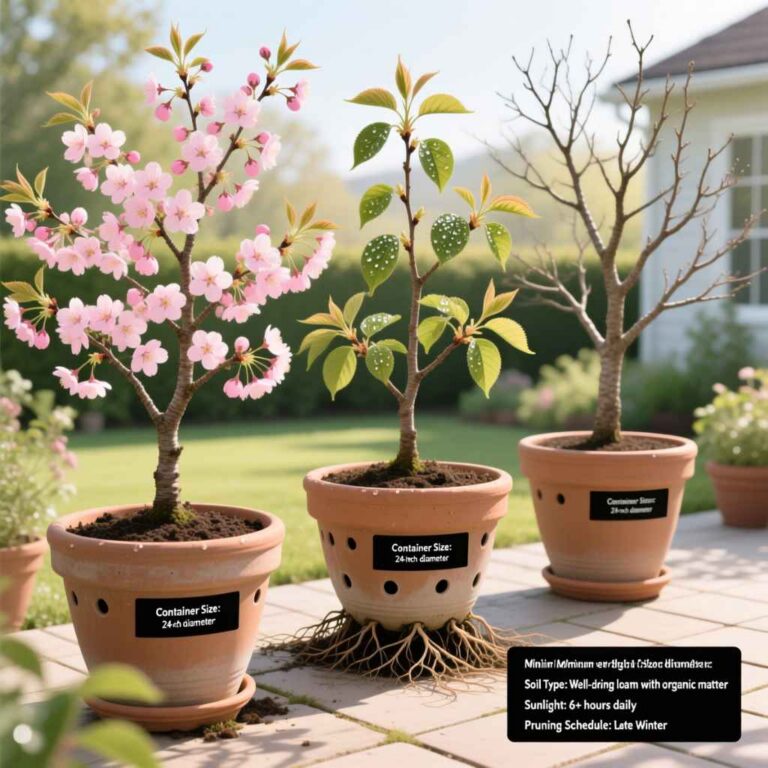
Yes, you can grow some smaller or dwarf varieties of cherry blossom trees in large pots. Look for compact or weeping types. Ensure the pot has excellent drainage. You’ll need to water it more frequently than a tree in the ground. Repotting every few years might be necessary.
How long does a cherry blossom tree live?
Ornamental cherry blossom trees can live for a long time, often 50 to 100 years or even longer, with good care. Their lifespan depends on the variety, growing conditions, and how well they are maintained. Some older trees become quite majestic.
Do cherry blossom trees attract bees?
Yes, cherry blossom trees are very attractive to bees and other pollinators. Their flowers provide an early source of nectar and pollen when little else is blooming. This is great for your garden’s ecosystem.
Is it better to buy a bare-root or containerized cherry tree?
Both have pros and cons. Bare-root trees are often less expensive and easier to ship. They must be planted immediately while dormant. Containerized trees can be planted almost any time the ground isn’t frozen. They are generally easier to handle and often have a slightly faster start, though they can sometimes be root-bound.
Do cherry blossom trees drop a lot of petals?
Yes, when cherry blossoms are at their peak and start to fall, they create a beautiful carpet of petals underneath the tree. This is a natural part of their life cycle. It’s part of the charm and fleeting beauty of these trees. You will need to sweep them up occasionally from patios or walkways.
Are cherry blossom trees messy?
They can be considered ‘messy’ by some due to fallen petals during their bloom. Some varieties also drop small fruit or leaves. However, compared to many other flowering trees, they are generally quite tidy. The beauty of the blooms usually outweighs any minor clean-up needed.
Conclusion
Bringing the breathtaking beauty of cherry blossoms into your own space is a wonderful goal. You can absolutely buy cherry blossom trees. By choosing the right variety for your climate and garden size, and by providing a little care, you can enjoy their stunning spring displays for many years. Happy planting!
Sponsored / affiliate links. As an Amazon Associate I earn from qualifying purchases. I may earn additional commission from eligible campaigns.