Best Cutting Board Oils for Food Safety (2026): we compared
USP white mineral oil is often treated as a default choice for many wood cutting boards; a mineral-oil and beeswax blend may offer more water resistance. Skipping food-safe conditioning lets boards dry, crack, and absorb odors and stains. This guide compares mineral oil, blends, and plant-based options by board condition, scent, ingredient list, and maintenance needs.
Quick comparison
| Product | Badge | Best for | Price | ||
|---|---|---|---|---|---|
 |
GOOD FOR WOOD Food Grade Mineral Oil for Cutting Boards 16Good For Wood | Our pick | 16 oz · Food grade mineral oil | $13.99
Price as of 9 Oct 2026
|
View |
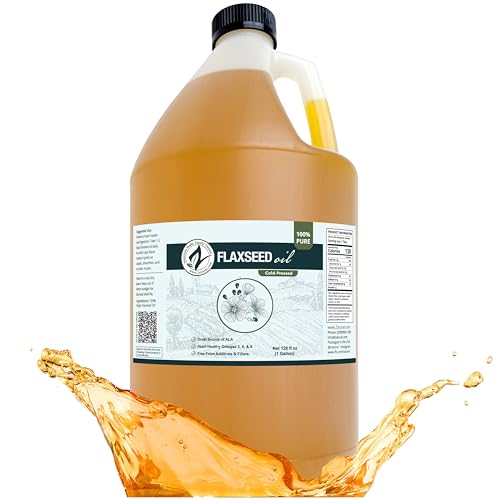 |
Zatural Cold Pressed Flaxseed Oil – 100% Pure Non-GMOZatural | Pair with it | 1 gallon · Cold-pressed flaxseed oil | $48.99
Price as of 9 Oct 2026
|
View |
 |
Wood Butter 4 fl oz Cutting Board Wax Conditioner forMacy’s Place | Upgrade pick | 4 fl oz · Mineral oil & beeswax | $9.95
Price as of 9 Oct 2026
|
View |
 |
Premium Natural Beeswax Polish for Wood & Furniture, FoodRhoose Point Remedies | Also great | 3.5 fl oz · Natural beeswax polish | $16.99
Price as of 9 Oct 2026
|
View |
The core trade-off is simple: plain food-grade mineral oil is the broadest, lowest-drama choice for unfinished wood, while blends and waxes trade some simplicity for scent, water resistance, or ingredient preferences. Spray packaging changes application format, not conditioning power.
How we chose these products
The comparison focuses on label clarity, food-contact suitability, ingredient profile, and how each product fits a specific board-care job. It also weighs format, because a spray bottle, a squeeze bottle, and a paste do not solve the same problem.
This guide is part of our Wood cutting board safety guide series.
We prioritized products that clearly state what they are: mineral oil, mineral-oil-free conditioning oil, wax finish, or wood butter. That separation matters because oiling, waxing, washing, and sanitizing are different tasks.
For buying decisions, bottle size and price-per-ounce matter, but only after the fit is right. A larger container is not a better buy if the formula, scent, or format does not suit the board or the user.
Food-grade mineral oil: best overall for most boards
Plain food-grade mineral oil is the usual starting point for unfinished wood cutting boards and butcher blocks. Look for 100% pure, USP-grade, or food-safe wording, an unscented formula, and a label that says it is meant for wood cutting boards.
This type of oil soaks into dry wood, slows moisture loss, and helps the surface look more even. It does not sanitize, repair warped boards, or close cracks that have already formed.
Skip it only if you need a mineral-oil-free formula, want a scented blend, or are buying a final topcoat after conditioning. For most boards, though, it is the clearest and safest starting point.
Who it fits
Choose plain mineral oil if you want a neutral, food-contact-safe conditioner for a wood or bamboo board. It also fits owners who want the fewest ingredient questions and no added fragrance.
What to look for on the label
Look for “100% pure” and “USP-grade” or “food-grade mineral oil.” Those terms point to an unscented, simple product for conditioning wood rather than a fragrance blend or a wax paste.
When to skip it
Skip plain mineral oil if you avoid mineral-derived ingredients, prefer a plant-based formula, or want a surface finish with more water beading after conditioning. It is also not the right fix for a split board or a warped one.
Caron & Doucet Cutting Board Oil: best mineral-oil-free option
This is the pick for buyers who want a mineral-oil-free board oil and accept a more ingredient-specific formula. The listed profile uses refined coconut oil and pure essential oils, and its directions suggest roughly 30 minutes for absorption.
It fits users who want to avoid mineral oil or who prefer a plant-based positioning. The trade-off is that essential oils can be a poor fit for scent-sensitive households, and a scented product is not the broadest default for food-contact care.
Its biggest strength is preference matching, not universal simplicity. If you want unscented, low-odor, one-ingredient care for a heavily used family board, plain mineral oil is still the cleaner default.
Ingredient profile
The product uses refined coconut oil and pure essential oils, which makes it a mineral-oil-free option. That matters for buyers with ingredient rules, vegan preferences, or an aversion to petroleum-derived mineral oil.
Who should choose it
Choose it if you want a mineral-oil-free board oil and are comfortable with a scented formula. It is also a reasonable fit if your purchase decision starts with ingredient policy instead of cost per ounce alone.
When it is not the best fit
It is not the best fit if you want an unscented food-contact product or if essential oils are a concern around food prep. It also does not replace a wax finish if your goal is a later topcoat.
Howard Products Cutting Board Oil: best for simple, unscented care
This is the cleanest no-frills mineral-oil option in the group. Howard lists the oil as 100% pure, USP food-grade mineral oil, and that wording is the label clue many buyers want for a straightforward board conditioner.
Howard also says to use at least two coats on a new unfinished board, with about an hour between coats. That makes it useful for first-time conditioning, not just routine top-ups.
The drawback is that it is still plain mineral oil, so it will not satisfy mineral-oil-free buyers. It is also a liquid conditioner, not a wax topcoat.
Why the USP-grade claim matters
USP-grade and food-grade wording helps separate a board-care product from a random household oil. For cutting boards, that label language is the practical buying clue because the goal is safe food-contact conditioning, not cooking oil flavor.
How its directions differ on new boards
Howard’s directions are more specific than many competitors: at least two coats on a new unfinished board, and about an hour between coats. That matters because new wood often drinks in the first coat fast and needs follow-up.
Best use case
Choose it for an unfinished board that needs basic conditioning without scent or extra ingredients. It is also a good fit if you want an easy label read and a product that keeps the decision simple.
Sanco Premium Food-Grade Mineral Oil Spray: best spray format
Sanco’s listed version is a 16-ounce spray bottle, and that format is its main selling point. It identifies the formula as 100% pure food-grade mineral oil, so the spray changes dispensing, not conditioning chemistry.
Pick it if you want easier coverage on grooves, edges, or a large butcher block where a spray may help you spread oil quickly. The drawback is that spray packaging can make the product feel more convenient than it is different.
Do not assume a spray conditions better than a squeeze bottle. It is still mineral oil, so the real advantage is application control, not stronger protection.
Why spray format matters
A spray bottle can reduce puddling and help distribute oil on broad surfaces. It can also make routine upkeep less messy when you are treating a large board or a board with routed handles.
What it does and does not change
The spray does not change the oil’s conditioning ability by itself. It does not turn a simple mineral oil into a wax finish or a deeper-penetrating treatment.
Best use case
Choose it if you value dispensing convenience and want a straightforward mineral-oil formula in a spray container. It is a format choice, not a performance upgrade.
Wood Butter 4 fl oz: best finishing layer
Wood butter belongs at the end of the care process, after conditioning, when you want a waxier top layer. This product combines mineral oil and beeswax, which fits the common pattern for a finishing paste on clean, dry wood.
It is best for users who want a bit more surface protection and do not mind a paste rather than a liquid. The trade-off is that wood butter is not a replacement for washing, sanitizing, or regular oiling.
It is also a different job from plain oil. If the board is dry and thirsty, start with oil first; use wood butter after that as a final layer.
What wood butter adds
Wood butter adds a wax component that can leave the board feeling more sealed than oil alone. It is a finishing layer, not the base conditioning step for very dry wood.
When to use it after oiling
Use it after the board has already been conditioned and the surface is clean and dry. That sequence helps the wax sit on top of a board that already has enough oil in the wood fibers.
When not to use it
Do not use wood butter as a substitute for board washing or sanitizing. It is also not the right first step for a new board that has not yet been conditioned.
Which one should you buy?
Choose plain mineral oil if you want the safest default for an unfinished wood board. Choose a mineral-oil-free oil if you avoid mineral oil or need a plant-based ingredient profile. Choose wood butter if you want a waxier topcoat after conditioning. Choose spray packaging if you want easier application, not stronger conditioning.
Choose plain mineral oil if…
You want an unscented, food-contact-safe conditioner with the fewest variables. It is also the best fit for routine maintenance on a board that just looks dry.
Choose mineral-oil-free oil if…
You are avoiding mineral oil for ingredient preference, vegan preference, or personal comfort with a plant-based formula. Expect scent and essential-oil tradeoffs to matter more here.
Choose wood butter if…
You already conditioned the board and now want a wax finishing layer. It makes the most sense on clean, dry wood that needs a final protective step.
Choose spray packaging if…
You want a dispenser that spreads oil quickly over a large or awkward board. The spray helps with application, but it does not change the underlying conditioning job.
How often should you oil a cutting board?
Oil a cutting board whenever the wood looks or feels dry, or when water stops beading on the surface. There is no single universal schedule because board species, humidity, and washing habits all change the pace.
For new unfinished boards, the first few coats matter most, then routine upkeep can slow down. Follow manufacturer directions for exact coat count and timing, especially when a brand gives a specific wait between coats.
Dryness cues to watch
Look for a pale, chalky appearance, rougher feel, or weak water beading. Those are practical signs that the board is asking for more conditioning.
Maintenance routine
- Clean the board and let it dry fully.
- Apply the chosen oil or conditioner in a thin layer.
- Let it absorb for the time listed by the manufacturer.
- Wipe away all excess so the surface is not sticky.
- Reapply when the board looks or feels dry again.
What should you avoid when buying cutting board oil?
Avoid confusing oil with wax or wood butter. Those products solve different problems, and wax is a separate finishing step after conditioning, not a substitute for washing or sanitizing.
Also avoid scented products if you want a neutral food-contact option, because essential oils may not suit everyone. If you have a fragrance-sensitive kitchen, unscented mineral oil is usually the safer buy.
Do not expect any conditioner to fix warping, splits, or deep damage. And do not put wood or bamboo in the dishwasher; Popular Mechanics says wood and bamboo should not be washed that way, and repeated heat and water exposure can shorten a board’s life.
Can you use oil and wax together?
Yes. Oil and wax can work as a sequence, not a substitute for one another. First condition the wood with oil on a clean, dry board, then apply a wax or wood-butter finish if you want a more protective top layer. Wax should never replace washing or sanitizing.
When the combination makes sense
This approach makes sense for a board that already feels hydrated but could use a more water-resistant surface. It is especially useful for a butcher block or display board that sees light cutting and frequent wiping.
When to stop at oil
Stop at oil if you want the simplest food-contact routine or if the board is in regular heavy use. For many kitchen boards, a plain mineral-oil cycle is enough.
Frequently asked questions
what’s the best oil to use on cutting boards
For most unfinished wood boards, 100% pure food-grade mineral oil is the best default. It is unscented, widely used for wood conditioning, and simple to apply. If you want a different ingredient profile, mineral-oil-free blends and wax pastes exist, but they fit narrower needs.
which oil to use on cutting board
Use food-grade mineral oil if you want the broadest, lowest-risk choice for conditioning wood. If you prefer a scent-free product, look for USP-grade or pure food-grade wording. If you want a plant-based alternative, choose a mineral-oil-free formula and accept the scent and ingredient tradeoffs.
what oil is best for a cutting board
The best oil is the one that matches the board’s condition and your ingredient preferences. Plain mineral oil is best for general use. A mineral-oil-free blend fits scent or ingredient limits. Wood butter is better treated as a finishing step after oiling, not as a first-choice conditioner.
should i oil my cutting board
Yes, if the board is unfinished or starting to look dry. Oiling helps slow moisture loss and keeps the wood from drying out unevenly. It will not sanitize the board, and it will not fix warped or cracked wood, so damaged boards need a different solution.
Sponsored / affiliate links. As an Amazon Associate I earn from qualifying purchases. I may earn additional commission from eligible campaigns.