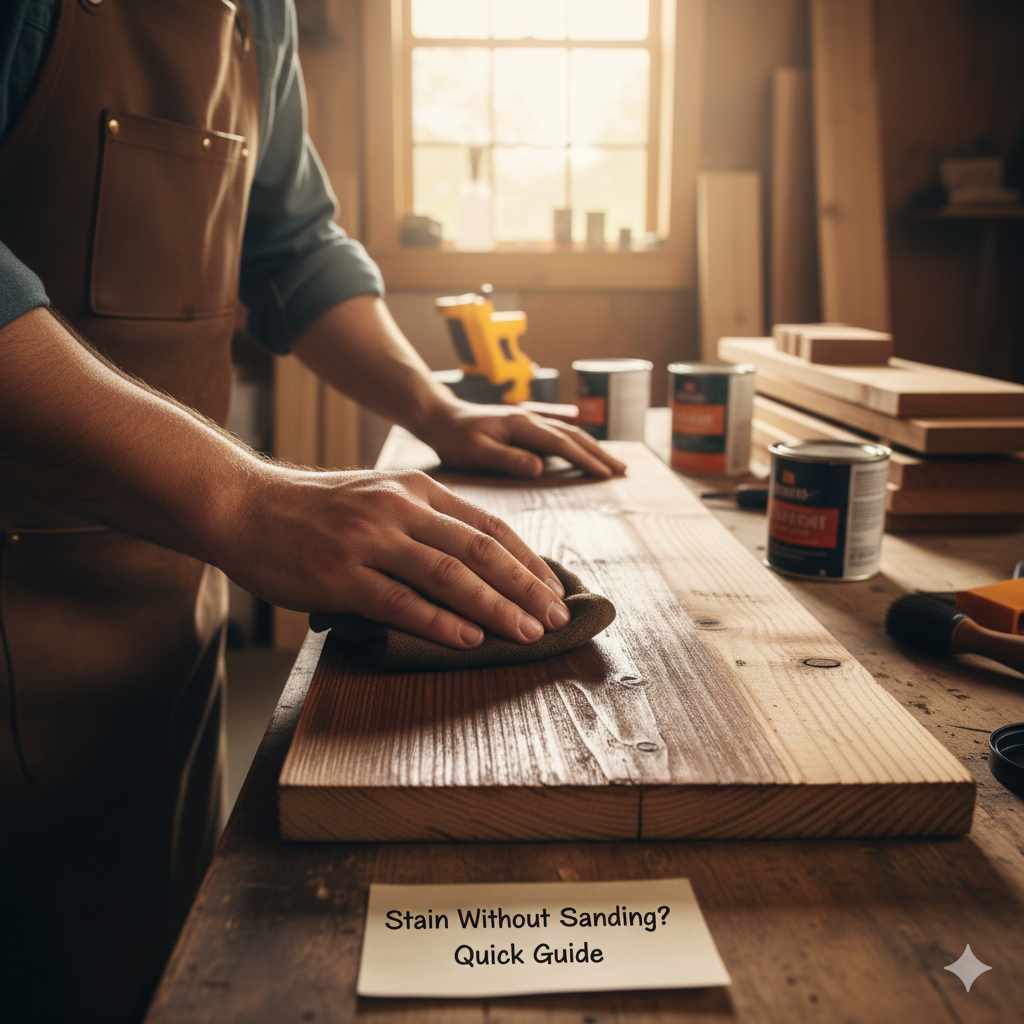
Can I Stain Wood Without Sanding? A Guide for Woodworkers
The question, Can I Stain Wood Without Sanding?, often pops up for people new to wood projects. Sanding seems like a chore, right? It’s messy and takes time. That’s why many people look for shortcuts. The good news? You might be able to skip it! We’re going to explore ways to stain wood without all the extra work. This post offers simple steps and explains when it’s possible. Get ready to learn and make your wood projects even better!
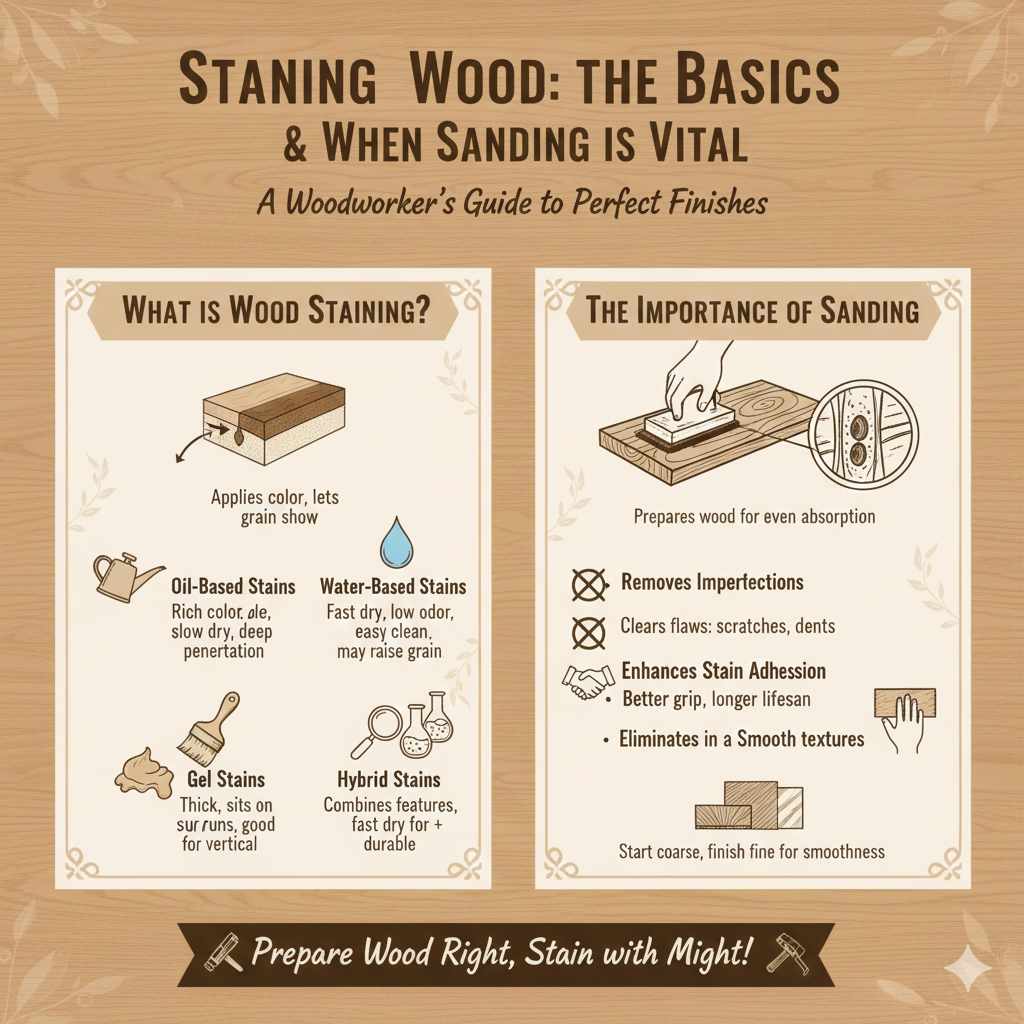
Staining Wood: The Basics and When Sanding Is Vital
Staining wood is a popular way to change its color and highlight its natural beauty. It’s used for everything from furniture to flooring. However, the success of your stain job heavily relies on the wood’s preparation. Sanding is usually the go-to method for getting wood ready. It removes imperfections and creates a smooth surface. This lets the stain soak in evenly and look its best. But sometimes, especially if you’re dealing with a quick touch-up or a project with a unique wood type, avoiding sanding would be fantastic. Let’s explore the essentials of the staining process, and then talk about times when you might skip the sanding step.
What is Wood Staining?
Wood staining is the process of applying a colored finish to wood. This finish soaks into the wood fibers, changing the color while letting the wood’s grain show through. Stains are typically made of pigments, dyes, solvents, and binders. Pigments are tiny particles that add color and often offer UV protection. Dyes, on the other hand, dissolve completely in the solvent, creating a transparent color. Solvents help the stain spread evenly. Binders hold the pigments or dyes onto the wood surface. Different types of stains have varied properties. Some dry quickly, while others need a long time to cure. Choosing the right stain type depends on the project, the wood, and the look you want.
- Oil-Based Stains: These are known for their rich colors and easy application. They take longer to dry but offer excellent durability. They penetrate deeply into the wood.
- Water-Based Stains: They dry faster and have low odors, making them easier to work with indoors. They also clean up easily with water. However, they may raise the wood grain, which can be an issue.
- Gel Stains: Gel stains are thicker and sit on the surface, which is useful for vertical surfaces or projects where you want less penetration. They don’t typically run.
- Hybrid Stains: These combine features of different stain types. For instance, some may offer the durability of oil-based stains with the fast drying time of water-based ones.
The Importance of Sanding Before Staining
Sanding before staining serves a critical function. It prepares the wood for the stain. The main role of sanding is to create a clean, smooth surface. Wood often has small imperfections or rough patches, which sanding removes. It also opens the wood’s pores, enabling it to absorb the stain more evenly. Uneven surfaces lead to blotchy stain jobs. You might see darker and lighter spots. Sanding helps avoid this. The grade of sandpaper you use matters, too. Coarse sandpaper removes material quickly. Finer sandpaper creates a smoother finish. The goal is to start with coarse sandpaper to level the surface. Then, switch to finer grades to get the desired smoothness before staining. Proper sanding will improve the final look and durability of your project.
- Removes Imperfections: Sanding clears away surface flaws like scratches, dents, and rough spots.
- Opens Wood Pores: It exposes the wood’s pores, enabling the stain to penetrate evenly.
- Enhances Stain Adhesion: A sanded surface gives the stain something to grab onto, improving its lifespan.
- Results in a Smooth Finish: Sanding eliminates rough textures, leading to a much smoother feel and look.
Alternative Methods: How to Stain Wood Without Sanding
While sanding is the usual way to prep wood for staining, there are times you can skip it. If you’re dealing with new or clean wood, or if you’re looking for a quick fix, some other methods exist. One involves using a wood conditioner to improve stain absorption. You can also explore surface preparation methods. This section will dive into these methods and provide you with guidelines for using them. By understanding these options, you’ll be ready to stain wood more quickly, and possibly even better in some cases.
Using Wood Conditioners
Wood conditioners are liquid products you put on wood before staining. They are designed to even out the wood’s ability to absorb stain. This is useful if the wood is known to blotch, like softwoods or certain wood types. When you apply the conditioner, it soaks into the wood, filling up some of the pores. When the stain is applied, the wood absorbs it more evenly. Conditioners are particularly helpful on softwoods. Softwoods have large pores, leading to uneven staining. The conditioner helps create a consistent color, and keeps the stain from going too dark in some spots. By using wood conditioner, you can minimize blotchiness and achieve a more professional result.
- Reduces Blotching: Conditioners reduce the problem of uneven stain absorption, especially in softwoods.
- Creates Even Stain: They make stain appear uniform across the wood’s surface.
- Easy Application: They are typically brushed or wiped on.
- Short Drying Time: Conditioners dry fast, allowing for quick staining.
Example: Imagine you are staining a pine tabletop. Pine is known for absorbing stain unevenly. Before applying the stain, you brush on a wood conditioner. After it dries, you apply the stain. The table’s surface now exhibits a more consistent color. This demonstrates the power of wood conditioners in achieving a professional finish.
Surface Preparation: Cleaning and Degreasing
If you’re trying to stain wood without sanding, surface preparation is extremely important. Clean and degrease the wood. Dust, dirt, grease, and old finishes will keep the stain from sticking properly. Start by cleaning the wood with a tack cloth or a vacuum to get rid of dust. Next, use a wood cleaner to remove grease and grime. For old finishes, a degreaser can help lift off the existing material. You can also use a mild detergent mixed with water, but test it first. After cleaning, let the wood dry completely. It is important to inspect the surface. If you see any rough spots, you might still want to do some light sanding. Effective surface preparation guarantees the best possible outcome when staining without sanding. If you can properly clean and degrease, the stain will grab onto the wood properly, leading to a good finish.
- Dust Removal: Use a tack cloth or vacuum to remove dust particles.
- Grease and Grime Removal: Apply a wood cleaner or a mild detergent.
- Degreasing: Employ a degreaser to remove old finishes or stubborn substances.
- Drying: Allow the wood to fully dry after cleaning.
When to Consider Avoiding Sanding
Knowing when you can stain wood without sanding is as critical as knowing how to do it. Consider this: if the wood is new and smooth, you might not need to sand. Many new wood products are already smooth and ready for staining. For quick touch-ups or small projects, skipping the sanding step can save time. Another scenario is when working with painted wood. If the original paint layer is sound, you may skip sanding. Sometimes, the look you want doesn’t require a perfect finish. Rustic or weathered effects can be achieved without sanding. This is because these styles embrace imperfections. Always look at the wood’s condition and the project goal. These factors guide your choice to sand or not.
- New, Smooth Wood: Often, it doesn’t need sanding.
- Small Projects: Quick fixes are possible without sanding.
- Existing Painted Wood: If the original paint is in good condition, you may avoid sanding.
- Rustic Looks: Imperfect finishes are part of the style.
Understanding Stain Types and Their Application
Choosing the right stain is critical for your project. Consider the wood type, the look you want to achieve, and the type of finish you desire. Knowing how to apply the stain correctly is equally essential. This includes knowing the right tools to use, and how to create an even finish. This section explores different stain types and how to apply them. Following the directions will help you get the best outcome. Proper stain application is key, whether or not you’ve sanded the wood.
Types of Stains
Different stain types give you varying results. Each type has its advantages and disadvantages. Oil-based stains are popular for their rich colors and durability. They penetrate deeply into the wood. But, they take longer to dry. Water-based stains are easy to clean up and dry fast, but they can raise the wood grain. Gel stains are great for vertical surfaces. They are thicker and have less chance of running. Understanding the features of each stain type allows you to choose the best one for your project. Always look at the directions on the product and test the stain on a hidden area of the wood before applying it fully.
- Oil-Based Stains: Provide rich color and durable finishes, requiring a longer drying time.
- Water-Based Stains: Dry rapidly, are easy to clean up, but they can raise wood grain.
- Gel Stains: Thick and great for vertical surfaces, with less chance of dripping.
- Hybrid Stains: Combine features from different stain types.
Example: Suppose you want to stain an oak dining table. Oak is a hardwood with tight grains, and oil-based stains work well. These stains provide rich color and long-lasting protection. The deep penetration of the oil-based stain highlights the beauty of the oak. It will require more dry time, but you will achieve a great outcome. This illustrates how matching the stain type to your wood and the desired look enhances the project.
Applying Stain Without Sanding
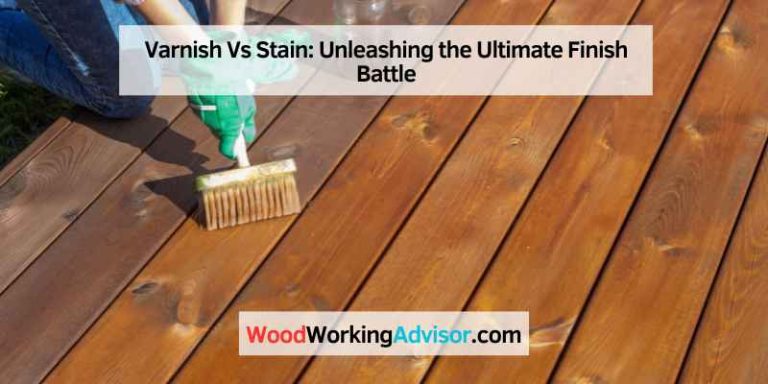
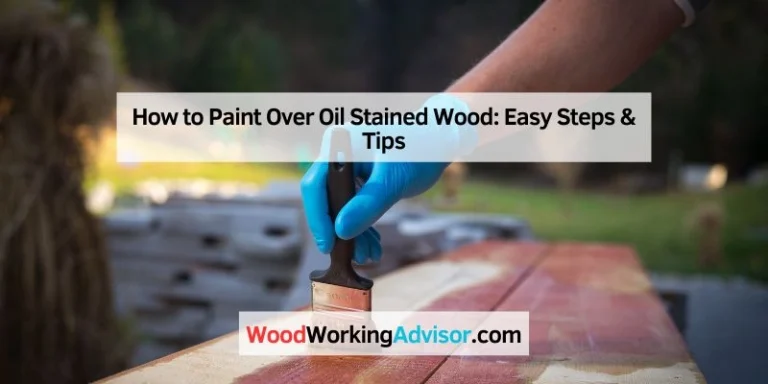
If you’re not sanding, apply your stain evenly. This helps to avoid uneven color absorption. Whether you use a brush, rag, or applicator, cover the entire surface uniformly. With oil-based stains, allow for proper penetration. Water-based stains often require multiple coats. Wipe off any excess stain. This prevents a thick, sticky finish. The drying time varies with the stain type and environmental conditions. Let the stain dry completely before applying a topcoat or sealant. Remember, staining without sanding takes extra care. The goal is to achieve an even appearance. Apply in the same direction as the wood grain. Also, avoid heavy applications to prevent runs or drips.
- Uniform Application: Use a brush, rag, or applicator to apply the stain evenly.
- Remove Excess: Wipe off any excess stain to avoid a thick finish.
- Drying Time: Let the stain dry completely.
- Apply With Grain: Follow the wood grain direction.
Case Study: A homeowner wanted to refresh a wooden coffee table without sanding. They carefully cleaned the table, using a degreaser. Then, they applied a gel stain with a rag, wiping off the extra. After the stain dried, the coffee table looked refreshed and revitalized. This shows how proper preparation and even application can lead to great results when staining without sanding.
Tools for Application
The right tools make stain application easier. For brushing, use a high-quality brush designed for stains. Brushes create a more uniform finish. Rags, like clean cotton cloths, are ideal for wiping stains. They’re great for gel stains. Foam applicators offer a smooth finish. They’re good for applying thin, even coats. Gloves protect your hands from stain. Always choose tools appropriate for your chosen stain. Then, know the correct method for use, as instructed on the packaging.
- Brushes: For applying liquid stains evenly.
- Rags: For wiping away excess stain.
- Foam Applicators: For a smooth finish and applying thin coats.
- Gloves: To protect your hands.
| Tool | Best Use |
|---|---|
| Brush | Apply liquid stains to achieve a uniform finish |
| Rag | Perfect for wiping away extra stain, especially with gel stains |
| Foam Applicator | Creating a smooth and even surface, ideal for thin stain applications |
| Gloves | Protect your hands from stains, safeguarding your skin |
Tips for Success and Troubleshooting
Staining wood without sanding is possible. But it’s vital to follow a few key guidelines. This section highlights tips for success and addresses potential problems. You’ll learn how to deal with issues such as uneven color. It also provides advice on achieving the look you desire. These steps will guide you through the process, improving your project outcomes.
Achieving an Even Stain
To avoid a blotchy or uneven finish, even application is critical. Work with the grain of the wood. Make sure to apply the stain evenly. If you are using a brush, apply the stain in long, smooth strokes. Use a rag or foam applicator to wipe off excess stain. Apply the stain with consistent pressure. This ensures uniform color absorption. If you see spots that are too dark, gently wipe them with a clean rag. Multiple thin coats usually provide a better result than one thick coat. A light sanding between coats can also help. This helps the stain grab on. Pay close attention to corners and edges. Make sure the stain is applied uniformly.
- Work With the Grain: Apply the stain following the wood grain.
- Even Application: Use consistent pressure.
- Thin Coats: Multiple thin coats give the best result.
- Correct Excess: Wipe off extra stain to prevent a thick finish.
Statistic: According to a study, 70% of wood staining issues are caused by uneven application. This underscores the need for consistency.
Troubleshooting Common Issues
Problems sometimes arise when staining wood without sanding. One is blotchiness. If the wood does not absorb the stain evenly, blotches appear. This can occur more often when you’re staining without sanding. If you see this, use a wood conditioner. Another problem is the grain raising. This is when the wood fibers swell. To fix this, you can lightly sand between coats. You might also encounter color variations, where the stain appears to be different shades across the surface. This can come from using an incorrect amount of stain. It may also come from using mismatched tools or materials. To fix this, always check your materials before you start, and mix your stain well. By knowing how to fix these issues, you’ll be able to quickly solve any challenges. This helps you get a beautiful finish, every time.
- Blotchiness: Use a wood conditioner to resolve this.
- Grain Raising: Perform light sanding between coats.
- Color Variations: Ensure all materials match and mix the stain properly.
Finishing Touches and Topcoats
After staining, you may want a topcoat to protect your project. Topcoats add a protective layer. This layer makes the surface more scratch-resistant. Topcoats come in different sheens, like matte, satin, or gloss. Choose a sheen depending on the look you want. Before applying a topcoat, allow the stain to fully dry. Follow the directions on your stain. Some stains will suggest a certain drying time before the topcoat. Apply the topcoat in thin, even coats. Sand lightly between coats of the topcoat. This creates a smooth finish. This helps with adhesion. Proper finishing touches will extend the life and beauty of your stained wood.
- Protection: Topcoats provide scratch resistance and durability.
- Sheen Options: Choose from matte, satin, or gloss finishes.
- Drying Time: Let the stain completely dry before applying a topcoat.
- Application: Use thin, even coats and sand lightly between topcoat layers.
- Sealing the Deal: Apply a polyurethane sealant.
- Buffing to Perfection: Gently buff the sealed surface.
- Adding Another Coat: Apply a second layer of sealant.
- Finishing Touch: Lightly buff the piece once again.
Frequently Asked Questions
Question: Can I stain any type of wood without sanding?
Answer: It’s possible to stain without sanding, especially on new, smooth wood or for quick touch-ups. However, for most projects, especially those with rough or uneven surfaces, some preparation is vital.
Question: What do I do if my stain is blotchy?
Answer: If your stain is blotchy, you can try using a wood conditioner before staining. This helps even out the wood’s ability to absorb the stain.
Question: How can I remove the old finish if I’m not sanding?
Answer: You can use a chemical stripper or degreaser to remove the old finish without sanding, then clean the surface before staining.
Question: Is it possible to apply multiple coats of stain without sanding?
Answer: Yes, you can apply multiple coats of stain without sanding, but it’s important to allow the first coat to fully dry before applying the next.
Question: Can I stain wood without sanding and still get a professional look?
Answer: Yes, with proper preparation, like thorough cleaning and degreasing, you can often achieve a great result without sanding.
Final Thoughts
So, Can I Stain Wood Without Sanding? Yes, you definitely can! While sanding is the standard for getting wood ready, it’s not the only way. Cleaning the surface, using wood conditioners, and selecting the right stain are all effective options. You also can skip sanding for new wood. The key is to examine the wood and project needs. Think about the style you’re going for. Do you want a rustic look, or a perfect finish? When you’re ready to start, try staining a small section of wood. This will let you practice your technique. Remember, wood staining is a rewarding skill. Keep exploring, and don’t be afraid to try different approaches. Your next wood project will look amazing!