How To Safely Remove Wood Stain From Carpet: Expert Tips
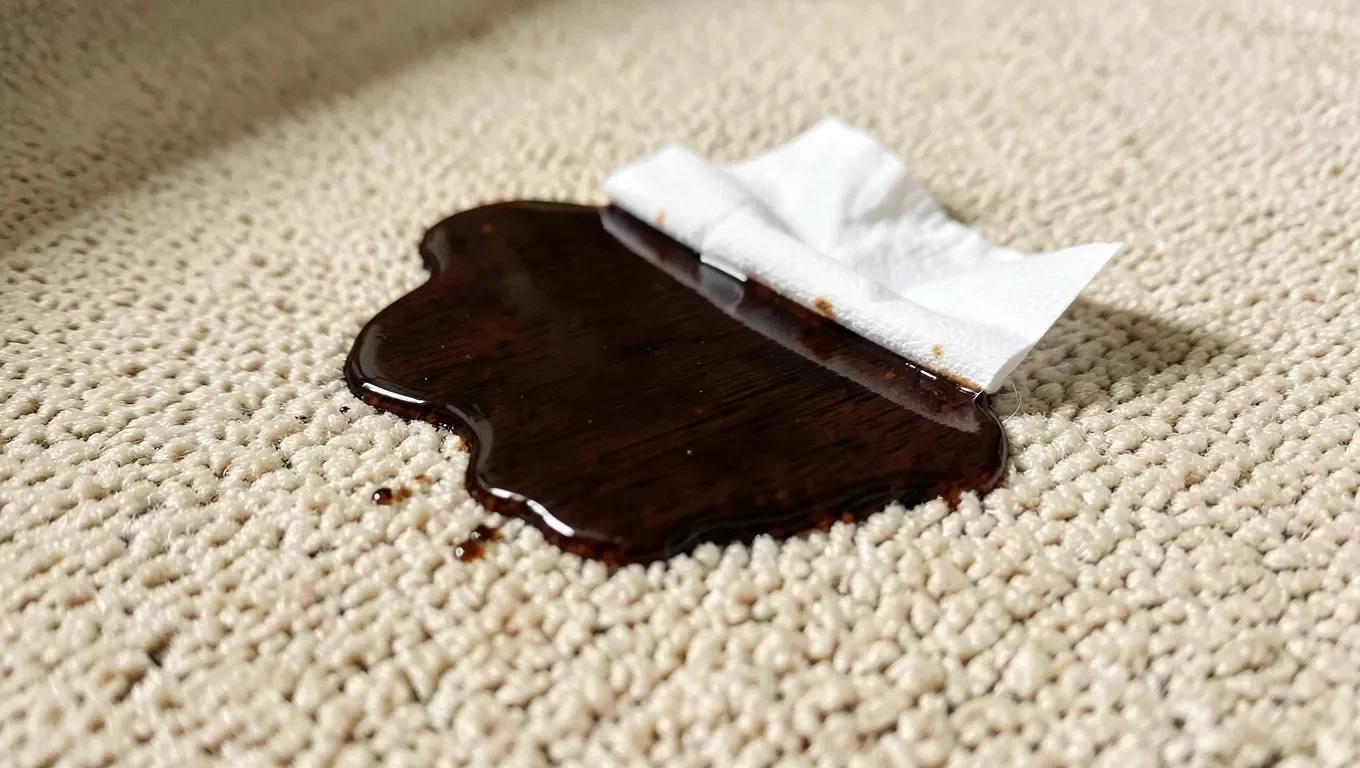
Blot the wet stain immediately with a clean white cloth, working from the outer edge in to avoid spreading it, then apply a small amount of dish soap mixed with warm water and continue blotting until the stain lifts. Rinse with plain water and blot dry. Don’t rub – rubbing pushes the stain deeper into the carpet fibers instead of lifting it out. This same core sequence works whether the spill is fresh or you’re catching it a few hours later, though speed always improves your odds. A spill caught within the first few minutes typically clears with dish soap alone; one that’s sat overnight is more likely to need the dedicated remover as a follow-up step.
Understanding Wood Stain On Carpet
For Stubborn Spots
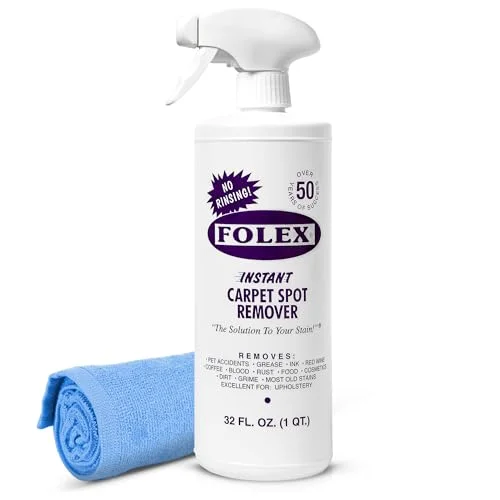 |
FOLEX Instant Carpet Spot Remover A dedicated carpet formula for when dish soap alone doesn’t fully lift an oil-based wood stain.
|
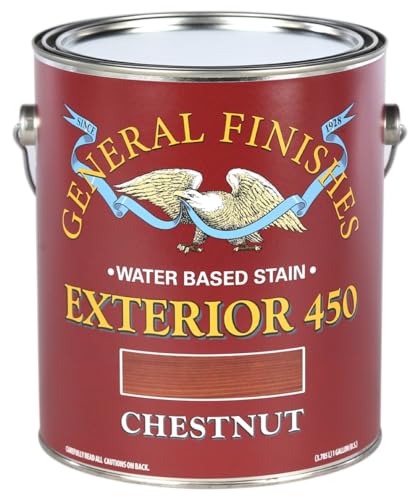
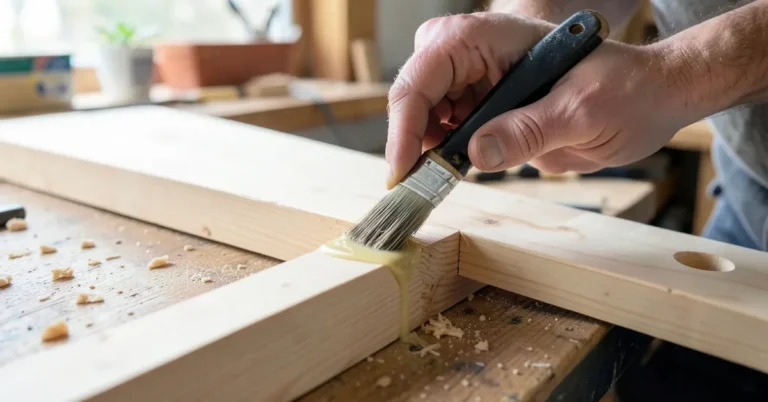
Wood stain is formulated to penetrate and hold color, and most wood stains are oil-based, which means they bond to carpet fibers differently than a water-based spill like juice or coffee. That’s the real reason wood stain is harder to remove than most household stains – it’s not just about how long it sits, though acting fast still matters. The longer an oil-based stain sits, the more it works into the fiber, so treat it as soon as you notice it rather than waiting. Carpet fiber type matters too: a tightly woven synthetic carpet resists penetration slightly better than a loose natural-fiber weave like wool, though neither is immune to a determined oil-based stain given enough time. Wool in particular can also react differently to certain cleaners than synthetic fiber does, which is one more reason the small hidden-area test matters before treating a visible stain.
A Real Safety Warning: Never Mix Cleaning Chemicals
Never combine an ammonia-based cleaner with bleach or a bleach-containing carpet product — mixing them produces toxic chloramine gas, a genuine inhalation hazard. This matters here specifically because people often reach for a second, different cleaner when the first attempt doesn’t fully work; if a product hasn’t worked, rinse the area thoroughly with plain water before trying anything else, rather than layering a new chemical on top of residue from the last one. This single habit – rinse before you reapply – prevents the vast majority of accidental chemical-mixing incidents in a home cleaning context. It costs nothing and takes only a minute. Also skip acetone-based nail polish remover on synthetic carpet — it can dissolve or damage polyester and olefin fibers, leaving a bigger problem than the original stain. If you’re not sure what your carpet is made of, treat it as synthetic and skip acetone-based products until you’ve confirmed otherwise.
Preparation For Stain Removal
Gathering the Necessary Materials
- White cloths or paper towels: Colored cloths can transfer dye onto a wet stain.
- Dish soap: A small amount mixed with warm water is the first thing to try.
- Carpet-safe stain remover: For when dish soap alone isn’t enough.
- Bucket of warm water: For diluting and rinsing.
- Vacuum cleaner: To clear loose debris from the area first.
- Soft-bristle brush: For gentle agitation without damaging fibers.
Testing Any Product on a Small Area First
Before using any stain remover on the visible stain, test it on a small, hidden patch of carpet – behind furniture or in a closet corner works well. Apply a small amount, let it sit a few minutes, then blot with a dry cloth and check for color transfer or fiber damage. If the test spot looks fine, proceed on the real stain; if it discolors or damages the fiber, stop and try a different product instead. Skipping this test is tempting when you’re in a hurry, but a ruined patch of carpet from an incompatible cleaner is a worse outcome than a wood stain that takes a few extra minutes to treat properly. That extra minute of caution is cheap insurance against a mistake that’s much harder to undo.
Step-by-Step Stain Removal Process
- Blot up excess stain immediately with a dry white cloth, working from the outer edge inward.
- Apply dish soap and warm water first – a few drops of dish soap in a cup of warm water, applied with a cloth, handles many wood stains on its own.
- Blot, don’t scrub, repeating with a fresh section of cloth as it picks up stain.
- Step up to a dedicated carpet stain remover only if dish soap alone doesn’t fully clear it, following the product’s instructions. Different formulas have different dwell times and dilution requirements, and skipping the label is a common reason a product underperforms compared to its reviews. A product that works great for one person and does nothing for another is often the same bottle used two different ways, not a fundamentally different result.
- Rinse with plain water and blot dry to remove any soap or cleaner residue.
- Dry the area fully with towels or a fan before walking on it or replacing furniture.
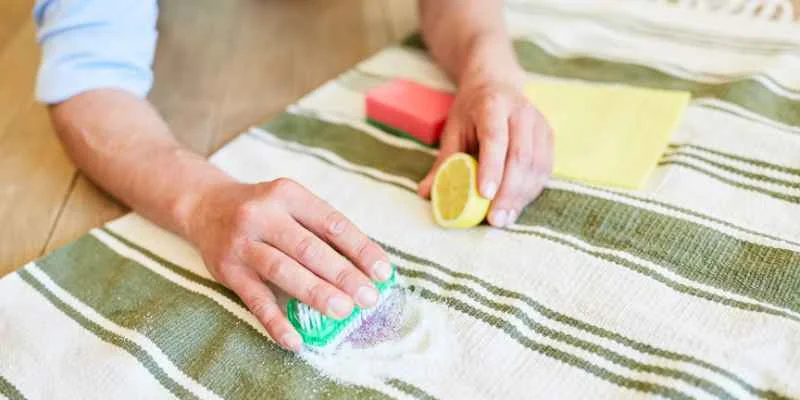
If the stain has already dried, the process is the same but takes longer and more repetitions – a dried oil-based stain rarely lifts in one pass. Expect to repeat the blot-and-treat cycle three or four times on an older stain before you see real progress, and don’t judge the product a failure after just one attempt. Be patient rather than reaching for a harsher chemical out of frustration; escalating too fast is more likely to damage the carpet than to speed up the result. If you find yourself reaching for a third or fourth different product out of frustration, that’s the moment to stop and consider a professional carpet cleaner instead, before the combination of treatments does more harm than the original stain.
Tips For Preventing Future Staining
The best fix for a wood-stain spill is not needing one. If you’re staining a project near carpeted areas, lay down a drop cloth or plastic sheeting that extends well past where you’re actually working – drips travel further than expected. A folded bedsheet or an old shower curtain works in a pinch if you don’t have a dedicated drop cloth on hand. Keep the stain can’s lid on except when actively dipping a brush, since a knocked-over open can is the single most common way this kind of stain ends up on carpet in the first place. A can with a secure lid sitting on a stable, flat surface away from foot traffic removes most of that risk before it ever becomes a cleanup problem. Even a few extra seconds spent setting the can somewhere stable is cheaper than the time a real spill costs you afterward.
Beyond staining projects specifically, general carpet care reduces how visible and how set-in any future accident becomes. Vacuum regularly so ground-in dirt doesn’t compound with a fresh spill, and consider a no-shoes policy or an entry mat in high-traffic areas to cut down on the debris that gets tracked onto carpet overall. None of this prevents a determined spill, but it does mean any future accident has less compounding grime to fight through, which makes the cleanup faster and more complete. A carpet that’s already reasonably clean also shows fewer secondary marks from the cleaning process itself, since there’s less loose dirt for a wet cloth to smear around while you’re working.
Frequently Asked Questions
Can wood stain be removed from carpet?
Yes. Act quickly, blot rather than rub, and start with dish soap and warm water before stepping up to a dedicated carpet stain remover if needed.
What removes wood stain from carpet?
Dish soap and warm water handles many wood stains on carpet. For stubborn or dried stains, a carpet-safe stain remover formulated for oil-based stains works better than household solvents.
What is the hardest stain to remove from carpet?
Oil-based stains like wood stain, grease, and tar are among the hardest, along with red wine, coffee, and ink. All of these bond to carpet fiber more stubbornly than a simple water-based spill.
Is it safe to use vinegar on a wood stain spill?
Diluted vinegar can help with some water-based stains, but it’s not the go-to for oil-based wood stain and won’t outperform dish soap or a dedicated carpet cleaner. Never mix vinegar with a bleach-based product – test any solution on a hidden area first.
Conclusion
Getting wood stain out of carpet comes down to speed, blotting instead of scrubbing, and starting with the mildest option (dish soap) before reaching for a stronger product. Never mix cleaning chemicals together, and a little prevention – a drop cloth and a closed can – beats even the best removal method.
Sponsored / affiliate links. As an Amazon Associate I earn from qualifying purchases. I may earn additional commission from eligible campaigns.