Is It OK to Stain Wood in the Sun? (Ideal Temp Range)
Staining wood isn’t unsafe in the sun, but it fails once the wood’s surface temperature climbs above roughly 90°F – the stain flashes off before it can penetrate, leaving blotches and lap marks. Most manufacturers recommend a wood surface temperature of 50-90°F, ideally around 70°F, not simply “avoid sunlight.” This guide covers the real temperature range, why surface temperature matters more than air temperature, and how to time an outdoor staining job correctly.
Is It OK to Stain Wood in the Sun? The Real Answer
Best Wood Surface Thermometer Pick
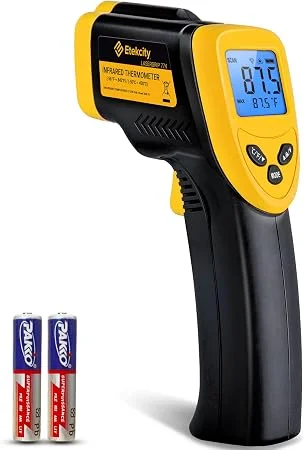 |
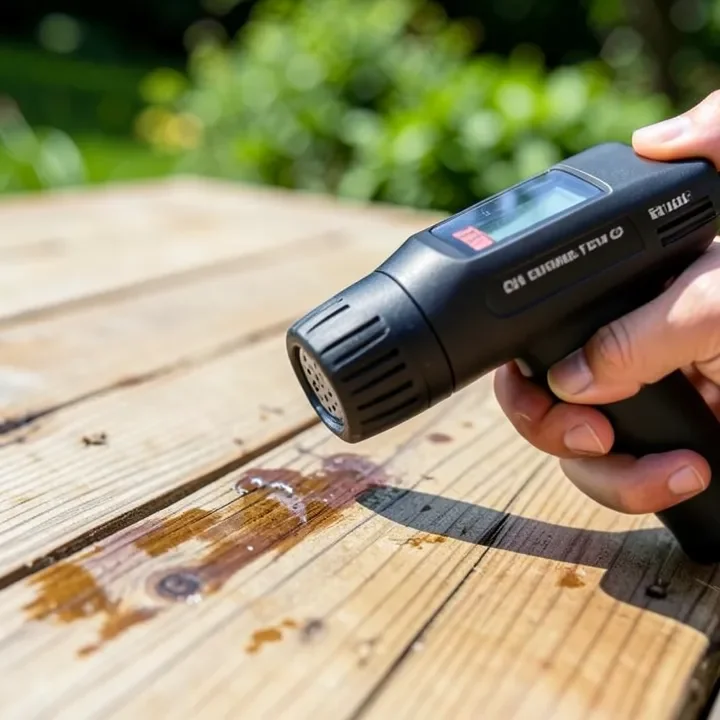
Etekcity Infrared Thermometer Laser Temperature Gun – $18.99 The exact tool for the check this guide recommends – point it at the deck or board surface to confirm it’s actually in the 50-90°F range before you open the stain can, instead of guessing from the air temperature.
|
As an Amazon Associate we earn from qualifying purchases.
The sun itself isn’t the problem – heat is. Direct sunlight can push a wood surface 20-30°F above the surrounding air temperature, which is why a pleasant 75°F afternoon can still leave you staining a deck board that’s actually pushing 100°F at the surface. Checking the wood’s surface temperature with an infrared thermometer, not the weather app’s air temperature, is the only reliable way to know if conditions are actually right.
The Risks of Staining Wood in Direct Sun
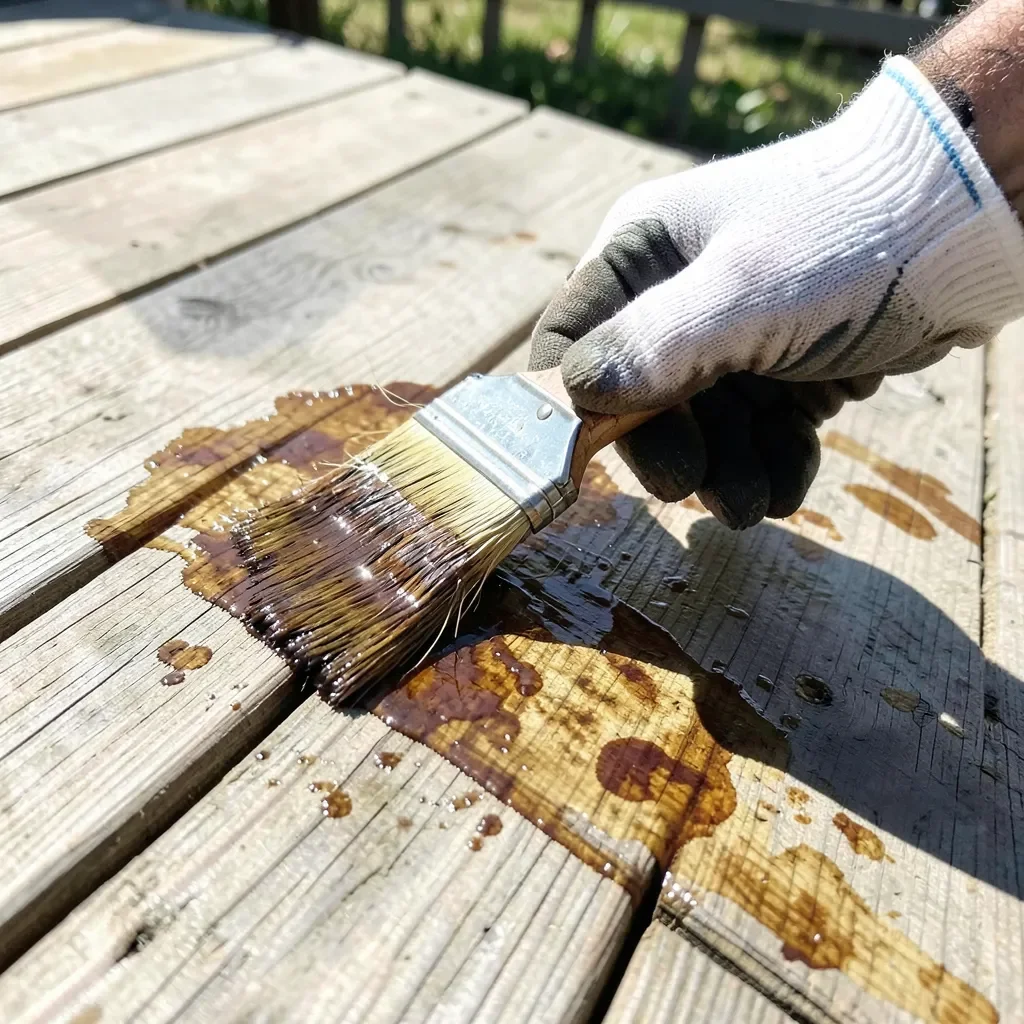
When wood is too hot, stain dries on the surface before it has time to soak in. That causes a blotchy, splotchy appearance, visible lap marks where wet and dry edges overlap, and poor adhesion that leads to peeling months later. Thick oil-based stains can turn gummy in high heat and fail to penetrate at all.
| Risk Factor | Effect on the Finish |
|---|---|
| Surface temp above ~90°F | Stain flashes off before penetrating, causing blotches |
| Direct UV exposure during cure | Faster pigment fading over the finish’s lifespan |
| Applying over a hot, dry board | Lap marks where wet edges meet already-dried edges |
Ideal Temperature and Timing for Staining Wood
Most stain manufacturers recommend a wood surface temperature between 50°F and 90°F, with roughly 70°F as the sweet spot. The two stain types tolerate the edges of that range differently: water-based stains generally need at least 60°F to cure properly, while oil-based stains can be applied down to about 35°F, though they’ll take longer to dry in the cold.
📊 Most stain manufacturers specify roughly 70°F as the ideal application temperature, with a workable range of about 50-90°F. – Source: Cabot Stain, “When to Stain”
Mornings and late afternoons are usually the safest windows on a sunny day, since the wood surface hasn’t yet heated past the ideal range. Avoid staining during peak midday sun, and on very hot days, working in the shade of the structure itself (or waiting for a cloudy day) keeps the surface temperature in range longer.
Shade vs. Direct Sunlight: What Actually Changes
Staining in the shade keeps the wood surface closer to ambient air temperature, giving the stain more time to penetrate evenly before it starts to set. Staining in direct sun does the same job faster – sometimes too fast – which is where the blotching and lap-mark problems come from. Shade doesn’t make a bad stain job good, but it does make the timing far more forgiving.
Tips for Staining Successfully Outdoors
- Check the wood’s actual surface temperature before starting, not just the air temperature.
- Test the stain on a small, hidden area first to confirm how it’s behaving in current conditions.
- Work in shaded sections when possible, or during morning/late-afternoon hours.
- Use a stain with UV inhibitors for any surface that will stay sun-exposed long-term – it slows color fade considerably.
- Follow the manufacturer’s listed temperature range on the can; it varies by formula.
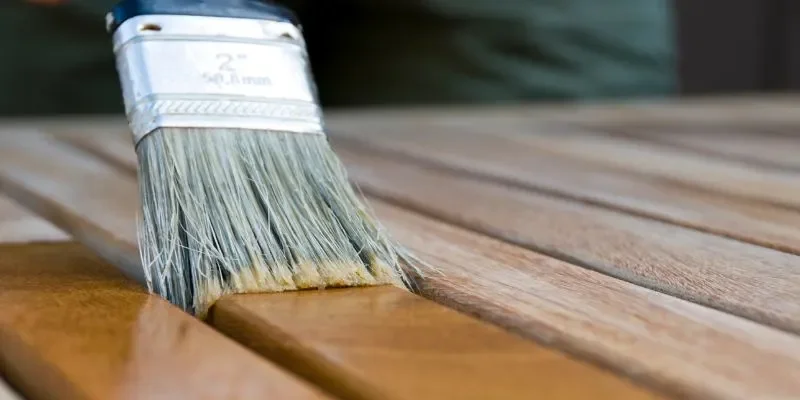
“We stained half a deck at midday on a 95°F day and had to sand and redo three boards the next weekend – the lap marks were obvious once it dried. Finishing the other half at 8am with the same stain came out even without any extra effort.”
Maintaining Stained Wood in Sun-Exposed Areas
Sun-exposed stained wood needs more frequent upkeep than shaded surfaces. Clean the surface periodically to remove dirt and debris, inspect seasonally for fading or peeling, and reapply a protective sealant or fresh coat every few years depending on sun exposure and the product used.
| Task | Suggested Frequency |
|---|---|
| Clean the surface | Monthly during use season |
| Inspect for fading/peeling | Seasonally |
| Reapply sealant or stain | Every 2-5 years, depending on sun exposure |
Frequently Asked Questions
Can You Stain Wood in Direct Sunlight?
You can, but it’s risky once the wood’s surface gets hot. The heat can cause the stain to dry too quickly, leading to uneven, blotchy application. Working in shaded areas or during cooler parts of the day gives more consistent results.
What Are the Risks of Staining in the Sun?
High surface temperatures can speed up drying enough to cause streaks and lap marks, and ongoing UV exposure can fade the stain’s color over time. Checking the actual wood surface temperature before starting reduces both risks.
How Does Temperature Affect Wood Stain Application?
Most stains perform best with a wood surface temperature of 50-90°F. Above that range, the stain can dry before it penetrates; below it (particularly under 60°F for water-based stains), it may not cure properly at all. Always check the manufacturer’s listed range for your specific product.
Is It Better to Stain Wood Indoors or Outdoors?
Indoors gives more consistent temperature and no direct sun, which is often easier for controlled results – but proper ventilation is essential. Outdoors works fine in the shade on a mild day; it’s uncontrolled midday summer sun, not the outdoors itself, that causes most problems.
Conclusion
Staining wood in the sun isn’t automatically a mistake – it’s a temperature problem. Keep the wood’s surface in the 50-90°F range, favor mornings or late afternoons on hot days, and check the board itself rather than the forecast, and an outdoor staining project can turn out just as even as one done indoors.
Sponsored / affiliate links. As an Amazon Associate I earn from qualifying purchases. I may earn additional commission from eligible campaigns.