Can MDF Board Get Wet: Risks & Waterproof Solutions
Imagine you’ve just finished a beautiful DIY project using MDF board. It’s smooth, versatile, and looks perfect in your home.
But then, you wonder: what happens if it gets wet? Can MDF board really handle moisture, or will it warp and ruin your hard work? If you’ve ever pondered this, you’re not alone. Many DIY enthusiasts and homeowners face the same dilemma.
You’re about to discover the truth about MDF board and its relationship with water, and you might be surprised by what you learn. This article will unravel the mysteries surrounding MDF board and moisture, helping you make informed decisions to protect your projects and investment. Keep reading to ensure you’re equipped with the knowledge to safeguard your creations and avoid costly mistakes.
MDF Board Composition
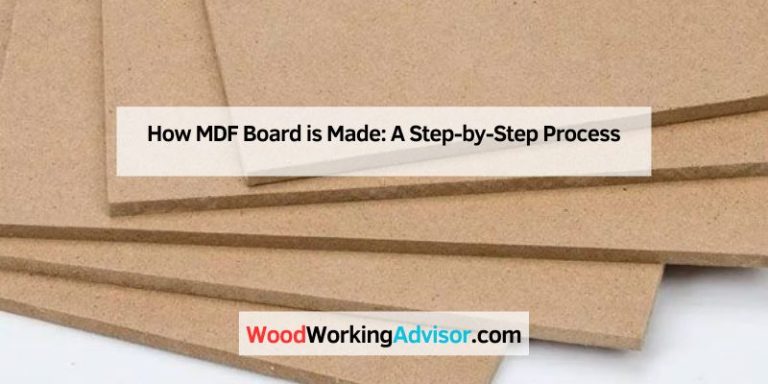
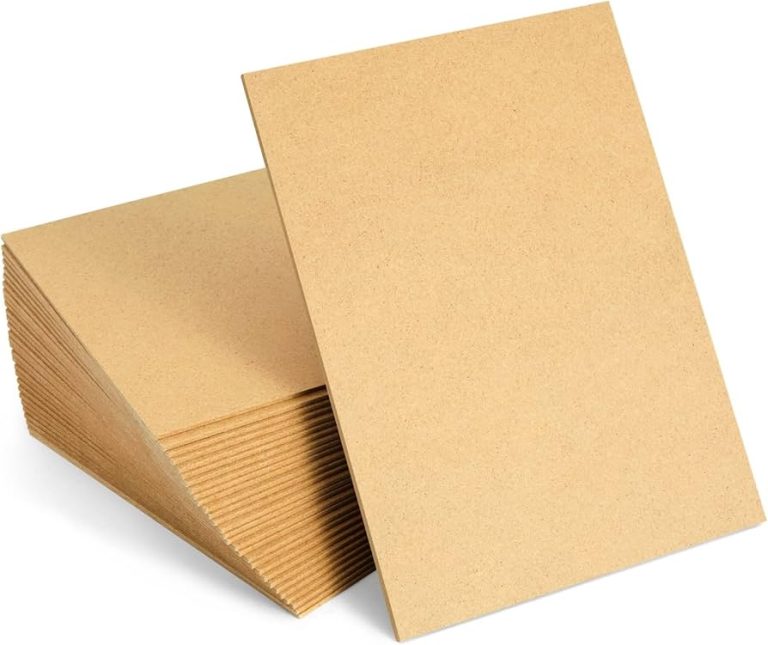
MDF stands for Medium Density Fiberboard. It is made from wood fibers. These fibers are mixed with wax and resin. The mixture forms a strong bond. This bond helps the board stay together. It is also used in many furniture pieces.
The fibers are collected from wood scraps. They are then broken down into smaller bits. Next, they are mixed with glue and wax. The mixture is heated and pressed. This creates flat, smooth boards. These boards are cut into sizes. Many people use these boards to make furniture or flooring.
Credit: www.gatorkennels.com
Impact Of Moisture On MDF
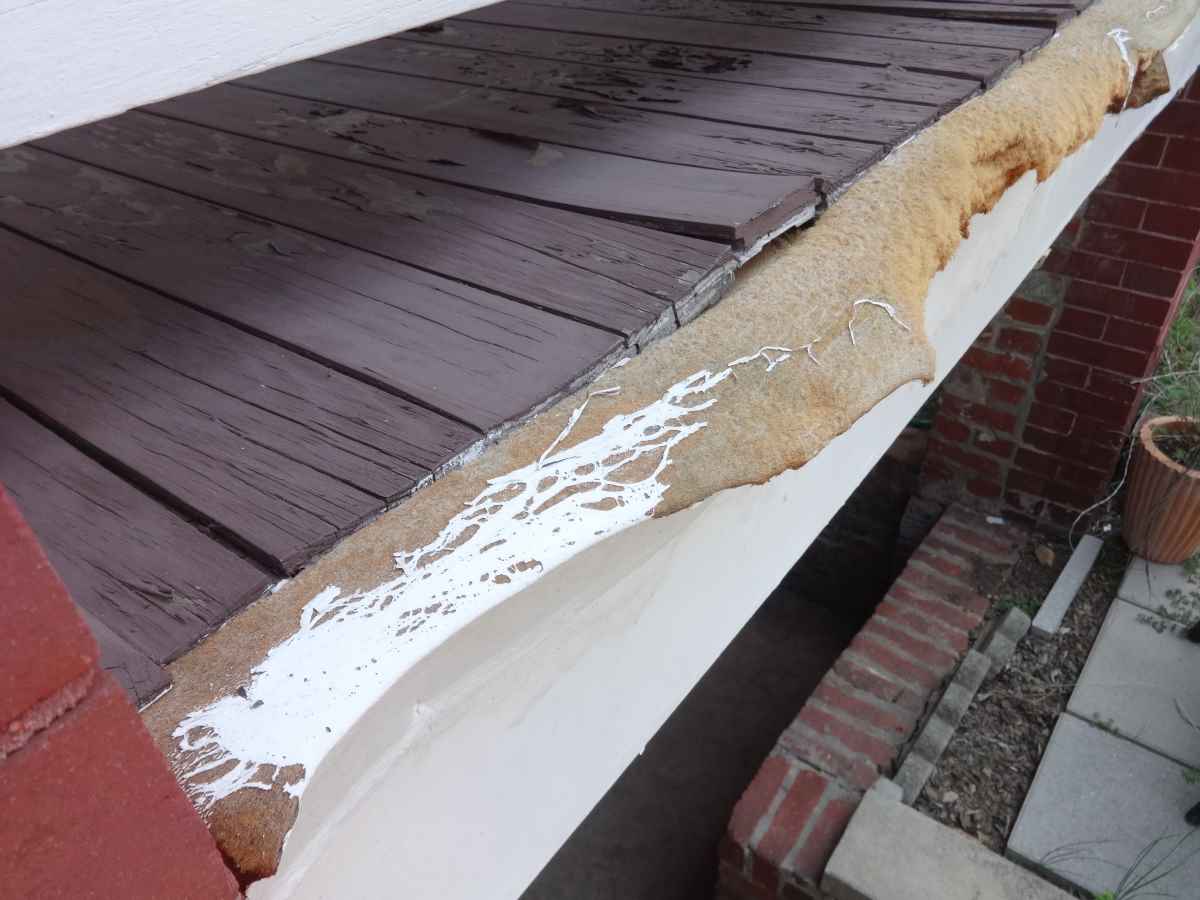
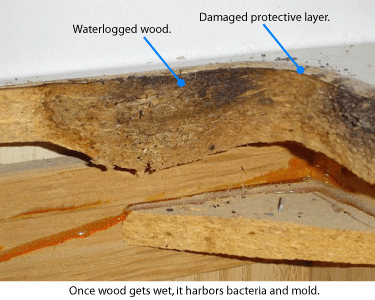
MDF boards are made of wood fibers. They are glued together with wax and resin. Moisture can make these fibers swell. This causes the board to change shape. It might get bigger or warp. The glue can lose its hold. This makes the board weak. Wet MDF can break easily. The structure is no longer strong.
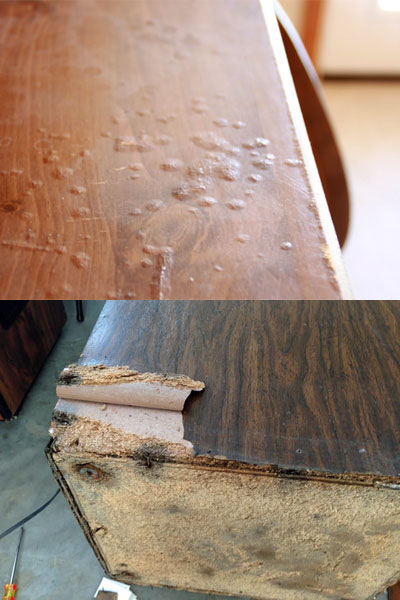
Water can damage the surface of MDF. The surface might bubble or crack. This makes it look ugly. Paint or finishes can peel off. The board does not look nice anymore. Touching it feels rough. The smooth finish is gone. Wet MDF is not good for furniture or decor. Protect it from water.
Common Risks Of Wet MDF
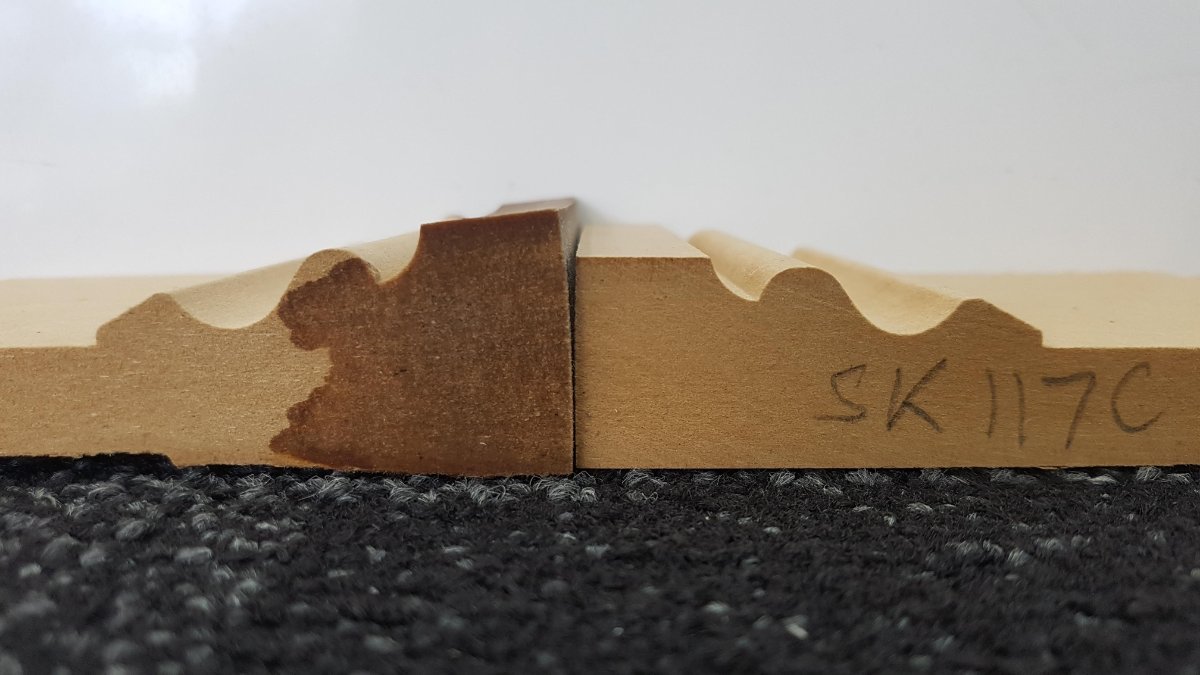
MDF boards expand when they get wet. They absorb water quickly. This causes swelling. Swelling changes the shape of the board. It can warp and become uneven. Warped boards lose their strength. They may not fit well in places. This can cause damage to furniture.
Wet MDF is a perfect spot for mold. Mold needs moisture to grow. It spreads fast in damp places. Mold makes the board weak. It can change the color of the board. Mold is bad for health. It can cause allergies. It is important to keep MDF dry. This stops mold from growing.
Credit: intrimmouldings.com.au
Waterproofing Techniques
MDF boards are sensitive to moisture. They swell when wet. Using sealants can help. Sealants act as a barrier. They block water from entering. Coatings are another option. They add a protective layer. This layer keeps the board safe. Many people use acrylic paint as a coating. It dries fast and works well. Polyurethane is also popular. It gives a strong finish. Both methods help keep MDF dry.
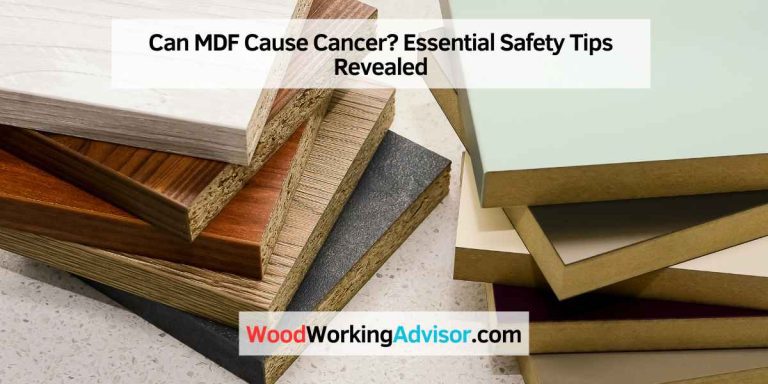
Adding a veneer layer can protect MDF. Veneers are thin wood sheets. They cover the MDF surface. They make it look nice too. Lamination is another method. It involves adding a plastic layer. This layer guards against water. Both techniques boost durability. They keep the MDF board in good shape. It’s smart to use them in wet areas. Kitchens and bathrooms, for instance. They help the board last longer.
Choosing Waterproof MDF Options
MDF can get wet, but special types resist water. Water-resistant MDF has a special coating. This coating keeps water out. It is not perfect, but it helps a lot. Using water-resistant MDF is good for bathrooms. It is also good for kitchens. These places have a lot of moisture.
Always seal the edges well. Sealing prevents water from entering. It makes the board last longer. Water-resistant MDF is a smart choice for wet areas.
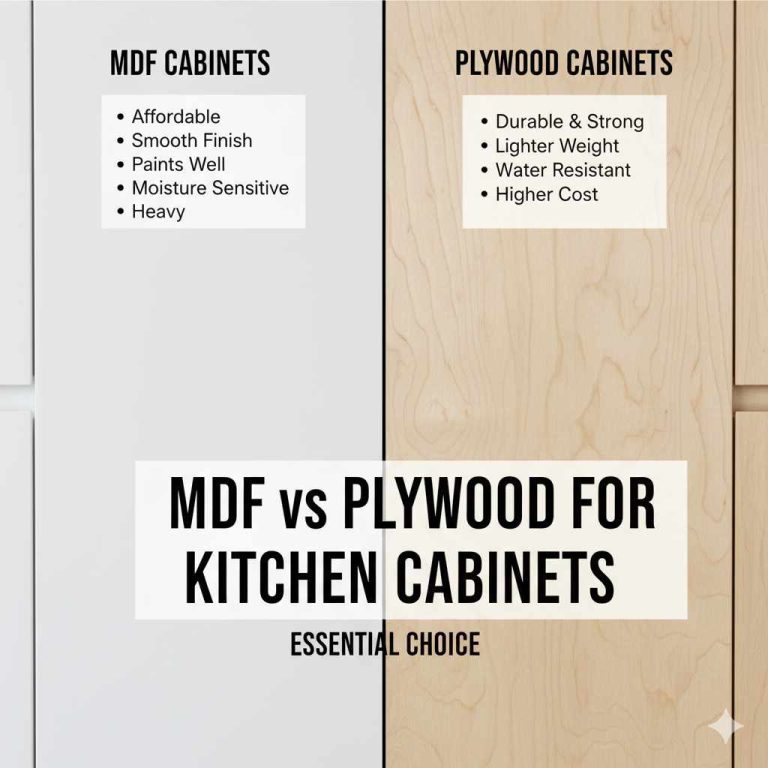
Sometimes, other materials work better. Plywood is a strong option. It handles water well. Plastic boards are another choice. They are waterproof and light. Metal sheets can also be used. They do not rot or swell.
Each material has its own benefits. Choose based on your needs. Think about cost and durability. Pick the best fit for your project.
Preventive Measures
MDF boards should stay dry. Use a good sealant on edges. Sealant keeps water out.
Install boards indoors only. Ensure there is no water exposure.
Boards near sinks need extra care. Use waterproof paint.
Choose paint that repels water. It helps protect the board.
Check for any damage often. Look for cracks or swelling.
Fix small issues fast. Use wood filler to fill cracks.
Keep the board clean. Wipe dust and dirt away.
Use a soft cloth for cleaning.
Regular checks keep boards strong and safe.
DIY Solutions For Home Projects
MDF boards need protection from water. Sealants can help keep them dry. These materials create a barrier. Water can’t get through this barrier. Start by cleaning the board. Any dust or dirt can stop the sealant from sticking well. Next, apply the sealant with a brush or roller. Cover all edges and corners carefully. Two coats might be better for extra safety. Let each coat dry before adding another one. Allow the sealant to dry completely. It may take a few hours or overnight.
Water can damage MDF easily. Creative ideas can protect it. Use waterproof paint on the board. This makes it look nice and keeps it safe. Choose a color that matches your room. Another idea is to use waterproof spray. This is quick and easy. Just spray it on the surface. Let it dry before using the board. These methods help keep MDF strong and lasting.
Cost Considerations
MDF boards are cheaper than many wood types. Many people choose them for projects. They offer a smooth surface. Painting and laminating are easy on these boards. They are a good choice for limited budgets. You get decent quality at lower prices.
Spending more on quality MDF can be wise. It lasts longer when cared for. Protect it from water to keep it strong. Quality MDF resists wear better. It might cost more now. But saves money later. Cheaper options might need replacing sooner. Investing now can save future costs.
Credit: www.liquorshelves.com
Frequently Asked Questions
What Happens If MDF Gets Rained On?
MDF swells and warps when it gets wet. Water damages its structural integrity and appearance. Ensure MDF stays dry to prevent mold and deterioration. Use waterproof sealants or coatings to protect it from moisture.
Can You Make MDF Waterproof?
Yes, you can make MDF waterproof by applying sealants or varnish. Use a waterproof paint or coating for protection. Ensure all surfaces, including edges, are covered to prevent moisture absorption. Regular maintenance can help preserve the waterproofing effect on MDF surfaces.
Is MDF Ok For Outdoor Use?
MDF is not ideal for outdoor use due to its susceptibility to moisture damage. It can warp or swell when exposed to rain or humidity. Consider using outdoor-grade materials like plywood or treated wood for better durability and resistance to weather conditions.
Proper sealing can help, but it’s not a long-term solution.
Does MDF Last In The Rain?
MDF is not suitable for rain exposure. It absorbs moisture, which can cause swelling and damage. For outdoor use, consider moisture-resistant MDF or seal it properly. Regular MDF is best used indoors to ensure durability and longevity.
Conclusion
MDF board can handle some moisture, but not too much. It’s not waterproof, so exposure to water can cause damage. Swelling and warping might occur if it stays wet for long. Always seal MDF for areas with high humidity. This helps protect against water damage.
Use MDF in dry, indoor spaces for best results. Careful handling extends its lifespan. Consider alternatives for wet environments. Knowledge about MDF’s limits ensures better usage. Choose wisely based on your needs. Proper care keeps MDF looking good and lasting longer.