Can Mold Grow Under Hardwood Floors Warning Signs
It’s natural to wonder about hidden problems in your home, especially when it comes to something as common as hardwood floors. Many people find themselves asking Can Mold Grow Under Hardwood Floors? Warning Signs because it’s not always obvious where moisture issues might be lurking.
You might see a stain or smell something odd, and then the worry sets in. But don’t worry, this guide will break it down in a simple way, step by step, so you can spot potential trouble and know what to do next. We’ll show you exactly what to look for.
Can Mold Grow Under Hardwood Floors Causes
This section explains how mold can start growing in the hidden spaces beneath your beautiful hardwood floors. It’s all about moisture finding its way to that dark, cozy spot. We’ll cover the common culprits that bring water and dampness to this area, setting the stage for mold to take hold.
Think about leaky pipes, spills that don’t get cleaned up right away, or even humidity building up over time. Understanding these root causes is your first line of defense against mold growth.
Sources of Moisture
Several things can lead to moisture getting under your hardwood floors. It’s not always a big flood; sometimes, it’s a slow, constant dampness that does the damage. Knowing these sources helps you prevent the problem before it even starts.
It’s like knowing where a leaky faucet is so you can fix it before it causes a big mess.
-
Plumbing Leaks: One of the most common and serious issues is a leak from pipes running beneath the floor. This could be in your bathroom, kitchen, or even from an HVAC system’s condensate drain line. Even a small, slow drip can saturate the subfloor and the underside of your hardwood planks over time, creating the perfect environment for mold.
-
Condensation: In areas with high humidity or poor ventilation, condensation can form on the underside of your flooring. This is especially true if there’s a significant temperature difference between the subfloor and the air. Basements and crawl spaces are particularly prone to this, as they are often cooler and more humid than the rest of the house.
-
Spills and Pet Accidents: While you might clean up spills on the surface of your hardwood, if they aren’t dried thoroughly and quickly, the liquid can seep through any small gaps between the planks. The same goes for pet accidents. If these liquids aren’t fully removed from the seams, they can contribute to moisture build-up underneath.
-
Groundwater Seepage: If your home has issues with its foundation or drainage, groundwater can seep into basements or crawl spaces. This moisture can then affect the subfloor and, by extension, the hardwood flooring above it. This is a more serious structural issue that needs professional attention.
-
Improper Installation: Sometimes, moisture issues can be exacerbated by how the floors were installed. If there wasn’t adequate moisture barrier installed beneath the hardwood, or if the wood wasn’t properly acclimated, it can be more susceptible to absorbing moisture from the environment.
Environmental Factors
Beyond direct water sources, certain environmental conditions can make mold growth more likely. These factors create a generally damp atmosphere that’s favorable for mold spores to thrive, even without a specific leak.
-
High Humidity: Consistently high humidity levels, especially in basements or crawl spaces, can lead to mold growth. When the air is very moist, it can condense on cooler surfaces, including the underside of your hardwood floors. This creates a steady supply of moisture for mold to feed on.
For instance, a home in a humid climate that doesn’t have proper dehumidification in its lower levels might experience mold issues more readily. The U.S. Environmental Protection Agency (EPA) recommends keeping indoor humidity levels between 30% and 50% to prevent mold growth.
-
Poor Ventilation: Stagnant air trapped under your floors can prevent moisture from evaporating. This is common in crawl spaces or poorly ventilated basements. Without air circulation, any moisture present lingers, giving mold the long-term damp conditions it needs to spread.
-
Temperature Fluctuations: While mold can grow in a range of temperatures, significant temperature changes can cause condensation. When warm, moist air meets a cooler surface like the subfloor, water droplets form, providing the necessary moisture for mold.
Can Mold Grow Under Hardwood Floors Warning Signs
Spotting mold before it becomes a major problem is key, and this section focuses on the tell-tale signs that might indicate mold is growing under your hardwood floors. These signs aren’t always obvious, which is why knowing what to look for is so important. We’ll guide you through the sensory clues and visual hints that something isn’t right, empowering you to take action early.
Visible Mold Growth
Sometimes, mold can make its way through small gaps or cracks, becoming visible. While you might not see large patches directly, subtle indicators can be your first clue.
-
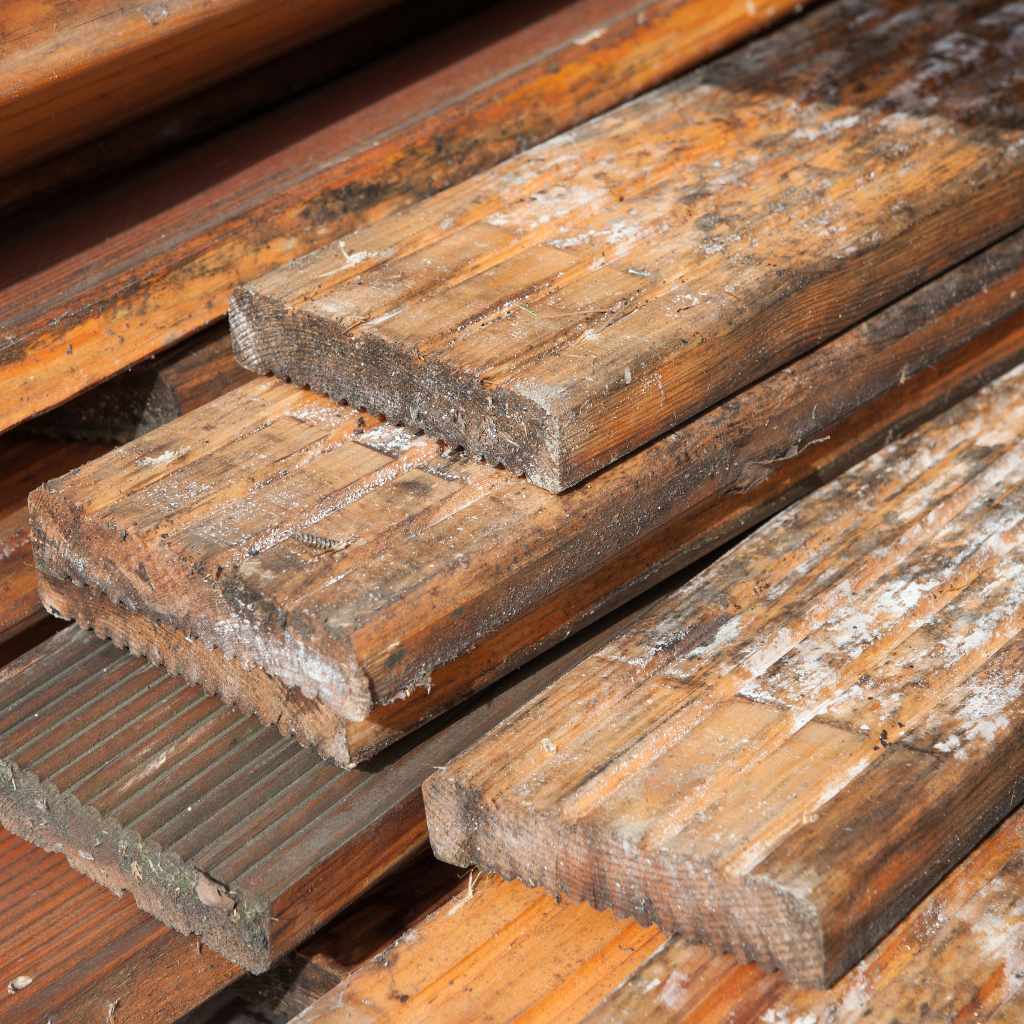
Discoloration: You might notice unusual spots or patches of color on the surface of your hardwood. These can range from black, green, or white to orange or brown. Often, these appear near the edges of planks, in seams, or in areas where moisture might be seeping up from below.
A homeowner in Florida noticed dark, almost black spots appearing along the edges of their living room floor after a particularly wet spring. They initially thought it was dirt, but it wouldn’t scrub off. Further investigation revealed a slow leak from a plumbing line beneath the subfloor that had begun to cause mold growth on the wood.
-
Warping or Buckling: As wood absorbs moisture, it expands. If mold is growing underneath and contributing to dampness, you might see sections of your hardwood floor start to warp, buckle, or lift. This is because the moisture content is uneven, causing some planks to swell more than others.
-
Peeling Finish: Mold can compromise the finish on your hardwood floors. If you see areas where the protective coating is peeling, bubbling, or looks damaged, it could be a sign of moisture and potential mold growth underneath, weakening the bond of the finish to the wood.
Musty Odors
One of the most common and unsettling signs of mold is a smell. Mold produces volatile organic compounds (VOCs) that give off a distinct odor, and this can be particularly noticeable in areas with hidden mold growth.
-
Persistent Musty Smell: If you detect a persistent, earthy, or musty odor, especially in certain rooms or areas of your home, it’s a strong indicator of mold. This smell often gets stronger in humid conditions or after rain. It’s your nose’s way of telling you that something might be growing in damp, dark places.
A family in a humid coastal town noticed a strong musty smell in their bedroom, which they couldn’t pinpoint. They cleaned the room thoroughly, but the smell remained. It was strongest when they entered the room from the hallway.
It turned out a small water line to their ensuite bathroom had a slow leak, and the moisture was trapped beneath the hardwood floor, causing mold to grow and release its characteristic odor.
-
Odor Intensifies After Rain or Humidity Changes: Mold-related odors can become more pronounced when the weather changes. If the musty smell seems to get worse after a heavy rainstorm or when humidity levels are high, it suggests that moisture is actively contributing to the problem.
Health Symptoms
Mold can affect the health of people living in a home. If you or your family members are experiencing unexplained symptoms, mold could be a contributing factor, especially if it’s growing in hidden areas like under your floors.
-
Allergic Reactions: Exposure to mold spores can trigger allergic reactions in many people. Symptoms can include sneezing, runny nose, red eyes, itchy skin rashes, and asthma attacks. If these symptoms seem to appear or worsen when you are inside your home, it’s worth investigating potential mold sources.
A child who previously had no known allergies started experiencing frequent sneezing fits and itchy eyes whenever they were in their playroom. The parents noticed the symptoms lessened significantly when they left the house. After checking the room more closely, they discovered some discoloration on the hardwood floor near a window that had leaked during a storm.
Mold testing confirmed the presence of mold spores in the air.
-
Respiratory Issues: For individuals with asthma or other respiratory conditions, mold exposure can be particularly problematic, leading to increased wheezing, shortness of breath, and chest tightness. Even for those without pre-existing conditions, prolonged exposure can cause irritation to the lungs and airways.
-
Headaches and Fatigue: Some people report experiencing headaches, fatigue, or difficulty concentrating when exposed to mold. While these symptoms can be caused by many things, a persistent pattern in your home environment warrants further investigation.
Structural Signs
In more advanced cases, mold growth can start to affect the physical structure of your home, particularly the subflooring and the support beams.
-
Soft or Spongy Subfloor: If you suspect moisture problems, you might be able to gently press on areas of the floor, especially near walls or in less-trafficked zones. If the subfloor feels soft, spongy, or gives way easily, it indicates that the wood has become saturated and potentially decayed by mold and rot.
-
Damage to Joists or Beams: In severe, long-term cases of moisture and mold, the wooden joists and beams that support your floor can become compromised. This can lead to visible sagging in the floor, creaking sounds, or even structural instability.
Addressing Mold Under Hardwood Floors
Once you’ve identified potential mold growth, it’s important to know the best steps to take. This section covers how to deal with the problem effectively, from initial assessment to remediation. We’ll discuss when it’s time to call in the professionals and what you can do yourself to start resolving the issue and prevent it from returning.
Assessing the Extent of the Problem
Before you can fix mold, you need to know how bad it is. This involves a careful look at the affected area and sometimes professional testing.
-
Visual Inspection: Carefully examine the areas where you suspect mold. Look for the warning signs we discussed, such as discoloration, warping, or odor. Pay close attention to edges, seams, and areas near potential moisture sources like plumbing or exterior walls.
-
Moisture Meter Readings: A moisture meter can give you an objective reading of the moisture content in your flooring and subfloor. If the readings are significantly higher than normal, it confirms the presence of excess moisture, a key factor for mold growth.
-
Mold Testing: For definitive confirmation, you can use home mold test kits or hire a professional mold inspector. Professional inspectors can conduct air sampling and surface sampling to identify the types of mold present and their concentrations. This information is vital for proper remediation.
DIY vs. Professional Remediation
Deciding whether to tackle the mold yourself or hire experts depends on the size and severity of the problem.
-
Small, Surface Mold Patches: If you find only very small, superficial patches of mold that you are confident are not widespread or deep within the structure, and you have good ventilation, you might consider cleaning it yourself. Use a solution of water and mild detergent or a specialized mold cleaner. Ensure the area is thoroughly dried afterward.
Example scenario: You notice a few small, fuzzy green spots on the surface of a few floorboards near a leaky window after a heavy rain. After drying the area and cleaning the visible mold with a vinegar-water solution, you monitor it closely for any recurrence.
-
Extensive or Deep Mold Growth: For larger areas of mold, mold that has penetrated the subfloor, or if you suspect the mold is affecting structural components, it is highly recommended to hire a professional mold remediation company. They have the specialized equipment, protective gear, and expertise to safely and effectively remove mold and address the underlying moisture issue.
A study by the National Association of Home Builders found that the average cost for mold remediation in a residential property can range from $500 to $4,000, depending on the extent of the problem. For extensive issues involving subflooring, costs can go higher.
-
Underlying Moisture Source Identification: Regardless of whether you DIY or hire professionals for mold removal, it is absolutely critical to find and fix the source of the moisture. If you don’t, the mold will inevitably return. This might involve repairing plumbing, improving ventilation, sealing foundation cracks, or addressing drainage issues.
Preventing Future Mold Growth
Once the mold is gone, the focus shifts to making sure it doesn’t come back. Prevention is key to maintaining a healthy home environment.
-
Control Humidity Levels: Use dehumidifiers in damp areas like basements and crawl spaces. Ensure your home’s HVAC system is working efficiently to manage overall humidity. Aim to keep indoor humidity levels between 30-50%.
According to the EPA, maintaining indoor humidity below 60% is generally considered a good target for preventing mold growth. Smart home devices can now monitor humidity and automatically adjust settings on dehumidifiers or fans.
-
Ensure Proper Ventilation: Improve air circulation in basements and crawl spaces with fans or ventilation systems. Make sure bathrooms and kitchens are well-ventilated with exhaust fans that vent to the outside.
-
Address Leaks Promptly: Fix any plumbing leaks immediately. Regularly inspect pipes, faucets, and appliances for signs of drips or leaks. Pay attention to areas where pipes pass through walls or floors.
-
Waterproof and Seal: Consider using moisture barriers and sealants during renovations or new installations, especially in basements and crawl spaces. Proper sealing of foundation walls can prevent groundwater seepage.
-
Regular Inspections: Periodically inspect areas prone to moisture for any signs of dampness, leaks, or mold. Early detection makes problems much easier and cheaper to fix.
Understanding Hardwood Flooring and Moisture
Wood is a natural material that reacts to its environment, especially moisture. This section delves into why hardwood floors are susceptible to moisture issues and how that connects directly to mold growth. We’ll explain the nature of wood itself and how it interacts with water, making it clear why this combination can be problematic if not managed properly.
Wood’s Reaction to Moisture
Wood is hygroscopic, meaning it absorbs and releases moisture from the air. This natural characteristic is what makes hardwood floors beautiful and comfortable, but it also makes them vulnerable to problems when moisture levels become unbalanced.
-
Expansion and Contraction: When wood absorbs moisture, its cells swell, causing the planks to expand. When it dries out, the cells shrink, and the planks contract. This constant movement, especially if it’s uneven or excessive, can lead to gaps between planks, cupping (edges rise higher than the center), or crowning (center rises higher than the edges).
A common observation is that hardwood floors may have wider gaps between planks in the dry winter months and tighter fits or even slight buckling in the humid summer months. This natural expansion and contraction is normal within a certain range.
-
Warping and Rot: Prolonged exposure to high moisture levels can cause the wood fibers to break down. This can lead to permanent warping, where the wood doesn’t return to its original shape even after drying. In severe cases, especially with constant dampness and poor air circulation, the wood can begin to rot, weakening its structure.
-
Mold’s Food Source: Damp wood provides the perfect food source for mold. Mold spores are everywhere, but they need moisture, a food source (like wood or paper-based subflooring), and the right temperature to grow. Underneath your hardwood, the conditions can be ideal if moisture is present.
The Role of the Subfloor
The subfloor, typically made of plywood or oriented strand board (OSB), is the layer directly beneath your hardwood. Its condition and material play a significant role in moisture management.
-
Moisture Absorption: Subflooring materials, especially OSB, are very absorbent. If they become wet, they can swell and degrade, providing a larger surface area for mold to colonize. Damp subflooring is a direct invitation for mold growth, which can then spread to the underside of your hardwood.
-
Moisture Barrier Importance: A proper moisture barrier, like polyethylene sheeting, is often installed between the subfloor and the hardwood flooring. This barrier is crucial for preventing moisture from the ground or basement from reaching the wood. If this barrier is damaged, missing, or improperly installed, moisture can easily penetrate.
According to building science experts, the absence or failure of a proper vapor barrier can be a primary contributor to moisture-related issues in flooring systems. This is why its integrity is paramount.
-
Support and Stability: A compromised subfloor due to moisture and mold can affect the stability and integrity of your entire floor. It can lead to squeaking, soft spots, and can even compromise the structural support of the room above.
Types of Mold Found Under Floors
Several types of mold commonly grow in damp indoor environments, and those found under floors are no different. Knowing what you might be dealing with can help in understanding the risks.
-
Cladosporium: This is one of the most common mold types. It’s often greenish-brown or black and can grow in both damp and cool conditions. It’s frequently found on surfaces like painted walls, textiles, and wood.
-
Aspergillus: This mold can be black, green, or yellow. Some species are known to cause respiratory problems and allergic reactions. It thrives in damp, poorly ventilated areas and can grow on a variety of organic materials, including wood products.
-
Penicillium: Recognized by its blue-green color, Penicillium is another common household mold. It’s often found in water-damaged materials like carpets, insulation, and wood. Some species are known allergens.
-
Stachybotrys chartarum (Black Mold): While often sensationalized, this is a toxic mold that requires very wet, cellulose-rich materials like wood, paper, or drywall to grow. It is black or greenish-black and can cause serious health issues.
A case study from a residential inspection in a damp basement revealed extensive Stachybotrys growth on the subflooring and surrounding wooden support beams due to a long-term, undetected leak. The occupants reported significant respiratory distress and headaches before the issue was identified.
Frequently Asked Questions
Question: Can you see mold under hardwood floors without lifting them?
Answer: Sometimes, you can see signs like discoloration, peeling finish, or warping that suggest mold underneath. However, the mold itself is usually hidden. A musty smell is often the first indicator that something is growing below the surface.
Question: How long does it take for mold to grow under hardwood floors?
Answer: Mold can start to grow in as little as 24 to 48 hours if there is enough moisture and a food source. Significant growth that becomes noticeable can take days to weeks, depending on the conditions.
Question: Is it safe to walk on floors with potential mold underneath?
Answer: It’s best to avoid walking on areas where you suspect significant mold growth, especially if the floor feels soft or spongy. Disturbing mold can release spores into the air, which can be harmful to your health.
Question: What is the first step to take if I suspect mold under my hardwood floors?
Answer: The very first step is to try and identify and stop the source of moisture. If you can’t easily find or fix the moisture source, or if you see visible mold, it’s wise to contact a professional for assessment and guidance.
Question: Can mold under the floor spread to other parts of the house?
Answer: Yes, mold spores can travel through the air. If the mold growth is significant and not contained, spores can escape through gaps in the flooring or ventilation systems and spread to other areas of your home.
Final Thoughts
Noticing potential problems like mold under hardwood floors can be concerning, but it’s a situation that can be managed with the right approach. The key is to be aware of the warning signs we’ve covered, from the subtle musty smells to visible discoloration or structural changes. Understanding that moisture is the main culprit helps you focus your attention on preventing it.
Regularly checking for leaks, managing humidity, and ensuring good ventilation are all proactive steps that significantly reduce the risk of mold taking hold. If you do discover an issue, remember that addressing the underlying moisture source is just as important as removing the mold itself. For larger problems, calling in experts ensures the job is done safely and effectively.
By staying vigilant and taking informed action, you can maintain a healthy and beautiful home environment, keeping your hardwood floors looking great for years to come.