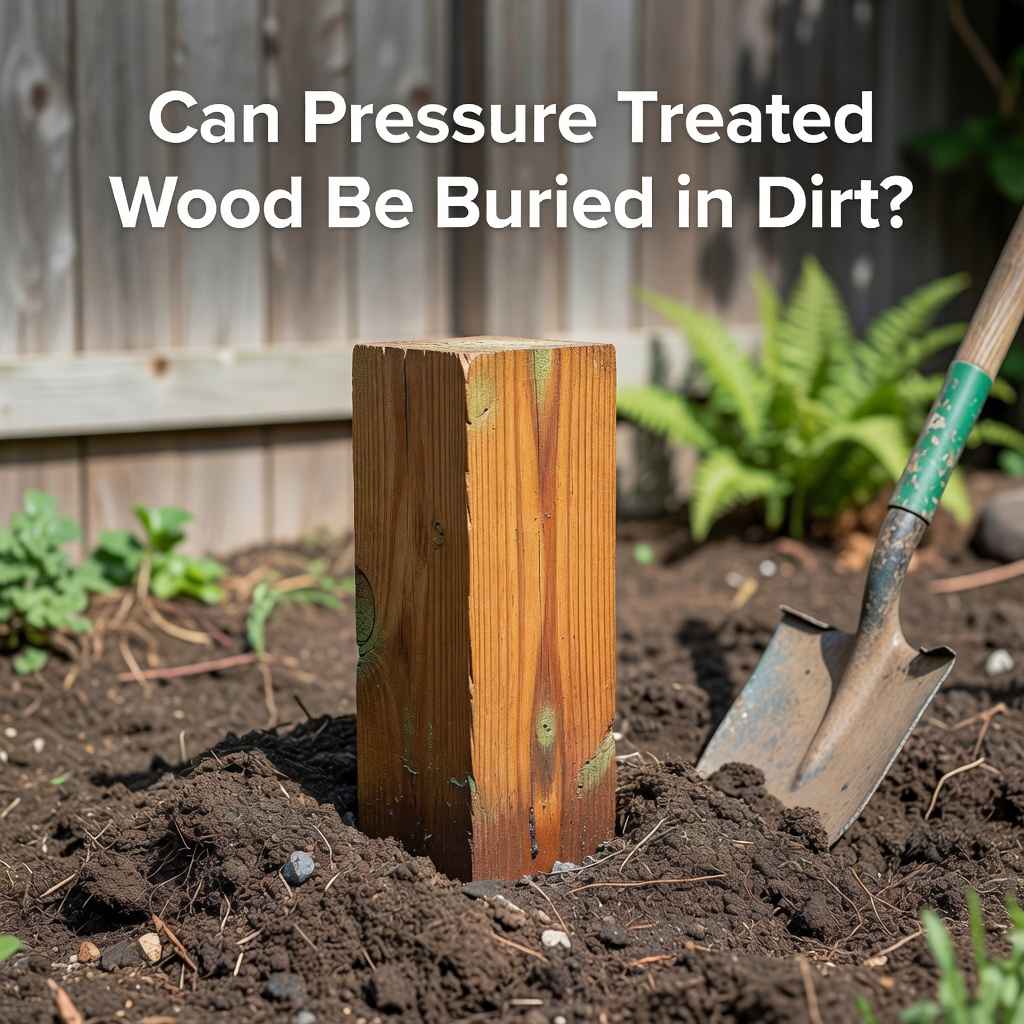
Can Pressure Treated Wood Be Buried in Dirt?
Many people wonder, Can Pressure Treated Wood Be Buried in Dirt? It’s a common question when you’re building something in your yard, like a garden bed or a fence. Sometimes, the information out there can seem a bit confusing, especially if you’re new to DIY projects. Don’t worry, though!
We’ll walk through everything you need to know in a simple, easy-to-follow way. Let’s find out exactly what works and what doesn’t.
Is It Okay To Bury Pressure Treated Wood
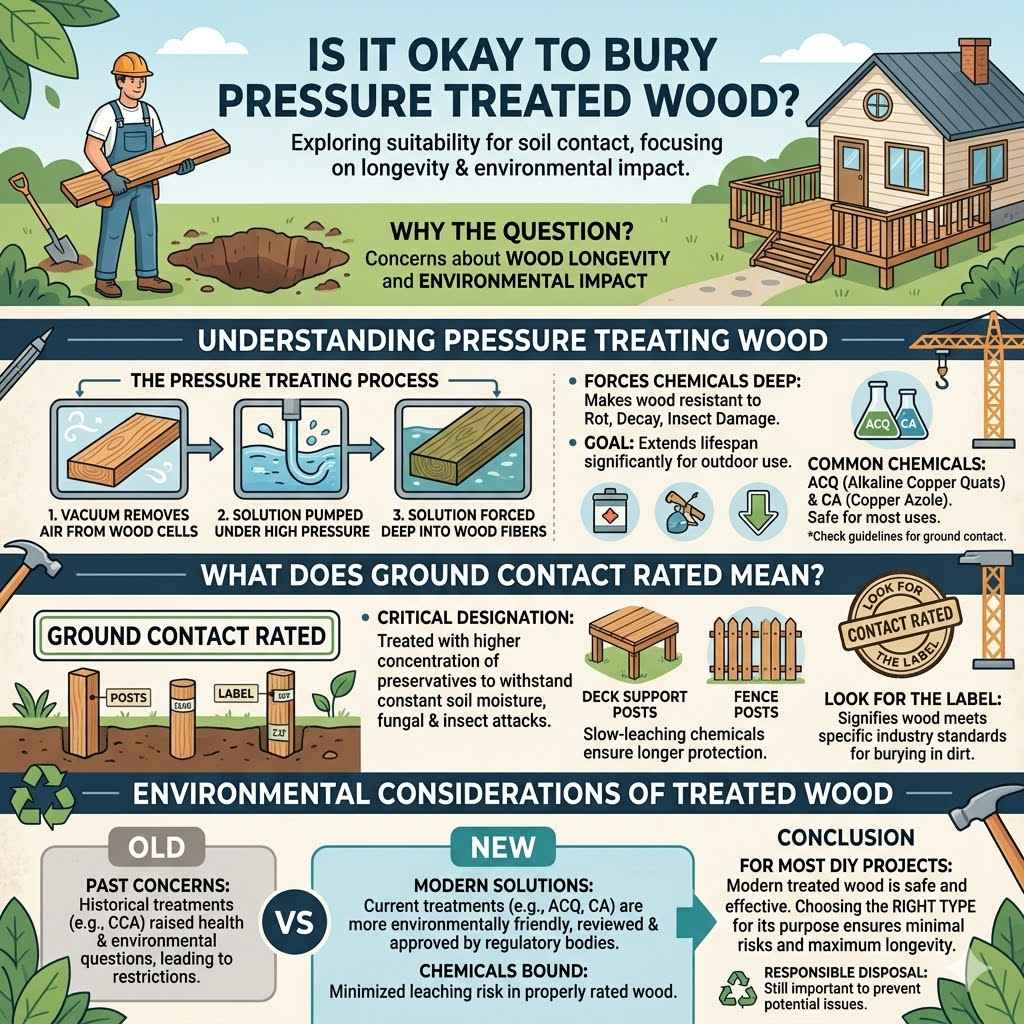
This section explores the fundamental question of whether pressure treated wood is suitable for direct contact with soil. We will discuss the reasons why this is a popular query among homeowners and builders, often stemming from concerns about wood longevity and environmental impact. Understanding the science behind wood treatment and its interaction with the ground is key to making informed decisions for your projects.
Understanding Pressure Treating Wood
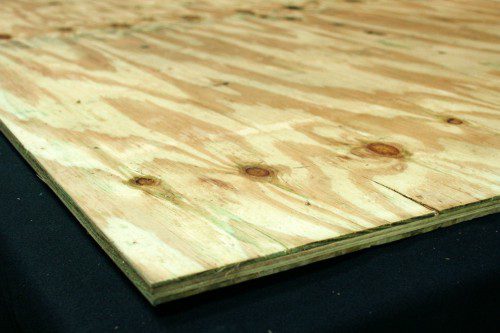
Pressure treating is a process that forces chemicals deep into the wood. This makes the wood resistant to rot, decay, and insect damage. These chemicals are designed to protect the wood from the elements and from living organisms that would otherwise break it down.
The goal is to extend the lifespan of the wood significantly, especially when it’s used outdoors.
Common chemicals used in pressure treating include alkaline copper quats (ACQ) and copper azole (CA). These are generally considered safe for most uses, but there are specific guidelines about their application, especially concerning ground contact. The effectiveness of the treatment depends on how well these chemicals penetrate the wood fibers.
The wood is placed in a sealed, airtight chamber. Then, a vacuum is pulled to remove air from the wood cells. After that, the treatment solution is pumped into the chamber under high pressure.
This forces the solution deep into the wood, ensuring comprehensive protection. This method is much more effective than surface application of preservatives.
The depth of penetration and the concentration of the treatment solution are crucial factors. These vary depending on the type of wood and its intended use. For example, wood intended for ground contact will be treated to a higher standard than wood meant for above-ground use.
What Does Ground Contact Rated Mean
Wood products are often rated for their suitability for “ground contact.” This means the wood has been treated with a higher concentration of preservatives specifically designed to withstand constant moisture and potential fungal or insect attacks from the soil. It’s a critical designation for anyone planning to bury wood.
Ground contact rated lumber is essential for structures like posts that are partially or fully submerged in the earth. This includes fence posts, deck support posts, and the foundation elements of many outdoor structures. Without this rating, standard treated lumber can degrade rapidly when in direct contact with damp soil.
The chemicals in ground contact rated wood are formulated to leach out much slower when exposed to moisture. This ensures the wood remains protected for a longer period. It’s a significant investment in the durability and safety of your construction projects, preventing premature failure.
When you see a tag or stamp on lumber that says “ground contact,” it signifies it has met specific industry standards for this demanding application. Always look for this label if your project involves burying wood. This is a key factor in answering the question, Can Pressure Treated Wood Be Buried in Dirt?
Environmental Considerations of Treated Wood
There have been historical concerns about the chemicals used in wood treatment and their potential impact on the environment, particularly when in contact with soil. Older treatments, like those using chromated copper arsenate (CCA), did raise some environmental and health questions. This led to restrictions and changes in the types of treatments used for residential applications.
Modern treatments, like ACQ and CA, have been developed to be more environmentally friendly. They still provide excellent protection but are considered safer for most uses. Regulatory bodies often review and approve these treatments to ensure they meet safety and environmental standards.
This ongoing research helps improve the safety of these products.
When wood is treated, the chemicals are bound within the wood fibers. This minimizes the risk of them leaching into the soil in significant amounts, especially with properly rated wood. However, responsible disposal of treated wood is still important to prevent any potential issues.
For most common DIY projects, the current pressure treating methods are considered safe and effective. The benefits of increased wood longevity usually outweigh the minimal environmental risks associated with modern treatments. It’s about choosing the right type of treated wood for its intended purpose.
How To Prepare Treated Wood For Burying
Proper preparation is vital to ensure the longevity of pressure treated wood when it will be in direct contact with soil. This section focuses on the steps you can take to maximize the wood’s resistance to moisture and decay, even though it’s already treated. Following these guidelines will help your project stand the test of time.
Checking The Wood For Treatment Type
Before burying any pressure treated wood, it’s essential to confirm the type of treatment it has received. Older CCA-treated wood should generally not be used for garden beds or areas where it will be in prolonged contact with soil that grows food. Modern treatments like ACQ and CA are typically safe for ground contact.
Look for stamps or tags on the lumber. These often indicate the treatment type and whether it is rated for ground contact. If there is no clear indication, it’s best to err on the side of caution and assume it may not be suitable for direct soil contact or food-related applications.
Seeking advice from the supplier is also a good option.
The treatment process can vary, and some wood may be treated for above-ground use only. This type of wood, while treated, will not withstand the constant moisture and potential microbial activity found in soil as effectively as ground-contact rated lumber. Always verify the rating for your specific project needs.
If you are unsure about the treatment, or if the wood is intended for a sensitive application like a vegetable garden, it is wise to avoid burying it. Opt for wood that is explicitly labeled for ground contact or explore alternative materials for your project. Your diligence here ensures both safety and durability.
Sealing Exposed Cut Ends
When you cut pressure treated wood, you expose fresh, untreated wood to the elements. These cut ends are vulnerable to moisture and decay, acting as entry points for rot and insects. It is critical to re-treat these exposed surfaces to maintain the wood’s protective barrier.
There are specialized wood preservatives available specifically for this purpose. These are typically liquid or spray applications that contain similar chemicals to the original treatment. Apply them liberally to all cut surfaces, ensuring complete coverage.
This step is often overlooked but is crucial for long-term protection.
Allow the preservative to dry completely according to the product’s instructions before proceeding. This ensures the chemicals have time to penetrate the exposed wood fibers. Proper sealing prevents the most vulnerable parts of the wood from degrading prematurely.
This simple step significantly enhances the wood’s ability to withstand burial in dirt. It’s a small effort that makes a big difference in the overall lifespan and structural integrity of your project. Always have a wood preservative handy when working with treated lumber.
Using A Gravel Base Or Barrier
Even with ground-contact rated wood, it is highly recommended to create a barrier between the wood and the soil where possible. A common and effective method is to use a layer of gravel or a protective membrane. This helps to improve drainage and reduce direct, prolonged contact with moisture.
When installing posts, for example, you can dig the hole, place a few inches of gravel at the bottom, set the post, and then backfill with gravel around the post before adding soil or concrete. This allows water to drain away from the base of the post, reducing the risk of rot.
For structures like raised garden beds, you can line the interior walls that will be in contact with the soil with a heavy-duty plastic sheeting or a specialized landscape fabric. This creates a physical barrier, preventing the soil’s moisture from directly saturating the wood. Ensure the barrier is securely attached.
These measures don’t replace the need for ground-contact rated wood but act as an extra layer of defense. They help to prolong the life of the wood by managing moisture levels more effectively, making your buried treated wood last much longer.
Can Pressure Treated Wood Be Buried in Dirt Safely
This section directly addresses the safety and practicalities of burying pressure treated wood. We will explore the conditions under which it is safe and effective, touching upon regulatory guidelines and best practices. Understanding these aspects ensures your projects are both durable and environmentally responsible.
Regulations And Guidelines For Treated Lumber
Regulatory bodies like the Environmental Protection Agency (EPA) in the United States set standards for the types of wood preservatives used and their approved applications. For residential use, especially in contact with soil, treatments have evolved to meet stricter safety and environmental criteria. This ensures consumer safety and minimized ecological impact.
The EPA registers pesticides, including wood preservatives, and dictates how they can be used. For wood intended for residential outdoor structures, including those in ground contact, specific treatment levels are required. These levels are designed to provide adequate protection against decay and insects without posing undue risks to human health or the environment.
It is important to follow the manufacturer’s guidelines and any local building codes. These often specify the type of treated wood required for different applications. Using the correct wood treatment for its intended purpose is key to safety and performance.
Always check labels and seek professional advice if you are unsure.
The shift away from CCA for most residential uses highlights the ongoing efforts to improve the safety profile of treated wood. Current treatments are subject to rigorous testing and review to ensure they meet these evolving standards.
When It Is Not Recommended To Bury Treated Wood
There are specific scenarios where burying pressure treated wood is not recommended, even if it is rated for ground contact. One key area is in vegetable gardens or any application where the wood might directly contact food crops. While modern treatments are safer, there is still a preference to avoid any potential for chemical transfer into the soil or plants.
Additionally, if the wood is not explicitly rated for ground contact, it should not be buried. Wood treated only for above-ground use will degrade much faster when exposed to constant soil moisture and potential fungal growth. This can lead to structural failure of your project.
Old CCA-treated wood should also be avoided for direct soil contact, especially in residential settings. While it was once common, concerns about arsenic leaching have led to its restricted use. Proper disposal of old CCA-treated wood is also important.
If you are building structures that will be frequently accessed by children or pets, and there’s a risk of them chewing on the wood, it might be wise to use alternative materials or ensure adequate protection. Though modern preservatives are less toxic, caution is still warranted.
For applications where extreme longevity is paramount, or where environmental concerns are very high, using naturally rot-resistant woods like cedar or redwood, or inorganic materials like concrete or plastic lumber, might be better choices. However, for most typical outdoor projects, properly rated pressure treated wood can be an effective solution.
Real-World Example A Raised Garden Bed
Consider a homeowner wanting to build a raised garden bed for growing vegetables. They purchased lumber treated with ACQ and clearly marked for ground contact. To ensure safety and longevity, they decided on a few extra steps.
- They lined the inside of the bed with heavy-duty plastic sheeting, stapling it securely to the top edges. This created a barrier between the soil and the wood.
- When constructing the bed, they made sure all cut ends were thoroughly coated with a liquid wood preservative designed for treated lumber.
- The area where the bed would sit was prepared with a layer of landscape fabric to suppress weeds and then topped with a few inches of gravel for drainage, further reducing direct soil contact.
By taking these precautions, the homeowner maximized the lifespan of the raised bed and minimized any potential concerns about chemicals interacting with their vegetables. The bed has held up well over several seasons, showing no signs of premature rot or degradation.
Real-World Example Fence Posts
A contractor was installing a new privacy fence. They opted for pressure treated pine posts specifically rated for ground contact. The project required setting dozens of posts into the ground.
- For each post hole, they dug deeper than usual and added a 4-inch layer of gravel at the bottom for drainage.
- The posts were set in the holes, and then gravel was used to backfill around the posts up to the ground level. This allowed water to drain away from the bottom of the posts.
- Before setting the posts, they ensured all cut ends were sealed with a wood preservative.
This method of setting posts in gravel not only improves drainage but also reduces the amount of direct wood-to-soil contact, extending the life of the fence posts. The fence has remained stable and free from rot for many years, demonstrating the effectiveness of these preparation steps.
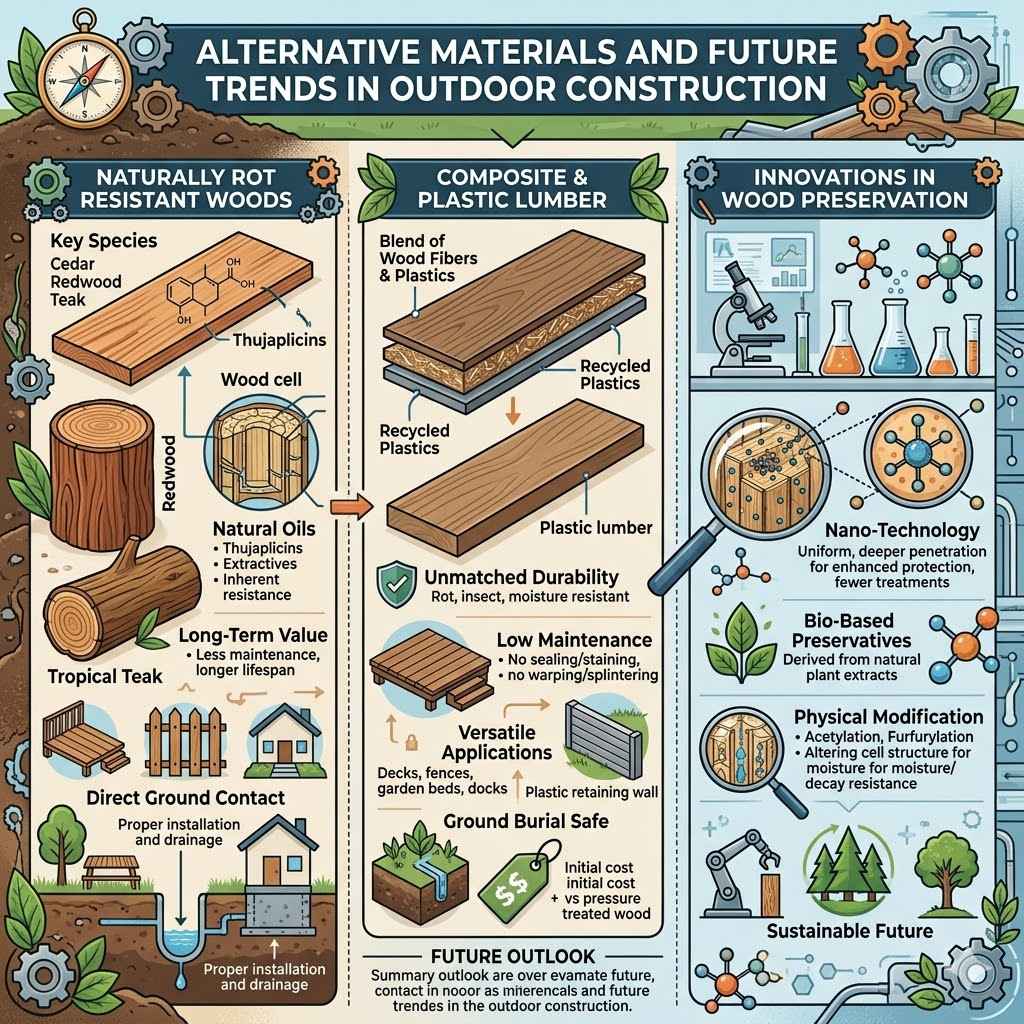
Alternative Materials And Future Trends
While pressure treated wood remains a popular choice, exploring alternatives and understanding future trends can offer valuable insights for outdoor construction. This section looks at other materials that can be buried in dirt and what innovations might be on the horizon for wood treatment.
Naturally Rot Resistant Woods
Some wood species possess natural oils and compounds that make them inherently resistant to rot and insect attack. These woods can be an excellent alternative to pressure treated lumber, especially for applications where direct ground contact is unavoidable and a more natural aesthetic is desired.
Examples include cedar, redwood, and certain tropical hardwoods like teak or ipe. These woods are often more expensive than pressure treated pine, but their natural durability can make them a cost-effective choice over the long term, as they require less maintenance and have a longer lifespan.
Cedar, for instance, contains natural oils called thujaplicins, which act as a natural preservative. Redwood is also rich in extractives that deter insects and fungi. These woods are often chosen for decking, fencing, and outdoor furniture for their beauty and longevity.
While naturally resistant, these woods are not entirely impervious to decay, especially in constantly wet conditions. However, their natural resilience means they perform exceptionally well in ground contact applications compared to untreated non-resistant woods. Proper installation and design that promotes drainage will still enhance their lifespan.
Composite And Plastic Lumber
Composite lumber, made from a blend of wood fibers and plastics, and entirely plastic lumber offer highly durable and low-maintenance alternatives for outdoor projects. These materials are resistant to rot, decay, insects, and moisture.
Composite lumber often mimics the look and feel of real wood but requires minimal upkeep. It doesn’t need sealing or staining and is less prone to warping or splintering. This makes it an attractive option for decks, fences, and garden beds.
Plastic lumber, made from recycled plastics, is even more resilient. It is impervious to water and won’t rot or decay. This makes it ideal for applications where extreme durability and resistance to harsh conditions are needed, such as dock pilings or permanent landscaping features.
Both composite and plastic lumber can be safely buried in dirt without concerns about degradation. They are excellent choices for projects where longevity and minimal maintenance are top priorities. However, their initial cost can be higher than pressure treated wood, and they may not offer the same natural aesthetic that some people prefer.
Innovations In Wood Preservation
The field of wood preservation is continuously evolving. Researchers are exploring new methods and chemicals to enhance wood’s resistance to decay and insects while further reducing environmental impact. These innovations aim to create treatments that are more effective, longer-lasting, and safer for both users and the environment.
One area of research involves nano-technology. Applying nanoparticles can potentially create a more uniform and deeper penetration of preservatives, offering enhanced protection. This could lead to wood that lasts even longer and requires fewer treatments over its lifetime.
Another trend is the development of bio-based preservatives derived from natural sources, such as plant extracts. These aim to
There is also ongoing work on improving the durability of wood through physical modification processes, such as acetylation or furfurylation, which alter the wood’s cell structure to make it more resistant to moisture and decay. These methods offer a way to enhance wood’s natural properties without relying on traditional chemical preservatives.
These advancements hold promise for the future of wood construction, offering even better performance and sustainability for wood products, including those used in ground contact applications.
Frequently Asked Questions
Question: Can I bury standard pressure treated lumber that is not rated for ground contact?
Answer: It is generally not recommended to bury standard pressure treated lumber that is not explicitly rated for ground contact. This type of wood is treated for above-ground use and will degrade much faster when exposed to constant soil moisture and potential decay-causing organisms.
Question: Are modern pressure treated woods safe for vegetable garden beds?
Answer: Modern pressure treated woods, such as those treated with ACQ or CA, are generally considered safe for above-ground use and some ground contact applications. However, for vegetable garden beds where wood directly contacts soil that grows food, many prefer to use plastic liners or naturally resistant woods to avoid any potential concerns about chemical transfer.
Question: How long does pressure treated wood last when buried?
Answer: The lifespan of buried pressure treated wood can vary significantly based on the treatment level, the specific wood species, soil conditions, and moisture levels. Ground-contact rated lumber, properly prepared and installed, can last 15-25 years or even longer, while wood not rated for ground contact will likely fail much sooner.
Question: Do I need to seal pressure treated wood before burying it?
Answer: While pressure treated wood is designed to resist rot, it’s highly recommended to seal any cut ends after treating. Cutting exposes untreated wood, making it vulnerable. Applying a wood preservative to these cut surfaces ensures the entire piece of wood remains protected and extends its buried lifespan.
Question: Can pressure treated wood contaminate groundwater?
Answer: With modern pressure treated wood and proper installation practices, the risk of significant groundwater contamination is very low. The chemicals are bound within the wood fibers, and leaching is minimal. However, using appropriate ground contact rated wood and, where possible, a barrier can further reduce any potential environmental impact.
Summary
Yes, you can bury pressure treated wood in dirt, but it must be rated for ground contact. Always seal cut ends and consider a gravel base for better drainage. Modern treatments are safer, but avoid direct soil contact for food gardens.
Proper preparation ensures your buried treated wood lasts for many years.