Marine Pressure Treated Wood: AWPA Ratings & Real Lifespan
Marine pressure-treated wood is lumber treated to AWPA Use Category UC4B (freshwater/ground contact) or UC5B/UC5C (saltwater and marine-borer exposure) standards — not the same treatment level as deck or fence lumber. Saltwater immersion requires roughly 6x the preservative retention of standard ground-contact lumber, and using the wrong category is the single most common reason a “treated” dock timber fails early. This guide covers real AWPA retention levels by use category, which preservative chemicals are actually rated for saltwater, and how long each realistically lasts.
AWPA Use Categories: The Standard That Actually Matters
Marine Fastener Pick
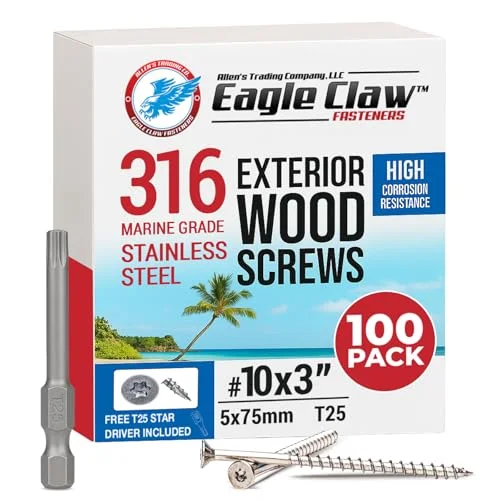 |
Allen’s Trading Co. #10 x 3″ 316 Stainless Steel Marine Screws (100-Pack) – $44.95 Type 316 stainless is the fastener spec this guide recommends for saltwater exposure and contact with copper-based marine preservatives — standard 304/18-8 stainless will pit in the same conditions.
|
The American Wood Protection Association (AWPA) defines exposure-based use categories, and marine work spans three of them, not one generic “marine grade” label:
| Use Category | Exposure | Typical Application |
|---|---|---|
| UC4B | Ground or freshwater contact, high decay hazard | Freshwater dock posts, lakeside bulkheads |
| UC5B | Salt or brackish water, moderate marine borer hazard | Coastal docks, most saltwater pilings |
| UC5C | Salt water with severe marine borer hazard (e.g., Limnoria tripunctata) | Southern coastal waters with aggressive borer activity |
A board labeled simply “pressure treated” at a home center is almost always treated to a UC3B or UC4A ground-contact level meant for decks and fences — nowhere near what UC5B/UC5C saltwater exposure requires. Buying marine lumber means asking for it by use category, not by the generic “pressure treated” label.
Preservative Retention: Why the Number on the Tag Matters
Retention is measured in pounds of preservative per cubic foot of wood (pcf) and is stamped on the treatment tag. For CCA (chromated copper arsenate), common retention levels run .60, .80, 1.0, 1.5, and 2.5 pcf — 2.5 pcf is the maximum CCA treatment level, reserved for saltwater immersion in UC5B/UC5C applications. A post treated to .40 pcf (typical ground-contact decking) has roughly one-sixth the preservative loading of a 2.5 pcf marine piling, which is why a standard deck post rots at the waterline within a few years if used as a dock piling instead.
Which Preservative Chemicals Are Actually Rated for Saltwater
Not every pressure-treatment chemical is approved for marine use:
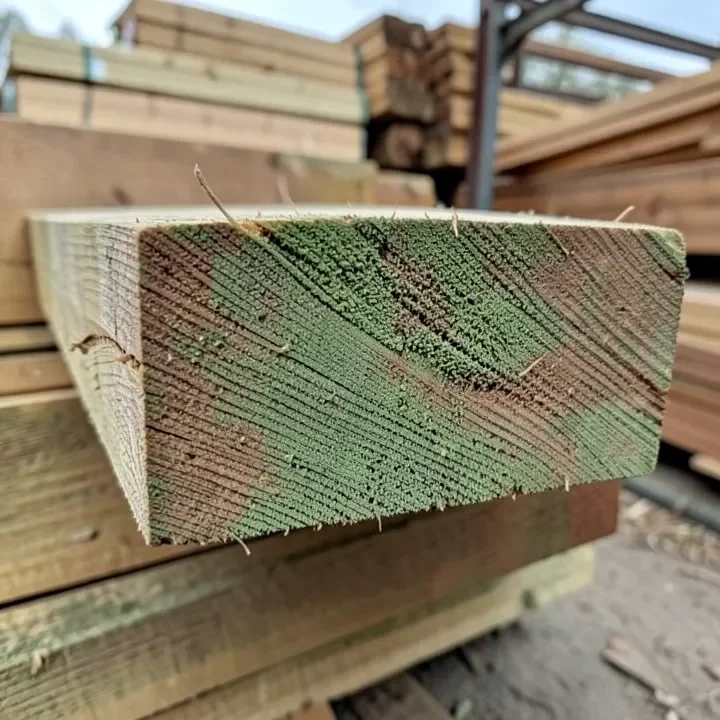
- CCA (chromated copper arsenate): the long-standing marine standard at 2.5 pcf retention; still permitted for marine/industrial use in the U.S. under EPA restrictions, even though CCA was phased out of most residential lumber in 2004.
- ACZA (ammoniacal copper zinc arsenate): the dominant marine treatment on the U.S. West Coast, often dual-treated with creosote for pilings in the harshest exposures.
- Micronized copper or ACQ at residential retention levels: not rated for saltwater immersion — these are ground-contact formulations and will fail well short of a marine piling’s expected service life.
Realistic Lifespan by Application
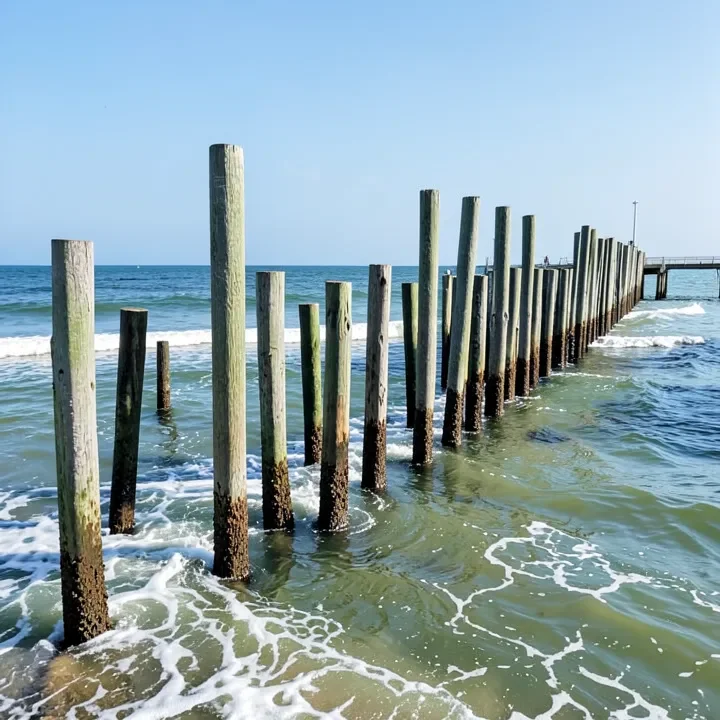
Properly specified marine lumber (correct use category, correct retention, correct chemical) commonly reaches 20–30+ years in service, but that range assumes the wood was actually rated for the exposure it’s in — a ground-contact board substituted into saltwater immersion can fail in under 5 years regardless of how “treated” the label claims it is. Regular inspection at the waterline, where oxygen and moisture both concentrate and decay risk is highest, catches problems long before a piling fails structurally.
Fasteners: The Detail Most Marine Projects Get Wrong
Standard 18-8 (type 304) stainless steel fasteners pit and corrode in saltwater and in ACQ-treated lumber’s higher copper content. Type 316 stainless, which adds molybdenum for chloride resistance, is the correct spec for both saltwater exposure and direct contact with copper-based marine preservatives — using standard hardware-store stainless or plain galvanized fasteners on a marine project is one of the most common corrosion failures that has nothing to do with the wood treatment itself.
Marine Lumber vs. the Alternatives
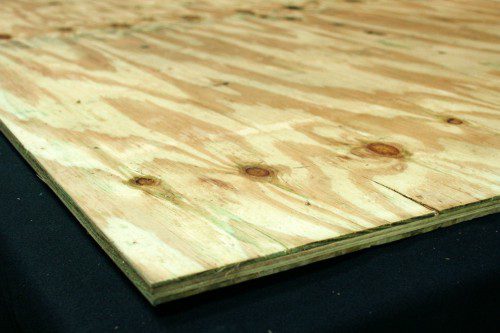
Untreated wood has no place in marine construction — rot and marine borers attack it within one to two seasons in saltwater. Composite decking resists rot entirely but isn’t rated for structural pilings; it’s a surface material, not a load-bearing substitute. Concrete and steel pilings outlast wood in raw durability but cost significantly more to install and, for steel, still need corrosion protection in saltwater. For most residential docks and bulkheads, correctly specified UC5B/UC5C treated timber remains the most cost-effective structural choice. If marine grade plywood is also on your shortlist for the decking or hull panels themselves, see our full marine grade plywood vs pressure treated comparison for how the two stack up on water resistance and cost.
Frequently Asked Questions
What is marine pressure treated wood treated with?
Genuine marine-rated lumber is treated with CCA (chromated copper arsenate) at up to 2.5 pcf retention, or with ACZA (ammoniacal copper zinc arsenate), which is the dominant marine treatment on the U.S. West Coast. Standard residential ACQ or micronized copper treatments are not rated for saltwater immersion.
What treated wood rating is required for docks under water?
Submerged dock components need AWPA Use Category UC5B (saltwater, moderate marine borer hazard) or UC5C (severe marine borer hazard) at a minimum, with CCA retention around 2.5 pcf. Freshwater-only applications can use the lower UC4B category instead.
How long does treated wood last in saltwater?
Correctly specified marine-grade lumber (proper use category and retention level) commonly lasts 20 to 30-plus years in saltwater. Ground-contact-only lumber substituted into saltwater immersion can fail in under 5 years, since it carries roughly a sixth of the preservative retention marine exposure requires.
Can marine treated wood be painted?
Yes, above the waterline — let the wood dry fully, use a primer rated for treated lumber, and expect to maintain the finish periodically. Below the waterline, paint and stain aren’t practical maintenance items; the preservative treatment itself is what’s doing the protective work there.
Conclusion
“Marine pressure treated” isn’t one product — it’s a use-category and retention-level specification, and buying generic “pressure treated” lumber for saltwater exposure is the most common way marine wood projects fail early. Ask for wood by AWPA use category and retention level, match your fasteners to 316 stainless, and a wood dock or bulkhead reasonably lasts decades rather than a handful of years.
Sponsored / affiliate links. As an Amazon Associate I earn from qualifying purchases. I may earn additional commission from eligible campaigns.