How to Build a DIY Wood and Metal Fence
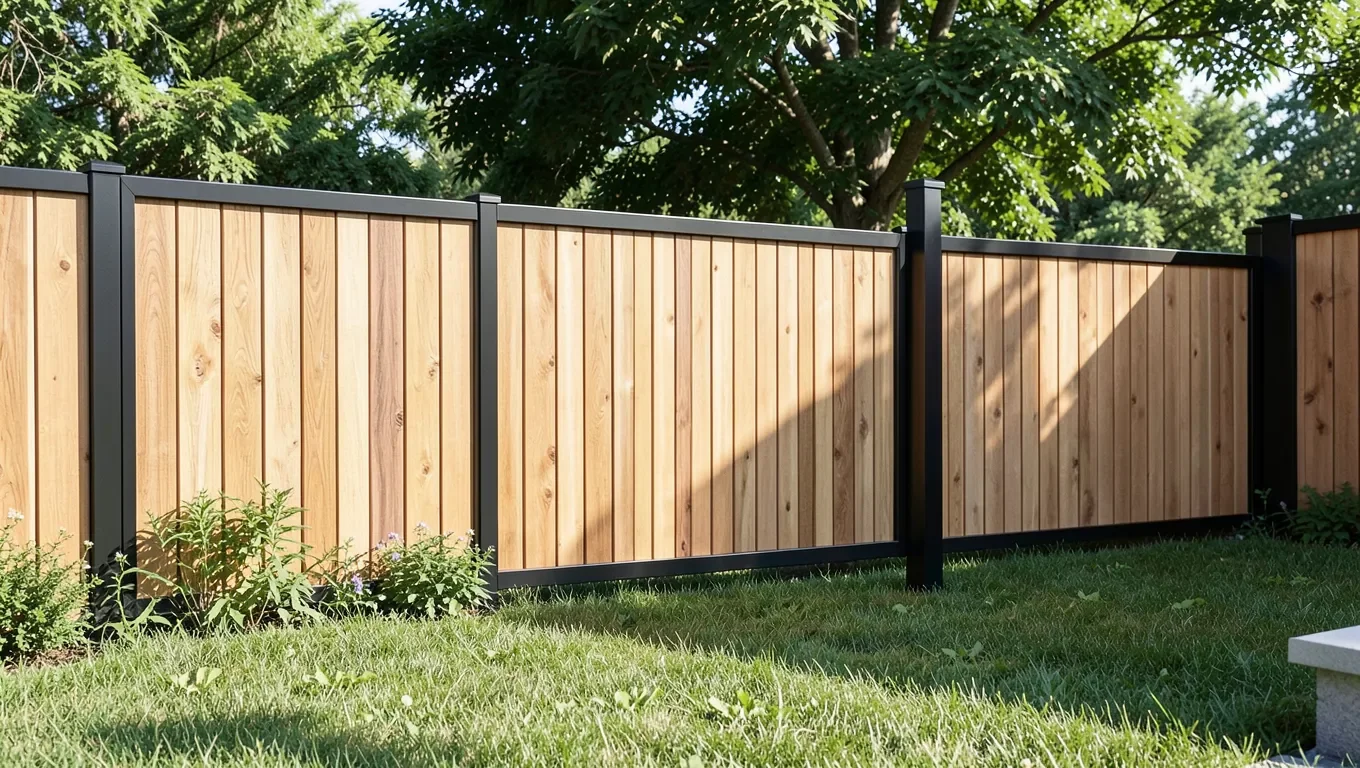
The most durable and common wood-and-metal fence design uses metal posts (steel or aluminum) set in concrete with wood panels or pickets attached between them via steel brackets – metal handles the structural load and resists rot at ground contact, while wood provides the fill panels for privacy and a natural look. This combination genuinely outperforms either material alone: metal posts sidestep the #1 failure point of all-wood fences (post rot at the ground line), while wood panels cost less than a full metal fence and are easy to repair or replace individually.
Why Metal Posts, Wood Panels Is The Standard Combo
Best Bracket For Wood-To-Metal Fence Joints
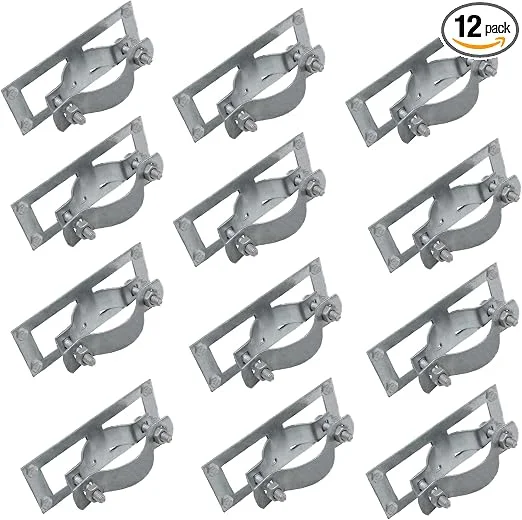 |
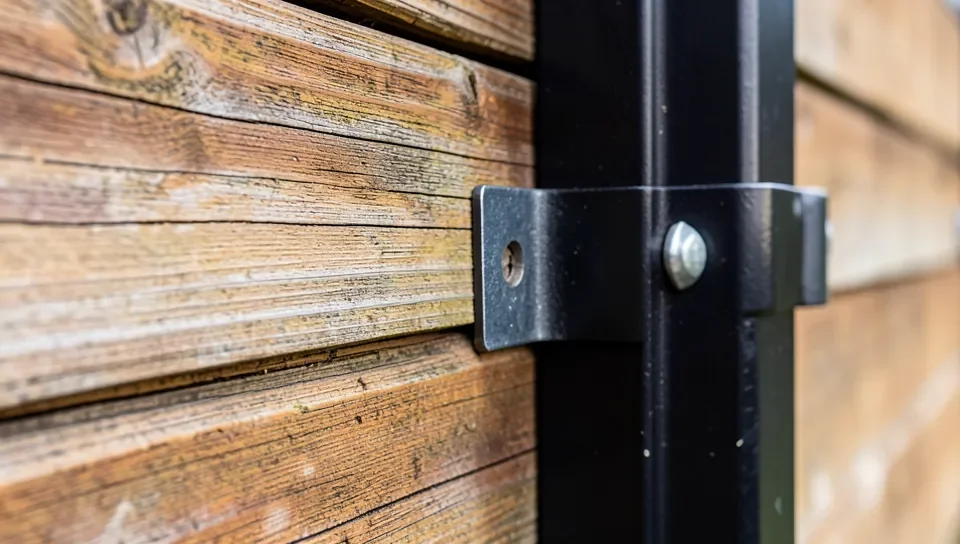
SupConn Steel-to-Wood Fence Brackets, 2-3/8″, 12-Pack – $39.99 This is the actual connector piece that makes a wood-and-metal fence work – it clamps around a round or square metal post and gives you a flat face to screw wood panels into.
|
- Ground-level rot is where all-wood fences actually fail first – the post section at and just below grade stays damp longest and rots years before the rest of the fence. Metal posts eliminate this specific failure point entirely.
- Wood panels between metal posts cost meaningfully less than an all-metal fence while still getting the structural benefit where it matters most – at the ground.
- Individual wood panels are simple to unscrew and replace if damaged, without touching the posts – a real practical advantage over an all-wood fence where a rotted post means resetting concrete.
Choosing Materials
- Wood: cedar or redwood resist rot naturally and don’t need pressure treatment; pine is cheapest but needs treatment and more frequent resealing to last. Pick based on budget and how much maintenance you actually want to do.
- Metal posts: galvanized steel is the standard for strength and cost; aluminum is lighter and won’t rust but costs more and has less lateral strength for tall/heavy panels.
- Fasteners: use galvanized or stainless screws throughout – regular steel fasteners will rust and streak both the wood and any painted metal within a year or two.
Planning And Layout
- Measure the fence line and mark post locations, spacing posts 6-8 feet apart for standard panel sizes.
- Call 811 (or your local utility locate service) before digging, every time – hitting a buried line is a real, serious risk, not just a formality.
- Confirm property lines and check local height/setback rules before you dig a single hole – a fence built over the line or out of code can mean an expensive redo.
Setting The Metal Posts
- Dig post holes about 1/3 the post’s above-ground height deep – a 6-foot fence typically wants roughly 2 feet of post in the ground.
- Add a few inches of gravel at the bottom of each hole for drainage before setting the post – this keeps the post base from sitting in standing water.
- Set posts plumb (check with a level on two adjacent sides, not just one) before the concrete goes in – an out-of-plumb post is very hard to fix after the concrete cures.
- Fill with concrete and let it cure fully per the product’s label (usually 24-48 hours minimum) before attaching any panels – loading a post before the concrete sets can knock it out of alignment.
Attaching Wood Panels To Metal Posts
- Use steel-to-wood brackets (like the pick above) that clamp around the metal post and give you a flat surface to screw the wood panel into directly – trying to screw wood straight into a round metal post doesn’t give a reliable grip.
- Check each panel for level before final tightening, and keep spacing consistent along the run for a professional look.
- Leave a small gap at the bottom of wood panels/pickets (an inch or two) rather than letting them touch the ground – direct ground contact is what starts rot even on rot-resistant species.
Maintenance
- Reseal or restain wood panels every 1-3 years depending on climate and sun exposure – this is what actually delivers a wood species’ expected lifespan.
- Touch up scratches on painted/galvanized metal promptly – a scratch through the coating is where rust actually starts, so catching it early is much cheaper than a full repaint later.
- Inspect brackets and fasteners annually and tighten or replace any that have worked loose, especially after storms.
Frequently Asked Questions
What Materials Are Needed For A Wood And Metal Fence?
Metal posts (steel or aluminum), wood panels or pickets, steel-to-wood brackets to connect them, galvanized fasteners, concrete for setting the posts, and a weather-resistant finish for the wood.
How Do I Attach Wood Panels To Metal Fence Posts?
Use steel-to-wood brackets that clamp around the metal post and give you a flat face to screw the wood panel into – screwing wood directly into a round metal post doesn’t give a reliable grip.
What Are The Benefits Of A Wood And Metal Fence Over All-Wood?
Metal posts eliminate ground-level rot, which is the actual failure point that ends most all-wood fences. Wood panels still cost less than an all-metal fence and are easy to replace individually if one is damaged.
How Long Does A DIY Wood And Metal Fence Last?
With proper post-concrete curing, correct bracket connections, and regular wood resealing, 15-25+ years is realistic – the metal posts typically outlast several rounds of wood panel maintenance/replacement.
Conclusion
A wood-and-metal fence works because it puts each material where it’s actually strongest: metal posts handle the structural load and ground contact, wood panels handle the fill, look, and easy repairs. Get the post concrete cured fully and use real steel-to-wood brackets rather than screwing straight into the post, and this combination genuinely outlasts an all-wood fence.
Sponsored / affiliate links. As an Amazon Associate I earn from qualifying purchases. I may earn additional commission from eligible campaigns.