Can Walking on Hardwood Floors Cause Knee Pain? Exploring the Issue
It’s common to wonder, Can Walking on Hardwood Floors Cause Knee Pain? Many people experience discomfort when walking on these surfaces, especially those new to them. This can feel tricky, but don’t worry! We’re here to help you figure out why this happens and give you simple steps to feel better. We’ll explore the causes and offer straightforward solutions. So, let’s begin!
What Makes Hardwood Floors Tough on Knees?
Hardwood floors, while beautiful, can be surprisingly hard on your joints. This is because they offer very little give or cushioning compared to surfaces like carpet. When you walk, your body absorbs the impact, and your knees take on a lot of the force. Over time, or with certain existing conditions, this can lead to pain. The hardness of the surface means there is minimal shock absorption, which increases the stress on your joints. This lack of cushioning is a primary reason why folks experience discomfort.
The Impact of Surface Rigidity
The key issue is the rigidity of hardwood. Unlike carpet, which has fibers that compress and absorb impact, hardwood floors are unyielding. Each step sends a shockwave through your body. This impact travels up from your feet to your ankles, knees, hips, and even your back. The repetitive nature of this impact, with each foot strike, puts additional stress on your knee joints, which are already designed to handle a lot. This repeated stress can cause inflammation and pain. People often experience pain in the kneecap or behind the knee.
- Shock Absorption: The absence of shock absorption means your body has to absorb all the impact force directly. This is unlike walking on softer surfaces.
- Foot Strike: The way you walk on a hard surface is different. Your gait changes. Often, you land with a more direct foot strike, which can cause more impact.
- Wear and Tear: Over time, the repeated stress can lead to wear and tear in the cartilage and other tissues of the knee.
Think about a dancer. They are constantly jumping and landing. Over time, that impact can result in joint pain. Even a small amount of impact, repeated, can create pain. A dancer can experience this on any hard floor, whether wood, tile, or concrete.
The Role of Footwear
Your shoes play a significant role in how your knees feel on hardwood. Wearing shoes with insufficient cushioning or arch support can worsen the problem. Conversely, appropriate footwear can make a huge difference. Shoes that absorb shock and support your arches will greatly reduce the impact on your knees. Supportive shoes can redistribute the force away from your knees, helping reduce the discomfort. Proper footwear is essential when you frequently walk on these types of surfaces. Choosing the right shoes is a proactive measure.
- Cushioning Materials: Look for shoes with good cushioning, like those made from gel or memory foam.
- Arch Support: Ensure your shoes offer good arch support to help distribute your weight evenly.
- Heel Height: Avoid high heels, as they place additional stress on your knees.
- Shoe Fit: Make sure your shoes fit properly; poorly fitting shoes can also contribute to knee pain.
Consider the difference between running on a track versus running on concrete. The track’s shock absorption helps protect your knees, but concrete provides no such protection. The right footwear provides similar benefits to a track.
Weight and Its Influence
Body weight is another factor. The more you weigh, the more force goes through your knees with each step. Even a small amount of extra weight can significantly increase the stress on your joints, particularly when walking on hard surfaces. Managing your weight can ease the pressure on your knees and reduce pain. Losing even a few pounds can result in less stress on the knee. This is especially true for heavier individuals.
- Increased Load: Each step puts a load on the knee. More weight equals more load.
- Cartilage Damage: Extra weight can speed up cartilage wear and tear, leading to knee pain.
- Inflammation: Extra weight can worsen inflammation in the knee joint.
- Lifestyle: Exercise and a healthy diet can contribute to weight management and knee health.
Imagine carrying a backpack. The heavier the backpack, the more strain you feel. The knee is similar: extra weight increases the strain on your knee joints. The impact of weight can lead to a great deal of discomfort.
Why Does Can Walking on Hardwood Floors Cause Knee Pain? Conditions
Several underlying conditions can make walking on hardwood floors particularly painful. Arthritis, both osteoarthritis and rheumatoid arthritis, is a common culprit. These conditions cause inflammation and damage to the cartilage in the knee, making it more sensitive to impact. Other conditions, like meniscal tears or ligament injuries, can also exacerbate the problem. Recognizing these conditions and seeking proper medical care is essential for managing pain and preventing further damage.
Osteoarthritis and Knee Pain
Osteoarthritis is a degenerative joint disease that commonly affects the knees. It causes the cartilage in the knee to break down, leading to pain, stiffness, and swelling. Walking on hardwood floors can worsen these symptoms because the lack of cushioning amplifies the stress on the already damaged joint. The friction between bones increases, causing pain. Over time, it can lead to further degradation of the cartilage. This makes it difficult to walk without pain.
- Cartilage Breakdown: The cartilage cushions your joints. Osteoarthritis causes this to break down.
- Inflammation: This breakdown causes inflammation, which leads to pain and swelling.
- Bone Spurs: Bone spurs can form as the body tries to repair the damage.
- Painful Movement: Walking becomes painful because the bones rub together.
Think of the cartilage like a sponge between the bones. As the sponge wears down, the bones start to rub together, causing pain. That is what happens with Osteoarthritis. The hard surface makes it worse because it offers no protection.
Other Conditions and Impacts
Other conditions can make knee pain on hardwood floors more significant. Rheumatoid arthritis, an autoimmune disorder, can cause inflammation and damage to the joint lining. Injuries such as meniscal tears or ligament strains can lead to pain and instability. Pre-existing conditions mean that any additional stress from the hard surface will worsen the pain. Addressing the underlying condition is crucial to get any relief.
- Rheumatoid Arthritis: This autoimmune disease can cause joint inflammation.
- Meniscal Tears: A tear in the meniscus can cause pain, especially with impact.
- Ligament Injuries: Injuries, such as ACL tears, can make the knee unstable.
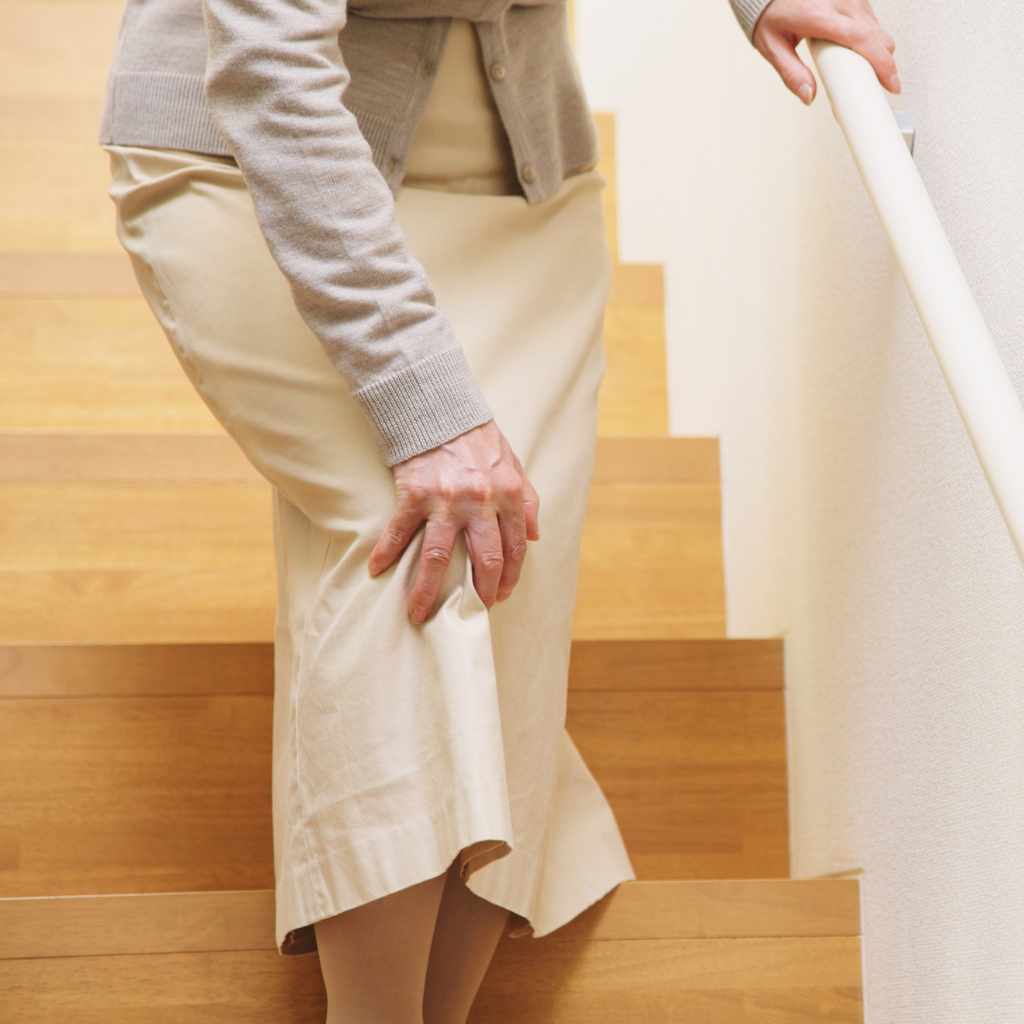
- Patellofemoral Pain Syndrome: This causes pain around the kneecap, especially when going up or down stairs.
Imagine a tire with a slow leak. A small bump in the road can be a major problem. That is similar to an injury. A hard surface can trigger a lot of pain. Proper diagnosis and treatment are very important.
Age and Deterioration
Age plays a role in knee pain. As we get older, our joints naturally start to deteriorate. The cartilage becomes thinner, and the tissues become less resilient. The impact from walking on hard surfaces can be particularly problematic for older adults. The ability to absorb shock decreases with age. This makes the knee more prone to pain. Aging is often a factor that contributes to this.
- Cartilage Thinning: With age, cartilage loses water and becomes thinner.
- Reduced Lubrication: Joint fluid, which lubricates the joints, decreases.
- Muscle Weakness: Muscles around the knee can weaken, reducing support.
- Increased Pain Sensitivity: Older adults may experience pain more intensely.
Think of a car with old shocks. It will absorb bumps less effectively. Your knees have a similar function. The result is more pain. It is a natural process that adds up over time.
Solutions to Reduce Knee Pain on Hardwood Floors
Fortunately, there are several things you can do to reduce knee pain when walking on hardwood floors. Modifying your environment, such as adding rugs or mats, can provide much-needed cushioning. Improving your footwear by wearing supportive shoes can make a significant difference. Other strategies include exercises, using assistive devices, and seeking medical treatments. Combining these approaches will often provide the greatest relief, improving your comfort and mobility.
Modify Your Environment
Simple changes to your environment can provide much relief. Placing rugs and mats in high-traffic areas can significantly reduce the impact on your knees. Thicker rugs offer better cushioning. Consider placing mats in front of the sink or stove, where you stand for longer periods. These modifications can dramatically lessen the stress on your joints. These solutions offer immediate cushioning, reducing the impact.
- Rugs and Carpets: Place rugs in high-traffic areas to absorb impact.
- Mats: Use anti-fatigue mats in the kitchen or workspace.
- Flooring Type: Consider alternative flooring options if you are building or remodeling, such as softer materials like cork or vinyl.
- Furniture Placement: Arrange furniture to encourage movement on softer surfaces like rugs.
Imagine walking on a sidewalk versus walking on grass. The grass cushions your steps. Rugs and mats act similarly, absorbing some of the impact. The idea is to break up the hard surface where you can.
The Benefits of Proper Footwear
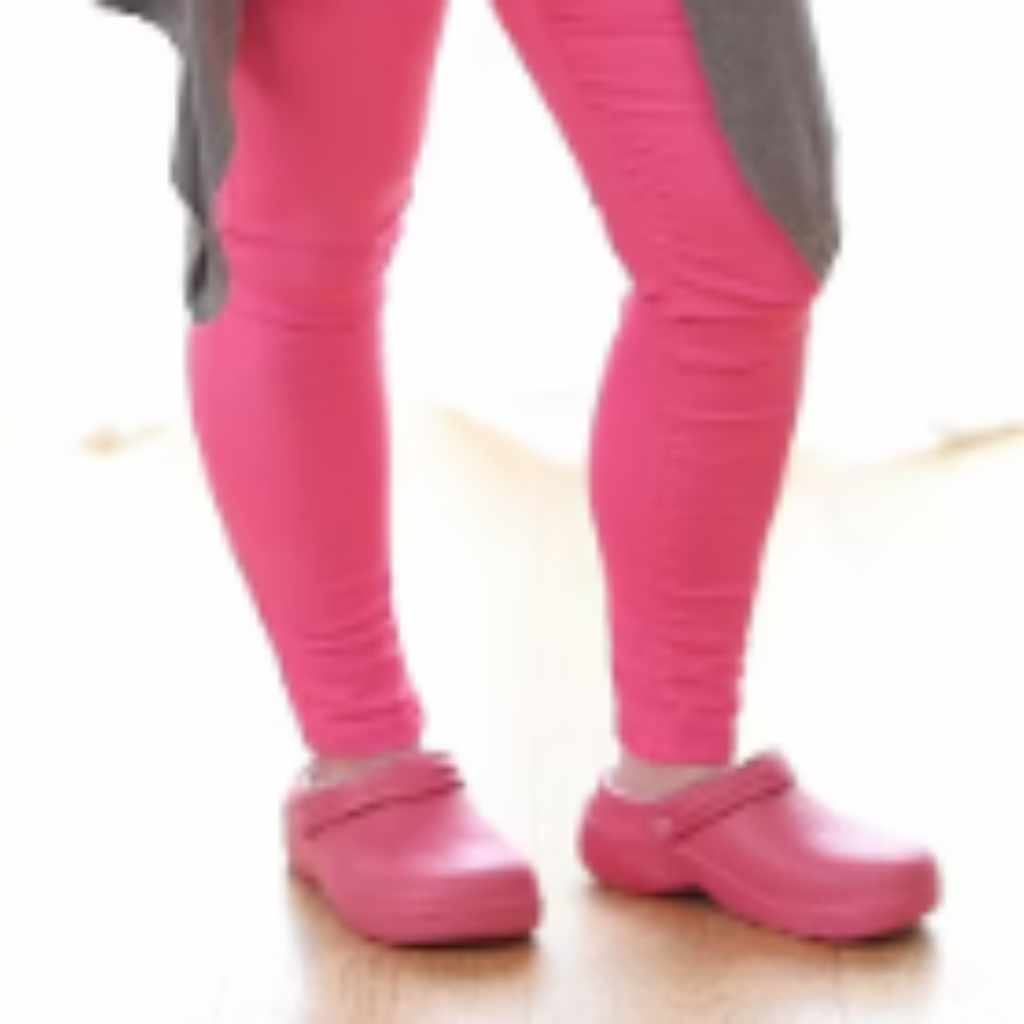
Choosing the right shoes is important. Shoes with good cushioning, arch support, and proper fit can significantly reduce the stress on your knees. Look for shoes with thick soles made of materials like gel or memory foam. Make sure that the shoes provide good arch support to help distribute your weight evenly. Avoid high heels, as these put unnecessary strain on your knees. Replacing worn-out shoes can make a big difference, as well. Proper shoes can make walking on the hard surface tolerable.
- Cushioning: Choose shoes with cushioned soles to absorb impact.
- Arch Support: Ensure your shoes offer good arch support to maintain proper alignment.
- Shoe Fit: Make sure your shoes fit properly; they should not be too tight or too loose.
- Material: Look for materials that mold to the foot and offer support.
Think about the difference between walking barefoot and walking in running shoes. The running shoes offer much more support and cushioning. Your shoes can make a huge difference in your knee comfort. The right pair of shoes can absorb the impact.
Physical Therapy and Exercises
Regular exercise and physical therapy can strengthen the muscles around your knees, providing better support and stability. Strengthening your quadriceps, hamstrings, and core muscles can help to reduce the load on your knee joints. Physical therapy can teach you proper walking and movement techniques. These exercises can also help to improve your flexibility and range of motion. Consulting a physical therapist can create a program to help manage your knee pain.
- Quadriceps Exercises: Strengthen the muscles in the front of your thighs.
- Hamstring Exercises: Strengthen the muscles in the back of your thighs.
- Low-Impact Exercises: Cycling and swimming are easy on your joints.
- Stretching: Improve flexibility to reduce strain on your knees.
Think about your knee like a car engine. The muscles around the knee are like the engine’s supporting components. Stronger muscles offer much better support. Regular exercise, such as weightlifting, helps to provide much-needed support for your knee.
Additional Tips for Knee Health and Managing Pain
Besides the main strategies, there are additional ways to maintain knee health and manage pain. Maintaining a healthy weight is key, as excess weight places extra stress on your joints. Consider using assistive devices such as knee braces or walking sticks. Taking over-the-counter pain relievers or consulting a doctor for medical treatments can help reduce pain. These extra steps can contribute to your overall knee health. Doing what you can to manage the pain is a great step.
Weight Management
Keeping a healthy weight is a smart move. Excess weight puts extra pressure on your knees, increasing the risk of pain and accelerating wear and tear. Losing even a few pounds can significantly reduce the stress on your joints. Regular exercise, combined with a balanced diet, is the most effective way to manage your weight. Even a small drop in your weight can provide relief. Maintaining a healthy weight is very important for reducing knee pain.
- Balanced Diet: Eat a diet that is rich in fruits, vegetables, and lean proteins.
- Regular Exercise: Engage in regular physical activity.
- Portion Control: Watch your portion sizes to control your calorie intake.
- Consult Professionals: Talk to a doctor or dietitian for guidance.
Think about your knee as if it is carrying a backpack. The heavier the backpack, the more strain you feel. The same is true for your knees: weight adds stress. Losing weight can reduce that strain and provide pain relief.
Using Assistive Devices
Assistive devices can help. Knee braces can provide support and stability, especially if you have arthritis or other conditions. Walking sticks or canes can reduce the load on your knees while walking. These devices can help to improve your balance and reduce pain. Using the proper assistive devices can help with the level of stress on your knees. These are great methods of care.
- Knee Braces: Offer support and stability to the knee joint.
- Walking Sticks: Reduce the load on your knees.
- Balance Improvement: Assistive devices can help to improve balance.
- Increased Confidence: Using these aids can boost confidence.
Imagine someone with a sprained ankle. They may use a crutch or a brace. Assistive devices offer similar benefits. They can reduce the impact on your knees and the pain.
Medical Treatments and Professional Advice
If your knee pain persists, consult a doctor. They can diagnose the cause of your pain and recommend appropriate treatments. Treatments may include over-the-counter pain relievers, prescription medications, or physical therapy. They may recommend injections or even surgery in some cases. Don’t hesitate to reach out to a professional. If you are experiencing pain, consulting a doctor is the best step. They can diagnose the underlying issues.
- Pain Relievers: Over-the-counter pain relievers can help.
- Prescription Medications: More potent medications may be necessary.
- Injections: Corticosteroid or hyaluronic acid injections can help.
- Surgery: In severe cases, surgery may be necessary.
Think about a car. If something goes wrong, you go to a mechanic. If your knees hurt, you need to see a doctor. They have the knowledge to address the issue properly and guide you.
Frequently Asked Questions
Question: Can I prevent knee pain from walking on hardwood floors?
Answer: You can reduce the risk by wearing supportive shoes, using rugs and mats, and maintaining a healthy weight. Regular exercise is also great.
Question: Are some types of hardwood floors better for knees?
Answer: Softer hardwoods may offer a bit more give, but all hardwood floors lack significant cushioning. Choosing rugs and shoes are better.
Question: How often should I replace my shoes to protect my knees?
Answer: Replace your shoes every 6-12 months, or sooner if you notice the cushioning is wearing down or the support has diminished. Examine the soles!
Question: Does physical therapy really help with knee pain?
Answer: Yes, physical therapy is very helpful. It can strengthen the muscles around your knees, improve your flexibility, and teach you how to move in ways that reduce stress on your joints.
Question: Can I walk barefoot on hardwood floors?
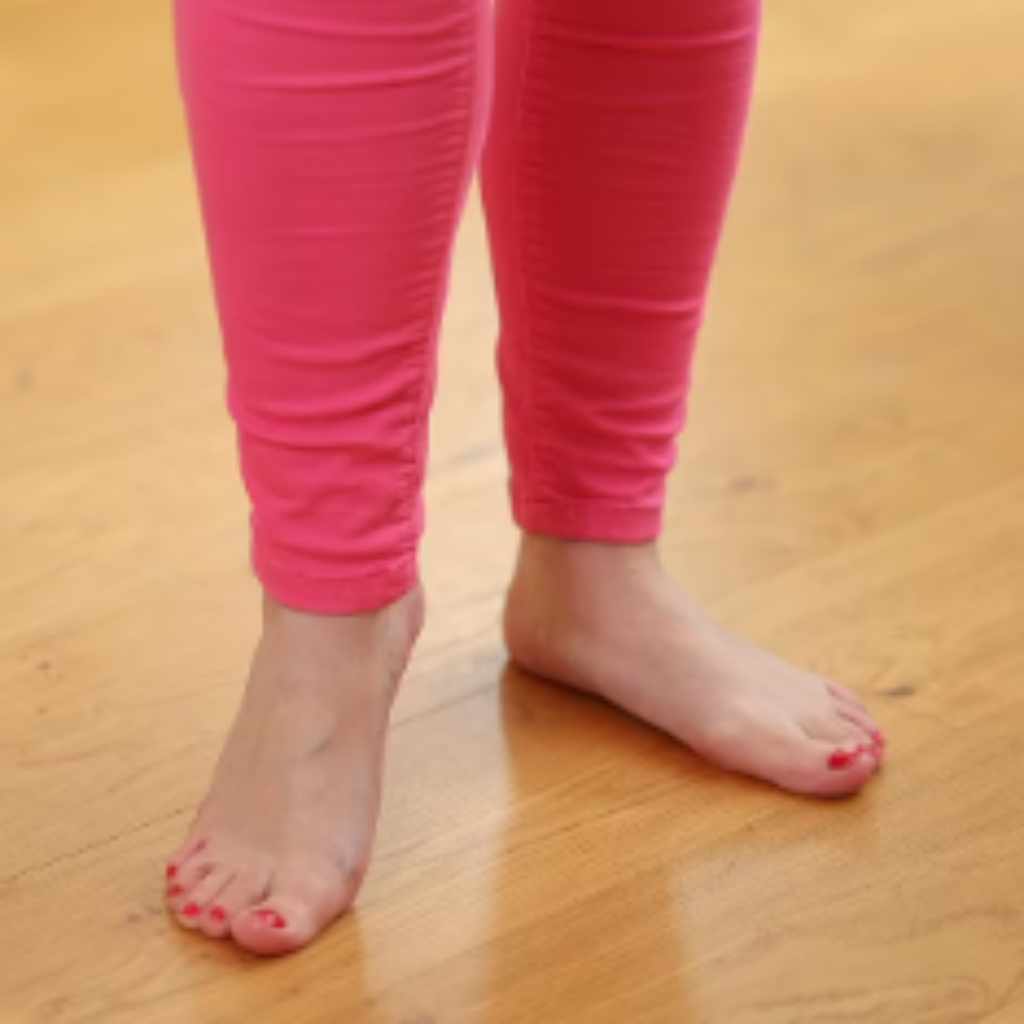
Answer: Walking barefoot on hardwood floors can increase the impact on your knees. It’s often better to wear supportive shoes or use rugs and mats.
Final Thoughts
Dealing with Can Walking on Hardwood Floors Cause Knee Pain? can be frustrating, but it’s often manageable. By understanding the reasons behind the discomfort and taking steps to address them, you can significantly improve your experience. Remember that the hardness of the floor, the lack of cushioning, and the impact of each step are all critical factors. From choosing the right shoes to making adjustments in your home, there are many ways to lessen the strain on your knees. Taking care of your overall health, including weight management and exercise, adds to a healthier routine. If your knee pain is severe or persistent, don’t hesitate to seek advice from a doctor or physical therapist. You don’t have to suffer in silence, and there’s a lot you can do to get back to enjoying your day. Take action to maintain your knee health!