Can Water Stain Leather? The Surprising, Essential Fixes
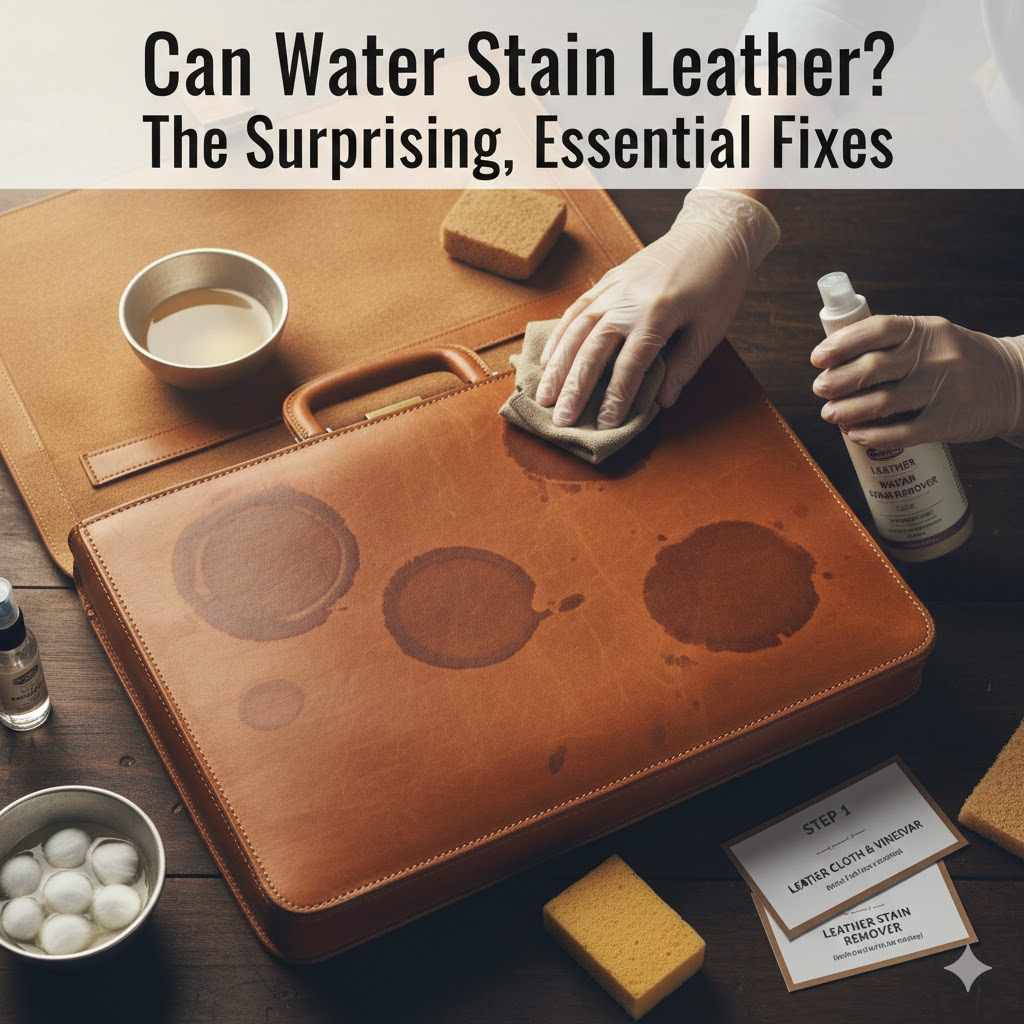
Yes, water can stain leather, but it’s almost always fixable. Water stains happen when moisture displaces the natural oils in the leather hide, causing discoloration as it dries. The key is to act quickly by gently blotting the spot and then evenly dampening the entire leather panel to let it dry uniformly, preventing a distinct watermark.
There’s a special kind of panic when you see a drop of water land on your favorite leather chair, jacket, or a piece you just crafted. Your heart sinks a little. We’ve all been there, watching that dark spot form and worrying it’s there for good. It’s one of those moments that makes you feel like your beautiful piece is ruined.
But I’m here to tell you that it’s okay. Getting water on leather is not the end of the world. In fact, fixing a simple water stain is easier than you think. You don’t need expensive chemicals or special tools. With a little bit of patience and the right technique, you can make that watermark disappear completely.
In this guide, I’ll walk you through why water leaves a mark and the simple, step-by-step methods to fix it. We’ll cover everything from fresh spills to stubborn spots, and I’ll even show you how to protect your leather so you won’t have to worry about the next rainy day. Let’s get that leather looking perfect again.
Why Water Leaves a Mark on Leather
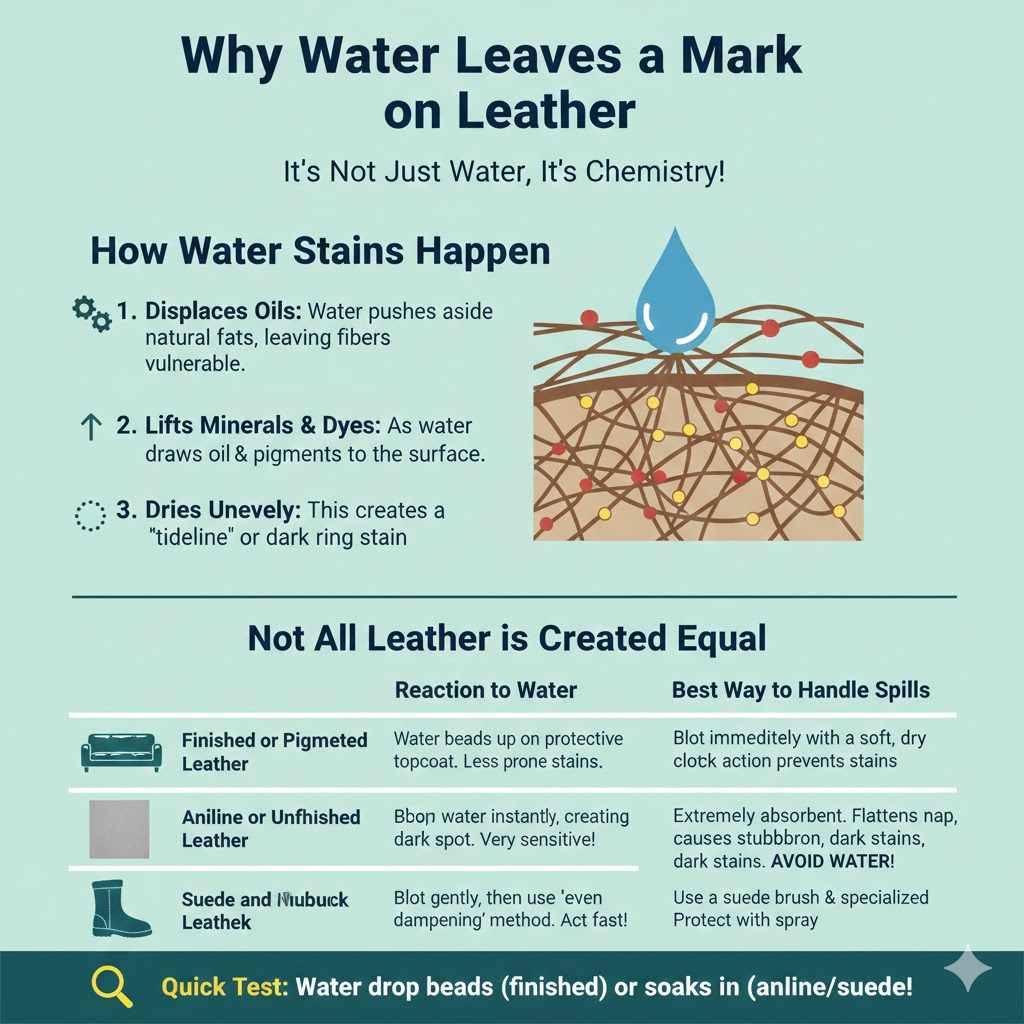
It seems strange, doesn’t it? Water is clean, so why does it leave a stain? The answer is less about the water itself and more about how it interacts with the leather’s natural structure. Think of leather as a sponge made of tiny, interwoven fibers packed with natural oils and dyes.
When water soaks into leather, a few things happen:
- It Displaces Oils: The water pushes aside the essential fats and oils that keep the leather soft and supple.
- It Lifts Minerals and Dyes: As the water evaporates, it draws those displaced oils—along with any minerals in the water and loose dyes in the leather—up to the surface.
- It Dries Unevenly: The water and oils evaporate, leaving a “tideline” or a distinct ring where the edge of the puddle was. This visible ring is what we call a water stain. It’s not a true stain like one from ink or wine; it’s more of a rearrangement of the leather’s internal components.
The good news is that because it’s not a foreign substance bonding to the fibers, a water stain is reversible. We just have to restore the balance that the water disrupted.
Not All Leather is Created Equal
The type of leather you’re working with plays a huge role in how it reacts to water. Some leathers are treated to resist moisture, while others will soak it up in seconds. Knowing the difference can save you a lot of trouble.
| Type of Leather | Reaction to Water | Best Way to Handle Spills |
|---|---|---|
| Finished or Pigmented Leather | This is the most common type used for furniture and car seats. It has a protective topcoat. Water will bead up on the surface initially, giving you time to wipe it away. Stains are less likely unless the water sits for a long time. | Blot immediately with a soft, dry cloth. Most of the time, no stain will form if you are quick. |
| Aniline or Unfinished Leather | This leather is prized for its soft, natural feel. It has very little to no protective coating. It will absorb water almost instantly, creating a dark spot. It is very susceptible to staining. | Blot gently, then use the “even dampening” method described below. Quick action is critical. |
| Suede and Nubuck | These leathers have a soft, napped texture. They are extremely absorbent and very sensitive to water, which can flatten the nap and cause dark, stubborn stains. Water should be avoided at all costs. | Use a suede brush and specialized suede cleaner. Do NOT use water to clean water spots on suede. Protect it with a water-repellent spray before use. |
If you’re unsure what type of leather you have, test it in a hidden spot. Place a single drop of water on an inside seam or underneath a cushion. If it beads up, you likely have finished leather. If it soaks in right away, you have aniline, nubuck, or suede.
The Essential Fix: How to Remove a Water Stain from Leather
Alright, let’s get to the good part—fixing the stain. This method works wonders on most finished and aniline leathers. The key idea here sounds a bit backward, but trust me: we are going to use water to remove the water stain. We do this by blending the spot into the surrounding area so it all dries as one uniform piece.
What You’ll Need:
- A clean, soft, lint-free cloth (like microfiber)
- A second clean, soft cloth
- A small bowl of room-temperature distilled water (distilled water has no minerals, which prevents further staining)
- A quality leather conditioner
Step-by-Step Instructions
Step 1: Blot the Spill Immediately
If the spill is fresh, your first move is to absorb as much of the water as possible. Take a clean, dry cloth and gently blot the area. Do not rub or scrub! Rubbing can push the water deeper into the leather and can damage the surface. Just press down gently and let the cloth soak up the moisture.
Step 2: Dampen the Entire Panel
Here’s the surprising part. Take your second cloth and dip it in the distilled water. Wring it out thoroughly so it is just damp, not dripping wet. Starting from the center of the water stain and working your way outward, gently wipe the entire leather panel, seam to seam. The goal is to create a thin, even layer of moisture across the whole section. This prevents a new “tideline” from forming by ensuring the whole piece dries at the same rate. It might feel scary to add more water, but this is the secret to a perfect, invisible repair.
Step 3: Let It Air Dry Naturally
Now, you have to be patient. Place the leather item in a well-ventilated room and let it air dry. This is the most important step. Do not try to speed up the process with a hairdryer, heat gun, or by placing it in direct sunlight. According to information from the Chicora Foundation, an organization focused on preservation, excessive heat can cause the leather to shrink, crack, and become permanently brittle. Slow, natural drying is the only safe way.Step 4: Condition the Leather
Once the leather is completely dry (this could take several hours or even a full day), it might feel a little stiff. That’s because some of the natural oils were washed away. This is where leather conditioner comes in. Apply a small amount of a quality conditioner to a soft cloth and work it into the leather using gentle, circular motions. The conditioner replenishes the lost oils, restoring the leather’s soft feel and rich color. Let the conditioner soak in for a few hours, then buff off any excess with a clean cloth.
And that’s it! Your leather should look as good as new, with no trace of the original water spot.
What About Old or Tough Water Stains?
Sometimes you don’t catch a spill right away, or maybe you bought a vintage piece that came with its own history of marks. While tougher, these stains are not a lost cause.
For Set-In Stains on Finished Leather:
If the damp cloth method doesn’t work on an old stain, you can try a dedicated leather cleaner. Always test the cleaner on a hidden spot first to make sure it doesn’t affect the color. Apply the cleaner according to the manufacturer’s instructions, usually with a soft cloth or sponge. After cleaning, you must always follow up with a leather conditioner to restore moisture.
For Suede and Nubuck (A Different Approach):
Never, ever use the damp cloth method on suede or nubuck. It will only make the problem worse. For these delicate leathers, you need special tools:
- Suede Brush: For dry water spots, you can often restore the texture by gently brushing the area with a suede brush. This helps lift the flattened nap (the tiny fibers that give suede its velvety feel).
- Suede Eraser: This works like a pencil eraser, crumbling as it lifts stains from the surface. Rub it gently over the stain.
- Specialized Suede Cleaner: For stubborn stains, you’ll need a cleaner formulated specifically for suede. Follow the directions on the bottle carefully.
Prevention is Better Than a Cure
Once you’ve gone through the trouble of fixing a water stain, you probably don’t want to do it again. The best way to handle water stains is to prevent them from happening in the first place. Protecting your leather is easy and makes a world of difference.
Use a Leather Protectant Spray or Cream
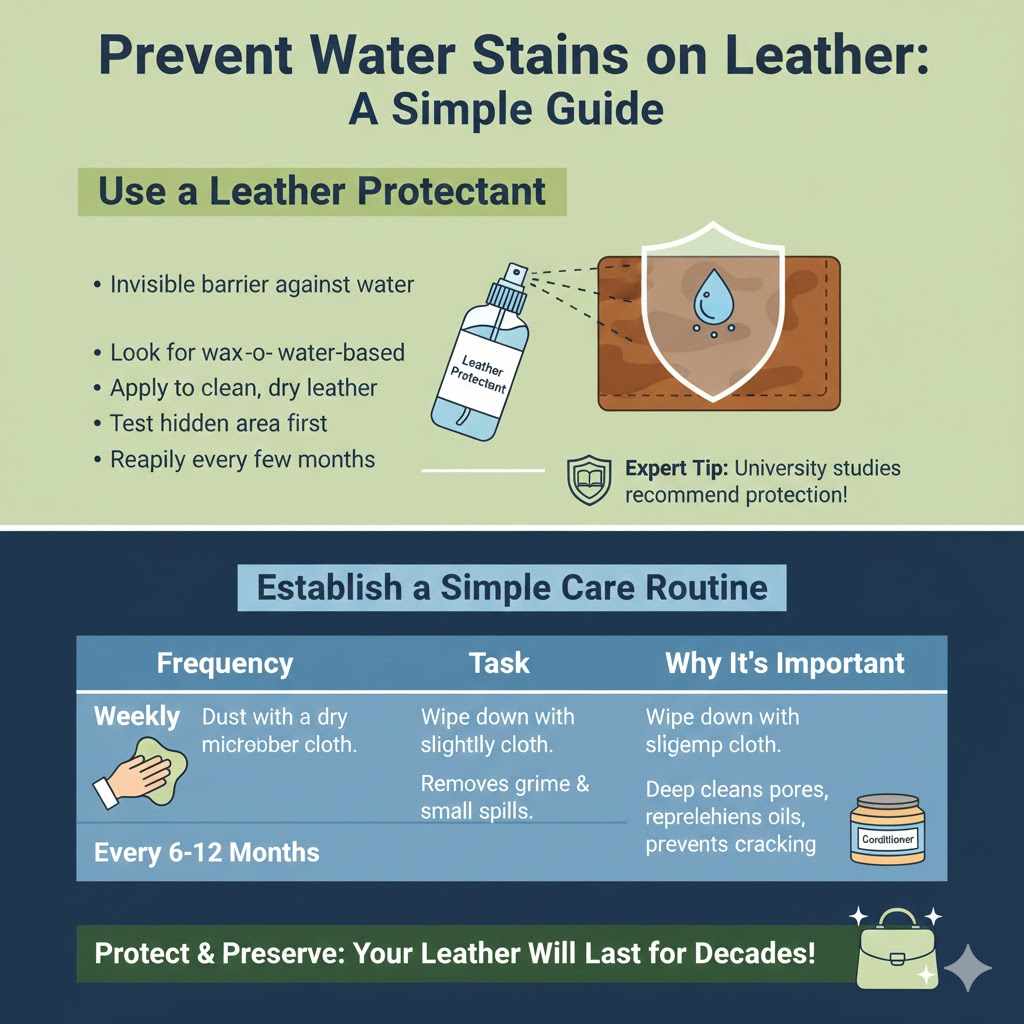
A good leather protectant acts as an invisible barrier, causing water to bead up and roll off the surface instead of soaking in. Look for a product that is specifically designed for the type of leather you have. Silicone-based products can be effective but some experts argue they can clog the pores of the leather over time. A wax-based or water-based protector is often a better choice for high-quality leathers.
How to Apply a Protectant:
- Make sure the leather is clean and dry.
- Test the product on a hidden area first.
- Spray or wipe on a light, even coat. Don’t saturate the leather.
- Let it dry completely before using the item.
- Reapply every few months or as needed, especially for items you use frequently, like jackets and bags.
Many university agricultural extension programs, like this one from South Dakota State University Extension, provide excellent, research-backed advice on caring for and preserving leather goods, reinforcing the importance of proper conditioning and protection.
Establish a Simple Care Routine
Just like wood, leather is a natural material that needs a little care to stay in top shape. A simple routine can keep it looking great for decades.
| Frequency | Task | Why It’s Important |
|---|---|---|
| Weekly | Dust with a dry microfiber cloth. | Removes abrasive dust and dirt particles that can scratch the surface over time. |
| Monthly | Wipe down with a slightly damp cloth. | Removes grime and small spills before they have a chance to set in. |
| Every 6-12 Months | Clean and condition. | Deep cleans the pores and replenishes essential oils to prevent cracking and keep the leather supple. |
Frequently Asked Questions (FAQ)
Can I use a hairdryer to dry a water spot on leather?
No, you should never use a hairdryer or any direct heat source. Heat pulls moisture out of leather too quickly, causing it to shrink, crack, and become permanently stiff. Always let leather air dry naturally in a cool, well-ventilated area.
Does salt water stain leather worse than regular water?
Yes, absolutely. Salt is corrosive and will draw even more moisture and oils out of the leather as it dries, leaving behind a white, crusty stain that is much harder to remove. If your leather gets exposed to salt water (from ocean spray or winter road salt), you should wipe it down with a cloth dampened with fresh, distilled water as soon as possible to remove the salt residue before letting it dry.
Can I use household cleaners like soap or vinegar on a leather water stain?
Please don’t. Household cleaners are often too alkaline or acidic for leather. They can strip the leather of its natural oils and dyes, causing permanent discoloration and damage. Always stick to products specifically designed for cleaning and conditioning leather.
Will rain ruin my leather jacket?
A little rain won’t ruin a good leather jacket, especially if it has been properly treated with a water protectant. If you get caught in the rain, blot off the excess water with a cloth, hang it on a wide, padded hanger to maintain its shape, and let it air dry away from heat. Once it’s dry, apply some leather conditioner to restore its softness.
Why did my leather get stiff after it got wet?
Leather gets stiff after it gets wet because water washes away the natural oils that lubricate the fibers within the hide. As the leather dries without those oils, the fibers can stick together and become rigid. This is why conditioning the leather after it has been wet and dried is a crucial step—it puts those oils back where they belong.
What’s the difference between a water stain and leather rot?
A water stain is a cosmetic issue caused by the displacement of oils and dyes when leather dries. Leather rot, or dry rot, is the physical deterioration of the leather fibers themselves. This happens when leather is stored in damp, poorly ventilated conditions for long periods, allowing mold and mildew to grow, which then breaks down the material. A water stain is fixable; true rot is permanent damage.
Is it okay to let a leather bag air dry in the sun?
No. While you want it to air dry, direct sunlight acts as a powerful heat source. The UV rays can fade the leather’s color, and the heat will cause it to dry out too quickly, leading to cracking and stiffness. Always dry leather in a shaded, well-ventilated spot indoors.
You Can Do This!
Seeing a water spot on a prized leather possession can be stressful, but I hope this guide has shown you that it’s a problem you can absolutely handle. Remember the golden rules: act fast, blot gently, use the damp cloth method to blend, and always let it air dry naturally.
Leather is an incredibly resilient and beautiful material that is meant to be used and lived with. With a little bit of care and the right know-how, you can keep your leather items looking fantastic for years to come. So the next time a water droplet finds its way onto your favorite piece, you’ll know exactly what to do. You’ve got this!