Exterior Wood Stain Colours: Pick by Opacity, Wood and Sun
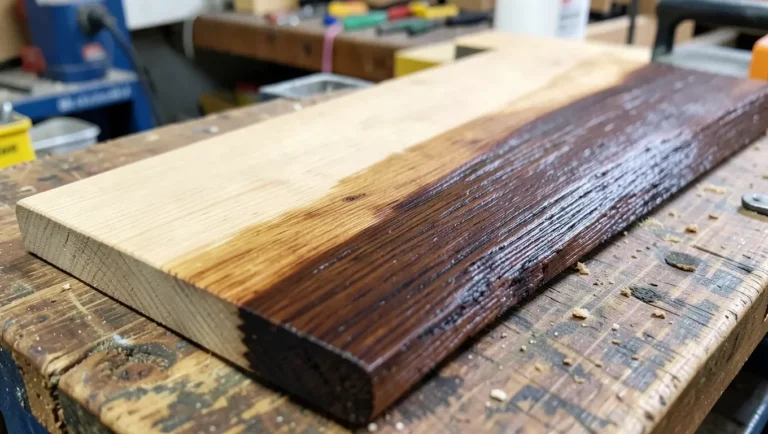
Exterior wood stain colours are really two choices: a tone (cedar, gray, walnut) and an opacity, and the opacity decides how much wood grain survives. Even the right color can read lighter or darker once it meets your boards, because age, cut and species change absorption. This guide covers opacity by grain, why the same color varies, sun and heat effects, house pairing, and a test patch method.
Start With Opacity, Not the Color Name
Best Light Natural Tone Pick | |
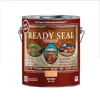 |
Ready Seal Exterior Wood Stain & Sealer, Natural Light Oak, 1 Gallon – $40.98 A light natural tone is the easiest way to see how a color reads on your own boards, which is the test this guide keeps coming back to. Ready Seal lists this shade as Natural (formerly Light Oak) in its eight-color line.
|
As an Amazon Associate we earn from qualifying purchases. | |
Most people shop by color swatch first, but the opacity level decides what you will actually see. A cedar tone in a nearly transparent finish looks like warm wood with visible growth rings. The same color name in a solid stain looks like painted boards with no grain at all. Sherwin-Williams lays out five levels on its exterior stain colors page, and Cabot groups its range into four. Here they are side by side, with what each means for the grain you will keep.
| Opacity level | Sherwin-Williams description | Cabot description | Grain you will see |
|---|---|---|---|
| Clear / wood toner | Clear lets the wood gray naturally | Wood toners are nearly transparent | Most grain and texture |
| Transparent | Lightly pigmented, a toned look | Cabot’s transparent colors include Sun-Drenched Oak, Natural and Heartwood | Nearly all grain, with a warm tint |
| Semi-transparent | Slightly pigmented, grain texture shows through | Lightly pigmented, more color than a wood toner, grain still seen | Most grain |
| Semi-solid | Rich pigment, some natural grain shows through | Masks most grain, some texture visible | Some grain and texture |
| Solid | Full coverage, highest protection | Opaque finish that hides the grain, very little texture | None to very little |
The practical takeaway: if you love the look of the wood itself, you are shopping the top rows, and your color choices are mostly browns and warm tones. If you want a gray, blue, green or black exterior, you are shopping the bottom rows. Olympic says the grays, tans, blues, greens and blackened shades are concentrated in its semi-solid and solid stains.
For the lifespan and finish differences between these levels, our transparent vs semi-transparent stain comparison goes deeper, so we will not repeat it here.
Why the Same Stain Color Looks Different on Your Wood
A color name is a starting point, not a promise. Cabot and Ready Seal both document the variables that move the result, and most of them are things you can check before you open a can. This is the part most color guides skip, and it is the main reason a deck ends up darker or lighter than the swatch.
| Variable | What happens | Source |
|---|---|---|
| New vs old boards | Older wood absorbs more stain and looks darker; new boards look lighter | Ready Seal FAQ |
| Smooth vs rough cut | Smooth-cut lumber generally stains lighter; rough-cut needs more stain per square foot | Ready Seal FAQ |
| Porous wood | Rough-cut, porous wood absorbs more stain and lets more of the wood show through | Cabot |
| Species | Different species accept stain differently, so test an inconspicuous spot | Ready Seal FAQ |
| Coat number | The first coat of a two-coat system usually looks lighter than the second | Cabot |
| Drying | Color changes as it dries, so judge only when completely dry | Cabot |
| Chip vs full surface | A color picked from a small chip often looks darker on a large surface | Cabot |
| Light | Sunset light is golden, evening light bluish, cloudy days grayer, sunny days yellower | Cabot |
That last row matters more than it seems. A color you approve in the store under fluorescent light, then check again on a gray November afternoon, can look like two different stains. Look at your test patch in morning sun, midday and evening before you buy the full quantity.
Sun Exposure and Fading: Decks Versus Siding
Sun is the main force that changes exterior color over time, and it hits horizontal and vertical surfaces very differently. Ready Seal gives lifespans of 1 to 3 years on horizontal surfaces and 3 to 5 years on vertical ones, and attributes the gap to horizontal surfaces taking more sunlight, weather and foot traffic. Those are one maker’s figures for one product line, not a universal rule, but the direction holds across stains: a deck will need its color refreshed sooner than a wall.
1 to 3 years on horizontal surfaces versus 3 to 5 years on vertical surfaces – Source: Ready Seal FAQ
What does that mean for color? On a deck, choose a tone and opacity you are happy to re-coat on a short cycle, and expect the surface to look a little different every year. On siding, you can afford a bolder color because it will hold longer and you will see it every day from the street. Ready Seal credits trans-oxide pigments for the UV absorption in its stains, which is why pigmented finishes are treated as protection and not only decoration. Sherwin-Williams, by contrast, describes its clear level as allowing wood to gray naturally.
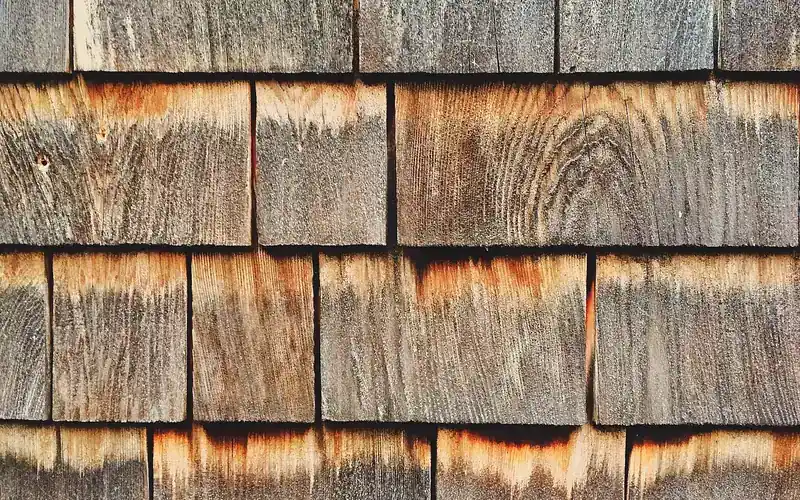
That gray is the end state for any exterior wood left to the sun, and it is what a worn-out transparent finish drifts toward. If you re-coat before the finish fails completely, you keep the color you chose. If you wait, you are choosing a color on top of weathered wood, which will take stain differently from the day you started (see the variables table above).
Dark Stain Colors: Drama, Heat and What to Know First
Olympic’s guidance is that dark stains create drama against green landscaping, while light stains make a space feel larger and brighter and blackened tones add elegance to neutral exteriors. Those are style outcomes, and they are real, but dark colors on a deck carry a trade-off you should weigh before choosing one.
Dark finishes on horizontal boards are the ones people feel underfoot in summer. Sherwin-Williams treats heat as a design problem: its SuperDeck waterborne solid color deck stain is offered with Cool Feel technology in 20 colors, using pigments that reflect solar rays, and the company says this helps reduce surface temperature by up to 20°F compared with conventional color technology. That is a solid-stain feature from one maker, so it does not mean every dark semi-transparent stain stays cool. If bare feet or pets use the deck, ask the manufacturer about heat before picking a dark shade.
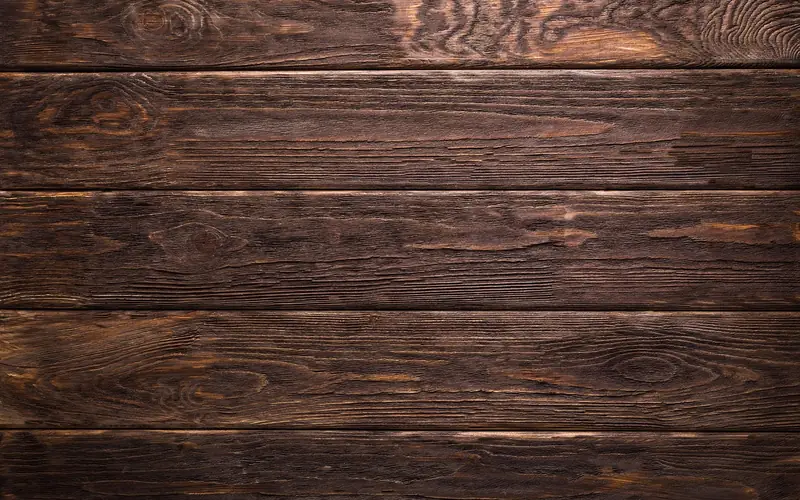
Dark colors also show a different kind of wear. Dust, pollen and footprints show on a deep brown or black far more than on a mid-tone, so plan on regular rinsing. A mid-range cedar, hickory or walnut tone is the forgiving middle: it reads rich without making every speck visible.
Match Opacity to the Condition of the Wood
Olympic ties opacity to wood condition, which gives a more reliable rule than starting from color. Follow it and your color options narrow to a sensible set.
| Wood condition | Suggested opacity (Olympic) | Color implication |
|---|---|---|
| New, clean wood | Clear, transparent or semi-transparent | Wood tones; some grain stays visible |
| Weathered or older deck | Semi-solid | More color range; hides surface wear while keeping partial grain |
| Heavily damaged or imperfect wood | Solid | Any color; full coverage hides imperfections |
Species and cut matter too. If your project is pine, our guide to why stain colors on pine never match the can explains the blotching problem in detail, and for cedar the best exterior cedar wood stain options page compares specific products. Both build on the same rule: the wood sets the color as much as the can does.
Pairing Stain Color With Your House and Landscape
Pairing is a style decision, so use real color names as anchors and judge them against your own materials. Sherwin-Williams’ SuperDeck semi-transparent line has 102 colors, including cool grays such as Weathered Gray, Cape Cod Gray and Harbor Gray, and warm woods such as Cedar, Hickory, Douglas Fir, Mahogany and English Walnut. Its WoodScapes solid line has 48 colors, with names like Shagbark, Lodge Brown, Navajo White and Blue Spruce. Cabot’s semi-transparent examples include Acorn, New Cedar and Dune Gray.
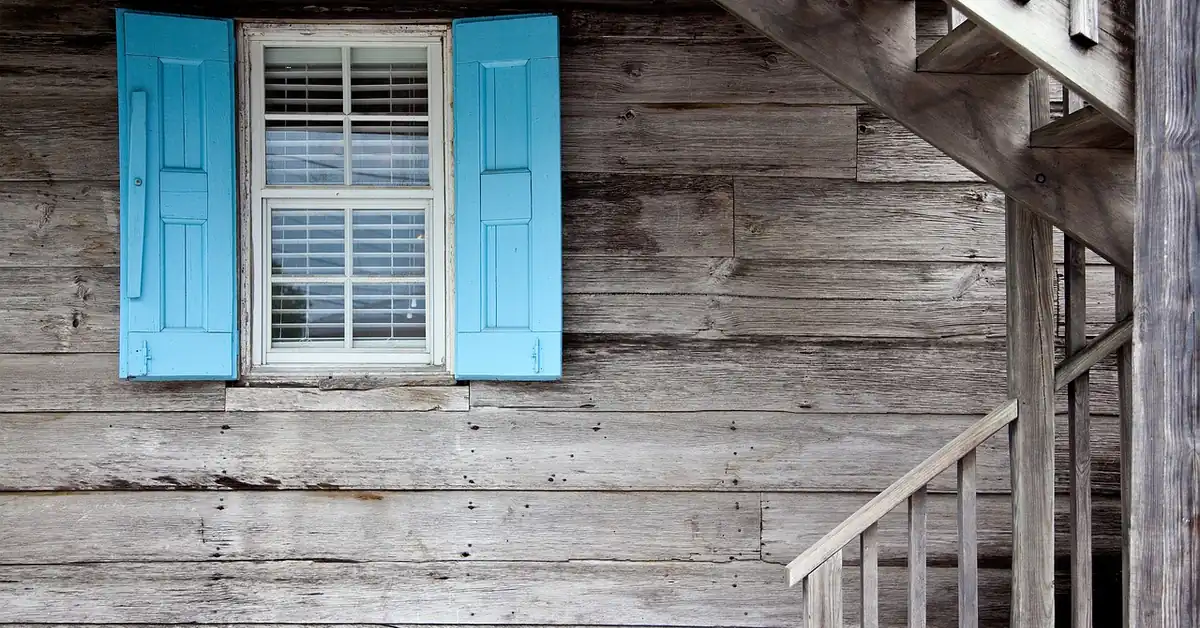
- Gray or white siding: a warm brown or cedar tone on a deck or door adds contrast, while a gray stain keeps everything quiet.
- Brick or stone: hold the sample against the actual masonry and compare side by side before you commit.
- Heavy green landscaping: Olympic’s drama point applies, so a deeper brown or blackened tone stands out against foliage.
- Small, shaded or narrow spaces: a lighter tone reads as more open, per Olympic’s note on light stains.
Rather than repeat full color lists here, use the brand pages: Behr outdoor wood stain colors, the Sherwin-Williams stain chart, the Olympic stain color chart and our Ready Seal review each list real names and codes. For a head-to-head on two major brands, see Olympic vs Cabot.
How to Test a Stain Color on Your Own Wood
This is the one step that removes almost all of the guesswork, and it follows directly from the variables above. Cabot’s advice is to brush a sample of the chosen color on the surface it will actually cover, not to rely on a chip.
- Pick a hidden spot: use a board end, the back of a post or an inconspicuous section of the same wood you will stain, not a scrap of different lumber.
- Brush out a large patch: make it big enough that you are judging the color on a surface, not on a postage stamp.
- Apply two coats if the product calls for two: the second coat looks darker than the first.
- Wait until it is completely dry: color changes while drying, so do not decide while the patch is still wet.
- Check it at three times of day: morning, midday and evening, plus once on an overcast day.
- Compare it to the house: hold it next to trim, roofing, stone and any fence or railing it will sit beside.
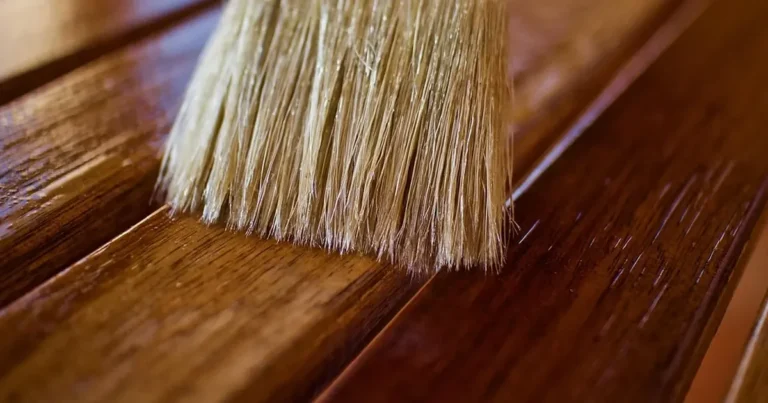
Once you have settled on a color, application technique decides whether it goes on evenly. Our guide to applying stain on a deck covers method by stain type, and if you are weighing a clear water-repellent over existing color, read whether Thompson’s Water Seal can go over stained wood first. For broader finish choices, the wood finishing guide compares stains, oils and sealers.
Common Color Mistakes to Avoid
- Choosing from the lid or a chip alone: Cabot notes the actual color often looks darker on a large surface.
- Testing on the wrong wood: a scrap of new lumber will not match old, thirsty boards.
- Ignoring surface texture: rough-cut boards absorb more stain and come out darker than smooth ones, according to Ready Seal.
- Picking a dark deck color without a heat check: ask about surface temperature if people go barefoot.
- Deciding while wet: color shifts as the stain dries.
Frequently Asked Questions
What are the most common exterior stain colors?
Brown and wood-tone names dominate maker catalogs. Olympic says it offers over fifty shades of brown, and Ready Seal’s eight colors are all wood-tone names such as Natural Cedar, Redwood and Dark Walnut. Grays, tans, blues, greens and blackened shades appear mostly in the semi-solid and solid ranges, according to Olympic.
Which stain opacity shows the most wood grain?
Clear and wood-toner finishes show the most. Cabot describes its wood toners as nearly transparent, letting the most grain and texture through. Semi-transparent still lets grain be seen, semi-solid masks most of it, and solid stain hides the grain completely and shows very little texture.
Will the stain look like the color chip?
Usually not exactly. Cabot warns that a color chosen from a small chip often looks darker on a large surface, that the first coat of a two-coat system looks lighter than the second, and that color keeps changing until the stain is completely dry. Brush a sample on the actual surface and judge it once dry.
Do new and old boards take the same color?
No. Ready Seal states that differences in grain, age and porosity cause color variance between new and old boards, with older wood absorbing more stain and looking darker. It also says smooth-cut lumber generally stains lighter than rough-cut, and different species accept stain differently.
Can I mix exterior stain colors to get a custom shade?
Some makers allow it. Ready Seal says its colors can be mixed together to customize the tint, but its pre-mixed colors should not be tinted. Check the label of the specific product, and mix enough for the whole job in one batch so the shade stays consistent.
The short version: choose the opacity for the grain you want to keep, check the wood condition against it, then confirm the color with a dry test patch on your own boards. Color names and charts are useful for narrowing options, but the patch is what you can trust.
Sponsored / affiliate links. As an Amazon Associate I earn from qualifying purchases. I may earn additional commission from eligible campaigns.