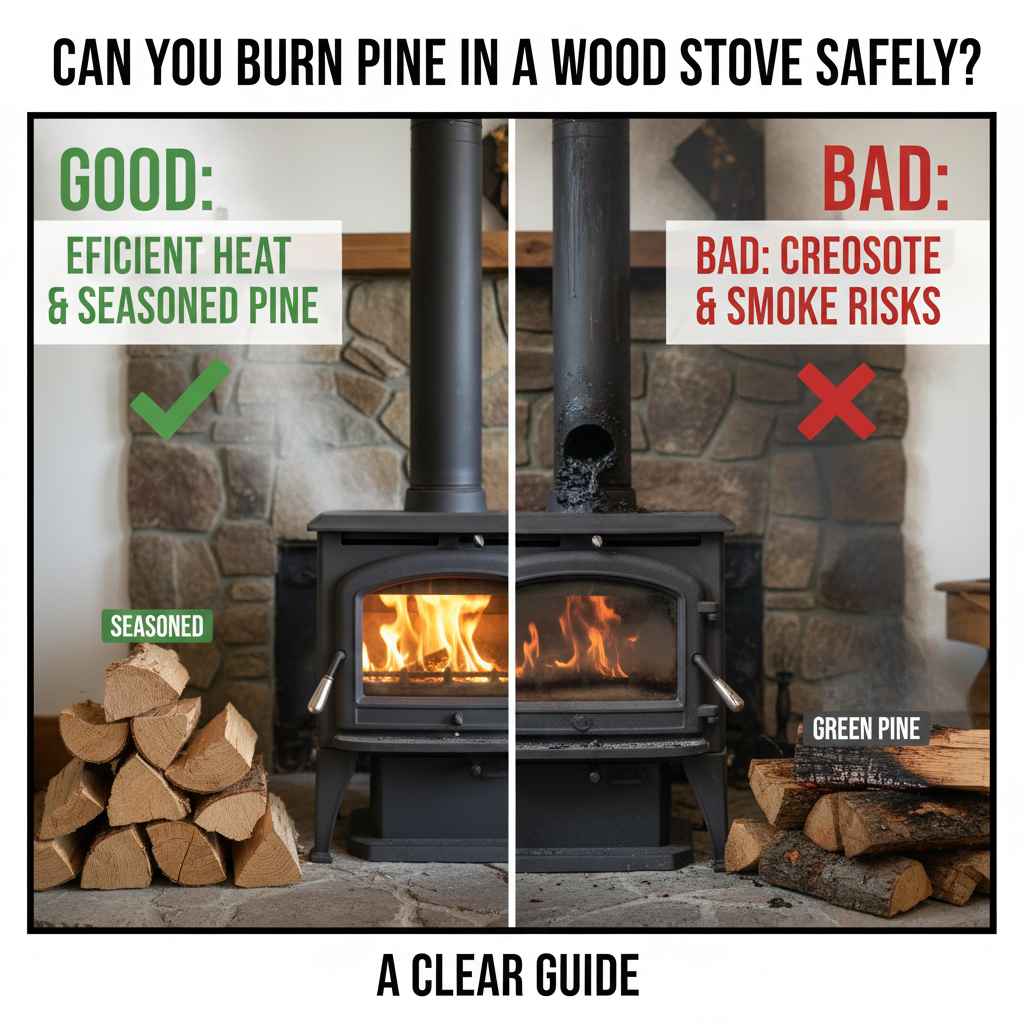
Can You Burn Pine in a Wood Stove Safely? A Clear Guide
Thinking about burning wood in your stove? A common question beginners have is, Can You Burn Pine in a Wood Stove Safely? It seems straightforward, but there are a few things to keep in mind. This is a common question, and it’s easy to get confused. Don’t worry, though! This post will walk you through the process step-by-step so you can make informed decisions. First, we will cover the basics.
Choosing the Right Firewood
When you’re trying to keep your home warm, the type of wood you choose makes a huge difference. Hardwoods and softwoods behave differently when they burn. Hardwoods, like oak and maple, are known for their dense structure and long burn times. They create fewer creosote deposits, which means less cleaning for you. Softwoods, such as pine and fir, are easier to light but burn quicker.
This is where things can get a little tricky, but don’t worry. This section is all about picking the best firewood. We’ll explore the main types of wood, their characteristics, and which ones are best for your stove. Learning about firewood will make you a better stove user.
Hardwood Firewood
Hardwood is a great choice for long, hot fires. Trees like oak, maple, and beech are perfect examples. These woods have a high density, meaning they contain a lot of energy. When burned, they provide a consistent heat output, making them ideal for heating your home over extended periods. Because of the density, hardwood usually requires more effort to get started but lasts much longer. It also tends to produce less smoke and creosote than softwood when properly seasoned and burned.
- Slow Burn: Hardwoods burn slowly. This means you don’t have to reload your stove as often.
- High Heat: They produce a lot of heat, which is great for heating a house.
- Reduced Creosote: Seasoned hardwood produces less creosote. This is important for chimney health.
- Difficult to Light: Hardwoods can be more difficult to light compared to softwoods.
A recent study shows that a cord of seasoned oak can produce about 24 million BTUs (British Thermal Units). This is a measurement of the energy content of the wood. Hardwood offers significant advantages when it comes to long-term heating efficiency.
Softwood Firewood
Softwood, including pine, fir, and spruce, has a lower density than hardwood. This type of wood is easier to ignite and burns more quickly. This makes it a great choice for starting a fire. Softwood can also be a good option for a quick burst of heat. However, it tends to produce more smoke and creosote, which can be problematic for your chimney. You need to keep up with maintenance. It is important to know that burning softwood requires you to understand how it affects your stove.
- Fast Ignition: Softwoods are quick to light.
- Quick Burn: They burn faster than hardwoods.
- Creosote Production: Softwoods produce more creosote. This can be a concern.
- Lower Heat Output: They generally produce less heat than hardwood.
According to the U.S. Forest Service, around 85% of wildfires are caused by humans. Improperly maintained chimneys and burning unseasoned wood can increase the risk of chimney fires. Proper firewood selection and chimney maintenance are both important for fire safety.

Can You Burn Pine in a Wood Stove Safely? The Basics
So, Can You Burn Pine in a Wood Stove Safely? The answer isn’t a simple yes or no. You can burn pine, but there are some important things you need to know first. Pine is a softwood, which means it burns faster and can create more smoke and creosote than hardwoods. Creosote is a dark, oily substance that can build up in your chimney. It is a fire hazard if it is not removed.
This section is all about pine and wood stoves. We’ll discuss the pros and cons of burning pine. We’ll also tell you how to prepare it properly. This will help you to burn it safely. After reading this, you’ll understand the risks and how to reduce them.
Seasoning Your Pine
Seasoning means drying the wood before you burn it. The moisture level affects how the wood burns and how much creosote it produces. Freshly cut wood, called green wood, has a high moisture content. It won’t burn efficiently. It will smoke a lot and create more creosote. Seasoning lowers the moisture content, making the wood burn cleaner and more efficiently. Properly seasoned pine is key to safe burning.
- Storage: Store pine in a dry place where air can flow. This keeps moisture out.
- Time: Pine should season for at least 6 months, or even a year. This depends on the climate.
- Moisture Content: Use a moisture meter to check the wood. It should have less than 20% moisture.
- Appearance: Seasoned wood will have cracks. It will also be lighter than green wood.
According to the National Fire Protection Association, creosote buildup is a leading cause of chimney fires. Properly seasoned wood, especially pine, helps reduce this risk. It is one of the most vital steps for safe wood stove use.
Proper Burning Techniques
Even with seasoned pine, the way you burn it matters. Proper techniques help reduce smoke and creosote. First, start with a good fire-starting method. Next, control the airflow in your stove. This affects how well the wood burns. Also, avoid smoldering fires. These produce a lot of smoke. Following these methods ensures you get the most heat from your wood. At the same time, it reduces any potential risks. These methods are important for burning pine safely.
- Airflow Control: Adjust the air vents on your stove. This is to control the burn rate.
- Hot Fires: Burn at a high temperature. This helps reduce creosote buildup.
- Avoid Smoldering: Don’t let your fire smolder. This produces more smoke.
- Regular Inspection: Check your chimney often. Remove any creosote buildup.
Many stove manufacturers provide manuals with instructions. These instructions can help you with the proper burning techniques. They will guide you to reduce emissions and ensure a safe and efficient burn. Learning these techniques will allow you to enjoy your stove.
Dealing With Creosote When Burning Pine
Burning any wood creates creosote. The amount can vary based on wood type, dryness, and burning practices. Pine is known for producing more creosote than some other woods. Creosote is a fire hazard. Its buildup can block your chimney. This can cause a dangerous chimney fire. Regular chimney maintenance is important when you burn pine.
This section covers creosote, its dangers, and how to control it. You’ll learn about recognizing creosote buildup and cleaning your chimney. We will give you actionable steps to keep your chimney safe. This way, you can burn pine with more confidence.
Recognizing Creosote Buildup
Creosote comes in different forms. It can be a flaky, powdery substance. It may also be a hard, glazed coating. The type of creosote can vary based on burning conditions. Regular chimney inspection helps you detect creosote early. Regular chimney inspections are a must to avoid chimney fires. This ensures your safety.
- Visual Inspection: Use a flashlight and look up into your chimney.
- Check for Odor: A smoky smell may indicate creosote buildup.
- Check Frequency: Inspect your chimney at least twice a year.
- Professional Inspection: A professional chimney sweep can check your chimney.
The Chimney Safety Institute of America (CSIA) recommends at least annual chimney inspections. This helps in detecting and removing any dangerous creosote. Early detection and cleaning are important for fire safety.
Chimney Cleaning Methods
Cleaning your chimney removes creosote. This is crucial for fire safety. You can use different methods to clean your chimney. These methods include a brush, a scraper, and even chemical cleaners. The method you choose depends on the amount and type of creosote. Regular cleaning is a must.
- Chimney Brush: Use a brush to scrape creosote from the chimney walls.
- Chimney Sweep: A professional chimney sweep is an option.
- Chemical Cleaners: Creosote sweeping logs can help.
- Frequency: Clean your chimney when creosote is 1/8 inch thick.
According to the National Fire Protection Agency, chimney fires are a major cause of house fires. Regular chimney cleaning, especially when burning pine, greatly reduces this risk. This ensures a safer environment.
Best Practices: Burning Pine Safely
Burning pine safely involves good practices. These practices are about the wood you use. They are also about how you use your stove. By following these steps, you can safely enjoy a fire. This minimizes any hazards.
In this section, you’ll get a list of actions. These practices cover everything from wood storage to stove operation. We will give you a complete guide. You will learn to use pine wood in a safe way.
Wood Preparation and Storage
Correct wood preparation and storage are key. Season your pine properly. Store it in a spot that has good airflow. This ensures the wood dries out well. This will reduce creosote production and improve burning efficiency. This is a must for the safe use of pine.
- Seasoning: Season your pine for 6-12 months. This reduces moisture.
- Storage Location: Store the wood in a covered area. This prevents rain from getting it wet.
- Airflow: Stack the wood to allow air to circulate.
- Moisture Content Checks: Use a moisture meter to test wood. Keep the moisture under 20%.
A well-maintained woodpile is your first line of defense against problems when burning pine. This is key to safety. It is also good for your wood-burning stove.
Stove Operation and Maintenance
Knowing how to run your stove is also key to safety. Follow the manufacturer’s instructions for lighting and burning. Regular chimney maintenance and stove upkeep are equally important. These maintenance tasks are not hard. They will ensure your safety when you use pine.
- Proper Lighting: Use the top-down or upside-down method to light fires.
- Airflow Control: Adjust the air vents to control the burn.
- Regular Cleaning: Clean your chimney often.
- Annual Inspection: Have your stove and chimney checked annually by a professional.
According to research, routine inspections can spot any issues. They also help prevent accidents. Following the guidelines from your stove manufacturer can help you.
Potential Issues and Solutions
Burning pine can lead to a few problems. Knowing these issues helps you stay safe. The most common problems involve creosote and chimney fires. We’ll explore these issues and what you can do about them. This will help you be a more informed wood stove user.
This section will explain common problems. It offers practical solutions. From handling excess smoke to addressing chimney fires, you’ll be prepared for anything. This will make your wood stove use more secure.
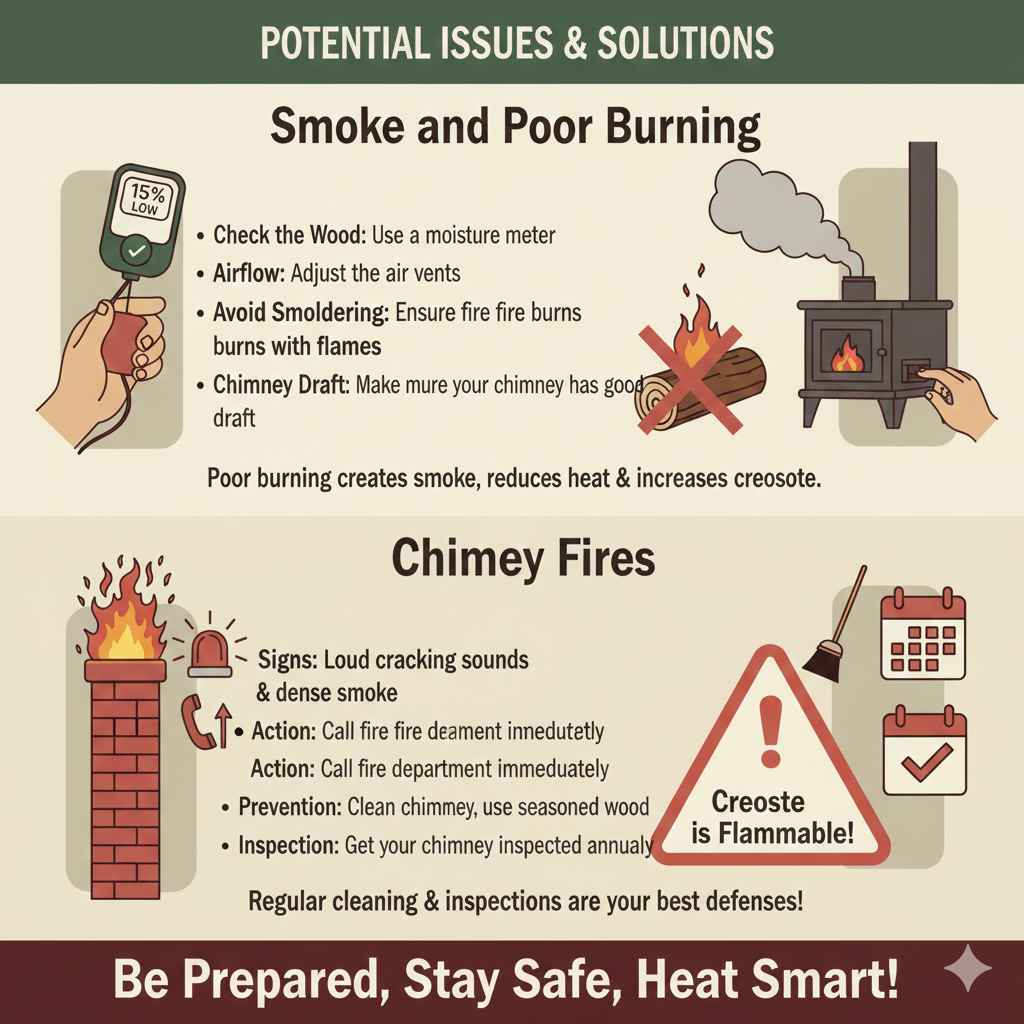
Smoke and Poor Burning
If your fire is smoky, it might not be burning correctly. This can be caused by unseasoned wood or poor airflow. Adjusting the air supply can help. Make sure you are using dry wood. This will help ensure clean, efficient burns. Correcting these issues is vital for a safe fire.
- Check the Wood: Use a moisture meter to ensure your wood is dry.
- Airflow: Adjust the air vents.
- Avoid Smoldering: Ensure the fire burns with flames.
- Chimney Draft: Make sure your chimney has a good draft.
Poor burning not only creates smoke. It also reduces heat output and increases creosote. This is why it is important to address these issues right away.
Chimney Fires
Chimney fires are a serious risk. They can happen when creosote builds up in the chimney. Signs of a chimney fire include loud cracking sounds or dense smoke. If you suspect a chimney fire, call the fire department right away. It is very important to make sure your stove is safe.
- Signs: Loud cracking sounds and dense smoke are signs of a chimney fire.
- Action: Call the fire department immediately.
- Prevention: Clean your chimney frequently. Use well-seasoned wood.
- Inspection: Get your chimney inspected annually.
Preventing chimney fires requires vigilance. Regular cleaning and inspections are your best defenses. Make sure you have the proper safety precautions.
Frequently Asked Questions
Question: Is it safe to burn pine in a wood stove?
Answer: Yes, it is safe, but it’s important to take the right steps. This involves seasoning the wood and cleaning the chimney often.
Question: How long should pine be seasoned before burning?
Answer: Pine should be seasoned for at least six months to a year. This allows the moisture content to drop to safe levels.
Question: How can I tell if my pine is properly seasoned?
Answer: Seasoned pine will be lighter than green wood. It will also have cracks on the ends and the bark might start to loosen.
Question: How often should I clean my chimney when burning pine?
Answer: You should clean your chimney at least twice a year. You might need to clean it more often depending on usage.
Question: What is the best way to light a fire with pine?
Answer: The top-down method works well. Start with larger pieces of wood at the bottom and kindling on top.
Final Thoughts
So, Can You Burn Pine in a Wood Stove Safely? The answer depends on how you approach it. Pine can be a good fuel source if you prepare it correctly. Key to burning pine safely are proper wood seasoning, the right burning techniques, and chimney maintenance. Remember, using seasoned wood reduces creosote buildup. Controlling airflow in your stove and cleaning your chimney regularly are also vital. By focusing on these steps, you can enjoy the warmth of a fire. It also provides the safety your home needs. Always inspect your chimney. Use a professional if needed. By being informed, you can make safe and smart choices when using your wood stove.