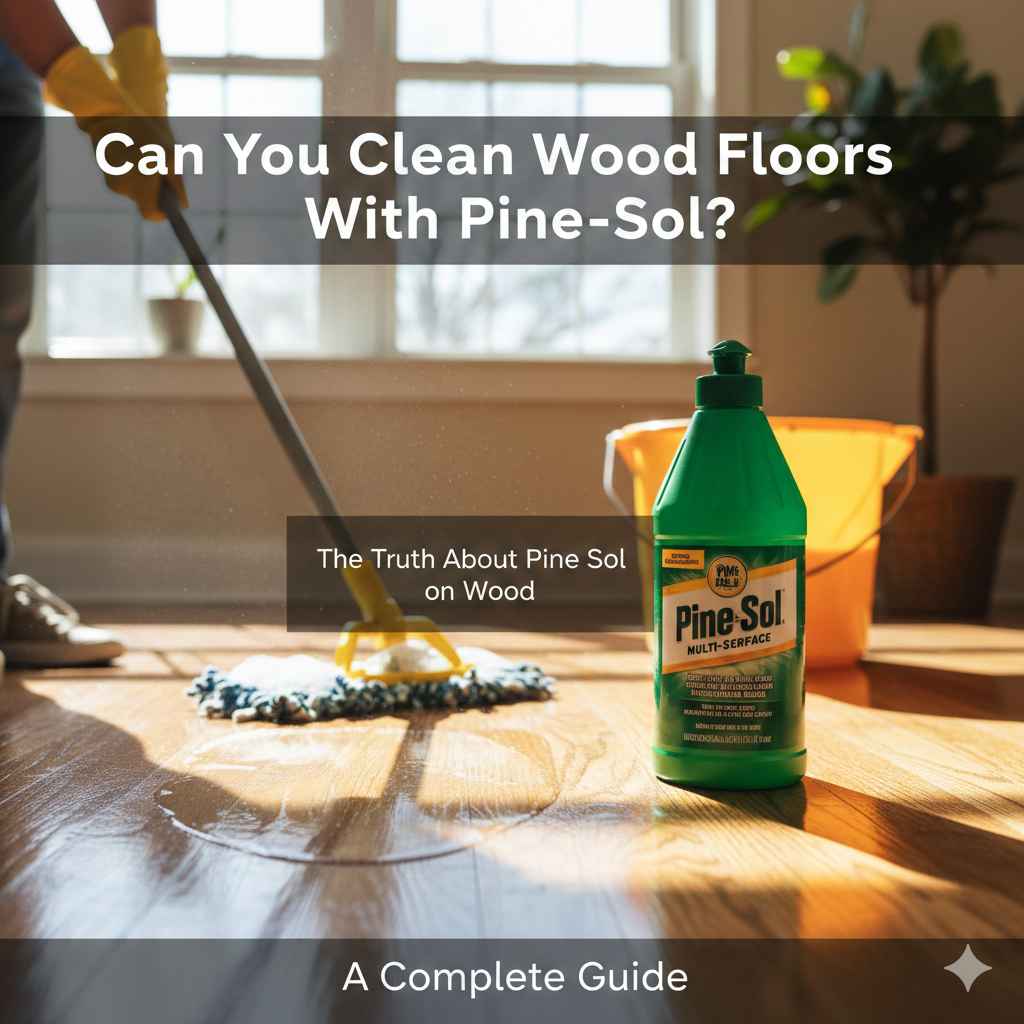
Can You Clean Wood Floors With Pine-Sol? A Complete Guide
Thinking about using Pine-Sol on your wood floors? It’s a question many people ask, especially beginners. You might be worried about damaging your floors, or if it’s even safe. Don’t fret! It’s understandable to have questions when it comes to cleaning wood. This guide will help you sort it all out, step-by-step. Let’s explore if you Can You Clean Wood Floors With Pine-Sol? and how best to do it.
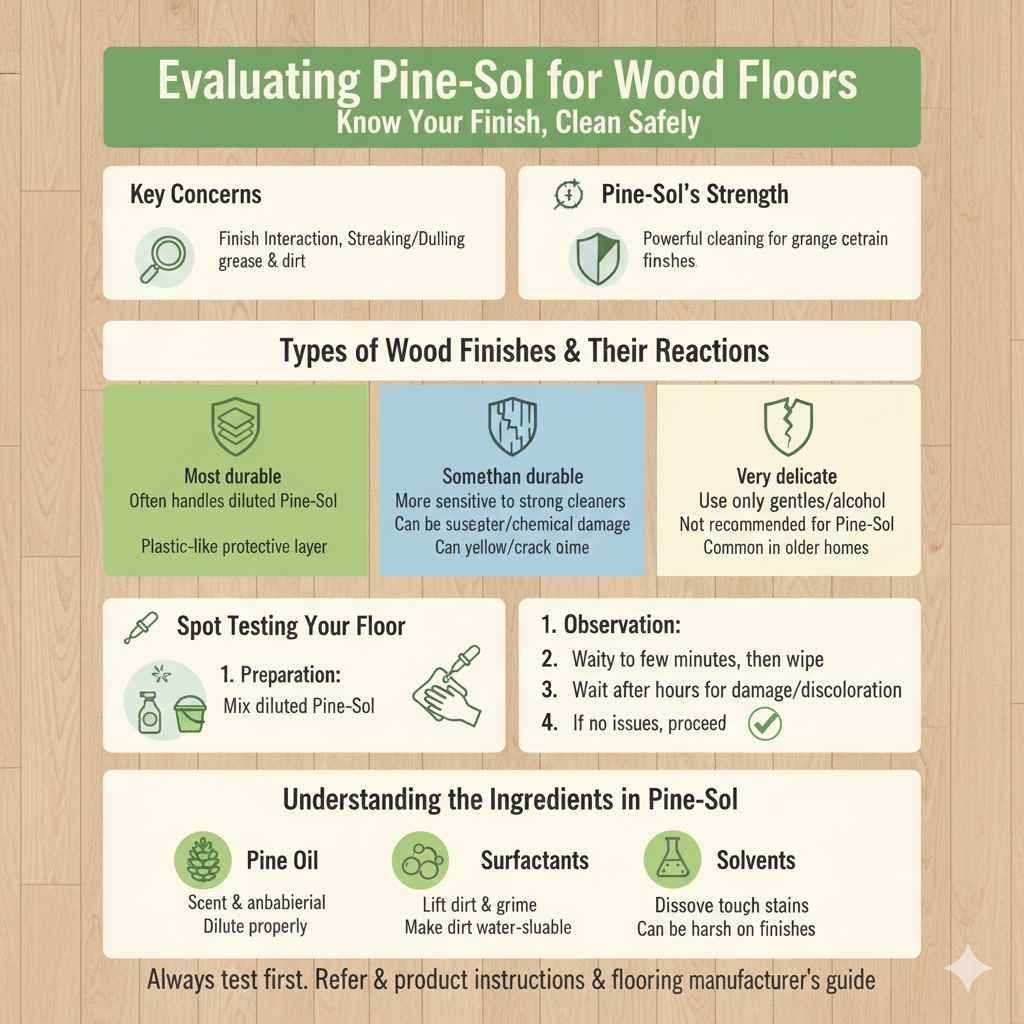
Evaluating Pine-Sol for Wood Floors
Before putting Pine-Sol on your wood floors, it’s key to make sure you know what you’re getting into. The main concerns are how the cleaner interacts with the floor’s finish and if it might leave streaks or cause dulling. Some ingredients in Pine-Sol, like solvents, can potentially damage certain types of finishes. However, the cleaning power of Pine-Sol is well known for removing grease and dirt. Knowing how your floor is finished is a good first step to help you decide how to proceed.
Types of Wood Finishes and Their Reactions
Wood floors usually have a finish that protects the wood. Different finishes react differently to cleaning products. Common finishes include polyurethane, varnish, and shellac. Polyurethane is the most durable, while shellac is more delicate. Varnish is somewhere in the middle. The finish’s condition also affects how it reacts. Older finishes might be more sensitive than newer ones. It’s smart to always test in a hidden spot first to see if Pine-Sol will work. This helps you avoid any nasty surprises.
Polyurethane Finishes: These are generally tough and can often handle diluted Pine-Sol. This is because polyurethane is resistant to many chemicals.
Polyurethane is a plastic-like substance used to protect wood floors. It creates a strong, clear, and waterproof layer. This finish is popular because it resists scratches, scuffs, and spills well. It’s also easier to clean than some other finishes. However, even polyurethane can degrade over time or with harsh cleaners.
Varnish Finishes: Varnish is somewhat durable, but it’s more likely to be affected by strong cleaners.
Varnish is another type of wood finish that creates a hard, protective layer. Varnish provides a good level of protection, but it’s not as resistant to damage as polyurethane. Varnish can be susceptible to water damage and chemical reactions with some cleaning products. Over time, varnish can yellow and crack.
Shellac Finishes: Shellac is very delicate and should be cleaned with gentle products only.
Shellac is a natural resin that gives wood a warm, glossy appearance. However, it’s also very sensitive to water and alcohol-based cleaners. It can be easily damaged, making it a poor choice for high-traffic areas. Shellac is less common on modern floors, but it might be found in older homes. Because of its sensitivity, it’s not recommended to use Pine-Sol on shellac finishes.
Spot Testing Your Floor
Before you get carried away cleaning your whole floor, do a spot test. Choose a small, out-of-the-way area, like inside a closet or under a piece of furniture. Prepare a diluted Pine-Sol solution according to the product directions. Apply the solution to the spot using a soft cloth, and let it sit for a few minutes. Then, wipe the area and check to see if the finish is damaged, or if there is any discoloration. If the spot looks good after a few hours, you are probably fine to proceed.
- Preparation: Mix a small amount of diluted Pine-Sol solution, following the instructions on the bottle, in a small container.
- Application: Apply the diluted Pine-Sol to a hidden area of your wood floor, using a clean, soft cloth.
- Observation: Wait for a few minutes, then wipe the area with a clean, damp cloth.
- Evaluation: Check the test spot after a few hours, or even a day. Make sure there are no issues.
Understanding the Ingredients in Pine-Sol
Pine-Sol is made up of ingredients that help clean and disinfect. It typically contains pine oil, surfactants, and solvents. Pine oil gives Pine-Sol its distinctive smell and has some disinfectant properties. Surfactants help to remove dirt and grease. Solvents can help dissolve tough stains. Knowing what’s in the cleaner is a good idea to know how it might affect your wood floors. The concentration of these ingredients in the Pine-Sol product is key to determining its cleaning properties.
Pine Oil: Pine oil gives Pine-Sol its scent and antibacterial properties.
Pine oil is derived from pine trees. It acts as a disinfectant. It helps to kill germs and provides a fresh scent. However, it can also be a bit harsh. It’s important to dilute Pine-Sol properly to prevent damage to wood finishes.
Surfactants: These help lift dirt and grime from surfaces.
Surfactants are the cleaning agents in Pine-Sol. They work by lowering the surface tension of water, allowing it to spread and penetrate dirt. This makes it easier to remove stains and grime from surfaces. They also make the dirt water-soluble so it can be washed away.
Solvents: These can dissolve grease and other stubborn stains.
Solvents are substances that dissolve other substances. In Pine-Sol, solvents help to break down grease, oil, and other tough stains. While effective, some solvents can be harsh on wood finishes. So, it’s key to use Pine-Sol correctly.
Dilution and Application Guidelines for Pine-Sol
If you’ve determined that your wood floors are likely compatible, it’s important to use Pine-Sol safely. The most important thing is diluting the product correctly. Using too much Pine-Sol can damage your floor’s finish. Proper application involves using the right tools and techniques. Following these steps helps you clean your floors without causing any damage.
Recommended Dilution Ratios
Always dilute Pine-Sol with water. The manufacturer often recommends a certain amount of Pine-Sol per gallon of water. It’s usually a small amount. Don’t use Pine-Sol straight from the bottle, as it’s much too concentrated. Always double-check the product instructions for the best dilution ratio. This is key to preventing damage and achieving a clean floor.
Follow the Instructions: Always read and follow the instructions on the Pine-Sol bottle.
The instructions provide the exact dilution ratio recommended by the manufacturer. These recommendations are based on testing to ensure effectiveness and safety. Deviation from these instructions could lead to issues.
Start Small: If you are unsure, err on the side of using less Pine-Sol than more.
It’s better to use a weaker solution first and see if it cleans effectively. You can always add a bit more Pine-Sol later. It’s hard to undo the potential damage caused by using too much cleaner.
Water Quality: Use clean water, as the quality can affect the outcome.
Clean water helps to ensure the dilution is correct and prevents streaks. If you have hard water, consider using filtered water to help avoid spots or residue.
Using the Right Tools
Choosing the right tools for cleaning wood floors makes the process easier and helps protect your floors. Using a soft mop, like a microfiber mop, is best. Avoid mops that are too abrasive, as they can scratch the finish. You’ll also want a bucket for the cleaning solution and a clean cloth to dry the floor. These tools work together to give you the best results.
Microfiber Mop: Use a mop with a microfiber head.
Microfiber mops are great for cleaning wood floors because they are gentle and effective at picking up dirt. The soft fibers won’t scratch your floors. Plus, they can be washed and reused, which is good for the environment.
Bucket: Have a bucket to mix the cleaning solution.
A bucket helps you to measure the right amount of Pine-Sol and water. This is an essential step for proper dilution, so you don’t use too much cleaner on your floors. It also keeps your cleaning solution clean.
Soft Cloth: Keep a soft cloth nearby.
A soft cloth, like a cotton or microfiber cloth, is useful for wiping up spills. You can use it to dry your floors after mopping, which can help prevent water damage. It is also good for quickly drying any areas you might have missed.
Step-by-Step Cleaning Process
Now, let’s go over how to properly use Pine-Sol on your wood floors. First, sweep or vacuum the floor to remove any loose dirt and debris. Then, mix your diluted Pine-Sol solution. Dip your mop into the solution, wring it out well to prevent excess water, and mop the floor in sections. Finally, dry the floor with a clean cloth. This ensures a clean and sparkling wood floor.
Preparation: Sweep or vacuum the floor to remove any loose dirt and debris.
Start with a clean floor. This will help you get the best cleaning results. Make sure to get into corners and under furniture.
Mix the Solution: Dilute the Pine-Sol according to the product instructions.
Dilution is important. Put the correct amount of Pine-Sol in your bucket, then add the appropriate amount of water. Stir well to mix.
Mop the Floor: Dip your mop in the solution and wring out any excess liquid. Mop the floor in sections, working from one corner to the exit.
Make sure your mop isn’t too wet. Mopping in sections helps you work methodically. Work from one corner to avoid walking on the cleaned areas.
Dry the Floor: Use a clean, dry cloth to wipe up any excess moisture.
This is a key step to prevent water damage. Focus on wiping up any standing water. Drying the floor quickly prevents water from soaking into the wood.
Potential Risks and Safety Precautions
While Pine-Sol can be effective, it’s important to be aware of the potential risks. Using it incorrectly can lead to issues such as damage to your wood floors. You must handle the product carefully. If you know these risks and precautions, you can protect your floors and your health.
Identifying Signs of Damage
When you’re cleaning, pay close attention to your wood floors. Look for signs of damage. If you see dulling, discoloration, or any changes in the floor’s appearance, stop immediately. It might mean the cleaner is causing damage. The sooner you catch the problem, the better. Taking action right away can help you prevent more serious problems.
Dulling: A loss of shine on your floor’s finish.
This can happen if the cleaner is too strong or if you use too much. It indicates that the cleaning solution may be dissolving or removing some of the floor’s finish. Stop using the cleaner and consult a flooring professional.
Discoloration: Changes in the color of your wood floor.
This includes spots, streaks, or a change in the overall color. Discoloration is a sign that the cleaner is reacting with the finish or the wood. This could be permanent damage. Stop using the cleaner immediately and try to address the area carefully.
Swelling or Warping: Any change in the shape of your wood floor.
This suggests that moisture has penetrated the wood. This is a severe problem that will likely require professional repairs. If you see signs of swelling, the damage could be extensive.
Safety When Using Pine-Sol
Pine-Sol is a chemical cleaner. Always follow the safety instructions on the bottle. Wear gloves to protect your skin from irritation. Make sure the area is well-ventilated while you’re cleaning. Keep Pine-Sol out of reach of children and pets. By taking these steps, you can clean your floors safely and avoid any health risks.
Ventilation: Open windows and doors when cleaning.
Cleaning solutions can have strong odors and release fumes. Good ventilation helps to dissipate the fumes. This protects your lungs and prevents headaches or dizziness. Ensuring good air circulation is key for safety.
Protective Gear: Wear gloves to protect your hands.
Some people have sensitive skin. Gloves protect your hands from direct contact with the cleaner. Gloves help avoid skin irritation or allergic reactions. It is a good practice to protect yourself.
Storage: Store Pine-Sol safely out of reach of children and pets.
Keep the product in a secure place. This will prevent accidental ingestion or exposure. Make sure the bottle is tightly sealed and stored away from heat and direct sunlight.
Dealing with Accidents
Even if you take precautions, accidents can still happen. If you spill Pine-Sol on your skin, rinse it off immediately with water. If you get it in your eyes, rinse them thoroughly with water and seek medical attention if needed. If someone accidentally drinks Pine-Sol, call for medical help right away. Quick actions can help minimize any harm.
Skin Exposure: Rinse the area with water if Pine-Sol gets on your skin.
Wash the area with water for several minutes. Remove any contaminated clothing. If irritation persists, seek medical attention. Rinse until you are certain the substance has been removed.
Eye Contact: Flush eyes with water immediately if Pine-Sol gets in your eyes.
Rinse your eyes thoroughly with water for at least 15 minutes. Ensure you rinse all areas of your eyes. Get medical help immediately. Do not rub your eyes.
Ingestion: Seek medical help right away if Pine-Sol is ingested.
Call your doctor or poison control center immediately. Do not induce vomiting unless told to do so by a medical professional. Provide information about the product and the amount ingested.
Alternatives to Pine-Sol for Wood Floors
If you’re not comfortable using Pine-Sol or if your floors don’t react well to it, there are alternatives. Many other cleaners are safe for wood floors. These options can keep your floors clean without posing any risks. Knowing your options can help you keep your floors looking beautiful.
Recommended Wood Floor Cleaners
There are many cleaners specifically designed for wood floors. These products are usually gentle and effective. They are pH-balanced, which means they won’t harm the finish. These cleaners often come in spray or concentrated form. They’re often available at most stores and will not be expensive.
pH-Neutral Cleaners: These are balanced to avoid damaging the finish.
pH-neutral cleaners are specifically formulated for wood floors. Their pH levels are near the natural level of the wood finish. These products won’t strip the finish or cause discoloration. They’re a good choice for daily cleaning or light maintenance.
Wood Floor Soaps: Some soaps are made to clean and nourish wood floors.
Wood floor soaps not only clean but can also add moisture. They’re great for restoring shine and maintaining the wood. These soaps work by gently cleaning while providing a layer of protection. Follow the instructions to avoid leaving any residue.
Commercial Wood Cleaners: Many brands create cleaners for wood floors.
Many brands offer cleaners specifically made for wood floors. These are available in various forms, like sprays and concentrates. These cleaners are designed to remove dirt, grease, and grime. Always choose a product that suits your finish.
Homemade Cleaning Solutions
If you prefer a natural option, you can make your own cleaning solutions. A popular choice is a mixture of vinegar and water. You can also add a few drops of essential oil for scent. These homemade solutions are easy to create, and often use common ingredients. They are also gentle on your floors.
Vinegar and Water: Mix equal parts of water and white vinegar.
White vinegar is a natural cleaner that is effective. It is also good at cutting through grime and is often found in most homes. It works well and is inexpensive. Be careful not to use too much vinegar. It is acidic, and can potentially damage floors if used in large quantities.
Essential Oils: Add a few drops of your favorite essential oil.
Essential oils can add a pleasant scent to your cleaning solution. Choose oils that are safe for pets if you have them. Some essential oils have antibacterial properties that can help with cleaning. Be sure to mix the solution well.
Dish Soap and Water: You can use a mild dish soap solution.
Mix a few drops of gentle dish soap with warm water. This solution is effective for light cleaning. Dish soap is usually mild, but test it in a small area. This is a good choice for day-to-day cleaning.
Comparing Cleaning Methods
It’s helpful to compare the different cleaning methods. This helps you select what’s best for your floors. Consider the benefits and drawbacks of each approach, from commercial cleaners to homemade options. Comparing these methods can help you pick the one that fits your needs.
| Cleaning Method | Pros | Cons |
|---|---|---|
| Pine-Sol (Diluted) | Effective cleaning, familiar scent, readily available. | Potential for damage if not diluted correctly, may not be suitable for all finishes. |
| Commercial Wood Cleaners | Formulated specifically for wood floors, easy to use, often pH-balanced. | Can be more expensive, may contain harsh chemicals for some. |
| Homemade Solutions (Vinegar & Water) | Inexpensive, natural, good for light cleaning. | May not be effective on tough stains, can leave a vinegar smell. |
Frequently Asked Questions
Question: Can I use Pine-Sol on all types of wood floors?
Answer: It’s best to avoid using Pine-Sol on floors with delicate finishes, like shellac. Polyurethane-finished floors are usually okay, but always test in a hidden area first.
Question: How much Pine-Sol should I use when cleaning wood floors?
Answer: Always follow the instructions on the Pine-Sol bottle. Usually, this means using a small amount diluted in a gallon of water.
Question: What should I do if my wood floors look dull after cleaning with Pine-Sol?
Answer: Stop using Pine-Sol immediately. The dullness suggests that the cleaner is damaging your finish. You might need to use a floor restorer or consult a professional.
Question: Is it safe to mix Pine-Sol with other cleaning products?
Answer: Never mix Pine-Sol with other cleaners, especially bleach. Mixing cleaning products can create dangerous fumes.
Question: How often can I clean my wood floors with Pine-Sol?
Answer: Depending on the foot traffic and dirt, clean your floors as needed. Over-cleaning can damage wood floors. A diluted solution should be safe if used correctly.
Final Thoughts
So, Can You Clean Wood Floors With Pine-Sol? The short answer is, it depends! While Pine-Sol can be effective at cleaning wood floors, you must approach it carefully. The type of floor finish you have makes a big difference. Always spot-test in a hidden area and use a diluted solution. Pay close attention to your floor’s response. Remember, there are plenty of other options if you prefer a different approach. Whether it’s a pH-balanced cleaner or a homemade solution, you can maintain beautiful, clean wood floors.