Can You Die From Poison Oak? Risks, Symptoms, and Safety Tips
Lots of people have heard about poison oak and know it causes a nasty rash. But, you might be wondering, Can You Die From Poison Oak? What You Should Know is a pretty common concern, especially for those who spend time outdoors. This topic can feel a bit scary at first, but don’t worry! We’ll explore the facts in a clear, easy-to-grasp way. We’ll break down the risks, symptoms, and how to stay safe. Get ready to discover everything you need to know, step by step.
What is Poison Oak and Why Should You Care?
Poison oak is a plant that’s found in many parts of North America. It’s known for causing an itchy, irritating rash. The problem comes from a substance called urushiol oil, which is found in all parts of the plant, including the leaves, stems, and roots. This oil is incredibly potent, and even a tiny amount can cause a reaction in most people. Recognizing and avoiding poison oak is important for anyone who spends time in areas where it grows. This includes hikers, campers, gardeners, and even people just taking a walk in the woods. The plant can look different depending on where you are. It can grow as a low-lying shrub or a climbing vine. This variety can make it tricky to spot. However, learning to identify it is the first defense against unwanted contact.
Identifying Poison Oak: What to Look For
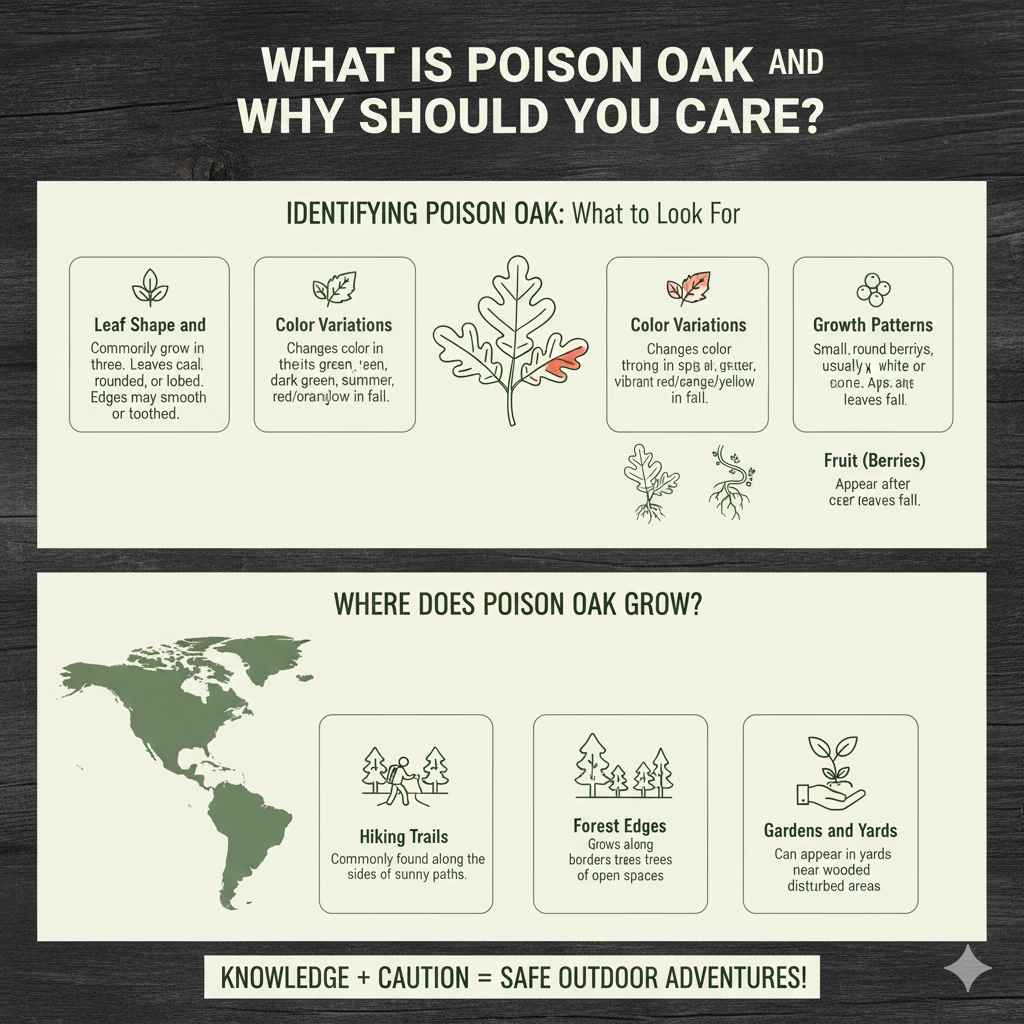
Identifying poison oak is key to avoiding it. The saying “leaves of three, let it be” is a good start, but there’s more to it. The leaves often grow in clusters of three, but they can sometimes have more. The appearance of the leaves can change depending on the season and the plant’s environment. They can be shiny, matte, smooth-edged, or lobed. Understanding these variations helps you spot poison oak in various settings. Poison oak also goes through seasonal changes. In the spring, the leaves are often bright green and new. In the fall, they can turn red or yellow before falling off. Knowing these differences will help you identify the plant at any time of year.
- Leaf Shape and Arrangement: Poison oak leaves commonly grow in groups of three. The leaves can be oval, rounded, or lobed. The edges may be smooth or toothed. The arrangement of leaves is a primary visual cue.This is the most direct signal for identifying the plant. The shape of the leaves can vary, which requires careful observation. Also, note the leaf edges, that can be another helpful detail.
- Color Variations: The color of poison oak leaves changes throughout the year. They start out bright green in the spring, becoming darker green in summer. During the fall, they often turn vibrant shades of red, orange, and yellow.The color gives clues about the season and the health of the plant. If you know the colors can vary based on the season, you can narrow your search. These changing colors can aid with quick identification.
- Growth Patterns: Poison oak can grow in different ways. It can be a low shrub or a climbing vine. Vines often have hairy, aerial roots that help them attach to surfaces. The growth pattern depends on the habitat.The habit of the plant gives you clues about its age and location. The vine can be mistaken for other plants. Understanding these different forms helps with better identification.
- Fruit (Berries): Poison oak produces small, round berries that are usually white or cream-colored. These berries appear after the leaves have fallen, which helps with identification during the off-season.Berries can offer another clue for identifying poison oak. They usually appear in the autumn and winter. The presence of berries can assist in identifying the plant, especially when the leaves are gone.
Where Does Poison Oak Grow?
Poison oak likes to grow in several different environments. It can thrive in sunny areas like open fields and along roadsides. It also likes shady places, such as woodlands and forest edges. It’s often found near trails and areas of disturbed soil. This plant is widespread throughout North America. It is most prevalent in the western United States and the southeastern United States. The plant has adapted to different climates and conditions, which makes it a resilient species. Recognizing the environments where poison oak grows can increase your chances of avoiding contact with it.
Here are some examples of places you might find poison oak:
- Hiking Trails: Hiking trails are common places where you can encounter poison oak. It’s along the sides of the path, where the sun is getting through. Hikers should watch for the leaves.
- Forest Edges: The edges of forests provide a lot of sunlight and nutrients for poison oak. The plants can grow along the border between the trees and open spaces. Awareness is important when hiking near these areas.
- Gardens and Yards: Poison oak can grow in gardens or yards that are near wooded areas. It might also be present if the soil has been disturbed. It’s easy to remove.
Can You Get Very Sick From Poison Oak?
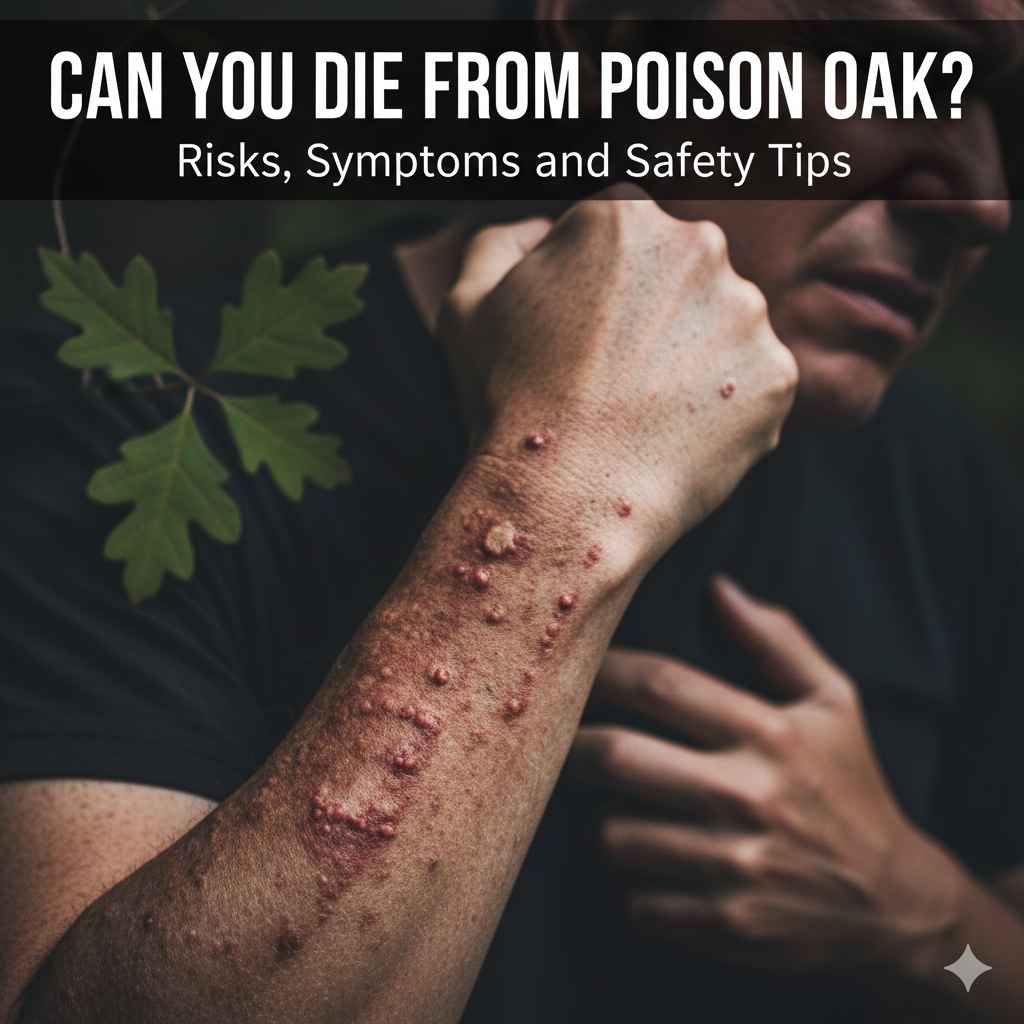
The main health issue with poison oak is the rash that it causes. It’s an allergic reaction to urushiol oil. Most people get a skin rash. It will cause intense itching, redness, swelling, and blisters. The severity of the reaction can differ. It depends on how sensitive you are to urushiol and how much of the oil you came into contact with. The rash usually develops within a few hours to a few days after exposure. It usually resolves on its own within a few weeks. However, the discomfort can be significant. There is no cure, but there are several ways to ease the symptoms. In rare instances, severe allergic reactions may need medical care.
Understanding the Urushiol Reaction
Urushiol oil causes an allergic reaction when it touches your skin. It binds to the skin cells and triggers an immune response. This response causes the symptoms of the rash. The oil can stick to many surfaces. This includes clothes, tools, and even pet fur. The rash isn’t contagious in the sense that it can’t spread from one person to another through the blisters. However, it can spread on your own body if you touch an area that still has the oil. Even scratching the rash will not spread the poison oak. The real danger is scratching your skin which can lead to bacterial infections.
- Initial Contact: When urushiol oil contacts the skin, it quickly begins to bind to the skin cells. This contact can occur through direct touch or through indirect contact with contaminated objects. The initial interaction is invisible.Urushiol is quickly absorbed through the skin. The more exposure, the higher the risk of a strong reaction. Awareness about what to avoid will reduce the chances of exposure.
- Allergic Response: Your immune system recognizes urushiol as a foreign substance. It then starts a process that causes inflammation. This immune response is what creates the symptoms of the rash.The body responds to the urushiol as an allergen. The intensity of the response depends on sensitivity. This process is very specific to each person.
- Rash Development: Within hours or days, a rash appears. The rash consists of redness, swelling, and blisters. The rash is where the urushiol contacted your skin. It might also spread if oil is moved around.The rash appears based on how long it took after contact. The different severity of the rash indicates the degree of contact. Managing the rash is easier with early intervention.
- Healing and Recovery: The rash typically resolves on its own within one to three weeks. Scratching can make the rash worse and lead to infections. Treatment focuses on relieving symptoms.The body recovers naturally, but symptoms require proper care. Using creams and avoiding scratching can aid the healing process. Following these steps ensures complete recovery.
When to See a Doctor
In most cases, a poison oak rash can be handled at home. However, there are times when it’s important to seek medical help. A doctor can prescribe stronger medications if needed. If you have a severe reaction, it’s very important to get care. Symptoms like difficulty breathing, swelling of the face or throat, or widespread rash over a large part of your body require immediate medical attention. Also, if the rash becomes infected, you might need antibiotics. A healthcare provider can determine the best course of action. They can also prevent additional health issues.
Treating Poison Oak: What Works and What Doesn’t
Treating a poison oak rash focuses on relieving symptoms and helping the skin heal. There’s no magical cure to make it disappear instantly. You can do several things to make it less itchy and more comfortable. Early treatment is most effective. Many options exist for managing the rash. Knowing what to do can make the experience more manageable. Understanding what to use and when can significantly improve your comfort.
Immediate Actions After Exposure
The first things to do after you’ve touched poison oak are to remove the urushiol oil from your skin. Doing this as soon as possible can prevent or reduce the severity of the rash. This is important, as the oil can absorb into the skin very quickly. If you remove the oil, you can minimize or stop its spread. Quickly washing your skin and any exposed clothing or tools is the best way to handle the situation.
- Wash with Soap and Water: Thoroughly wash the affected areas with soap and cool or lukewarm water. Use plenty of water and soap. Wash as soon as you think you’ve touched the plant. Do this within minutes, if possible.This is the first step toward getting rid of the oil. Remove the oil before it causes a reaction. Use a lot of water to clear the oils from the skin.
- Clean Your Clothes and Gear: Wash your clothes and any gear or tools that may have come into contact with the plant. Wash them separately, if possible, in hot water. Use a strong detergent.The oil can stay on surfaces and re-contaminate your skin. Proper cleaning stops the spread of the oil. This helps in avoiding new rashes.
- Avoid Scratching: Even though it’s very itchy, avoid scratching the rash. Scratching can break the skin. This can lead to infection and slow down the healing. Try to resist the urge to scratch.Scratching can make things worse by damaging the skin. Reduce the itch without scratching. Keep your nails short and consider a cold compress.
Home Remedies and Over-the-Counter Treatments
Several remedies can ease the discomfort of a poison oak rash. They won’t cure the rash, but they can reduce the itching and inflammation. Many of these treatments are available without a prescription. Over-the-counter options such as creams and lotions can give some relief. Home remedies, such as cool compresses, can help soothe the skin. Try different approaches to find what feels best for you. Keep in mind that everyone’s reaction is a little different, so what works for one person might not work for another.
- Calamine Lotion: Calamine lotion is a common remedy that helps to soothe the skin. It can reduce itching. Apply it to the affected areas as directed. It dries the rash and lessens the itchiness.Calamine is one of the most used treatments. Always apply it as the directions suggest. Reapply it as needed throughout the day.
- Hydrocortisone Cream: Hydrocortisone cream reduces inflammation and itching. Apply a thin layer to the rash. Be careful not to use this on broken skin or near the eyes.This cream can decrease inflammation and itching. Use it as the instructions direct. Use hydrocortisone cream to ease the symptoms.
- Cool Compresses: Applying cool compresses to the rash can ease itching and reduce inflammation. Soak a clean cloth in cool water. Apply it to the affected area for 15–30 minutes at a time. Repeat several times a day.A cool compress can soothe the affected area. This is a simple but effective technique. Apply it on the area and repeat when needed.
- Oatmeal Baths: Oatmeal baths can soothe itchy skin. Add colloidal oatmeal to a warm bath. Soak in the bath for 15–20 minutes. This will help relieve the itching.Oatmeal baths are great for soothing irritated skin. This treatment is gentle, so you can take these baths several times a day.
Medical Treatments and Prevention
When home remedies aren’t enough, doctors can offer further assistance. A doctor might prescribe stronger medications. They may prescribe oral corticosteroids to reduce inflammation. They might also prescribe topical steroids to reduce itching. Antibiotics may be used if the rash becomes infected. Prevention is also important. Knowing how to identify the plant and avoiding it is the best method to avoid a poison oak rash. Using protective clothing when you are in areas where poison oak is present can help you stay safe.
Can You Die From Poison Oak?
While a poison oak rash is unpleasant and uncomfortable, the direct answer to “Can You Die From Poison Oak? What You Should Know” is that it’s extremely rare for poison oak to cause a fatality. The rash itself is not life-threatening. The main health concerns involve the rash, which causes itching, blisters, and discomfort. In severe cases, complications can occur. These can include skin infections or, very rarely, severe allergic reactions. These severe reactions can be dangerous. But they are not the direct result of the urushiol exposure. Instead, they are due to complications. Proper treatment and avoiding complications are the most important ways to manage the risk.
Severe Reactions and Complications
While death from poison oak is very uncommon, certain complications can occur. These complications could potentially lead to serious health problems. Secondary infections are a major concern. If you scratch the rash, bacteria can get into the skin. This can lead to a bacterial infection like cellulitis. This requires antibiotic treatment. In very rare cases, people can have severe allergic reactions. This includes trouble breathing, swelling of the throat, and significant swelling throughout the body. These reactions are very rare, but they are a medical emergency.
- Skin Infections: If you scratch the rash, you can open the skin. Bacteria can enter and cause a secondary infection. The symptoms of skin infection include increased pain, pus, and fever.Keep the affected skin clean and avoid scratching to reduce your risk. Seek medical attention if you think there is an infection. Prompt treatment can prevent infections from getting worse.
- Allergic Reactions: In a few cases, a person can have a severe allergic reaction. This is called anaphylaxis. Symptoms include swelling, breathing problems, and a drop in blood pressure.Severe allergic reactions require immediate medical care. If you have any of these symptoms, seek immediate help. Quick treatment can prevent serious consequences.
- Pneumonitis from Inhaling Smoke: If you burn poison oak, the urushiol oil becomes airborne. If you breathe in the smoke, it can cause pneumonitis, an inflammatory condition of the lungs.Never burn poison oak. Avoiding smoke exposure will decrease your risk of breathing problems. If exposed to the smoke, seek prompt medical attention.
The Rarity of Fatalities
Deaths directly caused by poison oak are extremely rare. No deaths from poison oak rash itself have ever been documented. The vast majority of people with poison oak develop a rash. They recover fully with proper care. The risk comes from complications like secondary infections or severe allergic reactions. These situations are very uncommon. Also, deaths could result from inhaling urushiol from burning poison oak. This underlines the fact that you need to avoid the plant. It also confirms that avoiding burns is important.
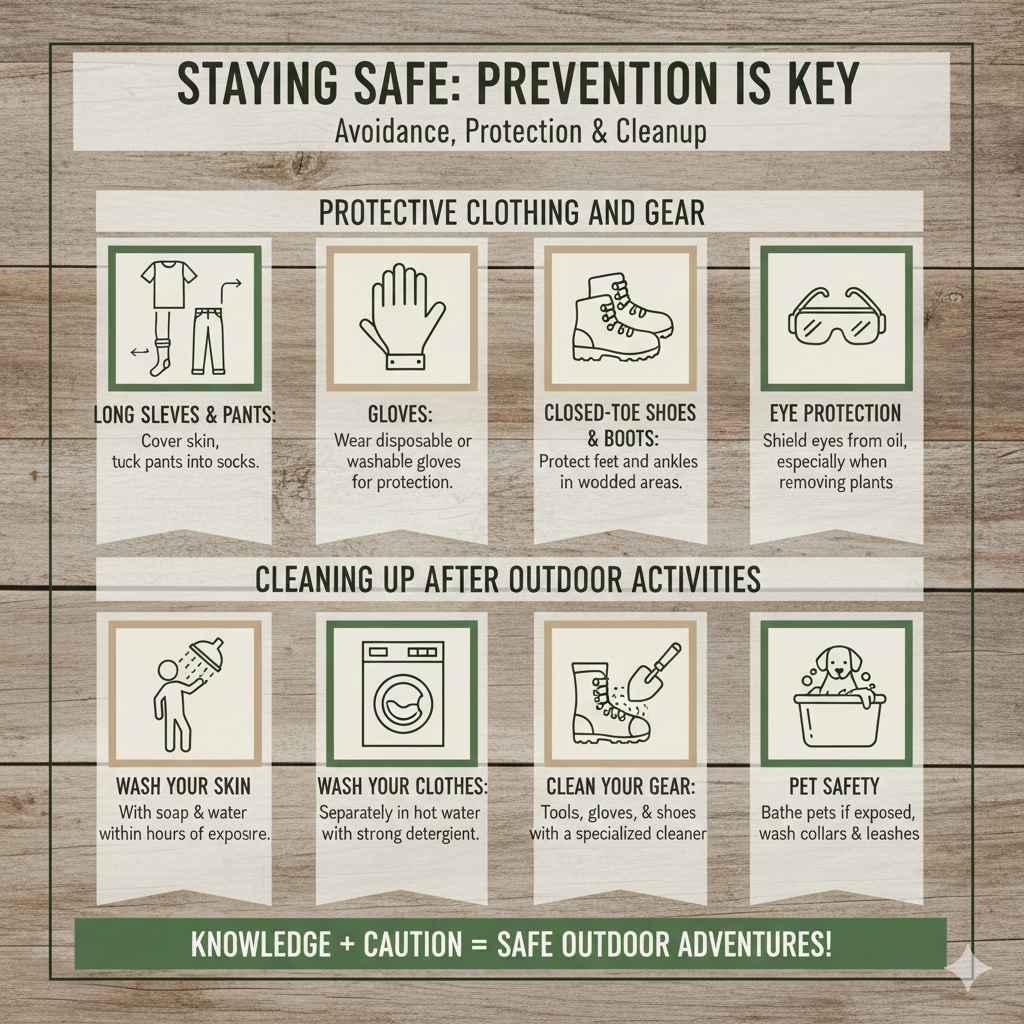
Staying Safe: Prevention is Key
The best way to manage poison oak is to avoid it. Avoiding contact with the plant minimizes the risk of getting a rash. Learning how to identify poison oak is the first step in prevention. You can then avoid areas where it’s likely to grow. Protective gear, like clothing and gloves, also helps. If you’re going to spend time outdoors, take some precautions to keep yourself safe. Always keep in mind, you may not always see the plant. The oil can cling to other objects, such as tools or pet fur.
Protective Clothing and Gear
When you are in an area where poison oak might be present, you should wear protective clothing. This creates a barrier between the plant and your skin. The right gear helps protect against contact. Wear long sleeves, long pants, and closed-toe shoes. Gloves are essential for any activity where you might touch the plant. If you work in an area where poison oak is likely to grow, you might consider wearing specialized clothing that protects from urushiol oil. Also, wearing protective gear helps you avoid touching the plant and getting the oil on your skin. Protective gear provides a physical barrier.
- Long Sleeves and Pants: Wear long sleeves and pants to cover as much skin as possible. Choose tightly woven fabrics. This stops the oil from reaching your skin. Consider tucking your pants into your socks.Covering the skin greatly reduces your risk. This is especially helpful in areas where you might brush against plants. Make sure all skin is covered by clothes.
- Gloves: Wear gloves if you’re going to be working around poison oak. Use disposable gloves or ones that can be thoroughly cleaned. This protects your hands from getting the oil on them.Hands are the main way the oil reaches your body. Use gloves. They will provide protection while working outside.
- Closed-Toe Shoes and Boots: Always wear closed-toe shoes or boots. These can protect your feet and ankles. It is especially important in wooded areas where the plant is more common.Feet are commonly affected, which is why protection is important. This is one of the most direct ways to have contact. Footwear is a must.
- Eye Protection: If you are working in areas where poison oak is present, wear eye protection. This can protect you from the oil getting into your eyes. It is also important for when the plant is being removed.Protecting the eyes stops them from irritation or reaction. Wear eye protection, especially if you are removing the plant or working in the area.
Cleaning Up After Outdoor Activities
After being outdoors, you should take several steps to get rid of any urushiol oil. Removing the oil minimizes the risk of a reaction. This prevents the rash. Thoroughly washing your skin is crucial. You also have to wash clothes and gear. You must also consider your pets. Cleaning up will greatly reduce the chance of the rash. Doing this after any outdoor activity is important. The main steps are to wash your skin with soap and water. Clean your clothes and gear with a strong detergent. You can also wash your pets if you think they may have come into contact with the plant.
Here are some examples of what to do after outdoor activities:
- Wash Your Skin: As soon as you finish your activity, wash your skin with soap and water. Use a lot of water and thoroughly wash all areas that might have been exposed. Do this within a few hours.
- Wash Your Clothes: After washing your skin, wash your clothes. Wash them separately in hot water with a strong detergent. This will get rid of any urushiol oil that may be on your clothing.
- Clean Your Gear: Clean your tools, gloves, and shoes. You can use a specific cleaner for poison oak. This is important to stop the oil from spreading.
Pet Safety and Poison Oak
Pets can carry urushiol oil on their fur. While pets don’t get the rash themselves, they can spread the oil to humans. After you’ve been outdoors with your pet, you should take steps to minimize the risk of spreading urushiol oil. You can bathe your pet with soap and water if you think they might have touched poison oak. You also have to wash any items your pet was in contact with, such as collars, leashes, and blankets. This will help to reduce the risk of a reaction. It’s also important to make sure your pet doesn’t go near poison oak.
Frequently Asked Questions
Question: Is it possible to be immune to poison oak?
Answer: No one is truly immune to poison oak, although sensitivity can vary. Some people are highly sensitive and react strongly, while others may have a milder reaction or no visible reaction initially. However, repeated exposure can lead to increased sensitivity over time.
Question: Can you spread a poison oak rash by scratching?
Answer: You can’t spread the rash by scratching, but you can spread the urushiol oil. If you still have oil on your skin and then scratch, you can move it to new areas of your body, leading to more rashes. If you have any remaining oil, it can spread to other areas of the body.
Question: Can poison oak rash be contagious?
Answer: The poison oak rash itself is not contagious. You can’t catch the rash from another person. The rash is an allergic reaction to urushiol oil. If you come into contact with the oil on someone else’s skin or clothing, you could get a rash.
Question: How long does a poison oak rash last?
Answer: A poison oak rash typically lasts for one to three weeks. The duration can vary based on individual sensitivity and the amount of oil exposure. It also depends on the treatment given to the affected area.
Question: Is it possible to get poison oak in the winter?
Answer: Yes, you can get poison oak in the winter. The urushiol oil is active all year. Even if the leaves have fallen off the plant, the oil can still be on the stems and roots.
Final Thoughts
So, Can You Die From Poison Oak? What You Should Know comes down to this: while poison oak is certainly no fun, it’s very rare for it to be deadly. The main concerns are the uncomfortable rash, the itching, and the possible risk of infection if the skin is broken. Preventing contact with the plant is your best defense. You can do this by learning how to identify it, wearing protective clothing when you’re in areas where it grows, and cleaning up thoroughly after being outdoors.
If you do come into contact with poison oak, washing the area with soap and water as soon as possible can make a big difference. With a little awareness and some simple precautions, you can enjoy the outdoors and avoid any unwanted skin reactions. Stay informed, stay safe, and keep exploring!