Can You Eat Poison Oak? Serious Risks Explained
Many folks are curious about wild plants, and one question that pops up a lot is: Can You Eat Poison Oak? Serious Risks Explained. It’s a tricky topic because poison oak is definitely something to avoid! This guide will break down everything you need to know about this plant and what happens if you accidentally get too close. We’ll simplify the science and show you the simple steps to stay safe. First, let’s explore how poison oak affects people and why it’s so important to be careful.
What Is Poison Oak and Why Avoid It?
Poison oak is a common plant in the United States, and it’s something you really need to be aware of. It’s found across the country, especially in wooded areas and near coastlines. The plant’s appearance can change, but it often has three leaflets, which is why the saying “leaves of three, let it be” is a helpful reminder. Poison oak belongs to the same family as poison ivy and poison sumac, all of which contain urushiol oil. This oil is what causes the allergic reaction.
The main reason to avoid poison oak is because of this urushiol oil. It’s incredibly potent and can cause a painful, itchy rash known as contact dermatitis. This rash isn’t just unpleasant; it can be very uncomfortable and even interfere with daily activities. Even a tiny amount of the oil can cause a reaction. The oil can get on your skin, clothes, pets, and even gardening tools, so it’s essential to be very careful.
Identifying Poison Oak
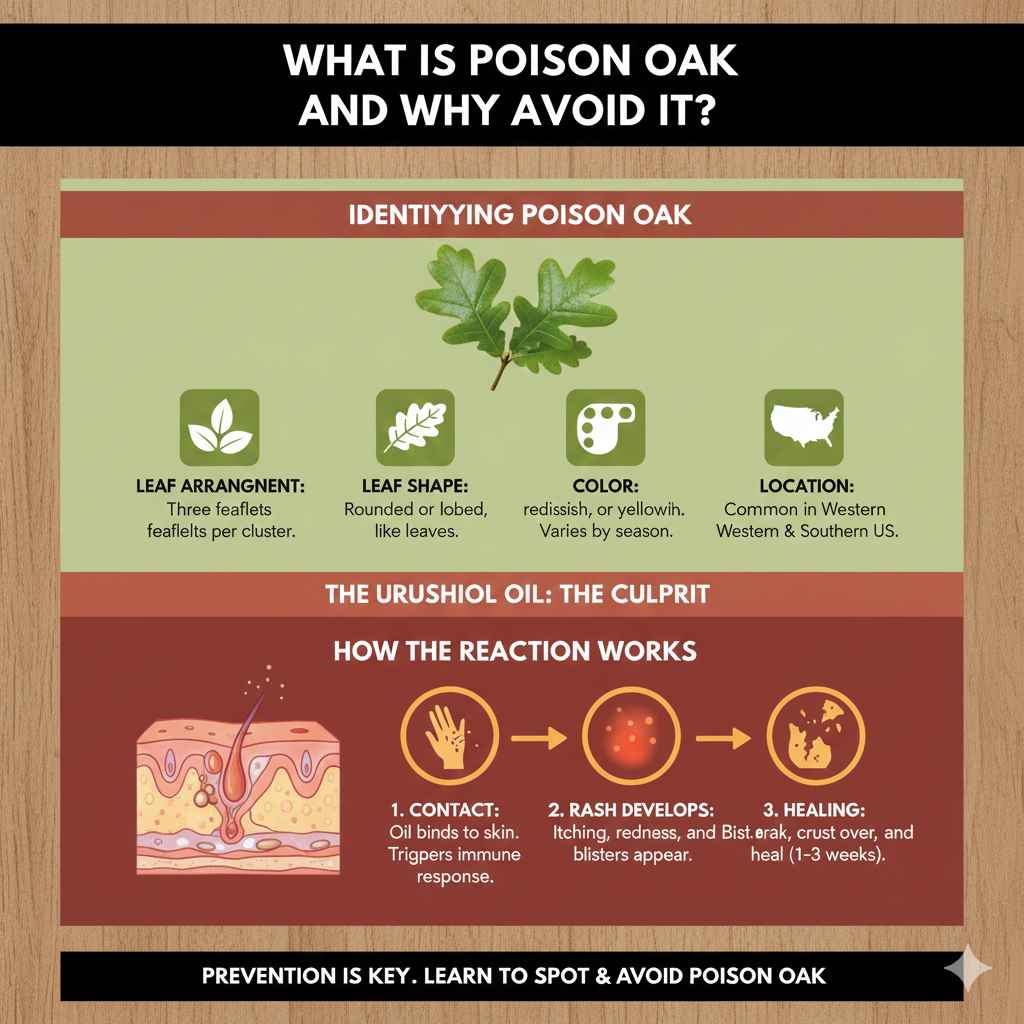
Identifying poison oak is the first step in avoiding it. The appearance of poison oak can vary quite a bit, but there are some key things to watch out for. Often, poison oak has three leaflets, similar to poison ivy. However, the leaves of poison oak are usually more rounded and lobed, like oak leaves, hence the name. The leaves can be green, reddish, or yellowish, depending on the season and location.
- Leaf Arrangement: Always check the leaf arrangement. Poison oak generally has three leaflets.
- Leaf Shape: The leaflets usually have a rounded or lobed shape.
- Color: The color of the leaves can change, but be careful of any plant with three leaflets.
- Location: Poison oak is most common in the United States, especially in the western and southern regions.
The Urushiol Oil: The Culprit
The culprit behind the misery caused by poison oak is the urushiol oil. This oily substance is found in all parts of the plant, including the leaves, stems, roots, and even the berries. Urushiol is incredibly resilient; it can remain active on surfaces for years, even after the plant has died. This is why you need to be cautious when touching anything that might have come into contact with the plant.
When the urushiol oil touches your skin, it binds quickly. This triggers an allergic reaction in most people. The severity of the reaction can vary from person to person. Some might experience only mild itching and redness, while others may develop severe blisters and swelling. The oil’s persistence makes avoiding poison oak critical.
How the Reaction Works
The reaction to urushiol oil is a type of allergic reaction known as contact dermatitis. It occurs when your body identifies urushiol as a foreign substance and mounts an immune response. This immune response causes the symptoms associated with the poison oak rash. The reaction typically starts with itching, followed by redness, and then the formation of blisters. The blisters are filled with fluid, and they eventually break open, crust over, and heal.
The rash does not spread in the conventional sense, but it can appear to because the oil can be spread by scratching, clothing, or tools. Also, different parts of your body might have been exposed at different times. Therefore, the rash can appear at different times in different areas. While the rash is not contagious, it can be very uncomfortable, so it’s crucial to understand how it works to prevent and treat it effectively.
The Dangers of Eating Poison Oak
The answer to the question “Can You Eat Poison Oak? Serious Risks Explained” is a resounding NO. Eating poison oak is extremely dangerous and can lead to severe health issues. The urushiol oil, which causes the rash on the skin, also affects your internal organs if ingested. Unlike the skin reaction, which is typically localized, the internal effects can be systemic and potentially life-threatening.
The risks associated with consuming poison oak are significant. These include severe inflammation of the mouth, throat, and digestive system. This can lead to difficulty breathing, swelling of the throat, and intense pain. Internal exposure to urushiol can also cause other serious complications, so it’s very important to avoid any part of the plant.
The Effects on the Digestive System
When poison oak is ingested, it can wreak havoc on your digestive system. The urushiol oil irritates the lining of the mouth, throat, esophagus, and stomach. This irritation causes inflammation, swelling, and pain. It can be difficult to swallow, and eating and drinking become extremely uncomfortable. The inflammation can also cause nausea, vomiting, and diarrhea. In some cases, the inflammation can be so severe that it can block the airway, making breathing difficult.
Respiratory Complications
One of the most concerning risks of eating poison oak is the potential for respiratory complications. If the urushiol oil comes into contact with the airways, it can cause significant swelling in the throat and lungs. This swelling can restrict airflow, leading to breathing difficulties, wheezing, and, in severe cases, respiratory failure. Immediate medical attention is vital if someone experiences any respiratory symptoms after eating or inhaling poison oak.
Other Systemic Effects
Besides the digestive and respiratory issues, eating poison oak can cause other systemic effects. Urushiol can enter the bloodstream and spread throughout the body, causing a widespread inflammatory response. This can lead to fever, chills, and fatigue. In rare cases, severe allergic reactions can trigger anaphylaxis, a life-threatening condition that requires immediate medical treatment. Other complications include kidney damage and potential liver issues.
A study published in the Journal of Allergy and Clinical Immunology indicated that around 85% of people are sensitive to urushiol, with varying levels of reaction severity.
What to Do if You Encounter Poison Oak
Even if you avoid eating poison oak, you may still come across it, and knowing what to do is important. If you suspect you have come into contact with poison oak, act quickly to reduce your risk of a rash. The sooner you take action, the better your chances of preventing or minimizing the reaction.
First, wash the affected area thoroughly with soap and water immediately. Scrubbing vigorously can help remove the oil before it binds to your skin. Then, wash any clothing or gear that may have come into contact with the plant. Finally, if you develop a rash, there are many treatments available to help ease the discomfort.
Immediate First Aid
The first step is washing with soap and water within minutes of exposure. Use cool water and a gentle soap to scrub the area. Avoid using hot water, as this can open your pores and help the oil bind to your skin faster. Rinse thoroughly and repeat several times. The goal is to remove the urushiol oil before it has a chance to soak into your skin. Specialized cleansers designed to remove urushiol are also available.
Next, wash any clothing, shoes, tools, or anything else that might have come into contact with the plant. Urushiol oil can stick to many surfaces and remain active for long periods. You can wash clothing in a washing machine with hot water and detergent. If you have pets, wash them as well, as they can carry the oil on their fur. Cleaning everything thoroughly minimizes the chances of further exposure.
Treating the Rash
If a rash develops, there are several treatments that can provide relief. Over-the-counter remedies include calamine lotion, which can soothe itching, and hydrocortisone cream, which can reduce inflammation. Cool compresses can also help ease the itching and discomfort. It is important to avoid scratching the rash, as this can lead to infection and make the rash worse.
- Calamine Lotion: Apply calamine lotion to the affected areas to help relieve itching.
- Hydrocortisone Cream: Use hydrocortisone cream to reduce inflammation and itching.
- Cool Compresses: Apply cool, wet compresses to the skin to ease the itching and discomfort.
- Avoid Scratching: Do not scratch the rash, as this can make it worse and lead to infection.
- See a Doctor: If the rash is severe, spreads quickly, or is accompanied by fever or difficulty breathing, seek medical attention.
When to Seek Medical Attention
In most cases, a poison oak rash can be managed at home with over-the-counter treatments. However, there are times when it’s essential to seek medical attention. If the rash is widespread, covers a large portion of your body, or involves your face or genitals, see a doctor. Symptoms like difficulty breathing, swelling of the throat, fever, or signs of infection (pus or increased pain) require immediate medical care. A doctor can prescribe stronger medications, such as corticosteroids, to help control the reaction.
According to the American Academy of Dermatology, about 10-15% of people with poison oak reactions will need to see a doctor for treatment.
Preventing Poison Oak Exposure
The best way to avoid the dangers of poison oak is to prevent exposure in the first place. Awareness and caution are your best defenses. Recognize poison oak, and know where it grows. It also is very important to dress appropriately when you’re in areas where poison oak might be present. In this way, you can significantly reduce your risk of a reaction.
Prevention involves learning to identify poison oak and taking precautions to avoid contact. Know your surroundings, particularly when you’re hiking, camping, or gardening. Being aware and using the right gear can protect you from exposure, and it can reduce the chances of a rash.
Identifying Poison Oak Habitats
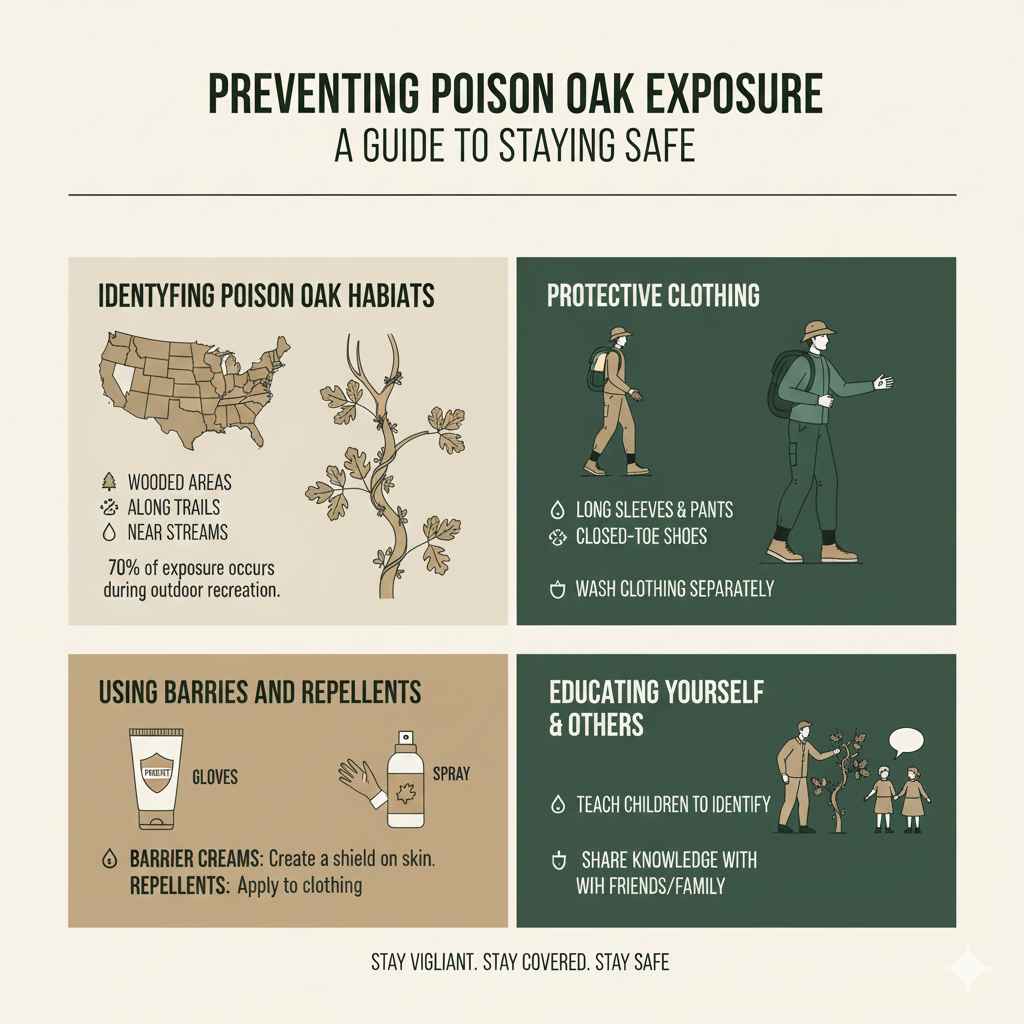
Poison oak can grow in various habitats. Common places to find it are wooded areas, along trails, near streams, and in disturbed areas. It can grow as a low-lying shrub or as a vine that climbs up trees or fences. It’s often found in areas that get plenty of sunlight. Awareness of these common habitats is the first step in avoiding the plant. When hiking, camping, or gardening in areas where poison oak might be present, it’s essential to be extra vigilant.
Approximately 70% of poison oak exposure occurs during recreational activities, highlighting the importance of prevention when outdoors.
Protective Clothing
Wear protective clothing when you’re in areas where poison oak might be present. This includes long sleeves, long pants, gloves, and closed-toe shoes. Tuck your pants into your socks to prevent the oil from reaching your skin. Wear a hat to protect your face and neck. If you are working in the garden, consider wearing disposable gloves. After you are done outside, wash all of your clothing separately in hot water and detergent to remove any traces of urushiol oil.
Using Barriers and Repellents
You can use barriers and repellents to prevent poison oak exposure. Barrier creams, such as those containing bentoquatam, can protect your skin by creating a barrier that blocks the urushiol oil. Apply the cream before you go outdoors, and reapply it as needed, especially if you sweat a lot. There are also repellents available that can help deter poison oak, and these are often applied to clothing.
Educating Yourself and Others
Educate yourself and those around you about poison oak and how to avoid it. Teach children to identify the plant and to stay away from it. Share your knowledge with friends and family. This knowledge helps create a safer environment for everyone. Make sure that everyone who spends time outdoors with you understands the risks and the prevention methods.
Frequently Asked Questions
Question: Can you get poison oak in the winter?
Answer: Yes, you can still get poison oak in the winter. The plant loses its leaves in the winter, but the urushiol oil is still present in the stems and roots, which can cause a rash.
Question: Is the poison oak rash contagious?
Answer: No, the poison oak rash itself is not contagious. However, the urushiol oil can spread from the plant to your skin or from your skin to other surfaces and people.
Question: How long does a poison oak rash last?
Answer: A poison oak rash typically lasts from one to three weeks. The severity and duration of the rash can vary depending on the amount of oil you were exposed to and your sensitivity.
Question: Can you get a rash from second-hand contact with poison oak?
Answer: Yes, you can get a rash from second-hand contact. Urushiol oil can stick to clothing, tools, and pets, and touching these items can cause a reaction even if you don’t directly touch the plant.
Question: Does poison oak cause scars?
Answer: Usually, poison oak does not cause scars. However, if you scratch the rash and it gets infected, scarring is possible.
Final Thoughts
So, we’ve explored the truth about Can You Eat Poison Oak? Serious Risks Explained, and the dangers are clear: consuming this plant poses significant health hazards. The urushiol oil is a potent substance, capable of causing a nasty rash and other dangerous problems. Knowing what poison oak looks like, how the oil works, and how to avoid it are your best defenses. The key is to be careful, understand the risks, and take immediate action if you think you’ve come into contact with it.
Now that you know what to do, go out there and enjoy the outdoors, but remember to stay aware. Keep an eye out for poison oak, wear the right clothes, and always wash up after being outside. If you’re unsure, it’s always better to be safe than sorry. Remember, a little caution can keep you safe and help you enjoy nature without worry!