Can You Mop Wood Floors Without Damaging Them? A Guide
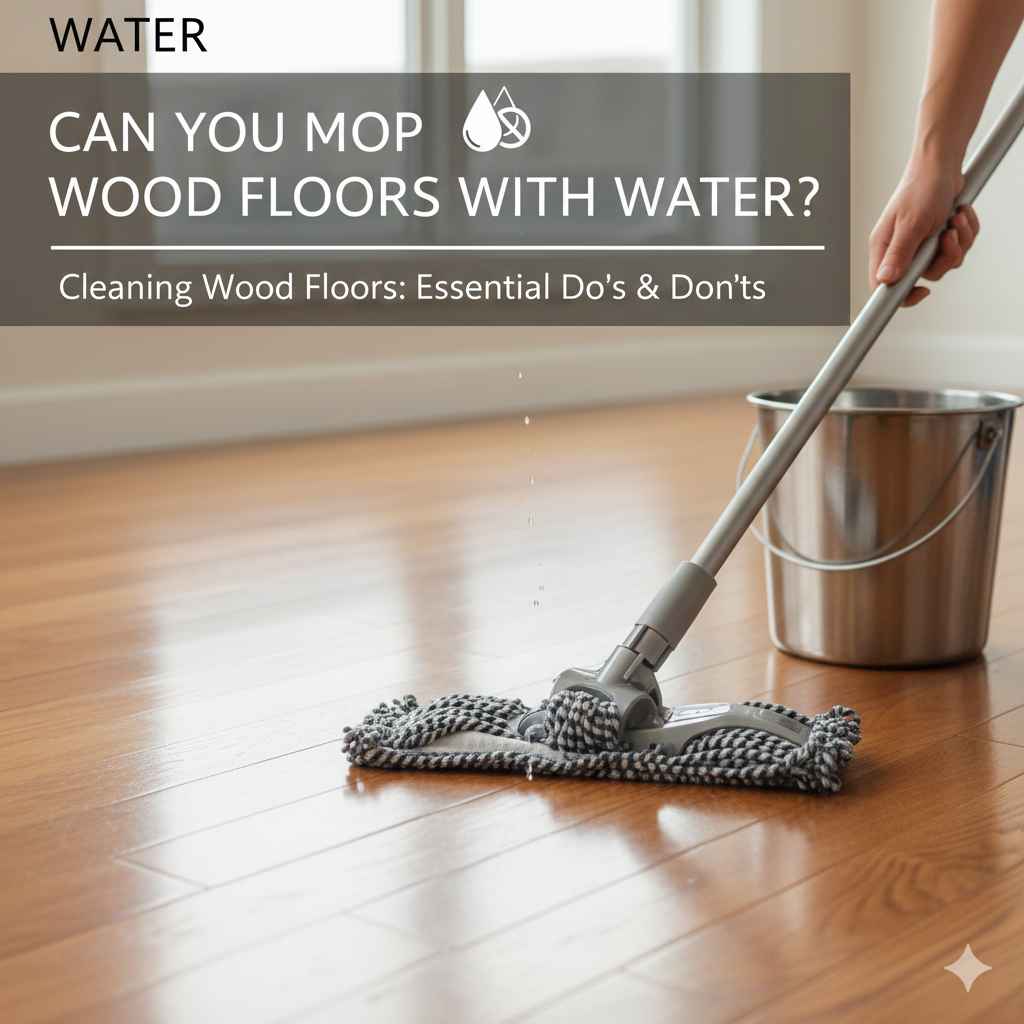
Cleaning wood floors can be tricky, right? You might worry about damaging the finish or causing water stains. The question, Can You Mop Wood Floors Without Damage?, is a common one, especially for those new to home care. Don’t worry, though! It’s totally possible to keep your floors clean and beautiful without causing problems. This post will give you a simple, step-by-step way to mop wood floors. Let’s start with the basics of what you need to know.
Knowing Your Wood Floors
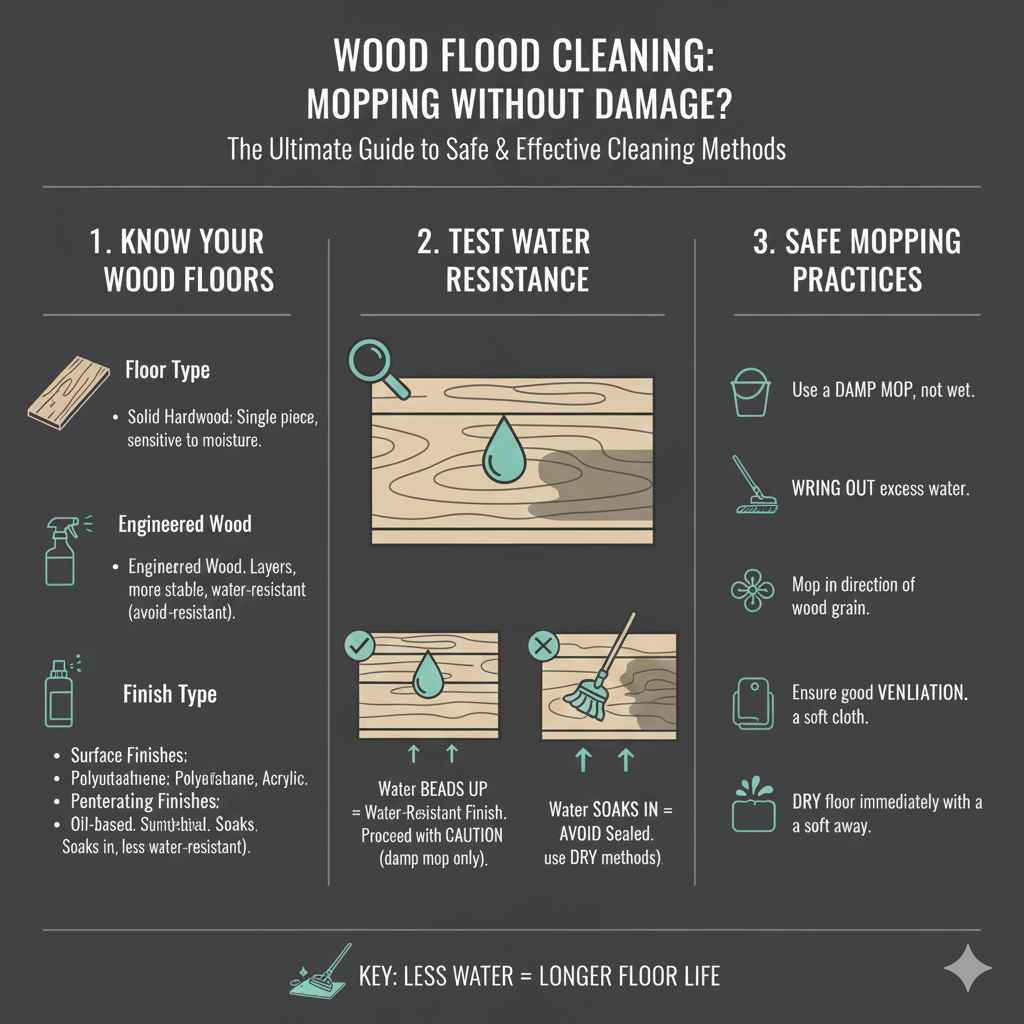
Before you even think about grabbing a mop, it’s important to figure out what kind of wood floors you have. Different types of wood and finishes require different cleaning methods. For instance, a sealed hardwood floor is more resistant to moisture than an unsealed one. Knowing this is the first and most important step to knowing whether or not you Can You Mop Wood Floors Without Damage? Different wood types have different levels of porosity. This is how easily they absorb liquids. This absorption is a key consideration when cleaning, as water can cause the wood to swell, warp, or stain if it’s not properly sealed. Inspecting your floor for cracks, gaps, or existing damage will also help you determine the best cleaning approach.
Identifying Your Wood Floor Type
Wood floors come in many varieties, each with unique characteristics that influence how you should clean them. Let’s look at a few common types.
Solid Hardwood: This is made from solid pieces of wood. It’s often found in older homes. Solid hardwood floors are susceptible to moisture damage. They can warp or cup if exposed to too much water.
Solid hardwood floors are a classic choice, valued for their natural beauty and durability. Solid hardwood floors, made from a single piece of wood, are known for their strength and longevity. However, they’re more sensitive to moisture fluctuations than engineered wood or laminate. The wood expands and contracts in response to temperature and humidity changes. This movement can lead to gaps between the boards if the environment isn’t controlled. Proper care, including avoiding excessive moisture during cleaning, is crucial to preserving these floors.
Engineered Wood: Engineered wood is made with a core of plywood or high-density fiberboard and a top layer of real wood. It’s often more stable than solid hardwood and can be less sensitive to moisture.
Engineered wood offers the look and feel of solid hardwood. Engineered wood, however, uses layers of wood bonded together. It’s designed to be more stable. This construction makes engineered wood less prone to warping and expansion and contraction from changes in humidity. Engineered wood is a good choice for areas prone to moisture, such as basements or kitchens. Engineered wood floors still require care when cleaning to avoid damaging the top veneer. This veneer is the visible wood layer. Avoiding excess water is essential to maintain the floor’s appearance and structural integrity.
Laminate Flooring: Laminate flooring is a synthetic product that imitates the look of wood. It’s usually very water-resistant, but it’s still best to avoid excess water during cleaning.
Laminate flooring provides an economical alternative to real wood, featuring a photographic layer that mimics the appearance of wood grains and textures. Made from composite wood pressed together under high pressure, laminate is known for its durability and resistance to scratches and wear. Because of its construction, laminate is more water-resistant than solid or engineered wood. However, excessive moisture can still cause damage, especially at the seams, leading to swelling or delamination of the layers. Therefore, cleaning laminate floors with minimal moisture is essential for their long-term care.
Checking Your Floor’s Finish
The finish on your wood floors is like a protective coating. It helps protect the wood from scratches, stains, and moisture. The finish is critical in determining the best cleaning practices. The finish’s type and condition will heavily influence your answer to Can You Mop Wood Floors Without Damage? There are two main types of finishes:
Surface Finishes: These sit on top of the wood and create a protective layer. Common surface finishes include polyurethane, varnish, and acrylic.
Surface finishes, such as polyurethane, varnish, and acrylic, form a protective layer on top of the wood, creating a barrier against moisture and wear. They are applied to the surface, and once cured, the finish is durable and water-resistant. The surface finish is the primary defense against spills and scratches, and it can usually withstand regular cleaning. Regular cleaning with gentle products is usually adequate to preserve the finish, although scratches can occur with heavy use.
Penetrating Finishes: These soak into the wood, providing protection from within. They often require more frequent maintenance than surface finishes. Common penetrating finishes include oil-based finishes.
Penetrating finishes, like oil-based products, soak into the wood, protecting it from within. Instead of creating a surface barrier, these finishes saturate the wood fibers, enhancing their natural color and texture. Penetrating finishes are less water-resistant than surface finishes. They require more frequent maintenance to maintain their protective qualities. Regular oiling or waxing is usually needed to maintain the wood’s natural beauty and durability. It’s also important to note that cleaning methods must consider the presence of oil or wax, as harsh chemicals could harm the finish.
Testing Your Floor’s Water Resistance
Before you start mopping, it’s a good idea to test a hidden area of your floor to see how it reacts to water. This helps you figure out how easily the wood absorbs moisture. Place a small drop of water on the floor in an inconspicuous spot, like inside a closet or under a piece of furniture. Watch what happens.
If the water beads up: Your floor has a good finish and is likely water-resistant.
When water beads up on your floor, it means the surface finish is doing its job and repelling moisture. This is a positive sign, as it indicates the wood is well-protected against water damage. With a good finish, you can often use a slightly damp mop. This is not the green light to flood the floor. A damp mop is essential when cleaning. Always make sure to dry the floor thoroughly after mopping.
If the water soaks in: Your floor may not be sealed well, and you should be very careful when mopping.
If the water soaks into the wood, it indicates that the finish is either worn or absent, and the wood is susceptible to moisture. In this case, mopping with any amount of water could cause damage. You may want to consider using a dry-mop system, or a very lightly dampened mop, or even a professional cleaning service that specializes in wood floors.
The Right Supplies for Mopping
Having the right tools is the first step when cleaning. Using the right supplies is essential to ensure you Can You Mop Wood Floors Without Damage? It’s also critical for effective cleaning and maintaining the beauty of your floors. If you use the wrong supplies, you risk damaging your wood floors. You might end up with streaks, dullness, or even permanent damage.
Choosing the Right Mop
The type of mop you use can greatly affect your results. There are several options available, each with its own pros and cons.
Microfiber Mop: These are generally the best choice for wood floors.
Microfiber mops are an excellent choice for cleaning wood floors. Their tiny fibers trap dirt and dust. They are also gentle enough to avoid scratching the wood. Microfiber mops are reusable. They can be washed and used again and again. Their ability to pick up and hold onto dirt also means you can often use less cleaning solution, which is good for your floors. They also work well with various cleaning solutions.
Spray Mop: These mops have a built-in spray mechanism. This allows you to apply cleaning solution directly to the floor.
Spray mops are convenient. They have a built-in spray mechanism that lets you dispense the cleaning solution directly onto the floor as you mop. This means you can control the amount of solution you’re using. Spray mops often come with a reusable microfiber pad. They are a good option for quick cleaning and spot cleaning. They help reduce the chances of over-saturating the floor. They are also easy to maneuver and great for quick jobs.
Traditional Mop and Bucket: Traditional mops, like string mops or sponge mops, can be used. But it’s important to wring them out thoroughly to avoid using too much water.
String mops and sponge mops are common options. However, they aren’t always the best choice for wood floors because they tend to retain more water. If you choose to use one, it’s crucial to wring it out very well. This reduces the risk of applying too much water to your floors. These mops can be effective when used correctly, but it takes more attention to avoid potential damage from water.
Selecting the Proper Cleaning Solution
Using the right cleaning solution is just as important as choosing the right mop. The wrong solution can strip away the finish, dull the wood, or even cause damage.
pH-Neutral Cleaners: These are typically the safest choice for wood floors.
pH-neutral cleaners are generally the best option for wood floors. These cleaners have a balanced pH, meaning they are neither too acidic nor too alkaline. They are designed to be gentle on the wood and the finish. They effectively remove dirt and grime without harming the floor’s surface. They are an excellent way to maintain your floors.
Wood Floor Cleaners: These are specifically designed for wood floors. They often contain ingredients that help protect and enhance the finish.
These cleaners are specifically designed for wood floors. These formulations often contain special ingredients that help protect the wood and the finish. They remove dirt and grime. They also provide extra care. Wood floor cleaners may include ingredients that enhance shine or condition the wood. They are a safe and effective way to clean your wood floors.
Avoid Harsh Chemicals: Steer clear of cleaners containing ammonia, bleach, or vinegar, as these can damage the finish.
Avoid harsh chemicals, such as ammonia, bleach, and vinegar. These cleaners can be aggressive and damaging to wood floor finishes. Ammonia and bleach can strip away the finish. Vinegar can dull the surface over time. It’s best to avoid these chemicals. They can harm the appearance and protection of your wood floors. Choosing gentle, wood-friendly options is key to proper care.
Gathering Essential Accessories
You’ll also need a few extra accessories to make the mopping process easier and safer for your floors.
A Bucket (if using a traditional mop): Use one that is clean and dedicated to floor cleaning.
If you’re using a traditional mop and bucket, make sure you use a bucket that is clean and dedicated to floor cleaning. This helps prevent the spread of dirt and debris. Cleaning your floor with a dedicated bucket helps ensure that the cleaning solution remains as clean as possible. This, in turn, helps to avoid leaving streaks or residue on your wood floors.
Soft Cloths: Keep some clean, dry cloths on hand to wipe up any spills or excess water.
Soft cloths are handy for wiping up spills or any excess water during mopping. This simple step helps prevent water from standing on the floor. It also helps to prevent water from penetrating the wood. Keeping a stack of soft cloths ensures that you can quickly deal with any dampness. These cloths can also be used to dry the floors after mopping. They help maintain your floors.
Protective Gear: Wearing gloves is optional but can protect your hands from cleaning solutions.
Wearing gloves is an optional but wise idea. Gloves can protect your hands from the cleaning solutions. Some cleaning products might cause skin irritation for some people. Gloves help protect your hands. They also ensure the cleaning process is hygienic.
The Right Way to Mop
Now that you have your supplies and have learned about your floors, it’s time to get started. Following the proper mopping technique is critical to determine if you Can You Mop Wood Floors Without Damage? A carefully executed mopping approach will ensure your floors are clean and well-protected.
Prepping the Floors
Before you start mopping, there are a few steps you can take to prepare your floors.
Sweep or Vacuum: Remove loose dirt, dust, and debris.
Before mopping, sweep or vacuum the floors to remove any loose dirt, dust, and debris. This helps to prevent scratching the floor surface. It also keeps your mop and cleaning solution cleaner. This preliminary step ensures that the mopping process is more effective. Dirt and debris can also make it harder to clean. Therefore, taking a few minutes to sweep or vacuum can make a big difference.
Dust or Wipe Baseboards and Corners: These areas often collect dust.
Dust or wipe the baseboards and corners to remove dust. Dust tends to collect in these areas. Wiping these areas first ensures that the debris does not end up on the clean floors. By paying attention to these details, you can ensure a comprehensive and effective cleaning of your floors.
Consider Using a Dry Mop First: For a quick clean, you can use a dry mop or microfiber cloth to remove dust.
For a quick clean, consider using a dry mop or microfiber cloth to remove dust and light debris. This is a good way to maintain floors in between mopping sessions. This also keeps the floors cleaner for longer. Dry mopping removes surface debris. It makes the mopping process more effective. This is an easy habit to integrate into your routine.
The Mopping Process
Let’s walk through the steps for mopping wood floors.
Prepare Your Cleaning Solution: Mix your chosen cleaner with water according to the product instructions.
Mix your cleaning solution with water according to the instructions on the product label. Using the right concentration of cleaner is essential to ensure that the solution effectively cleans without damaging the floor. Always read and follow the instructions to avoid damage. Too much cleaner can leave a residue. Too little might not clean properly.
Dampen the Mop: Dip your mop in the cleaning solution, and wring it out thoroughly. The mop should be damp, not soaking wet.
Dip your mop in the cleaning solution. Wring out the mop thoroughly. It should be damp, not soaking wet. The key is to avoid using too much water on the floor, as this can lead to damage. Wringing the mop ensures that the floor gets cleaned without being saturated with water. This prevents warping, staining, or other damage.
Mop in Sections: Start at one corner of the room and work your way across, mopping in the direction of the wood grain.
Begin mopping in one corner of the room and work your way across. Always mop in the direction of the wood grain. This approach helps to prevent streaks and ensures even cleaning. Working in sections also allows you to manage how much water you apply to each area. It’s an effective way to keep your floors clean.
Rinse the Mop Frequently: Rinse your mop frequently in the cleaning solution or fresh water to remove dirt and debris.
Rinse your mop frequently in your cleaning solution or fresh water to remove dirt and debris. This will keep the cleaning process effective. It prevents dirty water from spreading across your floors. Rinsing your mop helps maintain a clean and streak-free finish. Doing this regularly keeps the water you’re using clean and helps to prevent dirt buildup.
Wipe Up Excess Water: If you notice any puddles or excess water, wipe them up immediately with a clean, dry cloth.
If you see any puddles or excess water on the floor, wipe them up immediately using a clean, dry cloth. This is very important. Excess water can cause damage to the wood. Taking action quickly will prevent issues. Keeping a dry cloth on hand to manage any excess moisture is key.
Drying Your Floors
Drying your floors properly after mopping is a key step.
Air Dry or Use a Clean Cloth: Allow the floors to air dry, or use a clean, dry cloth to wipe them down.
After mopping, either allow your floors to air dry naturally, or wipe them down with a clean, dry cloth. This step is crucial for preventing water spots and protecting your wood. Ensuring that the floors are completely dry helps prevent water from seeping into the wood. It also ensures that the floor is dry.
Avoid Walking on the Floor Until Dry: To avoid tracking dirt or leaving footprints, wait until the floors are completely dry before walking on them.
Avoid walking on the floor until it’s fully dry to prevent tracking dirt or leaving footprints. This is also important to let the floor dry without being disturbed. This helps to maintain the clean appearance of your floors and prevents damage.
Ensure Proper Ventilation: Opening windows or using a fan can help speed up the drying process.
Opening windows or using a fan to improve air circulation can speed up the drying process. Good ventilation helps the floors dry quickly. It also helps to prevent moisture buildup. This additional step ensures that your floors dry thoroughly and that they are ready to use.
Tips for Success
Following these extra tips will help you further ensure that Can You Mop Wood Floors Without Damage? Proper techniques and good habits can extend the life of your floors.
Mop Regularly: Regular mopping prevents dirt and grime buildup.
Mopping regularly is key to preventing dirt and grime buildup, which, over time, can damage your wood floors. Regular cleaning also makes it easier to keep your floors clean. Schedule regular cleaning sessions to help maintain your floors.
Clean Up Spills Immediately: Wipe up spills as soon as they happen to prevent them from soaking into the wood.
Wipe up spills immediately to prevent them from soaking into the wood. Spills that are not cleaned up quickly can cause stains or damage. Having a plan for dealing with spills can protect your floor. Spills that are cleaned quickly make for easy maintenance.
Protect Your Floors: Use doormats and area rugs to protect your floors from dirt and scratches.
Use doormats and area rugs to help protect your wood floors from dirt and scratches. These simple additions can help reduce the wear and tear on your floors. Place doormats at entryways to trap dirt and debris. Place rugs in high-traffic areas to add an extra layer of protection. This can prevent damage.
Use Furniture Pads: Place felt pads under furniture legs to prevent scratches.
Place felt pads under furniture legs to prevent scratches. This simple step can help protect your wood floors. Felt pads prevent furniture from directly contacting the floor. This protects against scratches and damage from moving or dragging furniture. This is an inexpensive measure with lasting results.
Avoid Harsh Abrasives: Never use abrasive cleaners or scrub brushes, as these can damage the finish.
Avoid abrasive cleaners and scrub brushes. They can damage the finish on your wood floors. Abrasive cleaners and brushes can scratch the surface of the floor. They can dull the finish over time. Use gentle cleaning solutions. Regular mopping is best to avoid problems.
Scenario Examples
The Quick Clean: You have guests coming over in an hour, and you need a quick clean.
Quickly sweep or vacuum the floors.
Use a spray mop with a wood floor cleaner.
Spray the cleaner directly onto the floor and wipe.
This is a great example of quick cleaning without damaging the wood floors.
Dealing with a Sticky Spill: You spill juice on the floor, and it becomes sticky.
Wipe up the spill immediately with a damp cloth.
Use a pH-neutral cleaner to remove any remaining residue.
Dry the area thoroughly to prevent water damage.
This shows how to avoid damage from spills.
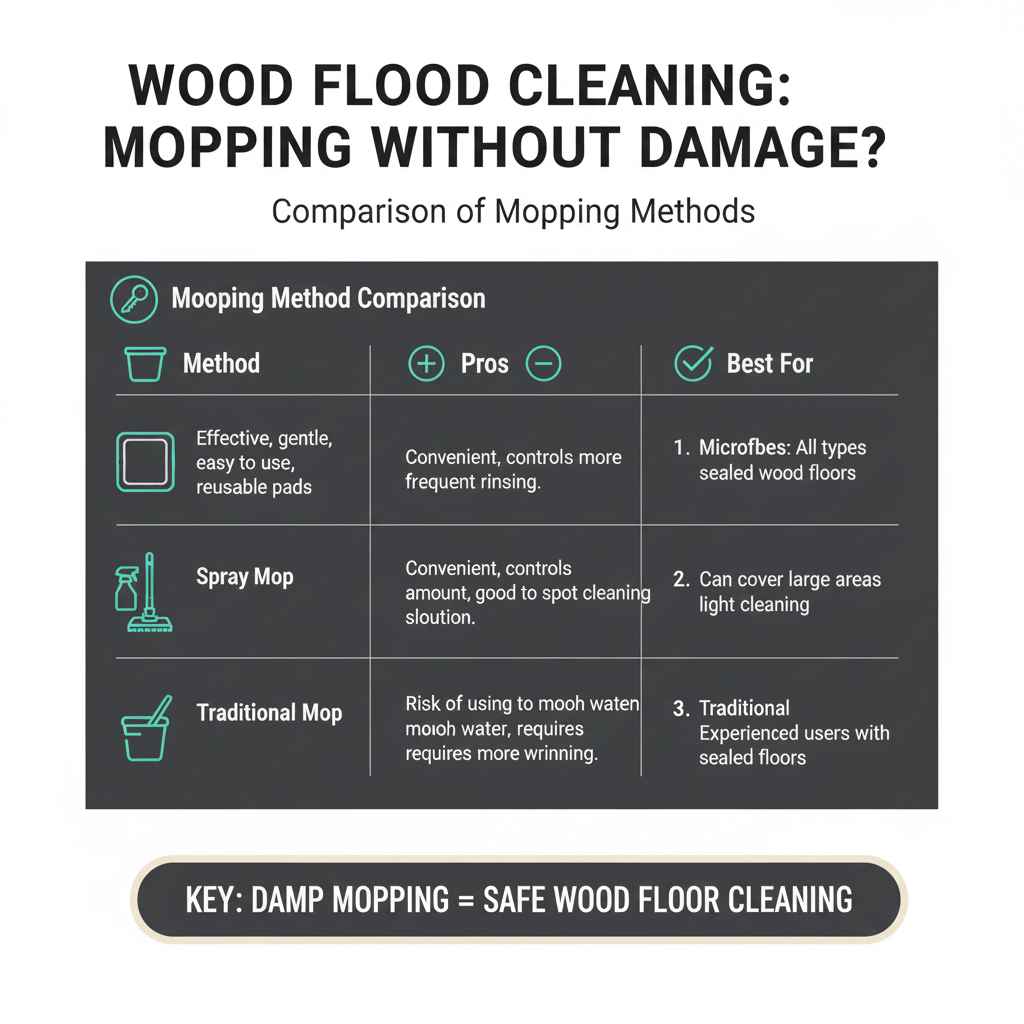
Comparison of Mopping Methods
Here’s a simple table to compare different mopping methods for wood floors:
| Mopping Method | Pros | Cons | Best For |
|---|---|---|---|
| Microfiber Mop | Effective, gentle, easy to use, reusable pads | May require more frequent rinsing. | All types of sealed wood floors |
| Spray Mop | Convenient, controls solution amount, good for spot cleaning | Requires specific cleaning solution. | Quick touch-ups, light cleaning |
| Traditional Mop and Bucket | Can cover large areas quickly | Risk of using too much water, requires more wringing. | Experienced users with sealed floors |
Frequently Asked Questions
Question: How often should I mop my wood floors?
Answer: It depends on the traffic your floors get, but a good rule of thumb is to mop weekly, or as needed.
Question: Can I use a steam mop on wood floors?
Answer: Steam mops can damage wood floors, so it’s generally best to avoid them.
Question: What if my floors have a lot of scratches?
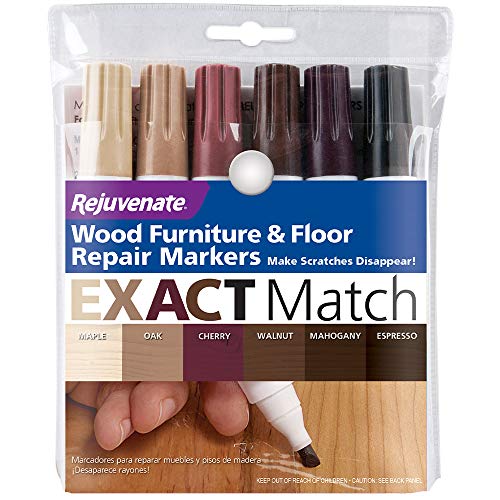
Answer: Consider refinishing or using a wood floor repair kit to address scratches.
Question: Can I use vinegar to clean wood floors?
Answer: While some people use vinegar, it can dull the finish over time, so it’s not the best choice.
Question: How do I remove stubborn stains from my wood floors?
Answer: For stubborn stains, you might need a specialized wood floor cleaner or consult a professional.
Final Thoughts
You’ve learned the essential steps to clean and care for your wood floors. The ability to do so depends on your choices of equipment, cleaning supplies, and techniques. Knowing your floor type and finish is the first step to prevent damage. Using the right supplies, like a microfiber mop and pH-neutral cleaner, is essential. Remember to prepare the floors, mop with a damp mop in the direction of the grain, and dry them thoroughly. By following these steps, you can keep your wood floors looking beautiful. So, grab your mop and your favorite cleaner. You can now clean your floors with confidence! Keep up with your cleaning routine and protect your floors. Your floors will thank you for it!