Peel and Stick Wood Flooring: Cost, Lifespan and the Vinyl Truth
Peel and stick wood flooring is vinyl plank flooring embossed to mimic wood grain — not a real wood veneer, despite the name. Buying it expecting genuine hardwood is the most common costly mistake, since it wears through in 5 to 10 years of normal foot traffic versus decades for solid wood. This guide covers real cost per square foot, honest lifespan expectations, and how it holds up against actual hardwood.
Quick Answer
Peel and stick wood flooring is vinyl, not solid wood — budget $0.50 to $2 per square foot (about $1 average) versus $5 to $12 for real hardwood. It typically lasts 5 to 10 years under normal use, up to 20 with light traffic, when installed on a clean, dry, smooth subfloor.
What Is Peel and Stick Wood Flooring, Really?
Best Peel-and-Stick Wood-Look Pick
Art3d Wood Texture Peel and Stick Vinyl Floor Planks (36-Pack) – $69.99
Covers 54 sq ft at $1.30/sq ft – the rigid, waterproof core this guide recommends checking for before buying a budget peel-and-stick product.
- Best for: Living rooms and bedrooms wanting a wood look without hardwood cost
- Why we picked it: Rigid, wear-resistant core and 4.4-star rating across 1,200+ verified buyers
- Main drawback: Still vinyl, not real wood — can’t be sanded or refinished like hardwood
Compare more peel-and-stick flooring options
 Option 1 SULSUMIC Waterproof Vinyl Plank (36-Pack) – $75.99
|
 Option 2 Vigosong Peel and Stick Floor Tile (36-Pack) – $59.99
|
 Option 3 Art3d 15 Sq Ft Trial Pack (10 Pcs) – $14.31
|
As an Amazon Associate we earn from qualifying purchases.
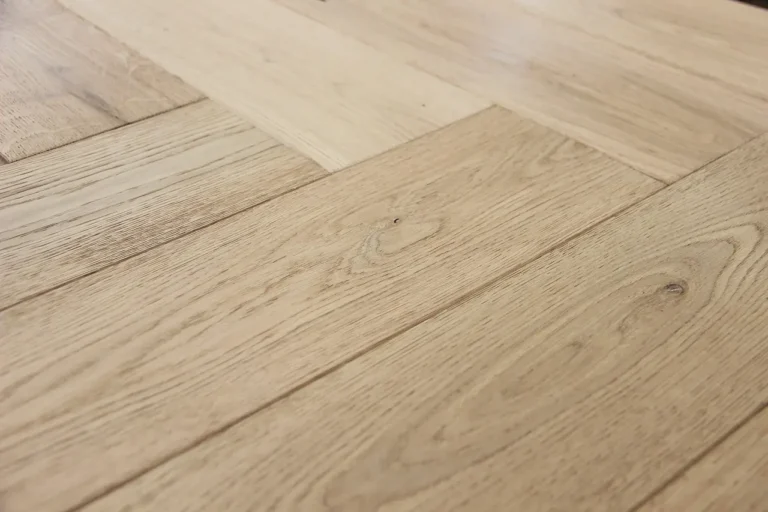
Peel and stick wood flooring is a self-adhesive vinyl plank or tile that carries an embossed wood-grain print on a rigid or flexible core. It is not a thin slice of real wood glued to a backing — that product exists too, but it is a niche “wood veneer” tile, sold separately and far less common than the vinyl version everyone means when they search this term. Manufacturers emboss the top layer to replicate the natural unevenness of wood grain, which is what gives it a convincing look in photos.
The distinction matters because it changes what you can expect: vinyl handles moisture and scuffs well but can’t be sanded or refinished, while real wood veneer can be lightly refinished once or twice but scratches and reacts to water the way solid hardwood does. If a listing doesn’t specify “wood veneer” or “engineered hardwood,” assume it’s vinyl.
How Much Does Peel and Stick Wood Flooring Cost?
Peel and stick vinyl plank flooring runs $0.50 to $2 per square foot, averaging about $1, compared with $5 to $12 per square foot for solid hardwood. Checking live listings while researching this guide, in-stock 54-square-foot packs of wood-look peel and stick vinyl priced between $1.11 and $1.41 per square foot — so a 200-square-foot room runs roughly $220 to $280 in materials before you factor in extra tiles for cuts and mistakes.
| Flooring Type | Cost Per Sq Ft | 200 Sq Ft Room |
|---|---|---|
| Peel and stick vinyl (wood-look) | $0.50 – $2.00 | $100 – $400 |
| Laminate flooring | $1 – $5 | $200 – $1,000 |
| Engineered hardwood | $3 – $8 | $600 – $1,600 |
| Solid hardwood | $5 – $12 | $1,000 – $2,400 |
Add roughly 10–15% extra material for cuts around doorways and closets, plus a roller (most kits don’t include one) if you don’t already own one. See our wood flooring guide for how peel and stick stacks up against every other flooring type on the site, not just hardwood.
📊 Peel-and-stick vinyl plank flooring priced $1.11–$1.41 per square foot in verified in-stock listings checked for this guide (Aug 2026) — Source: Lowe’s Peel-and-Stick Flooring Buying Guide, 2026
Choosing the Right Style and Finish
Peel and stick wood flooring comes in finishes like oak, maple, and walnut, each printed onto the same vinyl or composite core. Oak reads classic and versatile, maple looks bright and contemporary, and walnut adds warmth to a room. A lighter finish tends to make a small room feel larger; a darker one adds coziness but shows dust and pet hair more readily.
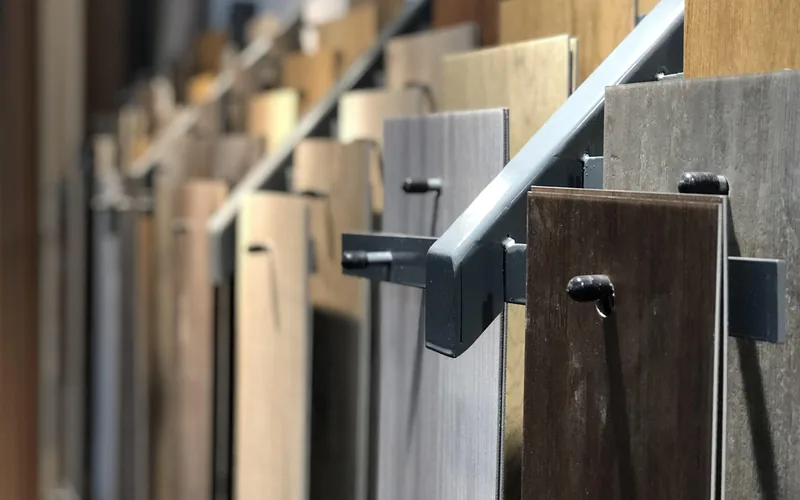
Match the finish’s durability rating to the room, not just its color. Bedrooms can use a lighter-duty, softer-feel product, but kitchens and entryways need a thicker wear layer since they see more foot traffic and occasional spills.
How to Install Peel and Stick Wood Flooring
Peel and stick flooring installs directly over most existing smooth, flat, dry subfloors — plywood, concrete, vinyl, and some tile — without glue, nails, or special tools. The subfloor prep matters more than the tiles themselves for how long the job lasts.
- Check and fix the subfloor: Sweep and vacuum thoroughly, then run a hand across the surface for grit, bumps, or dips. On plywood, confirm it isn’t warped or cupped before you start — flatten warped plywood first, since tiles won’t bond evenly over an uneven subfloor.
- Confirm the surface is dry: On concrete, let a fresh pour cure fully and check for rising moisture before installing — our guide to installing over concrete covers vapor barrier and primer steps for that specific surface.
- Measure and dry-lay a row: Measure the room and buy 10–15% more material than the square footage to cover cuts and mistakes. Dry-lay one row without peeling the backing to check the pattern and spacing before committing.
- Start in a corner and work outward: Peel the backing off one tile at a time, position it against your reference line, and press it down firmly from the center outward to push out air.
- Roll every tile: Use a floor roller (or a rolling pin in a pinch) over each tile immediately after placing it — this is the single most skipped step and the main cause of edges lifting within the first year.
- Check alignment every few rows: Stop and sight down the seams every 3–4 rows so a small drift doesn’t compound into a visibly crooked floor by the far wall.
Common Installation Mistakes to Avoid
- Skipping subfloor cleaning — leftover dust and grit is the top cause of tiles that won’t stay stuck.
- Under-buying material — running short mid-room forces a mismatched dye lot on the last few tiles.
- Skipping the roller — trapped air bubbles show as raised spots and loosen edges over time.
- Installing over a damp or uncured concrete slab — trapped moisture can cause adhesive failure and mold underneath the tile.
How Long Does Peel and Stick Flooring Really Last?
Most peel and stick vinyl flooring lasts 5 to 10 years in an average home, with well-installed products in low-traffic rooms stretching to 15–20 years. The three biggest factors are installation quality (a properly rolled, well-prepped subfloor outlasts a rushed job by years), foot traffic volume, and water exposure at the seams.
Treat it as a mid-term solution rather than a permanent one: it’s a strong choice for rentals, rooms you plan to remodel again within a decade, or budget-limited projects, but it is not a substitute for hardwood in a space you intend to keep for 20-plus years.
Peel and Stick vs. Real Hardwood: Which Should You Choose?
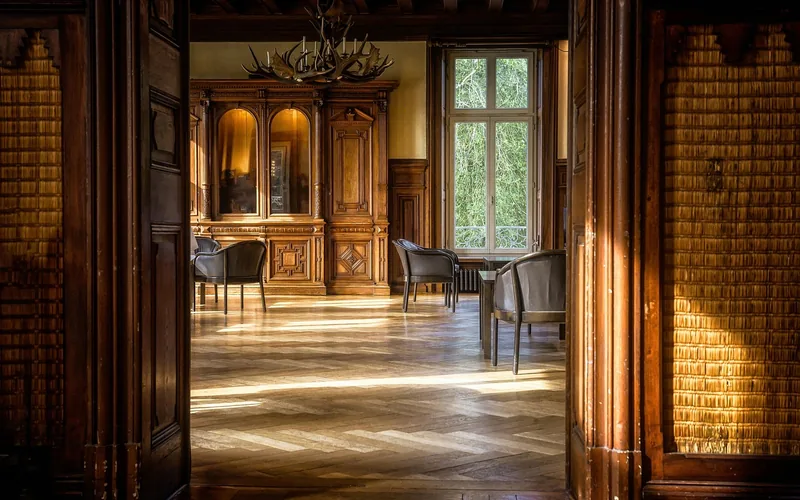
| Factor | Peel and Stick Vinyl | Solid Hardwood |
|---|---|---|
| Install time (200 sq ft) | A few hours, DIY | Days, often professional |
| Typical lifespan | 5–10 years (up to 20) | 50-plus years |
| Refinishable | No | Yes, multiple times |
| Water tolerance | Water-resistant to waterproof (varies) | Damages easily |
| Resale value impact | Minimal to none | Adds resale value |
Choose peel and stick when the budget or timeline rules out hardwood, when you’re renting, or when the room will likely be redone again within a decade. Choose real hardwood, engineered or solid, when you’re flooring a forever home or a room where resale value matters — see our full wood flooring installation guide for what that job actually involves.
Maintaining Your Peel and Stick Floor
Sweep or vacuum weekly and wipe spills immediately — standing water at a seam is the fastest way to lift a tile early. Use a damp (not wet) mop and a cleaner made for vinyl or resilient flooring; harsh solvents and steam mops can soften the adhesive.
Keep a few spare tiles from the original box on hand. If one lifts or gets damaged, warm it slightly, peel it up, clean the subfloor spot, and press a replacement in its place. Add felt pads under furniture legs and entry mats at doorways to cut down on grit that causes premature wear.
Frequently Asked Questions
Is peel and stick wood flooring actually real wood?
No, in almost every case it’s vinyl printed with a wood-grain pattern, not a wood veneer. True peel-and-stick real-wood-veneer tiles exist but are a separate, less common product — check the listing materials specifically if genuine wood matters to you.
How much does peel and stick flooring cost per square foot?
Expect $0.50 to $2 per square foot, averaging around $1, versus $5 to $12 for solid hardwood. In-stock wood-look peel and stick packs checked for this guide priced between $1.11 and $1.41 per square foot.
How long does peel and stick flooring last?
Most peel and stick vinyl flooring lasts 5 to 10 years under normal foot traffic, with well-installed floors in low-traffic rooms reaching 15 to 20 years. Installation quality and moisture exposure affect lifespan more than the brand you choose.
Can you install peel and stick flooring on concrete?
Yes. Make sure the concrete is fully cured, clean, and dry, and check for rising moisture before installing. A primer can improve adhesion on porous or older concrete slabs.
Is peel and stick wood flooring waterproof?
Not always — it ranges from water-resistant to fully waterproof depending on the specific product, so check the listing before using it in a bathroom or laundry room. Water-resistant versions can still be damaged by standing water at the seams.
Can you put peel and stick flooring over tile?
Yes, as long as the tile is flat, smooth, and free of major grout-line dips. Deep grout lines may telegraph through thinner tiles over time, so a thicker, rigid-core product handles over-tile installs better than a thin flexible one.
Conclusion
Peel and stick wood flooring is a budget-friendly, DIY-installable vinyl product that looks like wood but behaves like vinyl — expect 5 to 10 years of service for roughly $1 per square foot, not a lifetime hardwood replacement. Pick it for rentals, quick refreshes, and rooms you’ll likely redo again, and prep the subfloor properly so it actually lasts as long as it’s capable of.
Sponsored / affiliate links. As an Amazon Associate I earn from qualifying purchases. I may earn additional commission from eligible campaigns.