Can You Paint Over Joint Compound Without Priming? Tips!
Picture this: you’ve just finished smoothing out your walls with joint compound, and you’re eager to add a fresh coat of paint to bring your space to life. But then, a question pops up in your mind—can you paint over joint compound without priming?
It’s a common dilemma that could save you time and money, or lead to a painting disaster if done wrong. You’ll uncover the truth about skipping the priming step and what it means for your painting project. Whether you’re a DIY enthusiast or just looking to refresh your home, understanding this simple but crucial step could make all the difference.
You’ll learn what experts say about the need for priming, and discover how to achieve the smooth, flawless finish you desire. Keep reading to ensure your next painting project is a resounding success!
Painting Directly On Joint Compound
Painting on joint compound is possible. Some like to skip the primer. It’s quicker and saves time. But, there are pros and cons. Pros include saving money and time. You use fewer materials. Cons may include uneven color. The paint might peel later. Primer helps paint stick well. Without it, the paint can look patchy.
Paint can bubble or crack. It doesn’t always look smooth. The color might change too. This happens without primer. A primer makes the surface even. It hides flaws. Without it, every bump shows. This can ruin the look.
Surface Preparation
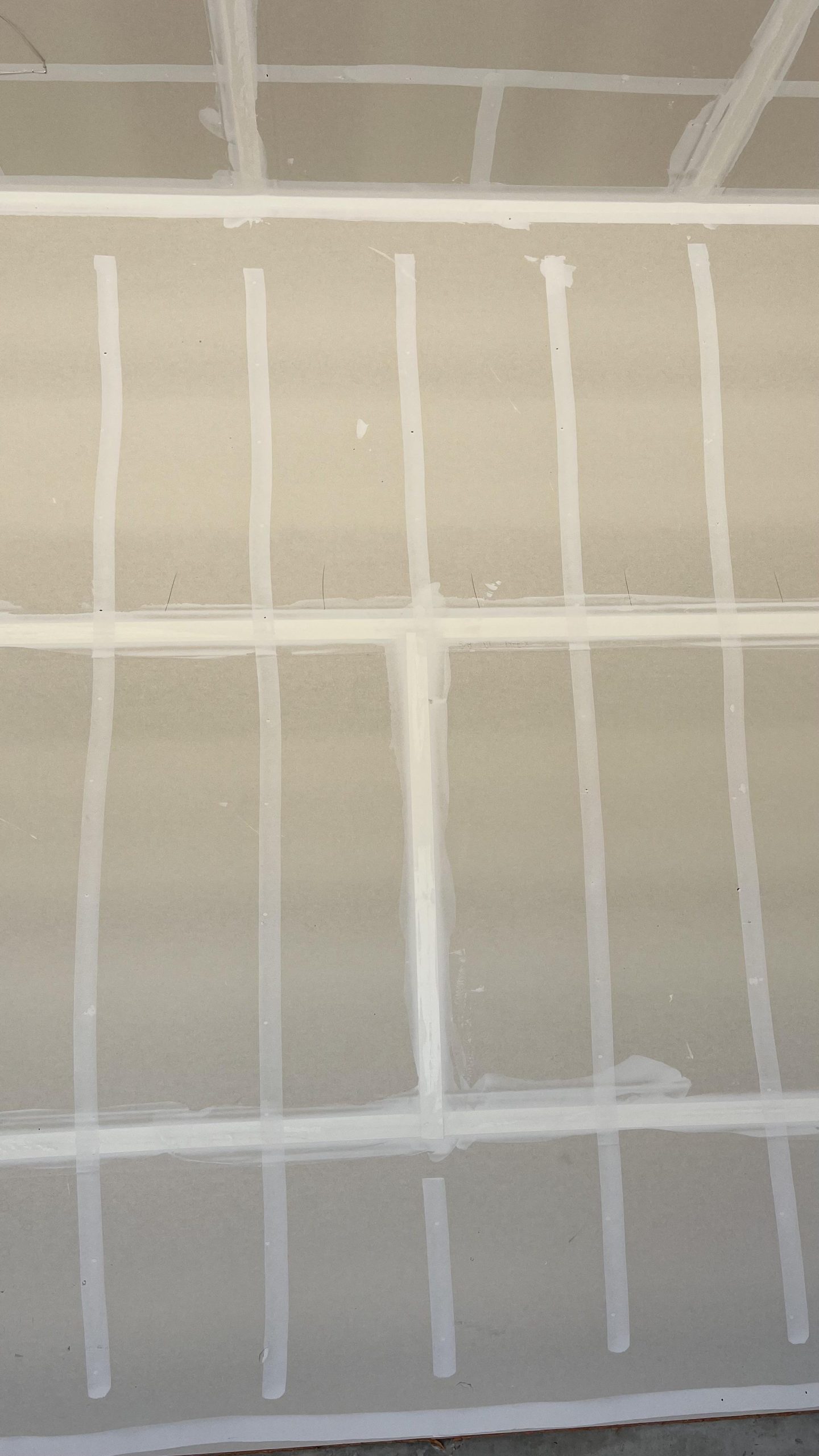
Dust and dirt can ruin the paint job. Use a damp cloth to wipe the surface clean. Ensure all residue is removed. Grease stains need special attention. Soap and water work well for this. Let the surface dry completely. Wet surfaces cause paint problems.
Sandpaper helps make the surface smooth. Start with coarse sandpaper. It removes bumps quickly. Switch to fine sandpaper for finishing. Check for holes or cracks. Fill them with more joint compound. Let it dry and sand again. Smooth surfaces take paint better.
Paint Selection
Types of Paintscan affect how well it sticks to joint compound. Water-based paintsare popular for walls. They dry quickly and have low odor. Oil-based paintsare durable but take longer to dry. They can be more smelly. Latex paintsare flexible and easy to clean. They are also water-based. Choose the right type for your needs.
Best Paints for Joint Compoundare those that provide good coverage. Flat paintshide imperfections well. They are not shiny. Satin paintshave a slight sheen. They are easier to clean than flat paints. Semi-gloss paintsare shiny and durable. They are good for high-traffic areas. Choosing wiselyensures a smooth finish.

Credit: www.uglyducklinghouse.com
Application Techniques
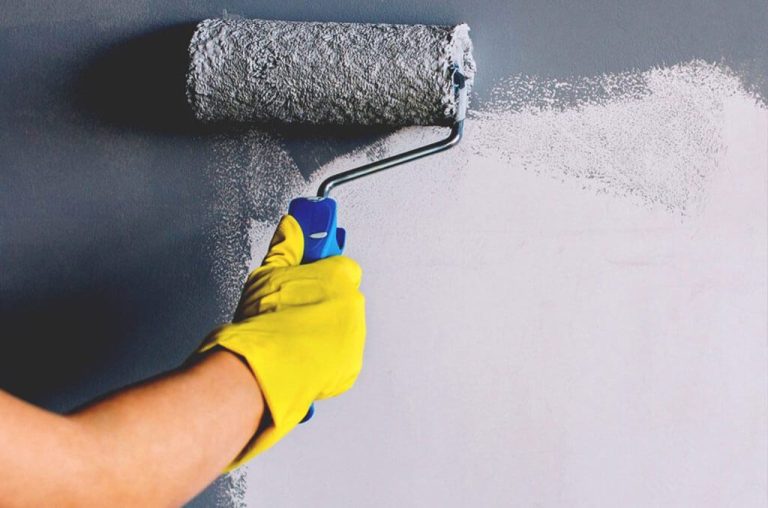
Brushes and rollers help in applying paint. Brushes are good for small areas. They work well on edges and corners. Rollers cover large areas quickly. They provide smooth finishes. Rollers are easier for beginners. Choose based on the surface you paint. Brushes use more paint than rollers. Rollers can leave texture marks. Rollers are faster, but brushes are precise. Choose wisely for better results.
Apply thin paint layers for better coverage. Thin layers dry faster. Thick layers can crack. Each layer should dry before the next. This helps in even coverage. Use light strokes for each layer. Patience is key. It gives a smooth finish. More layers may be needed for darker colors. Ensure each layer is even. This prevents uneven spots.
Avoiding Common Mistakes
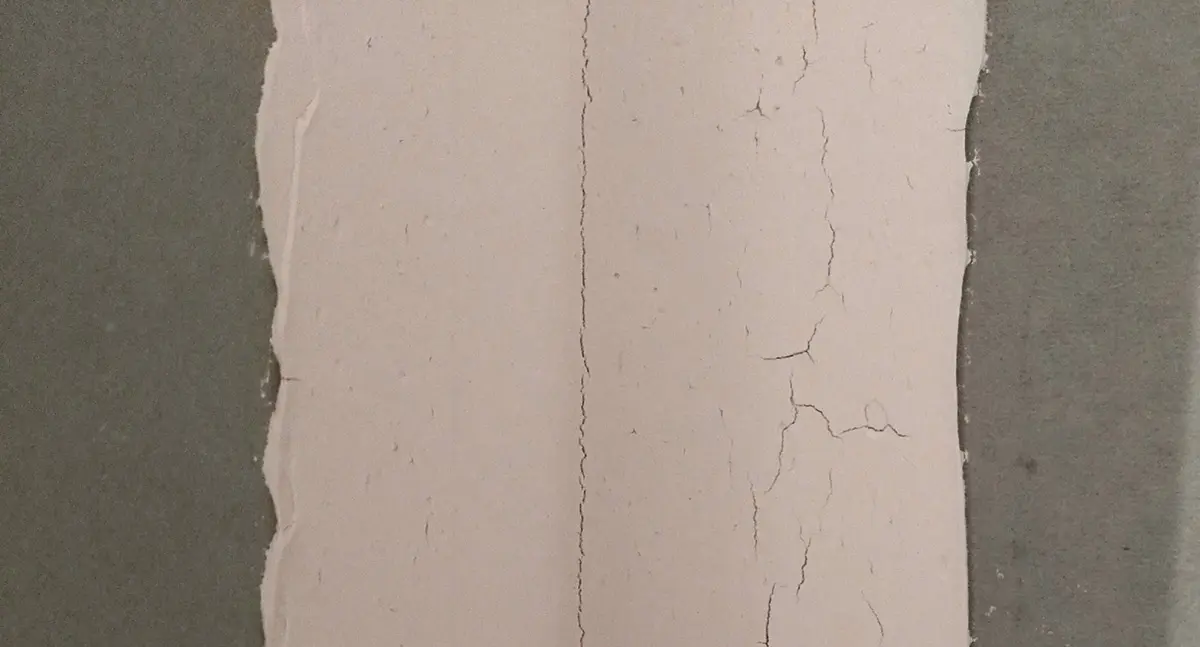
Painting over joint compound can be tricky. The paint might not stick well. This can cause peeling and cracks. Always clean the surface first. Dirt and dust make paint peel. Sand the surface to make it smooth. A rough surface can cause cracks. Use a high-quality paint for the best results. Thin paint can peel easily. Apply paint evenly. Thick spots may crack later. Watch out for temperature changes. Cold or hot weather can affect the paint.
Painting without primer can cause color issues. The color might not be even. Different areas may appear lighter or darker. Apply the paint in thin layers. Thick layers can make colors uneven. Use a paint roller for larger areas. A brush can leave streaks. Mix your paint well before use. This ensures the color is uniform. Test a small area first. See how the color looks when dry. Adjust as needed for the best finish.
Credit: dupaint.com.au
Additional Tips
Painting directly over joint compound can work, but priming helps prevent uneven texture. Sanding the surface smoothly enhances the final paint finish. Using a primer creates an even base, ensuring better paint adhesion and coverage.
Enhancing Durability
Painting over joint compound can be tricky. To make it last longer, use a high-quality paint. Choose paints that are resistant to chipping and peeling. This will help your walls stay nice for a longer time. Paint in thin layers to avoid bubbles. Let each layer dry well before adding the next. Properly dried paint is more durable. Ensure the room is well-ventilated for quick drying.
Achieving Professional Finish
A smooth finish makes walls look better. Use a fine-grit sandpaperto smooth the joint compound first. Dust off loose particles with a soft cloth. This helps paint stick better. Use a quality brush or rollerfor even strokes. Paint in one direction for uniformity. Check for uneven spots and touch them up. This gives a clean, professional look. Remember, patience is key for a perfect finish.
Frequently Asked Questions
What Happens If You Paint Over Drywall Mud Without Primer?
Painting over drywall mud without primer can cause uneven paint absorption. This results in patchy and inconsistent wall color. Primer seals the mud, ensuring a smooth and uniform finish. Without it, the paint may peel or chip over time, leading to additional maintenance and repair costs.
Do You Have To Prime Over Joint Compound Before Painting?
Yes, priming over joint compound before painting is essential. It ensures even paint absorption and a smooth finish. Use a high-quality primer to seal the surface, preventing discoloration and enhancing paint adhesion. Proper priming extends paint life and improves overall appearance.
What Happens If You Don’t Prime Drywall Before You Paint?
Skipping drywall primer can cause uneven paint absorption. This results in blotchy, inconsistent coverage and color. Paint may peel or chip prematurely. Primer ensures a smooth, durable finish, reducing future maintenance. Proper priming improves paint adhesion, enhancing the overall appearance and longevity of the painted surface.
What Happens If You Paint Without Priming First?
Painting without priming can lead to poor adhesion. The paint may peel or chip easily. Surface imperfections might remain visible. The finish could be uneven, affecting the overall appearance. Priming ensures better durability and color vibrancy.
Conclusion
Painting over joint compound without priming is possible. It saves time and effort. But, results may vary. Joint compound absorbs paint differently. Colors can look uneven. Cracks might appear later. Priming helps prevent these issues. It seals the surface. Creates a uniform base.
For small projects, skipping primer might work. Larger areas need more care. Consider the finish you want. A smooth, lasting look requires priming. Weigh your options. Choose based on your needs. Quality matters in the end. Preparing properly ensures the best results.
Keep your goals in mind. Happy painting!