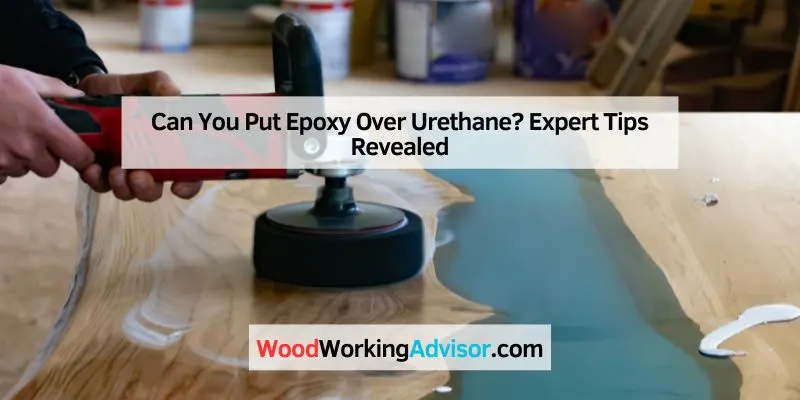
Can You Put Epoxy Over Urethane? Expert Tips Revealed
Yes, you can put epoxy over urethane, but proper surface preparation is crucial. Ensure the urethane is fully cured and clean before applying epoxy.
Epoxy and urethane are popular choices for coatings and adhesives, each with unique properties. Epoxy offers excellent adhesion and durability, while urethane provides flexibility and resistance to abrasion. Many DIY enthusiasts and professionals often wonder if they can layer these two materials.
Understanding how to apply epoxy over urethane can enhance the durability of your projects. Proper preparation is key to achieving a strong bond and a smooth finish. This guide will explore the best practices for applying epoxy over urethane, ensuring your project stands the test of time. Let’s delve into the steps you need to take for a successful application.
Introduction To Epoxy And Urethane
Epoxy and urethane are two popular coatings. They have different properties and uses. Understanding these can help in choosing the right one.
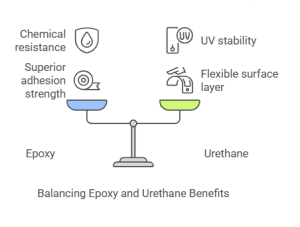
Epoxy is strong and durable. It resists chemicals and moisture well. On the other hand, urethane is flexible and can handle UV light. This makes urethane great for outdoor use.
| Property | Epoxy | Urethane |
|---|---|---|
| Durability | High | Moderate |
| Flexibility | Low | High |
| UV Resistance | Low | High |
Common uses for epoxy include floors and countertops. Urethane is often used for coatings and sealants. Knowing these uses helps in making the right choice.
Why Combine Epoxy And Urethane
Combining epoxy and urethane can lead to improved results. Enhanced durability is one key benefit. Epoxy provides a strong bond, while urethane adds flexibility. This combination helps surfaces resist wear and tear.
Aesthetic considerations also matter. Urethane offers a glossy finish. This makes surfaces look more appealing. Epoxy can be colored or clear, adding to the design options. Together, they create a durable and attractive surface.
Pre-application Considerations
Surface preparation is key for a successful epoxy application over urethane. First, ensure the surface is clean and dry. Remove any dirt, oil, or old coatings. Use a suitable cleaner or solvent for best results.
Check for compatibility between the two materials. Some urethanes can react poorly with epoxy. Conduct a test patch to see how they bond. Make sure the urethane is fully cured before applying epoxy.
Roughening the surface with sandpaper improves adhesion. Aim for a profile that promotes bonding. Ensure the temperature is appropriate for both products.
Step-by-step Guide For Applying Epoxy Over Urethane
To apply epoxy over urethane, gather these materials:
- Epoxy resin
- Hardener
- Clean cloth
- Sandpaper (medium and fine grit)
- Paintbrush or roller
- Protective gear (gloves, mask)
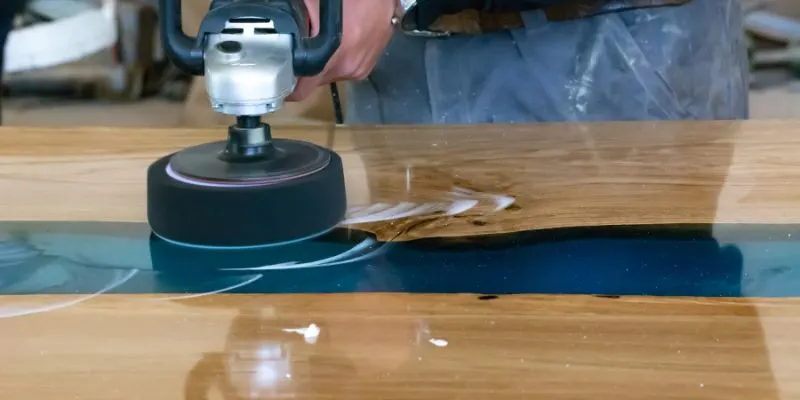
Start by cleaning the urethane surface. Use the clean cloth to remove dust. Next, sand the surface gently. This helps the epoxy stick better.
Mix the epoxy resin with the hardener as per the instructions. Apply the mixture evenly using the brush or roller. Ensure complete coverage for the best results.
Potential Challenges And Solutions
Applying epoxy over urethane can lead to adhesion issues. The bond between these materials may weaken. Always prepare the surface properly. This includes cleaning and sanding the urethane layer.
Curing times for both materials can differ. Epoxy often cures faster than urethane. This may lead to problems if applied incorrectly. Wait for the urethane to fully cure before applying epoxy. Check the manufacturer’s instructions for specific curing times.
Maintenance And Care Tips
Regular cleaning is vital for maintaining epoxy over urethane. Use a soft cloth or mop. Mild soap and warm water work best. Avoid harsh chemicals that can damage the surface.
For long-term upkeep, inspect the surface for any scratches or dents. Repair these areas as soon as possible. Reapply a protective sealant every few years. This helps to keep the finish looking new.
Remember to keep the surface dry. Moisture can lead to mold or mildew. Use fans or dehumidifiers in humid areas.
Case Studies: Success Stories And Lessons Learned
Exploring the compatibility of epoxy over urethane reveals valuable insights. Successful applications demonstrate the importance of proper surface preparation and adhesion techniques. Lessons learned from these case studies highlight both potential pitfalls and effective strategies for achieving durable results.
Residential Projects
Homeowners have successfully applied epoxy over urethane coatings. This approach offers a durable and attractive finish. Many have reported enhanced aesthetics and protection for their floors. The process requires proper surface preparation to ensure strong adhesion.
Commercial Applications
Businesses often choose epoxy for its resilience and easy maintenance. Epoxy coatings over urethane provide excellent chemical resistance. Many factories and warehouses have seen improved workplace safety. Proper application techniques lead to successful outcomes in these environments.
Expert Advice For Specific Scenarios
Applying epoxy over urethane can be tricky in outdoor conditions. Weather changes can affect adhesion. UV rays, rain, and humidity may harm the bond. Ensure the surface is clean and dry before application.
For high-traffic areas, select a durable epoxy. It should withstand wear and tear. Look for products specifically designed for tough conditions. Always follow the manufacturer’s instructions for best results.
Conclusion: Best Practices Summarized
Applying epoxy over urethane can be tricky. It is crucial to ensure proper surface preparation. Clean the urethane thoroughly to remove dirt and grease.
Use a sanding technique to create a rough surface. This helps the epoxy bond better. Test adhesion on a small area before full application.
Consider the temperature and humidity during application. These factors can affect the curing process. Always follow the manufacturer’s instructions for best results.
| Key Takeaways | Future Trends |
|---|---|
| Surface preparation is essential. | More eco-friendly options are emerging. |
| Test adhesion on small areas. | Improved bonding technologies will be developed. |
| Follow manufacturer instructions. | Increased focus on durability and performance. |
Frequently Asked Questions
Can You Apply Epoxy Over Urethane?
Yes, you can apply epoxy over urethane. However, proper surface preparation is crucial. Ensure the urethane is clean, dry, and free from contaminants. Sanding the surface will enhance adhesion. Follow manufacturer guidelines for the best results to avoid potential issues.
What Is The Best Way To Prepare Urethane?
To prepare urethane for epoxy, start by cleaning it thoroughly. Use a degreaser to remove oils and dirt. Next, lightly sand the surface to create a rough texture. This enhances the bond between the urethane and epoxy, ensuring better adhesion and durability.
Will Epoxy Adhere To Old Urethane Finishes?
Epoxy can adhere to old urethane finishes if prepared correctly. Clean and sand the surface to improve bonding. Inspect for any loose or peeling areas that may need repair. Proper preparation ensures a successful application and a long-lasting finish.
How Long Should Urethane Cure Before Applying Epoxy?
Allow urethane to cure fully before applying epoxy. Typically, a curing time of 24 to 48 hours is recommended. Check manufacturer instructions for specific curing times. This ensures the urethane is stable and prevents issues with the epoxy bond.
Conclusion
Applying epoxy over urethane can be tricky. It’s essential to ensure proper surface preparation for adhesion. Always clean and sand the urethane layer before applying epoxy. This will enhance durability and prevent peeling. With the right techniques, you can achieve a strong, lasting finish.
Make informed choices for the best results.