How to Get Caulk Off Hands: Silicone vs Acrylic (What Works)
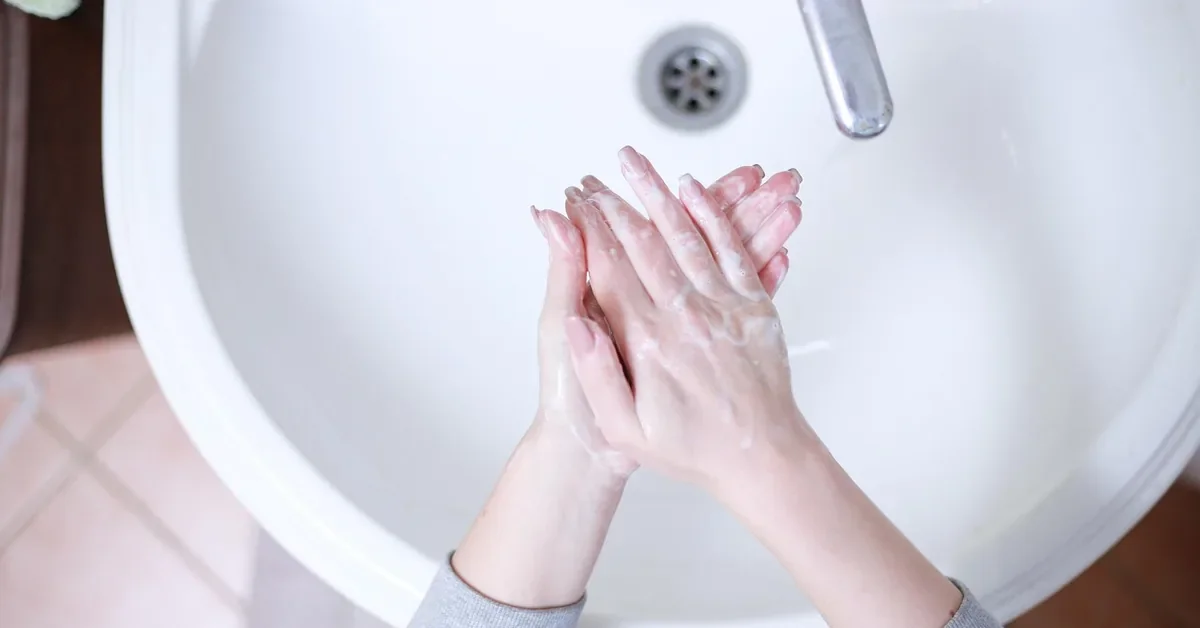
Rubbing alcohol or acetone dissolves silicone caulk on hands within a minute, but soap and warm water only work on acrylic latex caulk while it’s still wet. Once acrylic caulk skins over – usually within 30 minutes – it behaves like silicone and plain water won’t touch it. This guide covers removal methods for both caulk types, mechanical scraping for stubborn residue, and how to avoid the mess next time.
Silicone vs Acrylic Caulk: Why It Changes What Works
Silicone caulk is a rubber-based sealant that never fully dissolves in water, even while it’s still wet – it has to be broken down with alcohol, acetone, or an oil-based product like petroleum jelly or cooking oil. Acrylic latex caulk is water-based, so soap and water remove it easily in the first 20-30 minutes, but once it skins over it needs the same alcohol or oil-based approach as silicone.
Check the tube before you start, if you still have it: acrylic latex caulk usually says “paintable” and “water clean-up” on the label, while 100% silicone caulk does not. No tube handy? As part of routine wood maintenance, try water first – if the caulk beads it up and doesn’t budge after a few rubs, you’re dealing with silicone.
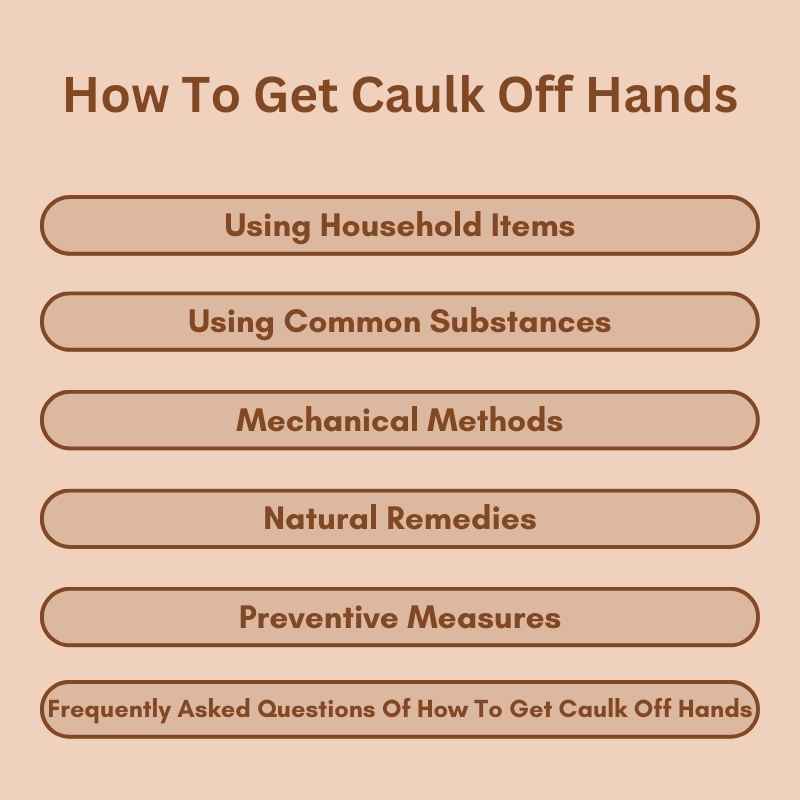
Using Household Items
Accidentally getting caulk on your hands is a sticky situation, but common household items can remove it. Whether you reach for rubbing alcohol, vinegar, or a plastic bag, these low-cost options work well on both fresh and partially dried caulk.
Rubbing Alcohol
Rubbing alcohol (isopropyl alcohol) is the most reliable household solvent for silicone caulk because it breaks down the rubber bond without harming skin.
- Wash your hands with soap and warm water first to remove any surface-level caulk.
- Dampen a cotton ball or cloth with rubbing alcohol.
- Rub the affected areas in a circular motion with light pressure.
- Keep rubbing until the caulk lifts – this takes under a minute on fresh caulk, longer on cured residue.
- Rinse with water and moisturize to prevent dryness.
Vinegar
Vinegar’s mild acidity helps soften acrylic latex caulk residue and works as a gentle assist on silicone, though it’s slower than alcohol or acetone on true silicone rubber.
- Wash your hands with soap and warm water to remove surface-level caulk.
- Soak a clean cloth or sponge in vinegar.
- Rub the affected areas with the vinegar-soaked cloth for a few minutes to let it soften the residue.
- Continue rubbing in circular motions until the caulk starts to loosen.
- Rinse with water and pat dry, then moisturize.
Plastic Bag Friction Trick
For light, dried caulk flecks, put a plastic grocery bag between your palms and rub your hands together as if washing them. The bag’s low-friction surface flakes the caulk off in small pieces without irritating your skin – useful when alcohol or oil isn’t within reach.
Butter and Baking Soda Combo
Rub a small amount of butter or margarine into your hands first, then sprinkle on baking soda and rub again. The fat lubricates and loosens the caulk while the baking soda acts as a mild abrasive, lifting residue that rubbing alcohol alone can miss in the creases of your knuckles.
|
Best Caulk Remover Pick
|
As an Amazon Associate we earn from qualifying purchases.
Using Common Substances
Your kitchen or pantry has a couple of backup options if you’re out of rubbing alcohol or vinegar. Lemon juice and cooking oil both work, though more slowly than alcohol.
Lemon Juice
Lemon juice’s citric acid helps break down caulk residue while leaving your hands smelling clean.
- Squeeze fresh lemon juice into a small bowl.
- Dip a cotton ball or cloth into the juice.
- Rub it onto the areas with caulk until the residue loosens.
- Wash with warm water and soap to remove any residue.
Cooking Oil
Cooking oil, like vegetable or olive oil, works the same way petroleum jelly does – it lubricates the bond between caulk and skin rather than dissolving it chemically.
- Pour a small amount of oil onto your hands.
- Rub your hands together, focusing on the areas with caulk.
- After a few minutes of rubbing, wash with warm water and soap to remove the caulk and oil together.
Mechanical Methods
When chemical methods aren’t cutting it, scraping or sanding removes caulk physically. Use light pressure – skin is easier to nick than the countertop you just caulked.
Scraping With A Tool
- Choose a suitable tool: a plastic scraper or the flat edge of an old credit card works better than a metal putty knife on skin – the same tools used when removing old glue from wood before a repair.
- Hold it firmly with your dominant hand for a secure, comfortable grip.
- Position the edge against the caulk residue.
- Scrape gently with light pressure in short strokes.
- Repeat until most of the caulk is gone.
- Wash with warm water and soap to clear any remaining residue.
Sanding
- Get fine-grit sandpaper – 220-grit is gentle enough for skin.
- Fold it into a small, manageable size.
- Sand lightly in a circular motion over the caulk residue.
- Check progress often so you stop as soon as the caulk is gone, not your skin.
- Wash with warm water and soap.
Our team’s note: after years of caulking trim joints, a plastic scraper edge on dried caulk works fine on the back of the hand, but on fingertips it’s not worth the risk – switch to alcohol or Goo Gone there instead.
Natural Remedies
Aloe vera gel and coconut oil remove caulk while also nourishing the skin – a gentler alternative if your hands are already irritated from an earlier attempt.
Aloe Vera Gel
- Step 1: Squeeze out a small amount of aloe vera gel onto your hands.
- Step 2: Rub the gel onto the caulk in circular motions.
- Step 3: Let the gel sit on the caulk for a few minutes.
- Step 4: Wipe away the caulk and gel with a damp cloth.
- Step 5: Rinse and pat dry.
Coconut Oil
Coconut oil contains lauric acid, which has antibacterial properties along with the lubricating effect that loosens caulk from skin.
- Step 1: Warm a small amount of coconut oil in your hands.
- Step 2: Massage it onto the caulk, covering the affected area.
- Step 3: Let it sit for a few minutes.
- Step 4: Wipe away the caulk and oil with a cloth or paper towel.
- Step 5: Wash with soap and water, then dry.
Preventive Measures
The fastest way to get caulk off your hands is to never get it there. A few minutes of prep before you start caulking saves the cleanup entirely.
Wearing Gloves
Nitrile or latex gloves are a full barrier between your skin and the caulk. Keep these points in mind:
- Make sure gloves fit snugly so caulk can’t seep through gaps at the wrist.
- Check for holes or tears before using – a damaged glove is worse than no glove, since you won’t notice the leak until it’s on your skin.
- Use disposable gloves for easy cleanup – remove and toss them the moment you’re done applying the bead.
Using Barrier Cream
If gloves aren’t available or you find them too bulky for tooling a bead, a barrier cream creates a protective layer on your skin instead.
- Clean your hands thoroughly first so the cream adheres properly.
- Apply a small amount to your palms and fingers, where caulk is most likely to land.
- Rub it in fully, including between fingers and the back of your hand.
- Let the cream dry completely before you start caulking for maximum effectiveness.
Frequently Asked Questions Of How To Get Caulk Off Hands
How Do You Get Caulk Off Your Skin?
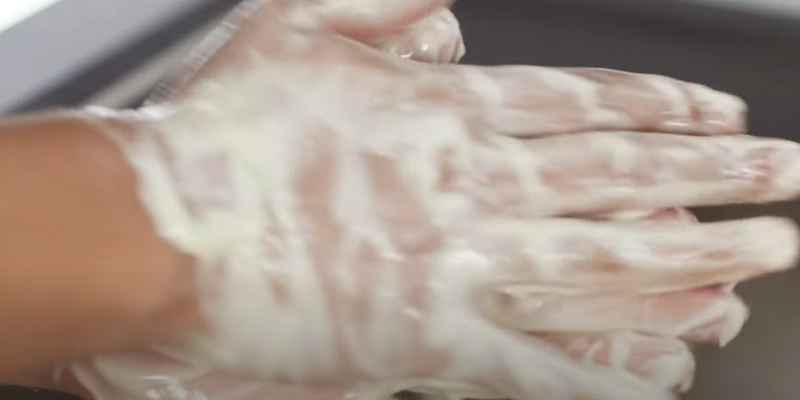
Wipe away as much fresh caulk as possible with a cloth or paper towel, then wash with soap and warm water. For dried caulk, use rubbing alcohol or acetone on silicone, or gently scrub with a mild abrasive like baking soda or a pumice stone. Rinse thoroughly, pat dry, and moisturize afterward.
What Happens If You Get Caulk On Your Skin?
Nothing serious in most cases – clean it off with soap and water as soon as you notice it. Don’t scrape or rub dried caulk aggressively, since that can irritate the skin more than the caulk itself would.
Does Soap And Water Remove Silicone Caulk?
No. Silicone caulk is not water-soluble at any stage, wet or dry, because it’s a rubber-based sealant rather than a water-based one. Soap and water only work on acrylic latex caulk, and only in the first 20-30 minutes before it skins over.
Will Rubbing Alcohol Remove Caulk Residue?
Yes, rubbing alcohol removes caulk residue effectively, especially on silicone. Apply it to a cloth or cotton ball and gently wipe the residue until it lifts. This method is safe on skin and works within about a minute on fresh caulk.
Can You Wash Off Caulk?
You can wash off acrylic latex caulk with warm water and soap while it’s still wet. Once any caulk type has cured, plain washing won’t remove it – you’ll need alcohol, acetone, an oil-based product, or gentle mechanical scraping instead.
Conclusion
Match the method to the caulk: soap and water for wet acrylic latex, alcohol, acetone, or an oil-based cleaner for silicone or anything that’s already cured. A plastic bag, butter and baking soda, or a gentle scrape handle what’s left. Wearing gloves next time skips the cleanup entirely.
Sponsored / affiliate links. As an Amazon Associate I earn from qualifying purchases. I may earn additional commission from eligible campaigns.