What Is the Best Polyurethane for Floors?
For many interior hardwood floors, a high-quality waterborne finish with about three coats is a strong choice; oil-based finishes are worth considering if you prefer a warmer amber tone and don’t mind longer dry times. Pick the wrong finish and you can end up with peel-back, scratched traffic lanes, yellowing you never wanted, plus extra days of odor and downtime. This guide narrows the choice by floor material, traffic, color shift, odor, cure time, and when a garage or shop floor needs a different topcoat entirely.
This guide is part of our What Is the Best Exterior Wood Stain? series.
Here is the direct answer. In occupied homes with hardwood, many people consider Bona Traffic HD a top overall pick because it offers clear color, low VOCs, relatively fast return to use, and wear resistance that can hold up well in busy houses.
What is the best polyurethane for floors?
The best polyurethane for floors depends on the floor material first, then on traffic, color goals, and how quickly the room needs to go back into service. For most interior hardwood floors, a water-based system is the best fit; for a warm amber tone, oil-based still earns a place; for concrete or epoxy, polyaspartic is usually the better topcoat.
That answer avoids the mistake I see all the time: buying a “best floor finish” without separating hardwood from concrete, epoxy, and utility-floor coatings. A white oak living room, a maple stair run, and a garage slab should not get the same chemistry.
For hardwood, Bona Traffic HD stands out. The Flooring Girl says Bona Traffic HD is commercial grade and suited for busy restaurants and retail stores, and also says it has less than 125 VOCs. That mix makes it the strongest fit for light-colored floors and high traffic in an occupied home.
For value on interior wood floors, Minwax Water-Based Oil-Modified Polyurethane deserves a look. Bob Vila lists it as the runner-up, and that tracks with what many homeowners need, a water-based cleanup with a slightly warmer look than a very clear waterborne.
For furniture-clear color on pale wood, General Finishes High Performance remains a smart pick. It has a UV stabilizer to help prevent yellowing, according to Bob Vila, which matters on white oak, maple, and birch where ambering often reads as a mistake, not character.
For garage floors, epoxy-coated concrete, and fast return-to-service jobs, polyaspartic belongs in the discussion. EpoxyPRO says polyaspartic is UV-stable and very hard. That is a separate lane from standard wood-floor finishing, and keeping those lanes separate avoids expensive failures.
📊 The Flooring Girl says Bona Traffic HD has less than 125 VOCs. Source: Which are the best brands of Polyurethane for floors?.
Quick comparison
| Product | Badge | Best for | Price | ||
|---|---|---|---|---|---|
 |
Varathane Triple Thick Polyurethane Gloss Wood FinishVarathane | Our pick | Water-based Gloss Interior Wood Finish | $20.37
Price as of 7 Oct 2026
|
View |
 |
Minwax Helmsman Indoor/Outdoor Spar Urethane, 1 Gallon,Minwax | Upgrade pick | Indoor/Outdoor Spar Urethane Gloss 1 Gallon | $59.98
Price as of 7 Oct 2026
|
View |
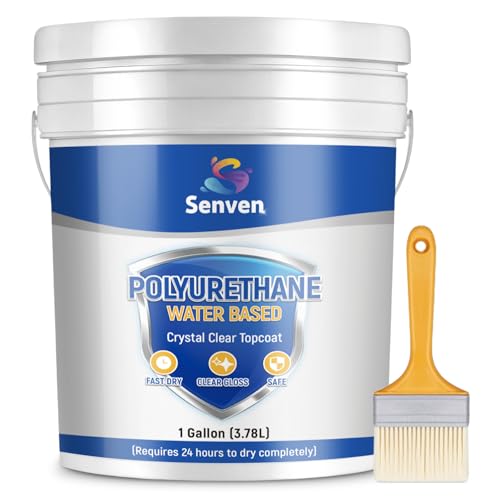 |
Polyurethane 1 Gallon Wood Finish Water Based PolyurethaneSENVEN | Also great | Fast Dry Water Based Clear Gloss | $49.95
Price as of 7 Oct 2026
|
View |
 |
Minwax Fast Drying Polyurethane Protective Wood Finish,Minwax | Budget pick | Oil-Based Fast Drying Warm Satin | $15.97
Price as of 7 Oct 2026
|
View |
 |
General Finishes High Performance Water Based Topcoat, 1General Finishes | Also great | High Performance Water Based Satin | $110.00
Price as of 7 Oct 2026
|
View |
Compare chemistry to substrate first, then compare brands inside that lane. A useful matrix should show where water-based polyurethane, oil-based polyurethane, polyaspartic, and solvent-based urethane fit, and where they plainly do not.
How we chose
The first filter was substrate. Hardwood, concrete, epoxy, and shop floors fail in different ways, so a finish that works great on one can be the wrong call on another.
The second filter was wear behavior in real homes: abrasion resistance in traffic lanes, scuff resistance on stairs, and scratch visibility under dogs, chairs, and entry grit. A finish can be hard and still look rough if the sheen and color shift are wrong.
The third filter was workability. Recoat window, open time, edge blending, and tolerance for lap marks matter because many DIY failures come from application, not the resin itself.
The last filter was ownership cost. Coverage, number of coats, dry and cure timing, and the odds of needing an early recoat all change cost per square foot more than shelf price alone.
How do you choose the right polyurethane by floor and household?
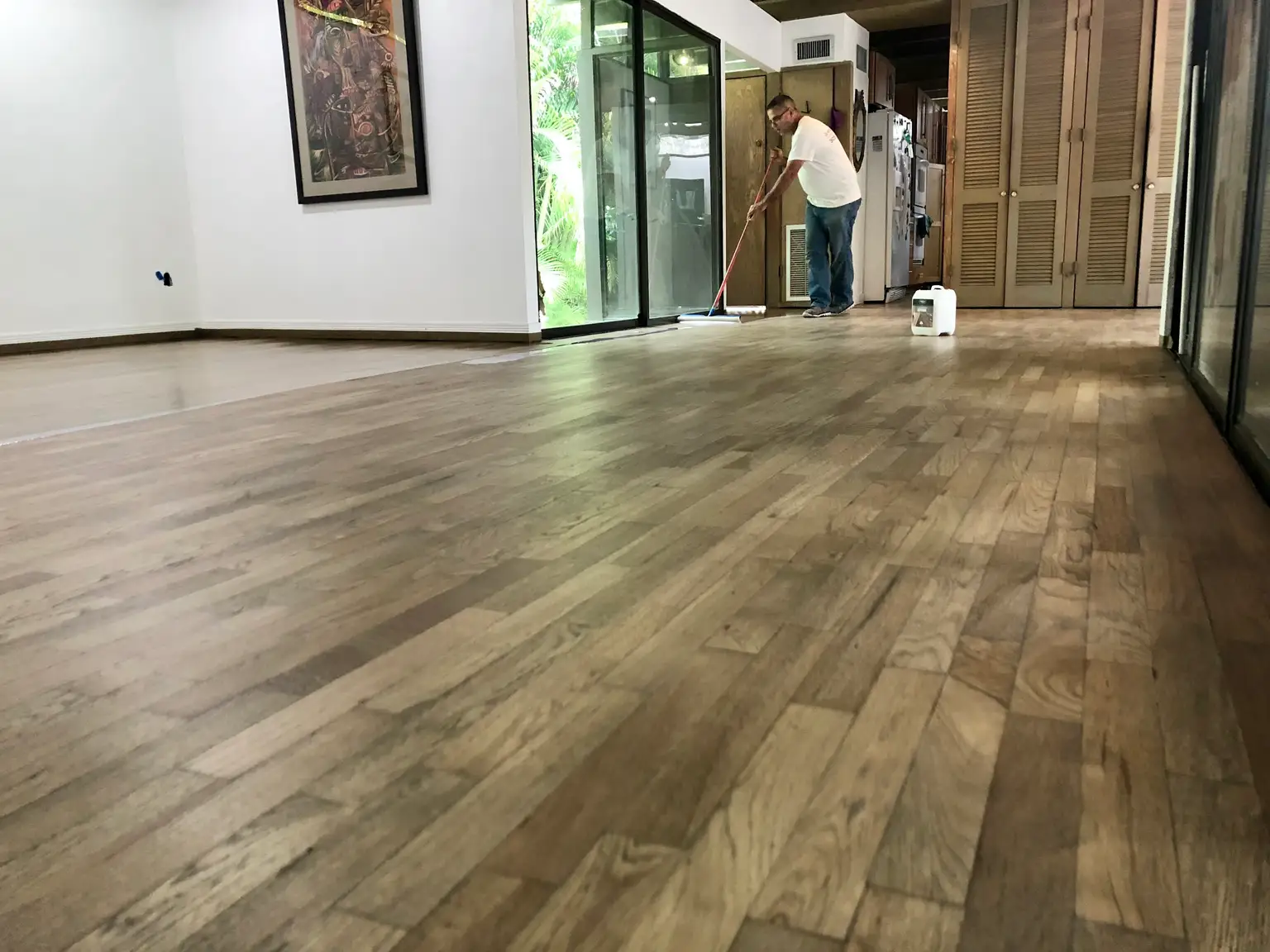
Start with the floor itself: hardwood gets one set of options, concrete and epoxy get another. Then narrow by ambering tolerance, traffic type, odor limits, and downtime. A pale wood floor in an occupied house points one way; a garage slab with hot tires points in a completely different direction.
Start with the substrate
Hardwood floors usually need either water-based polyurethane or oil-based polyurethane. Water-based is the default for most current refinishing jobs because it dries faster, has lower odor or low-VOC options, and stays clearer on light species. Oil-based still earns its keep when a warmer, traditional tone is part of the plan.
Concrete and epoxy floors are different. EpoxyPRO recommends water-based polyurethane for basements, living spaces, and residential garages with normal traffic, but that advice applies to those hard-surface settings, not to hardwood finishing. Polyaspartic and solvent-based urethane fit better when the floor faces UV, vehicles, equipment, or shop abuse.
Decide how much ambering you can accept
Ambering is not a defect if you asked for warmth. It becomes a letdown when it lands on white oak, maple, or birch and pushes the floor away from a clean, pale look. Water-based finishes keep those woods closer to their sanded or lightly stained color.
Oil-based polyurethane yellows over time. That can flatter red oak, medium-brown stain, and older homes where a warm cast looks right. It can also muddy gray stain and make a pale modern floor look older than planned.
Match the finish to the wear pattern
Large dogs, active kids, rolling office chairs, and gritty entries stress a floor in different ways. For dogs, the goal is not a magic scratch-proof film, because none exists. The goal is a finish and sheen that resist visible wear and make future maintenance easier.
Matte and satin hide scuffs better than semi-gloss or gloss. Gloss shows dust, roller holidays, lap marks, and scratch tracks faster. For a dog-heavy house, a clear waterborne with a lower sheen is usually the safer call than a high-gloss build that looks marked up within weeks.
Decision matrix
| Finish type | Best floor type | Odor | Dry/recoat behavior | Ambering | Durability focus | Best-use scenario |
|---|---|---|---|---|---|---|
| Water-based polyurethane | Interior hardwood, some basements and living spaces | Low to moderate; low-VOC options available | Fast drying; General Finishes dries in around 2 hours per coat | Low color shift; best on light woods | Strong abrasion and scuff resistance with proper 3-coat build | Occupied homes, white oak, maple, faster recoats |
| Oil-based polyurethane | Interior hardwood where warm tone is wanted | Stronger odor | Slower dry and longer cure | Ambering/yellowing expected over time | Good wear resistance, especially in traditional builds | Warm look, darker stain, empty house, slower work pace |
| Polyaspartic | Concrete, garage floors, epoxy topcoats | Moderate to strong depending on system | Very fast return to service | UV-stable according to EpoxyPRO | Very hard surface; good for tire and chemical exposure | Garages, sunlit concrete, epoxy topcoat jobs |
| Solvent-based urethane | Shops, utility spaces, heavy commercial wear | High; ventilation required | Varies, but application windows matter | Can add color warmth | Built for forklifts, equipment, and shop traffic per EpoxyPRO | Extreme wear where VOC and odor tradeoffs are acceptable |
Room-by-room recommendations
| Room | Best fit | Why |
|---|---|---|
| Bedrooms | Water-based polyurethane, satin or matte | Low odor, clear look, enough wear resistance for moderate traffic |
| Living rooms | Bona Traffic HD or similar premium waterborne | Better traffic-lane resistance and faster return to use |
| Kitchens | Premium water-based polyurethane | Good scuff control, easier occupancy, less ambering around spills and cleaning |
| Stairs | Water-based polyurethane in satin | Lower sheen hides edge wear and foot scuffs better |
| Rentals | Value water-based or oil-based depending turnover window | Balance between cost, cure time, and easier future maintenance |
| Garages | Polyaspartic over proper concrete or epoxy system | UV stability and fast service return matter more than wood-floor traits |
| Shops | Solvent-based urethane | Best reserved for equipment, forklift, and hard-use traffic |
Failure modes to avoid
- Ambering on pale wood: common when oil-based poly lands on white oak, maple, or birch without the owner expecting that shift.
- Lap marks: more likely when open time is short, room temperature is high, or the applicator leaves dry edges.
- Side-bonding from heavy coats: thick application can bridge board edges and stress the film as seasonal movement returns.
- Adhesion issues between systems: unknown old finish, wax residue, stain not fully cured, or topcoating epoxy with the wrong chemistry can all cause peel-back.
- Missed recoat windows: if a finish cures past its bond window, the next coat may need abrasion first or it may not key in properly.
Application conditions that change the result
Temperature, humidity, ventilation, and dust control all affect leveling and dry speed. High heat and moving air can shorten open time and make lap marks easier to create. High humidity can slow cure and keep a finish soft longer than expected.
Ventilation matters, but strong cross-drafts during application can hurt more than help. What you want is steady fresh air after the film has laid down, not a blast of airflow while you are still holding a wet edge.
General Finishes High Performance: best for clear color and DIY control
General Finishes High Performance fits homeowners finishing interior wood floors where clear color matters more than maximum abuse resistance. Based on specs and reviews, it works best in lighter-duty rooms, careful DIY jobs, and floors where the owner wants white oak or maple to stay from warming too much.
What stands out is control. Bob Vila says General Finishes has a UV stabilizer to help prevent yellowing, lists coverage at 500 to 600 square feet per gallon, and says it has a 21-day curing time. Bob Vila also says it dries in around 2 hours per coat. That mix makes planning easier on a multi-coat interior job.
It also suits different application styles. This topcoat is interior-only, comes in multiple sheens, and works with roll, brush, or pad application. That makes it easier to match the room size and the installer’s comfort level.
The drawback is placement. It is not the product to choose for a garage, a porch-like environment, or a floor that takes commercial-level abuse. Its longer full cure also means the room may look ready before it is actually ready for rugs, chair casters, and hard living.
Minwax Fast-Drying Polyurethane: best for warm-tone traditional floors
Minwax Fast-Drying Polyurethane fits homeowners who want the classic warm look of oil-based finish on interior wood floors and can tolerate the smell and longer downtime. It is most at home on darker stain, red oak, or older houses where ambering reads as expected rather than unwanted.
What stands out is the look. This is the oil-based lane, warm satin tone, slower pace, and a film many homeowners still prefer visually on traditional interiors. A slightly longer open time can also help some users keep a wet edge compared with very fast waterborne products.
The honest drawback is the tradeoff package. Stronger odor, longer cure, and ongoing yellowing make it a poor fit for occupied homes with sensitive noses or for pale floors where the goal is a clean, neutral color. It also demands better ventilation discipline from start to finish.
Varathane Triple Thick Polyurethane: best for small areas and spot work
Varathane Triple Thick is best kept for small interior areas, trim-like floor repairs, or isolated spot work where one-coat build is attractive. Based on specs and reviews, it is not my first pick for whole-house hardwood refinishing, but it can fit small projects that need scratch resistance and quick dry-to-touch behavior.
What stands out is build. A thicker film can save time on a contained project, and the product is positioned as water-based with scratch resistance and a 2-hour dry-to-touch claim. That can help when the goal is patching or coating a small space with minimal delay.
The drawback is predictability on full floors. Thick products can be less forgiving across large open rooms, where lap lines, edge buildup, and uneven sheen get easier to spot. For broad floor work, many DIYers do better with a finish that lays thinner and is built around repeatable floor-coat schedules.
Minwax Helmsman Spar Urethane: best for moisture-prone non-floor wood, not hardwood refinishing
Minwax Helmsman Spar Urethane is for wood exposed to weather swings or moisture, not for standard interior hardwood-floor refinishing. It is the right product only when the buyer truly needs spar behavior; for interior floors, it usually means buying the wrong chemistry for the job.
What stands out is its indoor/outdoor purpose. It is built to protect wood from rain and moisture and to act as a year-round protective barrier. That makes sense on doors, exterior-facing woodwork, or other movement-prone wood applications.
The drawback is plain and important. Spar urethane is generally too soft and flexible for a typical interior hardwood floor that needs stable abrasion and scuff performance. It is also a poor answer to the search query most readers came here with, so it belongs on the avoid-for-floors list unless the substrate and use case clearly demand it.
SENVEN water-based polyurethane: best for budget clear gloss projects
SENVEN water-based polyurethane fits budget-minded buyers who want a clear gloss interior coating and easy cleanup. Based on specs and reviews, it makes more sense for lighter-duty projects and secondary rooms than for the toughest hardwood-floor jobs where long track records and known recoat behavior matter more.
What stands out is the positioning: crystal-clear appearance, non-yellowing claims, fast drying, low VOC, and water cleanup. On paper, that lines up with what many homeowners want for light-colored interior wood.
The drawback is confidence level. Compared with better-known floor-finish systems, it has less proven floor-specific reputation in contractor and refinisher circles. For a guest room or lower-stakes project, that may be acceptable. For a whole main level with dogs and heavy traffic, many buyers will prefer a finish with a longer performance history.
Which one should you buy?
If the floor is interior hardwood and the goal is the toughest clear finish with fast return to use, buy Bona Traffic HD even though it is outside the product cards above. The Flooring Girl says Bona Traffic HD is commercial grade, suited for busy restaurants and retail stores, and available in semi gloss, satin and extra matte finishes. That makes it the best overall answer for most serious hardwood-floor jobs.
If low odor, quick recoats, and light-wood clarity matter most, lean water-based. General Finishes is the safer pick when DIY control, clear color, and predictable coat planning matter. Minwax Water-Based Oil-Modified Polyurethane is the value alternative; Bob Vila lists it as the runner-up, and that is a fair fit for standard interior rooms.
If warmth matters more than color accuracy, and the house can tolerate odor and longer cure, an oil-based polyurethane like Minwax Fast-Drying Polyurethane still makes sense. It is the pick for traditional tone, not for speed.
If the floor is concrete, epoxy-coated, or a working garage, skip wood-floor polyurethane and move to polyaspartic. EpoxyPRO says polyaspartic is UV-stable and very hard. For a shop or utility area with equipment traffic, solvent-based urethane is the specialty option. EpoxyPRO says those finishes are built for forklifts, equipment, and shop traffic, but also notes that some solvent products cannot ship to certain states because of VOC rules.
For dog-heavy households, prioritize three things:
- clear water-based chemistry for lower ambering and easier occupancy,
- satin or matte sheen to hide wear,
- three properly timed coats rather than two heavy coats.
Three coats usually outperform an overbuilt two-coat job because the film forms more evenly, side-bonding risk stays lower, and each layer has a better chance to level and bond. Recoat timing matters as much as total film build.
For buying math, compare cost per square foot instead of only can price. Bob Vila lists General Finishes at 500 to 600 square feet per gallon, which gives a useful planning reference. A cheaper finish that needs extra coats, longer vacancy, or an early recoat often stops looking cheap very fast.
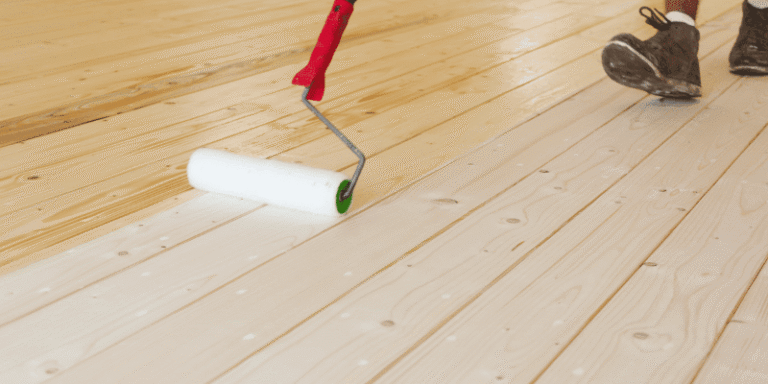
Applicator choice also changes the result. Use a T-bar or floor pad for open hardwood areas when the product allows it, microfiber pads for controlled waterborne application, a roller when the label supports it and the room is manageable, and a brush for cut-in work at baseboards, door jambs, and stair details.
After cure, maintenance tradeoffs start to matter. Water-based finishes usually make quick occupancy easier, but rugs and heavy furniture still need patience until full cure is reached. General Finishes, for example, is listed by Bob Vila with a 21-day curing time. Cleaner choice, grit control at entries, and felt pads under furniture will do more for finish life than chasing the hardest label on the shelf.
Frequently asked questions
What is the best polyurethane for hardwood floors?
The best polyurethane for hardwood floors is usually a premium water-based finish because it stays clearer, dries faster, and works better in occupied homes. Bona Traffic HD is the top overall choice for high-traffic hardwood, while oil-based polyurethane still fits homeowners who want a warmer amber tone and can accept longer downtime.
What is the best water-based polyurethane for floors?
The best water-based polyurethane for floors is Bona Traffic HD for heavy-use hardwood and General Finishes High Performance for clear color and careful DIY application. Bona Traffic HD brings commercial-grade wear resistance and low VOCs, while General Finishes offers strong clarity, a UV stabilizer, and around 2 hours per coat dry time.
What polyurethane should I use on floors with dogs?
For floors with dogs, use a clear water-based polyurethane in satin or matte, applied in three coats. The chemistry helps limit ambering, and the lower sheen hides nail scuffs better than gloss. Pair that with entry mats, trimmed nails, and grit control, because no finish is truly scratch-proof.
Should I choose oil-based or water-based polyurethane?
Choose water-based polyurethane if you want lower odor, faster recoats, and less color shift on pale wood. Choose oil-based polyurethane if you want a warmer traditional look and can leave the room out of service longer. The floor species and the household’s tolerance for odor usually settle the matter quickly.
How many coats of polyurethane do hardwood floors need?
Most hardwood floors need three coats for a dependable wear layer, especially with water-based finishes. Three lighter, properly timed coats usually perform better than two heavy ones because they level more evenly and reduce bonding and side-bonding problems. Follow the label’s recoat window carefully or abrade between coats if required.
What topcoat works best over epoxy or garage floors?
The best topcoat over epoxy or garage floors is usually polyaspartic, not standard hardwood-floor polyurethane. Polyaspartic is valued for UV stability, hardness, and fast return to service. For very hard-use shop settings, solvent-based urethane can make sense, but it needs serious ventilation and may face VOC shipping restrictions.
Sponsored / affiliate links. As an Amazon Associate I earn from qualifying purchases. I may earn additional commission from eligible campaigns.