Oil Finish Dilution Calculator: Mix Ratios
An oil finish dilution calculator converts a ratio like 1:1, 2:1, or 1:3 into exact ounces or milliliters by multiplying the total batch size by each part and dividing by the total parts. Wrong mix ratios can leave a finish too thick to wipe evenly, too thin to build, or too slow to cure. This guide shows how to calculate any batch, then adjust dilution for wood species and application method.
How is this calculated?
Press Calculate to see the math with your numbers.
What oil finish dilution means
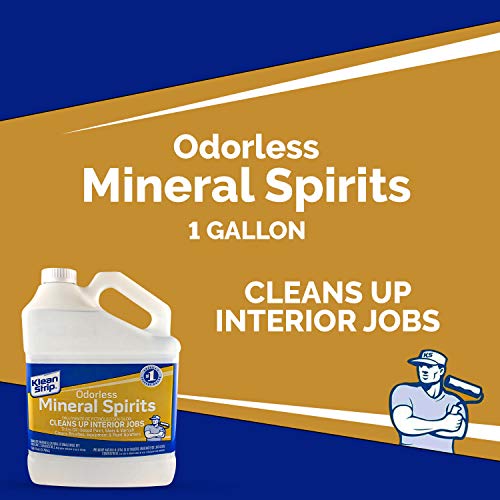


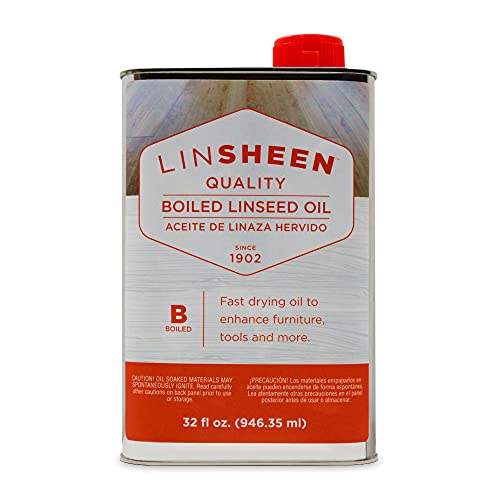
Oil finish dilution means adding a compatible solvent to the finish so the mix flows more easily and penetrates more quickly. Common choices include boiled linseed oil, tung oil, Danish oil, and wiping varnish, but each product reacts differently to thinning. Mineral spirits or white spirit are the most common reducers.
Dilution lowers viscosity. That usually means deeper penetration, a thinner film, and a longer or shorter working window depending on the solvent’s evaporation rate. More solvent also reduces the amount of solid finish left behind per coat, so build is slower and drying behavior can change.
Use dilution as a control for flow and penetration, not as a repair for poor sanding or bad prep. It can help a finish wet the wood more evenly, but it will not correct torn grain, glue contamination, or a rough surface that should have been sanded more evenly first.
Why thinner mixes behave differently on wood
Thin mixes soak into open grain and thirsty end grain more readily because they have less resistance to flow. Closed-grain woods absorb less, so a very thin mix may mostly sit on the surface and leave too little film to protect the wood well.
The same ratio can act differently on pine, oak, maple, or end grain. Open-grain hardwoods and softwoods often drink more finish than tight-grain species, which is why test boards matter. A ratio that works on a sample panel may be too lean or too rich on the real project.
When dilution helps and when it does not
Dilution helps when you need better wipeability, easier brushing, or more penetration on a first coat. It is less helpful when you need faster film build, stronger surface protection, or a product that already has a manufacturer-set solvent balance.
Suppose you are finishing a maple drawer front and want a light first coat. A 3:1 oil-to-solvent mix may wipe cleanly, but it may also leave a very thin film. On a pine shelf, that same mix may soak in too fast and need an extra coat.
How do you calculate a finish ratio?
To calculate a finish ratio, turn the parts in the ratio into a total, then split the batch by that total. For 2:1 oil-to-solvent, there are 3 total parts. For a 12-ounce batch, each part is about 4 ounces, so the mix is about 8 ounces oil and about 4 ounces solvent.
Reading oil:solvent ratios correctly
Always confirm which ingredient comes first. A 2:1 ratio usually means 2 parts oil to 1 part solvent. A 1:2 ratio means the opposite. That distinction matters because many mix errors come from reading the numbers backward.
If a label gives a percentage instead of a ratio, convert it before mixing. A 25 percent solvent mix means about one quarter of the total batch is solvent and about three quarters is oil. A 50 percent solvent mix is commonly treated as 1:1.
Turning percent solvent into ounces or milliliters
Use the same math for imperial or metric units. Multiply the total batch size by the solvent percentage, then subtract that amount from the total to find the oil. For a 16-ounce batch at 25 percent solvent, use about 4 ounces solvent and about 12 ounces oil.
For milliliters, the same rule applies. In a 500 mL batch at 20 percent solvent, mix about 100 mL solvent with about 400 mL oil. A graduated cup or marked mixing container makes these conversions easier and more repeatable than guessing by eye.
Checking the label before you mix
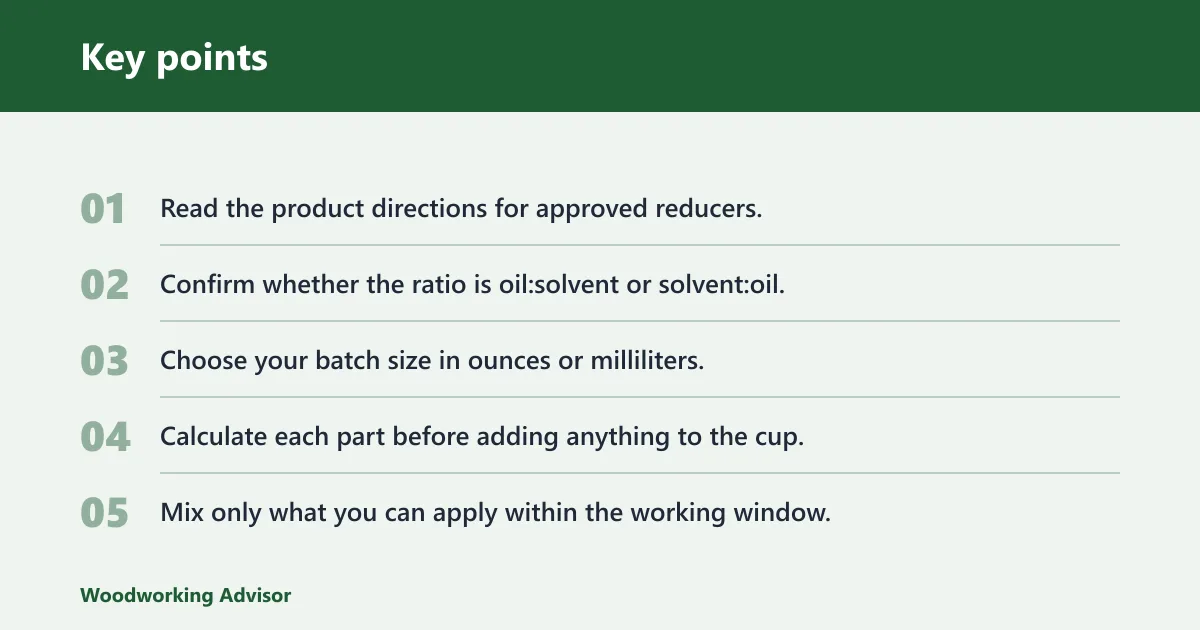
Product labels matter because not every oil finish tolerates the same reducer. Some formulas already contain solvents and dryers. Others specify a maximum thinner percentage. If the label conflicts with a general ratio, follow the label.
- Read the product directions for approved reducers.
- Confirm whether the ratio is oil:solvent or solvent:oil.
- Choose your batch size in ounces or milliliters.
- Calculate each part before adding anything to the cup.
- Mix only what you can apply within the working window.
Oil dilution table
This table converts common ratios into exact amounts for 4 oz, 8 oz, 16 oz, 1 pint, and 1 quart batches. The figures use oil-to-solvent ratios. A 1:1 mix is 50 percent solvent. A 2:1 mix is 33 percent solvent. A 3:1 mix is 25 percent solvent.
| Batch size | 1:1 oil | 1:1 solvent | 2:1 oil | 2:1 solvent | 3:1 oil | 3:1 solvent | 25% solvent | 50% solvent | 33% solvent |
|---|---|---|---|---|---|---|---|---|---|
| 4 oz | 2 oz | 2 oz | 2.67 oz | 1.33 oz | 3 oz | 1 oz | 3 oz | 2 oz | 2.67 oz |
| 8 oz | 4 oz | 4 oz | 5.33 oz | 2.67 oz | 6 oz | 2 oz | 6 oz | 4 oz | 5.33 oz |
| 16 oz | 8 oz | 8 oz | 10.67 oz | 5.33 oz | 12 oz | 4 oz | 12 oz | 8 oz | 10.67 oz |
| 1 pint (16 oz) | 8 oz | 8 oz | 10.67 oz | 5.33 oz | 12 oz | 4 oz | 12 oz | 8 oz | 10.67 oz |
| 1 quart (32 oz) | 16 oz | 16 oz | 21.33 oz | 10.67 oz | 24 oz | 8 oz | 24 oz | 16 oz | 21.33 oz |
For half-ounce precision, round consistently and keep the same rounding method for every batch. That matters when you want repeatable wipe-on results. A syringe or small graduated cup is more dependable than a kitchen spoon.
How much solvent should you add?
Start with the lightest ratio that still gives you the application behavior you need. For wipe-on oil finish, a common starting point is 1:1 or 2:1 oil to solvent. For brushing, many woodworkers start closer to 3:1 so the coat has enough body to build.
Starting ratios for wipe-on coats
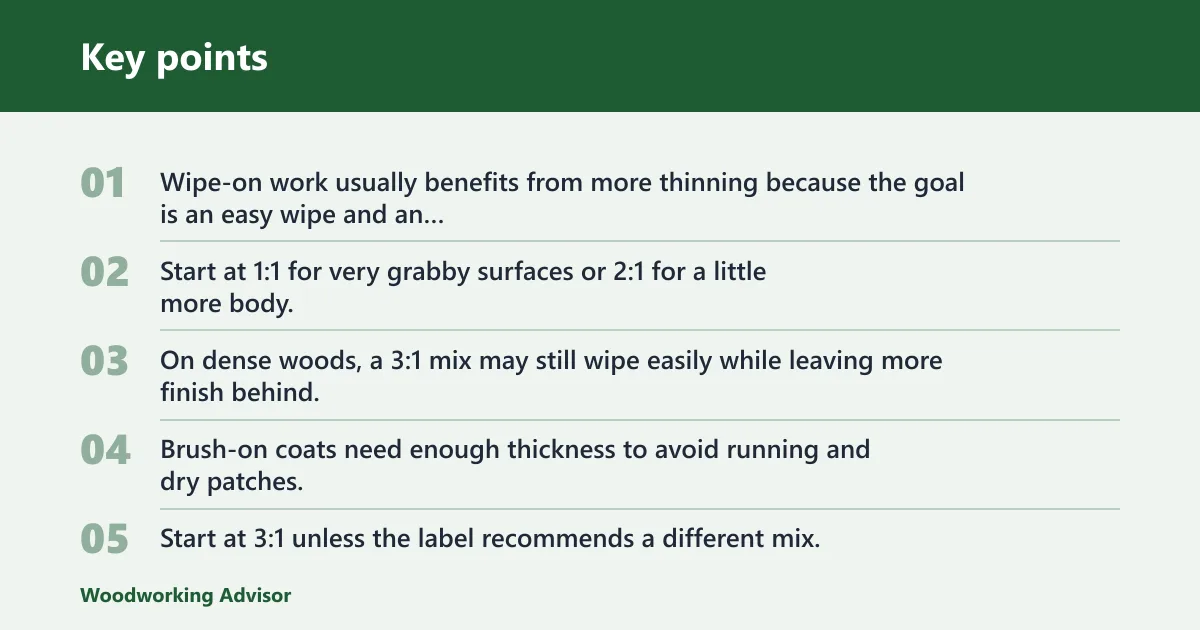
Wipe-on work usually benefits from more thinning because the goal is an easy wipe and an even, thin layer. Start at 1:1 for very grabby surfaces or 2:1 for a little more body. On dense woods, a 3:1 mix may still wipe easily while leaving more finish behind.
Starting ratios for brush-on coats
Brush-on coats need enough thickness to avoid running and dry patches. Start at 3:1 unless the label recommends a different mix. If the finish levels poorly or drags, move one step thinner. If it seems too weak or takes too many coats to build, reduce the solvent.
When to reduce less or more
Reduce less when the wood is open grain, the room is cool, or you want more film build. Reduce more when the wood is dense, the surface is thirsty, or you need longer wipeability on a large panel. Too much solvent can delay build and leave the surface patchy.
A common first-timer mistake is mixing for the label ratio without thinking about the method. A flood-and-wipe coat on end grain needs a different blend than a light pad-on coat on maple veneer. The method changes how much finish actually remains on the surface.
Which solvent should you use?
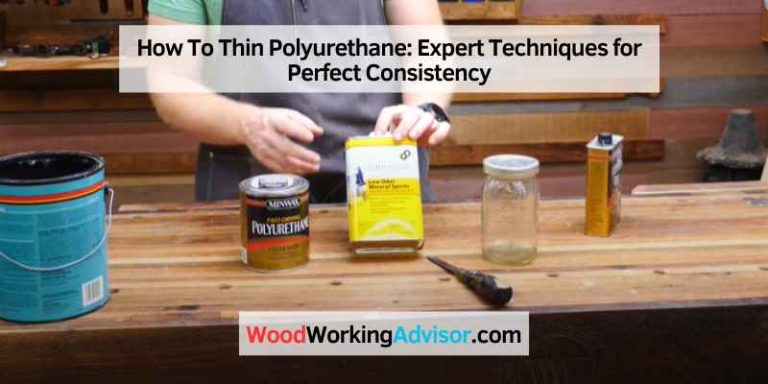
Mineral spirits, also called white spirit in many markets, is the most common reducer for oil finishes. It is widely compatible with many boiled linseed oil, tung oil, Danish oil, and wiping varnish products, but not every formula accepts the same solvent list. Check compatibility first.
Mineral spirits and white spirit
These solvents are common because they thin finish well, clean up easily, and usually evaporate at a moderate rate. Their odor and evaporation speed affect open time. A faster-evaporating solvent can shorten the time you have before wiping or leveling.
Odor, evaporation, and open time
Lower odor does not always mean slower evaporation, and slower evaporation does not always mean a better finish. If the solvent flashes off too fast, the coat can grab unevenly. If it evaporates too slowly, dust can stick and the finish may stay wet longer than expected.
Compatibility with specific oil products
Some wiping varnishes already contain mineral spirits and resins, so extra thinning can weaken the coat more than expected. Boiled linseed oil and tung oil are usually thinnable with the right solvent, but the label controls the limits. If a product names a specific thinner, use that one.
Match the mix to the wood and method
Wood species and application method should steer the ratio. Open-grain wood usually accepts more finish. Closed-grain wood often needs less. End grain can absorb heavily and may need a first coat that is thinner than the rest of the schedule.
Open grain versus closed grain
Oak, ash, and similar open-grain woods often drink more finish than maple or cherry. A mix that looks correct on a closed-grain board may disappear into open grain and leave a dry, underbuilt surface. Start with a test board that matches the project wood.
Softwoods, end grain, and thirsty spots
Softwoods can absorb unevenly, especially around earlywood bands and end grain. These areas may need a slightly thinner first coat for penetration, then a less-diluted second coat for build. The goal is even wetting, not maximum solvent.
Wipe-on, brush-on, pad-on, and flood-and-wipe
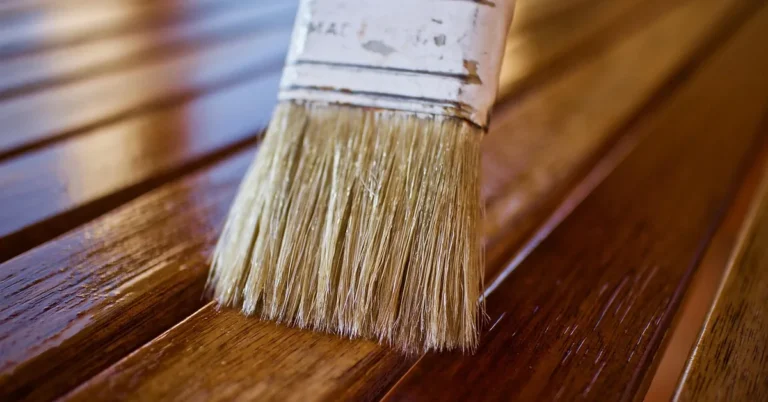
Wipe-on usually favors thinner ratios because you remove the excess with a cloth. Brush-on needs enough body to stay on the surface. Pad-on sits between the two. Flood-and-wipe often starts with a thin mix so the wood absorbs evenly, then you wipe away the excess before it skins over.
Picture a 1-quart tabletop made from oak. If the first coat is wiped on at 1:1, the pores may fill more evenly, but the coat may dry with less sheen than expected. On a maple tray, the same mix may be too thin and may need a stronger second coat for visible build.
Frequently asked questions
What is oil finish dilution?
Oil finish dilution is the act of adding a compatible solvent to an oil-based finish to lower viscosity and change how it wets the wood. It can improve wipeability and penetration, but it also reduces film build and can change drying behavior. The product label should still control the final mix.
How do you dilute oil finish safely?
Work in good ventilation, keep ignition sources away, and measure the solvent and oil before combining them. Use a graduated cup or syringe for accuracy. Store oily rags in a water-filled metal container or spread them flat to dry outdoors according to local disposal rules, because oil-soaked rags can self-heat.
How do you calculate the dilution ratio?
Convert the ratio into total parts, then divide the batch by that number. For 3:1 oil to solvent, there are 4 total parts. A 16-ounce batch means 12 ounces oil and 4 ounces solvent. For percent solvent, multiply the batch by the percentage first, then subtract from the total.
How much solvent do I add to oil finish?
A common starting point is 1:1 for wipe-on coats and 3:1 for brush-on coats, but the right amount depends on the finish type, the wood, and the label. Dense woods may need less thinning. Open-grain woods or end grain may accept a thinner first coat more readily.
What ratio should I use for wipe-on oil finish?
Start with 1:1 if you want a very easy wipe and fast wetting, or 2:1 if you want a little more body and slower loss of film. On some woods, 3:1 can still work for wipe-on use, but it will leave more finish per pass than a very thin mix.
What happens if I over-dilute an oil finish?
Over-dilution can cause weak film build, patchy penetration, and a surface that stays dull or soft longer than expected. It can also make the coat look dry in some spots and oily in others. If that happens, let the coat cure as directed, then switch to a stronger mix for later coats.
Sponsored / affiliate links. As an Amazon Associate I earn from qualifying purchases. I may earn additional commission from eligible campaigns.