Can You Tile Over Plywood in Bathroom? Pro Tips Revealed
No, you should not tile directly over plywood in a bathroom. Plywood does not provide a stable, moisture-resistant surface for tile installation.
Tiling in a bathroom requires careful consideration of the materials used. Plywood can warp and absorb moisture, leading to potential damage. For a successful tile installation, use cement backer board instead. This material offers better stability and moisture resistance, creating a suitable foundation for tiles.
Proper preparation is essential to avoid future issues such as cracking or mold growth. Understanding the right materials not only enhances the longevity of your tile work but also ensures a beautiful finish. Always prioritize the quality of your subfloor to achieve the best results. Your bathroom deserves a durable and aesthetically pleasing surface.
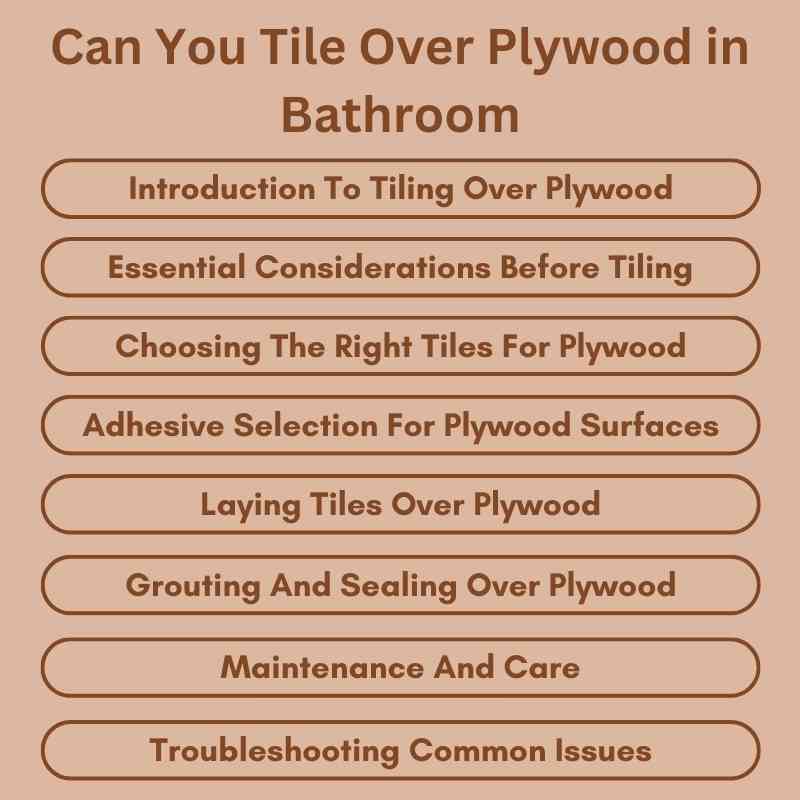
Introduction To Tiling Over Plywood
Tiling over plywood in a bathroom is a common practice. Plywood provides a stable base for tiles. It helps to prevent cracks and damage. Many homeowners choose it for easier installation.
Some believe that plywood is not suitable for wet areas. This is a myth. When properly sealed, plywood can handle moisture. It is essential to use the right waterproofing methods.
Another myth is that tiles won’t adhere to plywood. This is also incorrect. With proper preparation, tiles stick well to plywood surfaces. Always ensure the plywood is clean and smooth before tiling.
Essential Considerations Before Tiling
Choosing the right plywood quality is crucial for tiling. Use water-resistant plywood for bathrooms. Thickness should be at least 1/2 inch for stability.
Room moisture levels can affect tile adhesion. Bathrooms have high humidity. Ensure proper ventilation to reduce moisture. Use a dehumidifier if necessary.
Check for any leaks before installing tiles. Addressing leaks prevents future damage. A well-prepared surface is essential for successful tiling.
Preparing Plywood For Tile Installation
Start by cleaning the plywood surface thoroughly. Remove any dirt, dust, or grease. Use a mild cleaner and a damp cloth. Make sure it is completely dry before proceeding.
Next, apply a waterproofing membrane. This step helps protect against moisture damage. Use a paint roller or brush for an even coat. Allow it to dry completely as per the manufacturer’s instructions.
Check for any bubbles or imperfections in the membrane. Smooth them out before laying the tiles. Proper preparation is key to a successful tile installation.
Choosing The Right Tiles For Plywood
Choosing the right tiles for plywood is essential for a strong finish. Ceramic tiles are durable and cost-effective. They come in many colors and patterns. Porcelain tiles are denser and more water-resistant. They are great for high-moisture areas.
Consider tile size carefully. Larger tiles can make a space feel bigger. However, smaller tiles are easier to fit around fixtures. Weight is another important factor. Make sure the plywood can support the tile weight without sagging.
| Tile Type | Durability | Water Resistance | Cost |
|---|---|---|---|
| Ceramic | Good | Moderate | Lower |
| Porcelain | Excellent | High | Higher |
Adhesive Selection For Plywood Surfaces
Selecting the right tile adhesive is crucial for plywood surfaces. Different adhesives work better depending on the tile type. Here are the common types:
| Adhesive Type | Description |
|---|---|
| Thin-set Mortar | Best for most ceramic and porcelain tiles. |
| Modified Thin-set | Provides extra strength and flexibility for heavy tiles. |
| Epoxy Adhesive | Waterproof and strong, ideal for wet areas. |
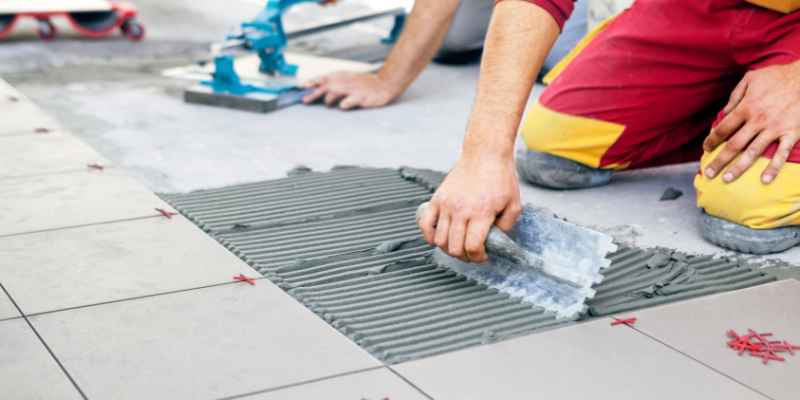
Proper application techniques are essential for a successful tiling job. Start by preparing the plywood surface. Ensure it is clean and dry. Use a notched trowel to apply the adhesive evenly. Press the tiles firmly into place. Allow adequate drying time before grouting. This helps to achieve a strong bond.
Laying Tiles Over Plywood
Planning a proper tile layout is crucial for success. Start by measuring the bathroom area. Mark the center point to ensure tiles are evenly placed. Lay tiles without adhesive first to check the fit. Adjust as needed before sticking them down.
Cutting tiles can be tricky but rewarding. Use a tile cutter for straight cuts. For curves, a wet saw works best. Always wear safety gear while cutting. Keep tiles clean for better adhesion.
Grouting And Sealing Over Plywood
Choosing the right grout is crucial for a successful tile job. Thin-set grout works well for most bathroom tiles. Epoxy grout is a stronger choice for areas prone to moisture. It helps prevent mold and mildew. Consider flexible grout for areas with movement.
Sealing tiles adds an extra layer of protection. Use a good quality sealer to keep moisture out. Apply sealer after grouting for the best results. Make sure to follow the manufacturer’s instructions. Regularly reapply sealer to maintain its effectiveness.
Maintenance And Care
Routine cleaning helps keep your tile looking fresh. Use a soft mop or cloth. Avoid harsh chemicals that can damage the grout.
Water exposure is common in bathrooms. Seal the grout to prevent moisture damage. Check for leaks regularly to keep the area dry.
Use a squeegee after showers. This helps reduce water spots and mold. Ventilation is key; open windows or use exhaust fans.
Wipe down surfaces daily to prevent buildup. Clean tiles with mild soap and warm water. Regular care will extend the life of your tiles.
Troubleshooting Common Issues
Cracked tiles can ruin the look of your bathroom. They often occur due to poor installation. Temperature changes can also cause tiles to crack. Look for cracks right away. Address them before they worsen.
For loose tiles, start by checking the adhesive. Remove the loose tile carefully. Clean the area and apply fresh adhesive. Press the tile down firmly and let it dry. This simple fix can save you time and money.
Professional Tips For Best Results
Using plywood for tiling in a bathroom can be tricky. Ensure the plywood is properly sealed to prevent moisture damage. Use water-resistant plywood for better results. Make sure to install it level and smooth. This helps tiles stick better.
Before tiling, check for flatness. Use a level to find any bumps. Sand down high spots for a smooth surface. Avoid using thin-set on uneven surfaces. It may crack tiles.
Use a good quality thin-set mortar. This will help your tiles stay in place. Always follow the manufacturer’s instructions for the best results. Wait for the mortar to cure before grouting.
Legal And Safety Considerations
Building codes vary by location. Always check your local regulations. Compliance ensures safety and quality. Non-compliance can lead to fines or issues.
Working safely with tools is crucial. Use proper gear like gloves and goggles. Ensure tools are in good condition. Read instructions before use. Keep the workspace clean to avoid accidents.
Here are some safety tips:
- Wear appropriate protective gear.
- Keep tools organized.
- Inspect tools before use.
- Follow manufacturer guidelines.
- Store materials safely.
Frequently Asked Questions
Can You Tile Directly On Plywood?
No, you should not tile directly on plywood. Plywood is not a stable surface for tile installation. It can expand and contract with moisture, leading to cracked tiles. Instead, consider using a cement backer board for a more durable and stable base for your bathroom tiles.
What Type Of Plywood Is Best For Tiling?
If you must use plywood for tiling, choose exterior-grade plywood. This type is more moisture-resistant and less likely to warp. However, it’s recommended to use cement backer board instead. It provides a better surface for tile adhesion and minimizes the risk of tile damage.
How Thick Should Plywood Be For Tile?
If using plywood under tile, it should be at least 3/4 inch thick. This thickness helps provide stability and support. However, always pair plywood with a cement backer board for the best results. This combination ensures a solid, moisture-resistant foundation for your bathroom tiles.
Is It Necessary To Use A Backer Board?
Yes, using a backer board is highly recommended. It adds stability and moisture resistance, crucial for bathroom environments. A backer board also prevents tile cracking and improves adhesion. This extra layer ensures a long-lasting and durable tile installation, making it worthwhile for any bathroom project.
Conclusion
Tiling over plywood in a bathroom can be done, but it requires careful preparation. Ensure the plywood is clean, dry, and properly secured. Using a suitable underlayment can enhance durability and prevent moisture damage. With the right approach, you can achieve a beautiful, long-lasting tiled surface in your bathroom.