OSB Plywood at Lowe’s: Grades, Sizes & Prices (2026)
OSB (oriented strand board) at Lowe’s runs about $10 to $70+ per 4×8 sheet depending on thickness and grade – but a basic 7/16-inch sheathing panel is not rated to carry subfloor loads the way tongue-and-groove Sturd-I-Floor OSB is. Using the wrong grade can void a span rating and fail a building inspection. This guide covers Lowe’s OSB grades, sizes, and prices, plus how to seal cut edges against the moisture swelling OSB is known for.
Quick Answer
Lowe’s stocks three main OSB types: basic Rated Sheathing (7/16-inch to 23/32-inch, $10-$35, for walls and roofs), tongue-and-groove Sturd-I-Floor OSB ($38-$55, rated for subfloor loads), and ZIP System sheathing with a built-in weather barrier ($45-$90). For a subfloor, always buy T&G-rated OSB – basic sheathing will flex and squeak underfoot.
What OSB Grades Does Lowe’s Carry?
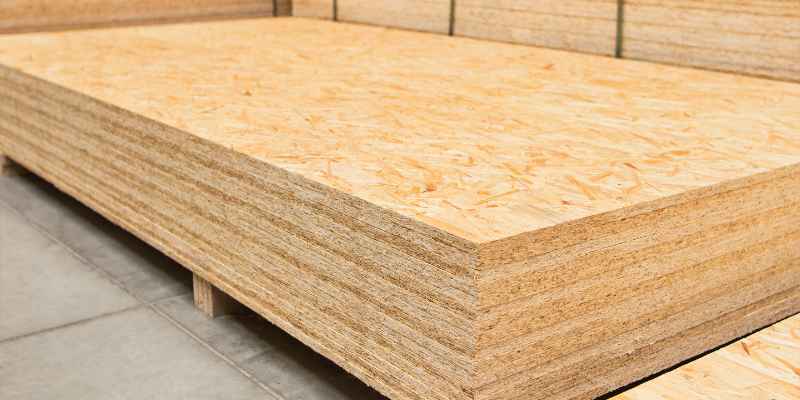
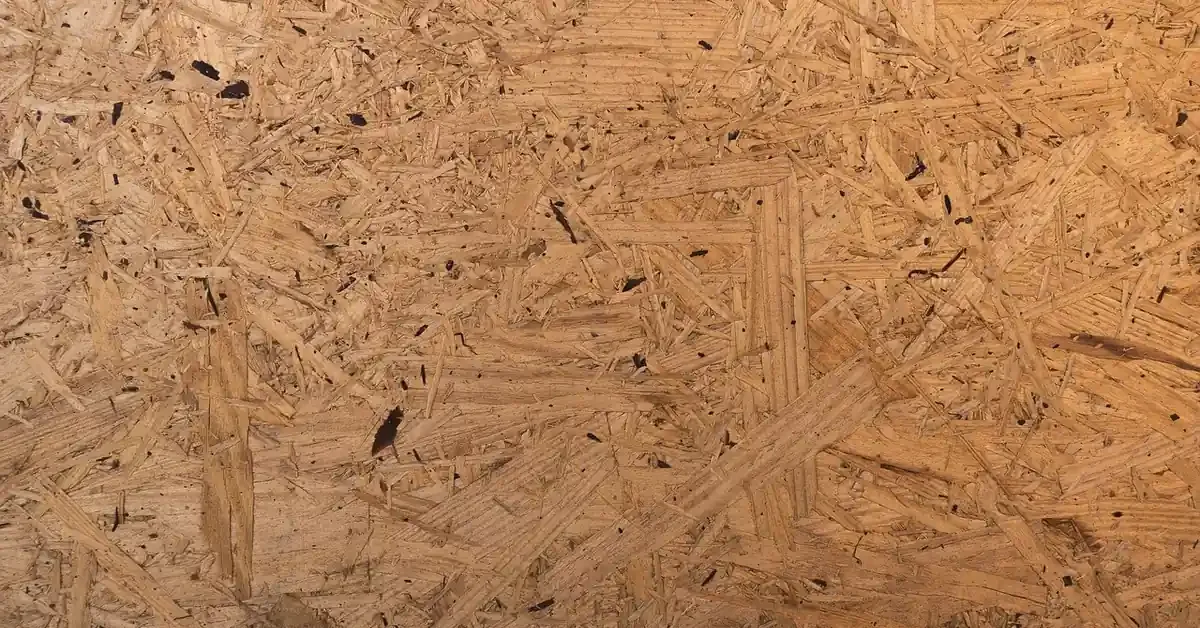
OSB (oriented strand board) is an engineered wood panel made of wood strands compressed and bonded with resin under heat and pressure in cross-oriented layers. It carries similar strength ratings to plywood at a lower cost. Lowe’s sorts its OSB stock by application, and picking the wrong grade for the job is the single most common mistake buyers make.
- Rated Sheathing: The standard wall and roof panel, stamped with a span rating (commonly 24/16 or 32/16) that tells you the maximum stud or rafter spacing it can bridge.
- Sturd-I-Floor (T&G): Tongue-and-groove OSB engineered for subfloors – the edges interlock so the panel doesn’t flex or squeak between joists.
- ZIP System Sheathing: Wall or roof sheathing with a factory-applied weather-resistant barrier, so you skip a separate house-wrap step.
- Structural I OSB: A higher shear-strength panel for engineered applications like shear walls and diaphragms – Lowe’s carries it by special order in most regions.
Check the panel’s edge stamp before you buy. If it doesn’t list a span rating and an exposure durability class (Exposure 1 is standard for most residential use), it isn’t graded for structural use – it’s a utility or craft panel meant for non-structural projects like decorative wood panel walls.
OSB Plywood Prices at Lowe’s
Price scales with thickness and grade, not just size – every panel below is a standard 4-by-8-foot sheet.
| Thickness | Grade | Typical Price | Best For |
|---|---|---|---|
| 7/16-in | Rated Sheathing | $10-$18 | Wall sheathing |
| 1/2-in | Rated Sheathing | $18-$28 | Sheds, wall sheathing |
| 19/32-in (5/8-in) | Rated Sheathing | $25-$35 | Roof decking |
| 23/32-in (3/4-in) | Sturd-I-Floor T&G | $38-$55 | Subfloor |
| 7/16-in to 7/8-in | ZIP System Sheathing | $45-$90 | Wall sheathing with built-in WRB |
📊 OSB panels at retailers like Lowe’s have run roughly $32 to $77 per 4-by-8-foot sheet in 2026, with softwood lumber tariffs cited as a key driver of the increase – Source: Angi, 2026 OSB Cost Guide
Best OSB Edge Sealer Pick
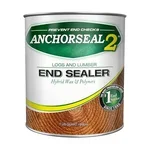 |
Anchorseal 2 Log and Lumber End Grain Sealer – $28.45 OSB swells fastest at cut edges, not the factory-sealed face – the same edge-checking problem this water-based wax and polymer sealer is built to block on any cut lumber.
|
OSB vs Plywood at Lowe’s – Which Should You Buy?
OSB is reliably the cheaper sheet good at the same nominal thickness – a comparable 1/2-inch plywood panel typically costs close to double what 1/2-inch OSB runs, though the exact gap depends on grade. For the full breakdown by thickness, see our 1/2-inch OSB vs plywood price comparison. If you’re pricing out plywood specifically rather than OSB, our Lowe’s 4×8 plywood price guide covers CDX and birch options too.
Does Lowe’s OSB Cost Less Than Plywood?
Yes – at the same nominal thickness, OSB is almost always the lower-cost panel at Lowe’s. The tradeoff isn’t price, it’s edge behavior: OSB swells more at cut edges when it gets wet, while plywood holds screws better right at the edge. Which one wins depends on whether the panel will see moisture or repeated fastening at its edges.
Size and Thickness Options
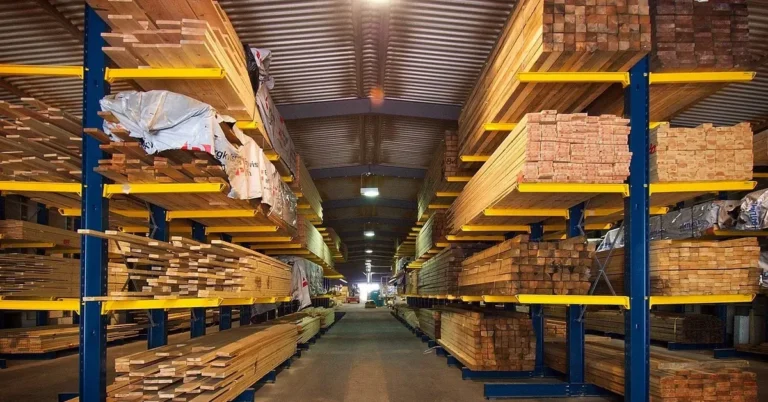
Lowe’s stocks OSB primarily in the standard 4-by-8-foot sheet, in thicknesses from 7/16-inch up to 23/32-inch (roughly 3/4-inch). Some stores also carry a 4×9 or 4×10 size for taller wall applications, though availability varies by region and is usually a special order.
Most Lowe’s locations will make up to two cuts per sheet for free at the in-store cutting station – useful if you need panels to fit a vehicle or a tight stair or attic opening, but it isn’t a substitute for the precision cuts a table saw or track saw gives you on site.
Best Uses for OSB Plywood
Rated Sheathing OSB is the default choice for wall and roof sheathing on new construction and additions – it’s what shows up behind siding and under roofing on the vast majority of new homes built in the US today. Sturd-I-Floor T&G OSB is the matching choice for subfloors under carpet, tile, or engineered wood flooring.
For DIY projects – sheds, workbenches, tree houses, temporary flooring – a lower grade of OSB is usually fine, since these applications don’t carry the same code-driven span requirements as a house frame. Just don’t use utility-grade OSB anywhere it will bear a structural load; it isn’t stamped for it and won’t perform the same under weight.
How to Install OSB Sheathing
- Check the span rating: Match the panel’s edge-stamped span rating to your actual stud or rafter spacing before you cut anything.
- Leave an expansion gap: Space panel edges about 1/8-inch apart – OSB expands with humidity, and a tight-butted install is what causes buckling later.
- Seal cut edges: Brush an end-grain sealer onto any field-cut edge before the panel goes up, especially on subfloor and any sheathing that will sit exposed to weather during construction.
- Fasten to schedule: Nail or screw every 6 inches along panel edges and every 12 inches in the field, using the fastener type and length called out in the local code or the manufacturer’s installation guide.
- Stagger the joints: Offset panel end joints across different framing members from one row to the next, so no long seam lines up over a single stud or joist run.
How to Protect OSB From Moisture Damage
OSB’s known weak point is the cut edge, not the factory face. The face is pressed and sealed at the mill; a field cut exposes raw wood strands with no protective layer, and that’s where water gets in first.
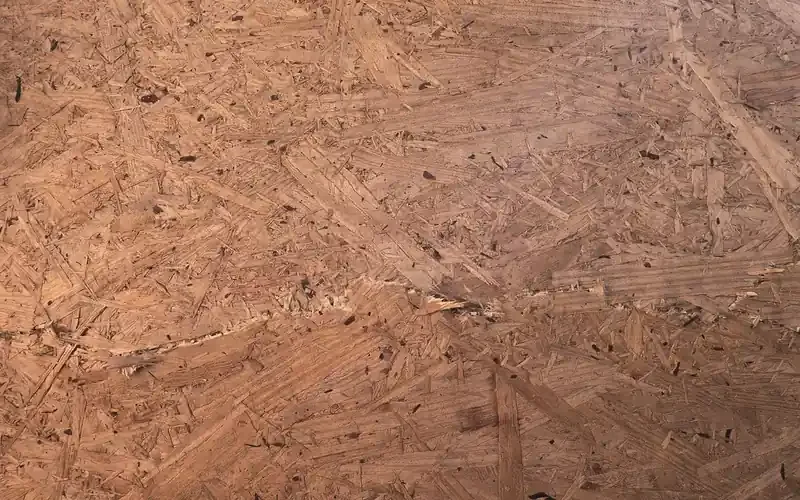
“Moisture enters the end grain of wood-based panels faster than through the surface.”
That’s why every cut edge on a subfloor or exposed sheathing panel should get an edge sealer before installation, not just the corners that look the most exposed. Left unsealed, a cut edge can swell enough at a butt joint to create a visible ridge under flooring, or telegraph through as a squeak once the subfloor dries and shrinks back down unevenly.
Frequently Asked Questions
What is OSB plywood used for?
OSB is used as structural sheathing on walls and roofs, as subfloor panels under flooring, and in furniture, cabinetry, and DIY builds like sheds and workbenches. The grade you need depends on whether the panel will carry a structural load or just serve as a general-purpose surface.
How does OSB plywood compare to plywood?
OSB is almost always cheaper than plywood at the same nominal thickness and carries a similar span rating for most structural uses. The tradeoff is at the edges: OSB swells more when cut edges get wet, while plywood holds screws better right at the edge. Choose based on which weakness matters less for your project.
Where can I buy OSB plywood at Lowe’s?
OSB is stocked in the lumber and building materials section at every Lowe’s store, and you can check local stock and order online for in-store pickup or delivery. Selection and pricing vary by region, so it’s worth checking Lowes.com for your specific store before making the trip.
Is OSB plywood eco-friendly?
OSB is made from fast-growing, smaller-diameter trees rather than the old-growth timber traditional plywood veneers often require, and the manufacturing process uses nearly the entire log with little waste. It’s generally considered a more resource-efficient panel than plywood, though the resin binders used aren’t fully biodegradable.
What thickness of OSB should I use for a subfloor?
Use 23/32-inch (nominal 3/4-inch) tongue-and-groove Sturd-I-Floor OSB for most residential subfloors over joists spaced 16 or 24 inches on center – this is the thickness and grade most commonly specified in APA span tables for that joist spacing. Thinner sheathing-grade OSB is not designed to carry subfloor loads without excessive flex.
Conclusion
OSB at Lowe’s ranges from about $10 for basic 7/16-inch sheathing up to $90 for premium ZIP System panels, and the right choice comes down to matching the grade’s span rating to the job – sheathing for walls and roofs, Sturd-I-Floor T&G for subfloors. Whatever grade you pick, seal the cut edges before it goes up; that single step prevents most of the moisture damage OSB is known for.
Sponsored / affiliate links. As an Amazon Associate I earn from qualifying purchases. I may earn additional commission from eligible campaigns.