Is Birch Plywood Waterproof? No, But the Glue Type Matters
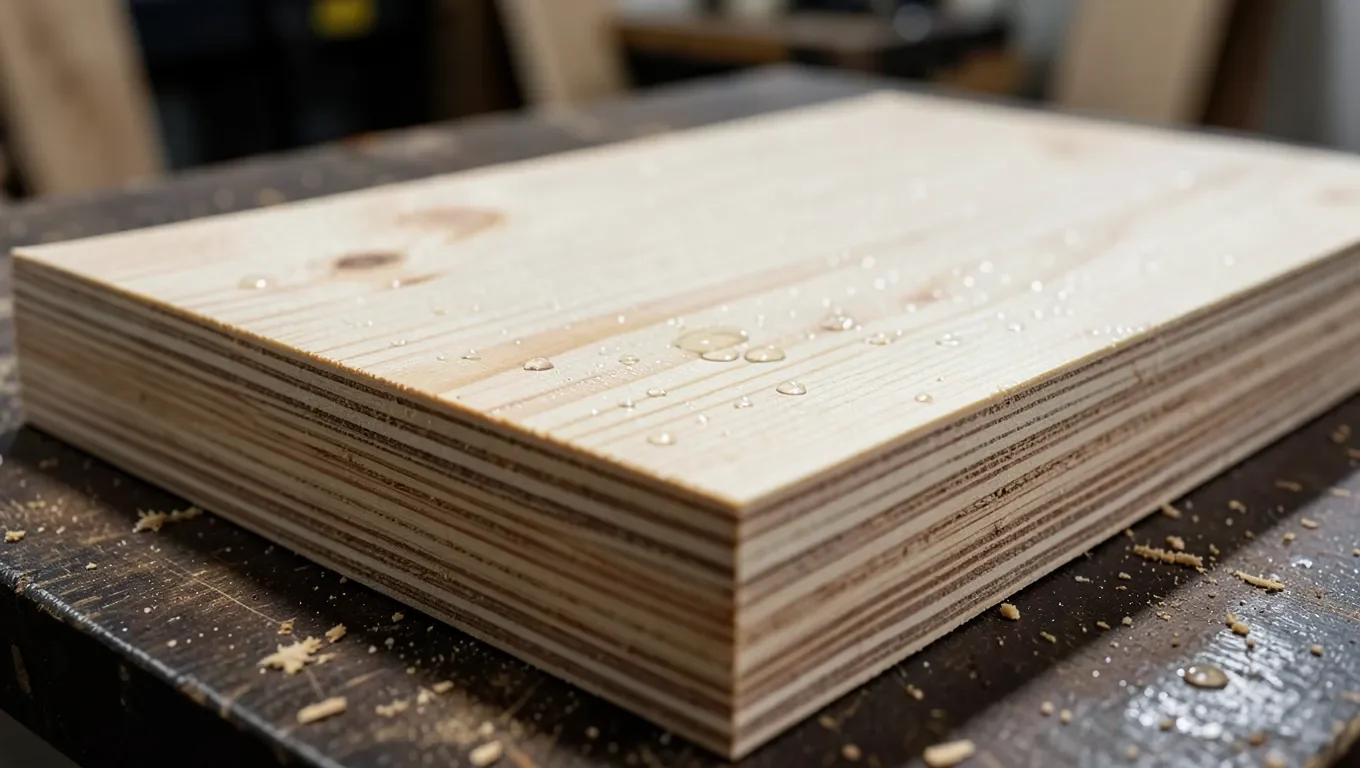
No, birch plywood is not waterproof by default — what actually determines its water resistance is the adhesive used between the veneer layers, not the birch wood itself. Standard interior-grade birch plywood uses urea-formaldehyde (UF) glue, which weakens and can delaminate with sustained moisture exposure. Birch plywood bonded with phenolic resin (often labeled WBP, for “weather and boil proof”) holds up to continuous wet exposure, including boiling water tests, without that bond failing. Same wood species, completely different real-world performance, purely because of the glue.
Glue Type Is the Whole Story
For Sealing Cut Edges Before Wet Exposure
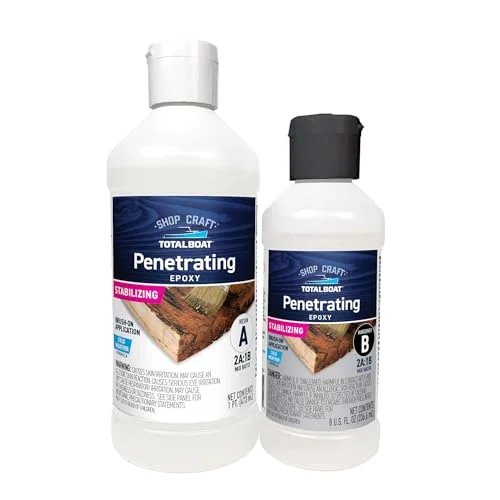 |
TotalBoat Penetrating Epoxy Wood Sealer – $40.99 Even a genuinely waterproof-glued panel still needs its cut edges sealed — exposed veneer layers wick water regardless of what holds them together.
|
UF (urea-formaldehyde) glue is cheaper and fine for interior furniture and cabinetry that won’t see sustained moisture, but it’s not designed to survive repeated wetting and drying cycles — the bond degrades over time under that stress, eventually letting layers separate. Phenolic resin, the adhesive behind WBP-rated and marine-grade plywood, forms a bond that doesn’t weaken when wet, which is why it’s the standard for boat hulls, outdoor structures, and anything that will see standing water or constant humidity. If a birch plywood product doesn’t specify its glue type, assume standard UF interior glue — manufacturers using the more expensive phenolic bond generally advertise it clearly, since it’s a real selling point.
Baltic Birch: Better, But Not Automatically Waterproof
Baltic birch is often confused with a waterproof product because it’s genuinely a step up from standard birch plywood — it uses a void-free cross-banded birch core and typically an exterior-grade adhesive, making it more moisture-tolerant than cabinet-grade birch plywood. But “more moisture-tolerant” isn’t the same as waterproof: unless a specific Baltic birch product is explicitly sold as marine-grade with a phenolic/WBP bond, the same rule applies — check the glue spec, don’t assume it from the “Baltic birch” name alone.
The Standard That Actually Certifies “Marine Grade”
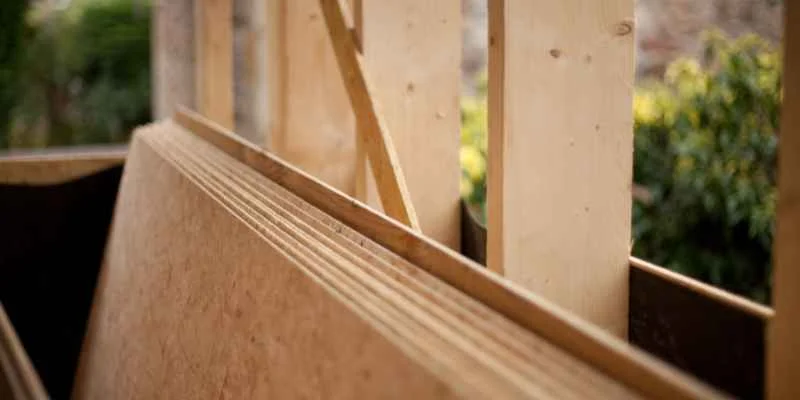
“Marine plywood” and “waterproof plywood” are used loosely in retail listings, but there’s a real certification behind genuine marine-grade panels: BS 1088 (a British Standard) and the equivalent ISO 12122 testing regime certify not just the glue bond but also veneer quality (fewer voids and core gaps) and overall construction consistency for continuous wet-environment use. A birch panel labeled WBP-glued but without BS 1088 certification may still have a genuinely waterproof glue bond, but it hasn’t been verified for the veneer-quality standards that true marine plywood is held to — worth knowing the difference if you’re specifying material for a boat or a project that will sit in standing water long-term versus one that just needs to survive occasional rain.
How Manufacturers Actually Test WBP Glue
The “boil proof” half of WBP isn’t marketing language — it references a real accelerated-aging test where sample panels are boiled in water for hours, then checked for any delamination or bond failure at the glue lines. A panel that passes has a glue bond genuinely engineered to survive sustained moisture, not just resist a light rain shower. Standard UF-glued interior plywood isn’t tested this way and isn’t expected to pass it; that’s the actual technical basis for the difference in real-world performance between the two, not just a labeling distinction. This kind of accelerated testing is also why phenolic-bonded panels can carry a genuine warranty against delamination in a way interior-grade plywood never does — the manufacturer has actual test data behind the claim, not just a marketing label.
How to Check What Glue Your Plywood Actually Uses
Product listings and lumber yard tags don’t always spell out the adhesive type directly, so look for these signal words instead: “WBP,” “phenolic,” “exterior grade,” or “marine grade” all point toward a moisture-resistant bond. “Interior grade,” “cabinet grade,” or no adhesive specification at all should be treated as standard UF glue by default. If you’re buying in person, ask the supplier directly — lumber yards that stock genuine marine or WBP-rated birch plywood generally know this detail and can confirm it, since it’s the main thing that justifies the higher price over standard birch plywood of the same thickness.
Why Even Waterproof-Glued Plywood Needs Sealed Edges
This is the detail most people miss: a phenolic glue bond keeps the layers from separating when wet, but it does nothing to stop the wood itself from absorbing water. Birch veneer is still wood, and any cut edge exposes the end grain of every layer directly to moisture — that’s the fastest path for water to soak in and cause swelling, even on a genuinely marine-grade panel. Sealing cut edges with a penetrating epoxy or a marine-grade varnish before installation is standard practice on real boatbuilding projects for exactly this reason, and it’s just as relevant on a birch plywood outdoor project even if the panel itself is rated waterproof.
How WBP Birch Compares to Other Waterproof Sheet Goods
Marine-grade fir (Douglas fir or western larch) plywood is the other common waterproof-rated option, and it’s generally stronger and stiffer per thickness than birch, but with a rougher, more visible grain pattern that most people find less attractive for exposed applications like cabinetry. Birch’s tight, even grain and smooth surface is why it’s preferred for anything where appearance matters alongside water resistance — furniture, boat interiors, cabinetry — while fir tends to go into structural marine applications like hulls and decking where looks matter less than strength and cost per square foot. HDPE (high-density polyethylene) sheet goods are a non-wood alternative worth knowing about for genuinely wet environments like cutting boards or dock components — fully waterproof by nature since it’s plastic, not wood, but it doesn’t take stain or finish and doesn’t machine or glue the way plywood does.
Where Real Waterproof-Glued Birch Plywood Gets Used
Genuine marine or WBP-grade birch plywood shows up in boat interior paneling and cabinetry (where its smooth finish and moisture resistance both matter), bathroom and kitchen cabinet boxes in higher-end builds, outdoor furniture cores that will be fully painted or veneered over, and playground or outdoor recreation equipment that sees constant weather exposure. Standard UF-glued birch plywood is the right and more economical choice for the much larger category of projects that stay dry indoors — furniture carcasses, shelving, interior cabinetry — where paying the premium for phenolic glue buys nothing you’ll ever use. That premium is real: genuine marine or WBP-rated birch typically runs noticeably more per sheet than standard cabinet-grade birch plywood of the same thickness, which is exactly why it’s worth confirming you actually need it before paying for it.
Common Misconceptions
- “Birch is naturally water-resistant wood, so the plywood is too”: false — the glue bond, not the species, is what determines wet-condition performance
- “Baltic birch means marine grade”: not automatically — check for an explicit WBP/phenolic or BS 1088 spec, don’t assume it from the name
- “If the glue is waterproof, I don’t need to seal the edges”: false — the wood itself still absorbs water through any exposed cut edge or end grain
- “All exterior-rated plywood is safe for permanent wet or submerged use”: exterior-rated typically means it survives weather and rain exposure, not continuous submersion — that’s specifically what true marine-grade certification is for
Frequently Asked Questions
Is birch plywood waterproof?
No, not by default. Water resistance depends on the glue used between layers, standard urea-formaldehyde glue is not waterproof, while phenolic/WBP-glued birch plywood is designed to survive continuous wet exposure.
Is Baltic birch plywood waterproof?
Not automatically. Baltic birch is more moisture-tolerant than standard birch plywood due to its void-free core and typical exterior-grade adhesive, but it’s only truly waterproof if explicitly sold as marine-grade with a phenolic/WBP bond.
What does WBP mean on plywood?
WBP stands for “weather and boil proof,” referring to a phenolic resin glue bond that doesn’t weaken when wet, including under boiling-water testing. It describes the adhesive, not a certification of the entire panel’s marine-grade quality.
Do I need to seal the edges of waterproof-glued plywood?
Yes. A waterproof glue bond keeps the layers from separating when wet, but it doesn’t stop the wood itself from absorbing water through exposed cut edges or end grain. Sealing edges is standard practice even on marine-grade panels.
Conclusion
Birch plywood’s water resistance comes entirely from its glue, not the wood species — check for a phenolic/WBP spec or genuine BS 1088 marine certification before assuming a panel can handle wet conditions. And regardless of glue type, seal any cut edges before exposing them to water; that’s the step even a truly waterproof panel still needs.
Sponsored / affiliate links. As an Amazon Associate I earn from qualifying purchases. I may earn additional commission from eligible campaigns.
 Baltic Birch Plywood 1/8'' x 12'' x 18'', 6 Pack, B/BB Grade, Void-Free Core, Laser Cutting Ready, Flat Sheets for CNC, Engraving, DIY Crafts, Art Painting, Wood Burning, Staining
 Baltic Birch Plywood Sheets Box of 45 - Laser Engraving Cutting, Scroll Saw Nature Veneer Color, Stronger Than Basswood, A/A Grade,12 x 12 x 1/8”, 3mm Thickness Perfect for Wood Burning