Can You Use a Paint Sprayer to Apply Water Sealer: Expert Tips
Are you tired of spending endless hours applying water sealer with a brush or roller? Do you wish there was a quicker, more efficient method to protect your deck, fence, or patio?
Imagine saving time and effort while achieving a flawless finish. Could using a paint sprayer be the game-changing solution you’ve been searching for? We’ll explore whether a paint sprayer can revolutionize the way you apply water sealer. Discover the potential benefits, uncover possible pitfalls, and learn how this tool might transform your sealing projects.
Dive in to find out if a paint sprayer is the missing piece in your DIY toolkit!
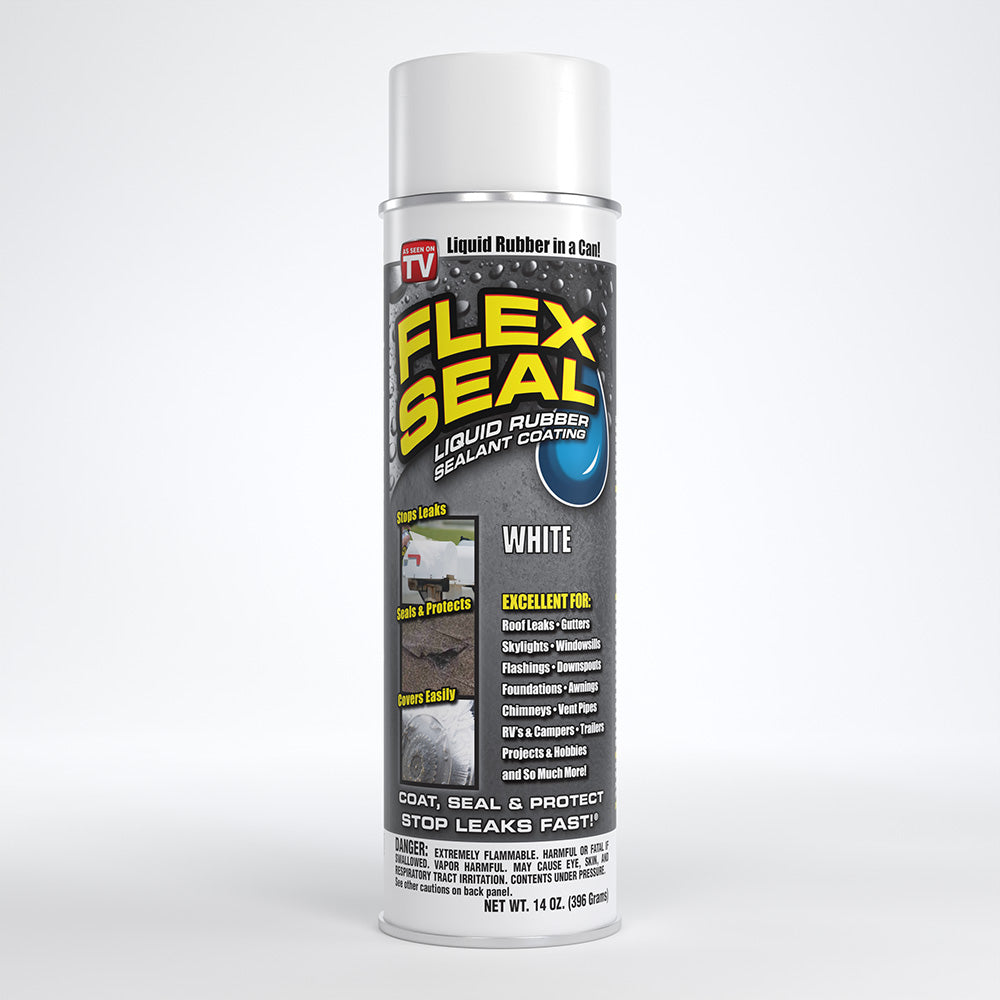
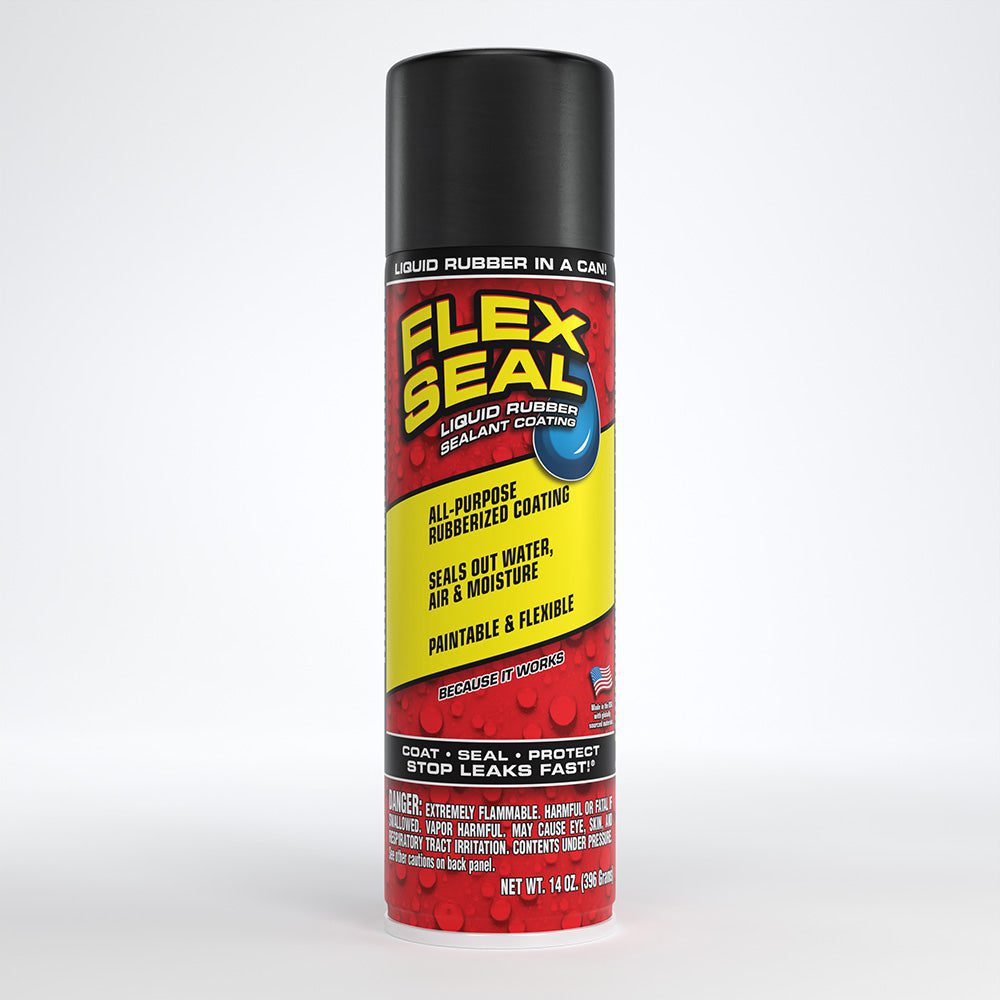
Credit: flexsealproducts.com
Benefits Of Using A Paint Sprayer
Paint sprayers work fast. They cover large areas quickly. This saves time. Using a sprayer is efficient. It reduces effort. You won’t get tired easily. Sprayers help with big tasks.
Sprayers apply evenly. No brush marks. No roller lines. The surface looks smooth. You get a nice finish. No uneven spots. The sealer spreads well. Every part gets covered.
Sprayers are versatile. Use them for many tasks. Walls, decks, fences. They handle different surfaces. Water sealer, paint, stain. Sprayers adapt well. Easy to switch projects. Use one tool for all.
Credit: www.homedepot.com
Choosing The Right Sprayer
Sprayers can be handy for applying water sealer to surfaces. Paint sprayers offer efficient coverage and even distribution. Ensure the sprayer is compatible with the sealer’s viscosity to avoid clogging.
Types Of Sprayers
Different sprayers suit different needs. Airless sprayersare popular. They spray quickly and evenly. HVLP sprayersoffer more control. They use less paint. Conventional sprayersare less common. They need more air pressure. Choose wisely based on your project.
Features To Consider
Some features matter most. Adjustable settingshelp control spray patterns. Look for easy cleaning systems. They save time and effort. Durabilityis key for long-term use. Check the sprayer’s material. It should be sturdy.
Compatibility With Water Sealer
Not all sprayers work with water sealer. Check the manufacturer’s guidelines. Some sprayers need special nozzles. Others may require modifications. Always ensure the sprayer can handle your sealer. This prevents damage and ensures a smooth finish.
Preparing For Application
Start by cleaning the surface. Use a brush or cloth. Remove dust and dirt. Ensure the area is dry. Wet surfaces can affect sealer. Check for cracks or holes. Fill them to ensure smooth application.
Shake the sealer well. Read instructions on the label. Pour into sprayer container. Use the right nozzle size. Thick sealers need larger nozzles. Test the spray pattern first. Adjust settings as needed.
Wear safety goggles. Protect your eyes from splashes. Use a mask to avoid fumes. Gloves protect your skin. Work in a well-ventilated area. Ensure good airflow. Keep children and pets away. Follow all safety guidelines.
Applying Water Sealer With A Paint Sprayer
Using a paint sprayerfor water sealer can save time. Always start with a clean surface. This helps the sealer stick better. Keep the sprayer nozzle moving. This avoids too much sealer in one spot. Practice on a small area first. It helps you get the feel of it.
Do not spray too close. It can cause drips. Hold the sprayer at a steady distance. Watch for any missed spots. You can fix them right away. Clean the sprayer after use. This keeps it working well.
Overlapping strokes help in even coverage. Aim for a uniform layerof sealer. Take your time. Rushing can lead to mistakes. Check your work in good light. This ensures you don’t miss any areas.
Maintenance And Cleaning
Clean the sprayer after each use. This stops clogs. Use warm water. Add soap if needed. Spray until water runs clear. Check the nozzle for dirt. Scrub gently with a brush. Keep it clean for best performance.
Store the sprayer in a dry place. Keep away from sunlight. Put sprayer parts in a sealed bag. This keeps dust away. Ensure all parts are dry before storing. Moisture can cause rust. Label the bag for easy finding.
Regular maintenance keeps the sprayer working well. Check for leaks often. Replace worn parts quickly. Lubricate moving parts with oil. This helps them move smoothly. Handle the sprayer with care. Avoid dropping or hitting it.
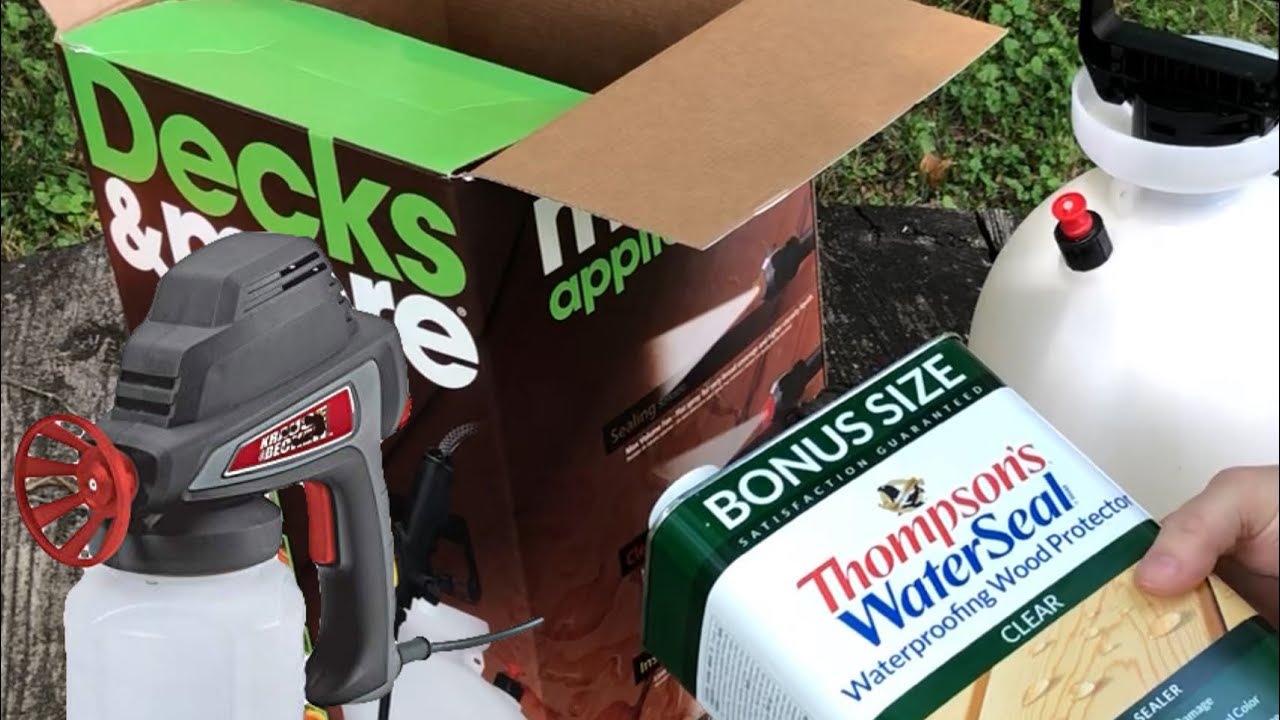
Credit: www.youtube.com
Expert Advice
Different sealers work in different ways. Water-based sealers are good for easy clean-up. Oil-based sealers offer long-lasting protection. Choose a sealer that suits your project. Understand the surface needs before sealing.
Sprayers can clog. Clean the sprayer regularly. Uneven coating can be a problem. Practice on scrap wood first. Too much sealer can cause pooling. Apply thin coats for best results.
Smooth application is key. Use steady hand movements with the sprayer. Keep a consistent distance from the surface. Overlap each pass slightly for even coverage. Test spray on cardboard to check flow.
Frequently Asked Questions
Can I Use A Sprayer To Apply Thompson’s Water Seal?
Yes, you can use a sprayer to apply Thompson’s Water Seal. Ensure it’s a pump-up sprayer for best results. Adjust the nozzle for even coverage. Clean the sprayer immediately after use to prevent clogging. Always follow the manufacturer’s instructions for optimal performance and safety.
Can You Put A Water Seal In A Sprayer?
Yes, you can use a sprayer for water sealants. Choose a sprayer designed for thicker liquids. Clean the sprayer thoroughly after use to prevent clogs. Ensure even application by maintaining consistent pressure and distance from the surface. Always follow the manufacturer’s instructions for the best results.
Can I Use A Paint Sprayer For Sealer?
Yes, you can use a paint sprayer for sealer application. Ensure the sprayer suits the sealer’s viscosity. Clean the equipment thoroughly after use to prevent clogs. Proper technique ensures even coverage and optimal results. Always follow manufacturer instructions for best practices.
Can You Apply Sealer With A Pump Sprayer?
Yes, you can apply sealer with a pump sprayer. Choose a sprayer designed for sealers to ensure smooth application. Ensure the sealer is compatible with the sprayer. Clean the sprayer thoroughly after use to prevent clogging. Always follow safety precautions and manufacturer’s instructions for optimal results.
Conclusion
Using a paint sprayer for water sealer can be effective. It saves time. Provides a smooth finish. Ensures even coverage. But check your sprayer’s compatibility first. Some sprayers aren’t suited for thicker sealers. Clean your sprayer thoroughly after use. This prevents clogs.
Practice spraying on scrap wood. This improves technique. Always wear protective gear. Safety comes first. Follow the manufacturer’s instructions. This ensures the best results. Consider your project’s needs. Decide if a sprayer is right for you. With proper care, a sprayer can be a great tool.
For sealing projects big or small.