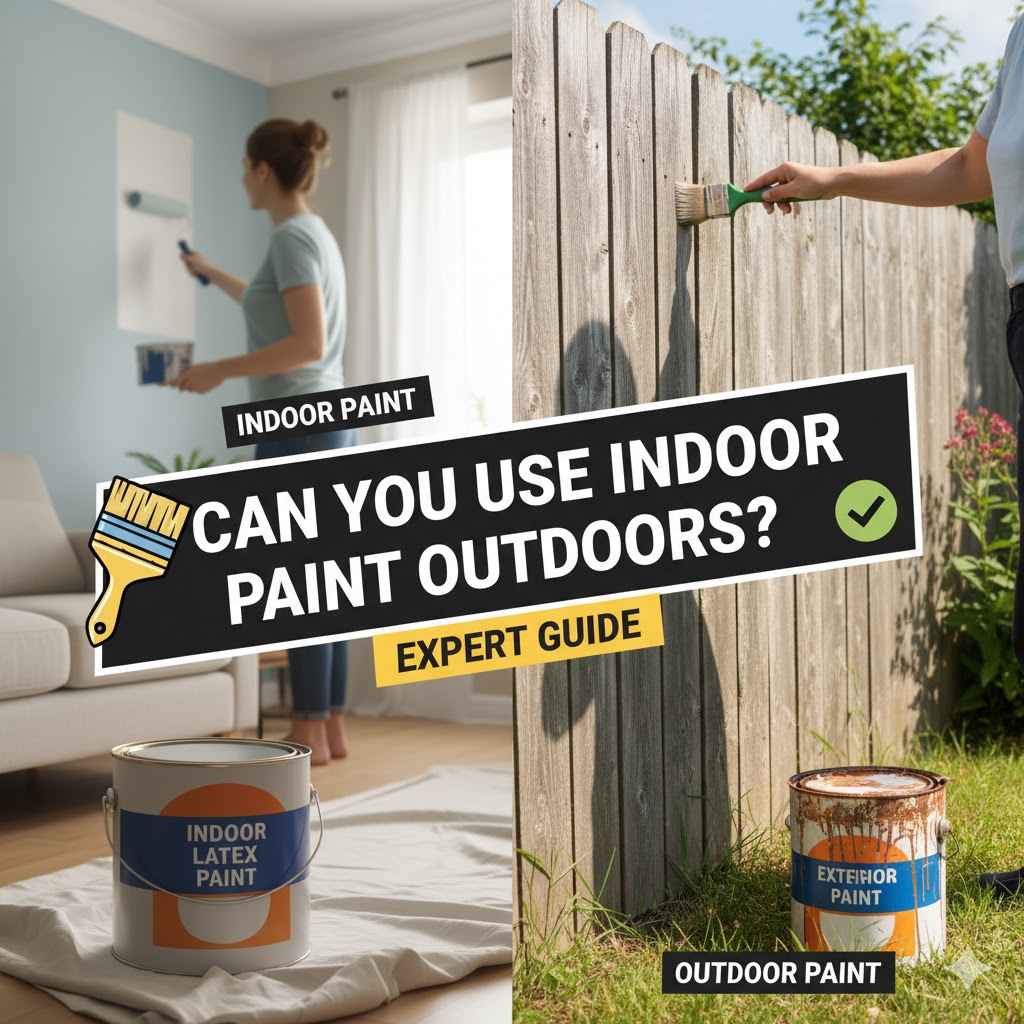
Can You Use Indoor Paint Outdoors Expert Guide
Many folks wonder, “Can you use indoor paint outdoors?” It’s a common question, especially for DIYers just starting out with projects. It can seem a bit tricky to know for sure. This guide breaks it all down simply.
We’ll show you exactly what you need to know to get your outdoor painting project right, step by step. We’ll cover the do’s and don’ts so you can be confident in your choices.
Outdoor Painting With Indoor Paint Expert Advice
This section is all about the core question: Can you use indoor paint outdoors? We’ll explore why this is such a popular question and the potential pitfalls of using the wrong type of paint. The key here is understanding the fundamental differences between paints designed for interior versus exterior use.
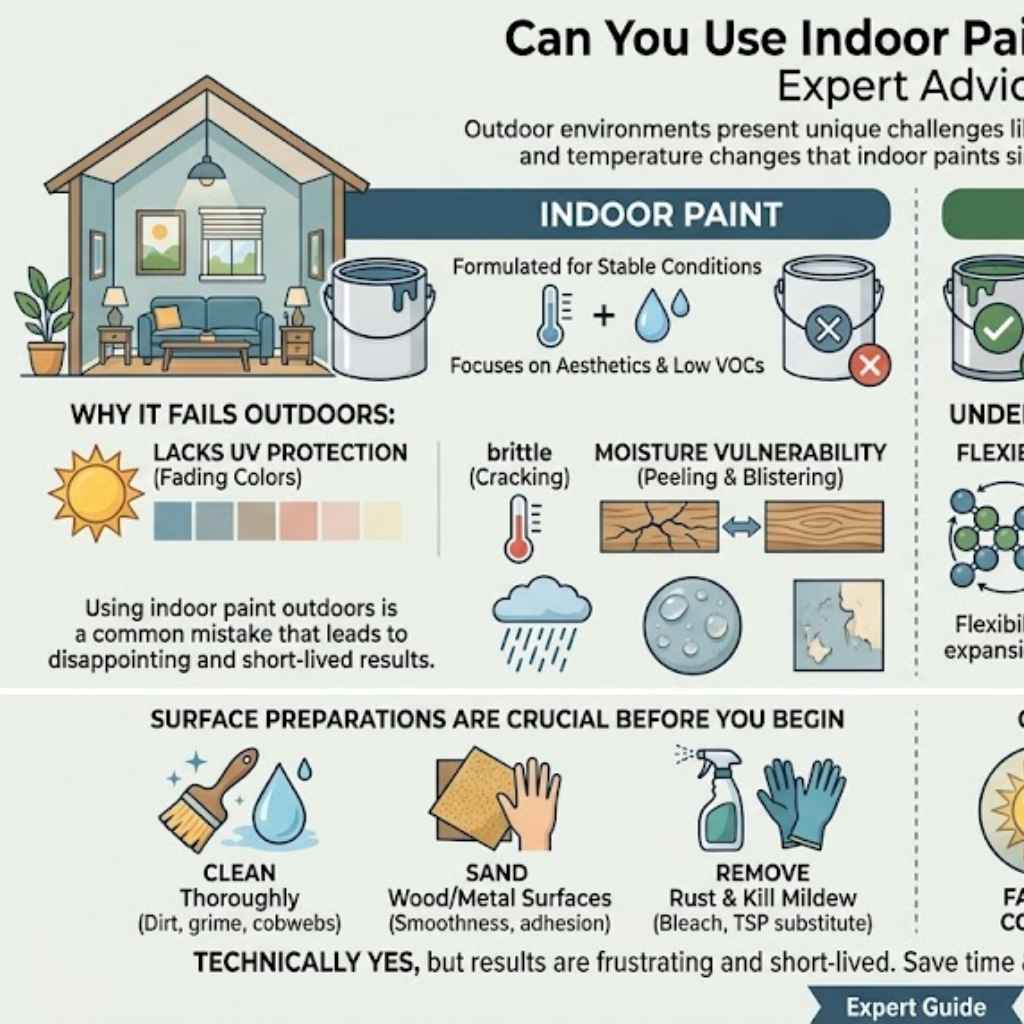
Outdoor environments present unique challenges like harsh weather, sun exposure, and temperature changes that indoor paints simply aren’t built to handle. We aim to give you clear, easy-to-understand answers to prevent common mistakes and ensure your projects last.
Why Indoor Paint Isn’t Meant for Outside
Indoor paints are formulated for stable conditions. They are made to look good on walls inside your home where temperature and moisture levels are controlled. They focus on things like low VOCs (Volatile Organic Compounds) for better air quality and easy cleanup.
They aren’t designed to withstand rain, snow, intense sun, or extreme cold.
Think about it this way: an indoor paint might peel or chip quickly when exposed to moisture. The sun can cause its color to fade much faster than a paint made for the outdoors. Also, indoor paints might not adhere well to surfaces that expand and contract with temperature changes, leading to cracks.
This is where the Can You Use Indoor Paint Outdoors? Expert Guide really becomes helpful. It’s designed to prevent you from wasting time and money on a project that won’t stand up to the elements.
We’ll make sure you know the right paint to pick for any outdoor surface.
Understanding Paint Formulations
Paint is basically made of four main ingredients: pigment, binder, liquid, and additives. The pigment gives the paint its color. The binder is like glue; it holds the pigment particles together and helps the paint stick to the surface.
The liquid, often water or a solvent, makes the paint spreadable. Additives are special ingredients that give paint specific properties, like mildew resistance or UV protection.
For outdoor paints, manufacturers add special binders and additives. These make the paint flexible enough to handle temperature swings without cracking. They also include UV blockers to prevent fading from sunlight and mildewcides to stop mold and algae growth in damp conditions.
These are the key differences that make outdoor paint perform so much better outside.
Indoor paint binders are usually softer and less resistant to moisture and UV rays. They are optimized for interior aesthetics and ease of use, not for fighting off the elements. This is why using indoor paint outdoors is generally not recommended for long-term success.
Surface Preparations Are Crucial
Before you even think about painting, preparing your outdoor surface is super important. This involves cleaning the area thoroughly. You need to get rid of any dirt, grime, cobwebs, or loose paint.
For surfaces like wood or metal, you might need to sand them down.
Rust on metal needs to be removed and treated. Mold or mildew must be killed and washed away. For wood, especially if it’s old, you might need to use a wood cleaner or even a stripper to get back to a good surface.
This step is vital because paint needs a clean, sound surface to stick to properly. Without good preparation, even the best outdoor paint won’t last.
Importance of Cleaning
- Removes dirt and debris. Dirt can prevent paint from adhering. It can also get mixed into your paint, making the finish look rough and uneven.
- Washing with a good cleaner, like TSP (trisodium phosphate) substitute or a dedicated deck cleaner, removes this grime effectively.
- Eliminates mildew and mold. These organisms can grow under paint, causing it to blister and peel. They also look unsightly.
- A bleach solution or a specialized mildew remover is needed to kill them completely.
- Gets rid of chalking. Older paint, especially on siding, can chalk as it breaks down. This powdery residue must be washed off, or new paint won’t stick.
A stiff brush and plenty of water can help with this.
Can You Use Indoor Paint Outdoors? The Risks
So, to directly answer the question: can you use indoor paint outdoors? Technically, yes, you can apply it. However, the results are usually disappointing and short-lived.
The biggest risk is that the paint will fail prematurely.
This means it could start to blister, peel, or crack within months, not years. Colors might fade rapidly due to sun exposure. You could also see issues with mold and mildew growth, especially in humid or shady areas.
This leads to more work and expense to fix the problem later.
The time and money spent on painting would be wasted. You’d have to remove the failing indoor paint and then repaint with the correct exterior product. This is a common mistake beginners make when trying to save a little money or if they simply don’t know the difference.
Common Issues with Indoor Paint Outdoors
- Fading Colors. Indoor paints use pigments that are not as resistant to ultraviolet (UV) rays from the sun. Prolonged exposure will cause the colors to become dull and washed out much faster than exterior paints designed to handle sunlight.
- Peeling and Blistering. Moisture is a major enemy of indoor paint outdoors. Rain, humidity, and even dew can seep into the paint film.
- This moisture gets trapped, causing the paint to bubble up (blister) and then peel away from the surface.
- Cracking. Outdoor surfaces, like wood or metal, expand and contract significantly with changes in temperature and humidity. Indoor paints are often more brittle.
- This inflexibility means they can crack as the surface moves, allowing water to penetrate.
- Mold and Mildew Growth. Outdoor environments are more prone to mold and mildew. Indoor paints typically lack the antifungal and antimicrobial additives found in exterior paints.
- This makes them a prime target for unsightly and damaging mold growth.
Exterior Paint vs. Interior Paint What’s the Difference
This section dives deep into the fundamental differences between paint designed for indoor use and paint formulated for outdoor applications. Understanding these distinctions is key to making informed decisions for your projects. We’ll break down the science behind these differences in a way that’s easy to grasp, so you can confidently choose the right product every time.
Binder Technology
The binder is the backbone of any paint. It’s the ingredient that dries and forms a film, holding the pigment together and attaching it to the surface. For interior paints, acrylic or vinyl acrylic binders are common.
They offer good adhesion, durability for light traffic, and are usually water-based for easy cleanup.
Exterior paints, however, use more advanced binder technologies. High-quality exterior acrylic latex binders are very popular. They are known for their flexibility, meaning they can expand and contract with temperature changes without cracking.
This flexibility is crucial for outdoor surfaces that are constantly exposed to fluctuating weather conditions.
Some premium exterior paints might use silicone or siloxane binders. These offer exceptional water resistance and breathability. Breathability allows moisture vapor from inside the substrate (like wood) to escape, preventing it from getting trapped and causing damage.
This is a feature rarely found or emphasized in interior paints.
Durability and Weather Resistance
Exterior paints are engineered to endure harsh conditions that interior paints cannot. This includes resistance to UV radiation, moisture, temperature fluctuations, and physical abrasion. The binders and additives in exterior paints provide a protective shield that can last for many years.
For example, exterior acrylic latex paints can withstand years of sun exposure without significant fading or chalking. They form a tough, flexible film that repels water, preventing rot in wood or rust in metal. They also resist the growth of mold and mildew, which are common problems outdoors.
Interior paints, by contrast, are designed for less demanding environments. They might be resistant to scrubbing for cleaning walls, but they are not built to handle the constant barrage of rain, snow, sun, and wind. Using them outside is like using a raincoat in a downpour; it might offer minimal protection for a short while, but it will ultimately fail.
Additives Make the Difference
Additives are specialty ingredients that give paint its unique properties. In exterior paints, these additives are crucial for performance. They include:
- Mildewcides and Fungicides: These chemicals prevent the growth of mold, mildew, and algae on the paint surface. This is especially important in humid climates or shaded areas.
- UV Absorbers and Stabilizers: These protect the paint film and the pigments from degradation caused by the sun’s ultraviolet rays, preventing fading and chalking.
- Biocides: These are broader-acting agents that protect the paint film from bacterial and fungal attack.
- Water Repellents: Some additives help the paint shed water more effectively, reducing moisture absorption.
Interior paints may have some additives for things like stain resistance or scrubbability, but they generally lack the robust protection against environmental factors that outdoor paints provide. This is why even a high-quality interior paint will likely underperform when used outside.
Comparing Interior and Exterior Paints
Here’s a simple table summarizing the key differences:
| Feature | Interior Paint | Exterior Paint |
|---|---|---|
| Binder Type | Standard Acrylic, Vinyl Acrylic | Flexible Acrylic Latex, Silicone/Siloxane |
| UV Resistance | Low | High |
| Moisture Resistance | Low | High |
| Flexibility | Moderate | High (resists cracking) |
| Mildew Resistance | Low or None | High (contains mildewcides) |
| Cost (per gallon) | Lower | Higher |
| Lifespan | Years (indoors) | 5-15+ years (outdoors) |
As you can see, exterior paints are built for a tougher job. They cost more because of the specialized ingredients and rigorous testing they undergo to ensure they perform well in the elements. Investing in the right exterior paint saves you money and hassle in the long run.
Applying Paint to Outdoor Surfaces
Now that we understand why specific paints are needed, let’s focus on how to apply them correctly. Proper application ensures that the paint performs as intended, offering protection and beauty to your outdoor structures. This section will cover the essential steps, from choosing the right day to the final touches.
Best Conditions for Painting Outdoors
Painting outdoors requires good weather. You want a day with moderate temperatures, low humidity, and no rain or strong winds. Most paint manufacturers recommend painting when the temperature is between 50°F (10°C) and 85°F (30°C).
Avoid painting in direct, hot sunlight, especially on dark surfaces. The surface can get too hot, causing the paint to dry too quickly. This can lead to lap marks and an uneven finish.
It’s also best to avoid painting when it’s very humid. High humidity slows down the drying and curing process, which can affect the paint’s durability.
Rain is an obvious no-go. You also want to avoid painting if rain is expected within 24-48 hours, as the paint needs time to dry properly. Strong winds can blow dust and debris onto the wet paint, ruining the finish.
So, choosing the right day is as important as choosing the right paint.
Ideal Weather Checklist
- Temperature: Between 50°F and 85°F (10°C to 30°C). Check the specific paint can for recommended ranges.
- Humidity: Below 50%. High humidity slows drying and can impact adhesion and finish.
- Sunlight: Avoid direct, hot sun. Paint in the shade or on a cloudy, mild day.
- Wind: Light breeze is okay, but avoid strong winds that can blow debris onto the wet paint.
- Precipitation: No rain expected for at least 24-48 hours after painting.
Application Methods
There are three main ways to apply paint outdoors: brushing, rolling, and spraying. Each method has its pros and cons, and the best choice often depends on the surface and the desired finish.
Brushing is versatile and good for detailed work, trim, and small areas. It allows for good control and helps work the paint into uneven surfaces. However, it can be slow for large areas.
Rolling is efficient for larger, flat surfaces like walls and fences. It provides a smooth, even finish relatively quickly. Using an extension pole can make rolling high or long areas much easier.
Spraying offers the fastest application and a very smooth, factory-like finish. It’s excellent for intricate surfaces or when you need to cover a lot of ground quickly. However, spraying requires more prep work to protect surrounding areas from overspray, and you need good technique to avoid drips and runs.
Tips for Each Method
- Brushing: Use a good quality brush appropriate for the type of paint (synthetic bristles for latex, natural for oil-based). Apply paint in smooth, even strokes, working in one direction. For cutting in edges, use a steady hand.
- Rolling: Use a roller cover with the correct nap for your surface (shorter nap for smooth surfaces, longer for textured). Load the roller evenly but don’t overload it. Apply in a consistent pattern, like “W” or “M” shapes, overlapping each stroke.
- Spraying: Thin the paint according to the manufacturer’s instructions if needed. Use overlapping spray passes at a consistent distance from the surface. Work in sections, and be sure to cover everything with an even coat.
Choosing the Right Tools
The quality of your tools significantly impacts the final result. Investing in good brushes, rollers, and spray equipment will make the job easier and produce a better finish.
For brushes, look for synthetic bristles for water-based (latex) paints and natural bristles for oil-based paints. Angled brushes are great for cutting in edges and corners.
Roller covers should match the surface texture. A short nap (1/4 to 3/8 inch) is good for smooth surfaces like metal or new wood. A medium nap (1/2 to 3/4 inch) works for textured surfaces like concrete or old wood.
A longer nap (1 inch or more) is for very rough surfaces.
If spraying, ensure your sprayer is appropriate for the type of paint you’re using and the size of your project. Disposable sprayers are good for small jobs, while airless or HVLP (high volume, low pressure) sprayers are better for larger areas.
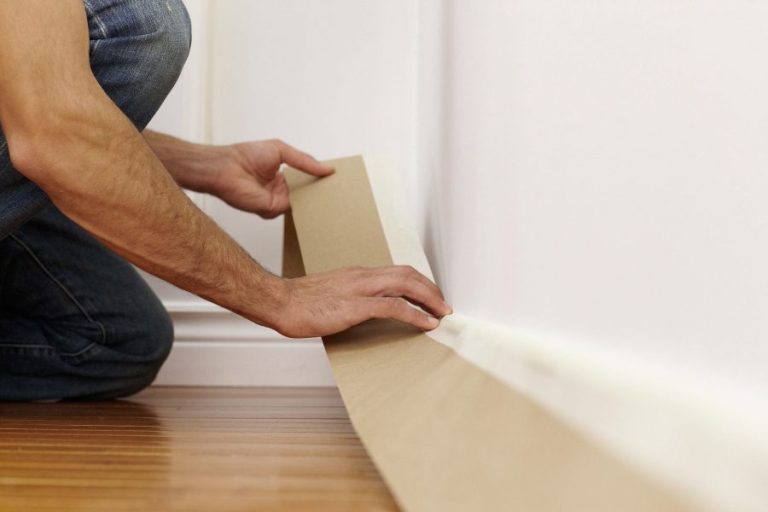
Don’t forget other essential tools like painter’s tape, drop cloths, sandpaper, a putty knife for scraping, and a ladder if needed. Proper tools save time and ensure a professional-looking finish.
Coating and Drying Times
Paint cans will list recoat times and dry times. These are important to follow. Dry time is how long it takes for the surface to feel dry to the touch.
Recoat time is how long you should wait before applying a second coat.
Curing time is different and takes much longer. Curing is when the paint reaches its maximum hardness and durability. This can take days or even weeks, depending on the paint and environmental conditions.
During the curing period, the paint film is still developing its full strength.
For exterior paints, it’s crucial to allow proper drying and recoating times. Applying a second coat too soon can trap solvents or moisture, weakening the paint film. Rushing the curing process can also make the paint more susceptible to damage from impact or weather.
Understanding Paint Timings
- Dry to Touch: This is when the paint is no longer wet. You can lightly touch it without it sticking to your finger. This is usually a few hours for latex paints.
- Recoat Time: This is the minimum time you must wait before applying another layer of paint. For latex exterior paints, this is often 2-4 hours in ideal conditions.
- Full Cure Time: This is when the paint film reaches its ultimate hardness and resistance. This can range from 7 to 30 days. During this time, be gentle with the painted surface, avoiding heavy cleaning or impact.
Following these timings ensures the paint film develops properly, providing the best protection and longevity for your outdoor surfaces.
When Can Indoor Paint Be Used Outdoors? Limited Cases
While the general rule is not to use indoor paint outdoors, there are a few very specific, limited situations where it might be considered. These scenarios typically involve minimal exposure to the elements or temporary applications. This section explores these exceptions, but with strong caveats.
Temporary Structures or Displays
If you’re painting something that will only be outside for a very short time, like a temporary parade float or a set for a short play, indoor paint might be acceptable. These items are not exposed to prolonged weather. The goal is usually appearance for a limited duration.
For instance, a birthday banner hung outside for a single afternoon might be painted with indoor paint. The paint is not expected to endure rain or continuous sun. Its purpose is visual impact for a specific event.
Once the event is over, the item might be stored indoors or discarded.
However, even in these cases, it’s wise to consider the forecast. If there’s a chance of unexpected rain, your indoor paint project could be ruined. Using a paint with some level of outdoor protection, even if not a full exterior grade, would be safer.
Protected Areas with Minimal Exposure
There are outdoor areas that are significantly shielded from direct weather. For example, a covered porch ceiling that rarely sees direct rain or harsh sun might, in a pinch, be painted with an interior paint that has good moisture resistance.
Another example could be the inside of a sturdy, well-protected shed that has a solid roof and walls. If the paint isn’t exposed to condensation or frequent openings and closings that let in weather, an interior paint might hold up for a while. However, this still carries risks.
Even in these “protected” areas, temperature swings and indirect moisture can still cause problems over time. The binder in indoor paint may not flex enough, leading to hairline cracks as the temperature changes. Condensation can still form and cause issues.
Therefore, this is not ideal and should be seen as a last resort.
Painting Over Existing Indoor Paint Outdoors
If you already have indoor paint on an outdoor surface and it’s in good condition, you might be able to paint over it with exterior paint. The key here is that the existing paint layer is sound and well-adhered.
You would still need to clean the surface thoroughly and potentially prime it with an exterior primer. The primer will help the new exterior paint adhere properly and provide a better base. This approach leverages the existing, sound layer of paint while ensuring the new coating offers outdoor protection.
However, if the existing indoor paint is already showing signs of wear, like peeling or cracking, it must be removed before applying any new paint. Painting over failing paint will only lead to the new paint failing as well.
The “Good Enough” Approach (Not Recommended)
Some people might try to use indoor paint outdoors because they believe it’s “good enough” or they want to use up leftover paint. This is rarely a good long-term strategy.
The lifespan of indoor paint used outdoors is drastically reduced. What might last for years outdoors with the right paint could fail in a single season with indoor paint. This means more frequent touch-ups, more money spent on paint, and more labor to correct the issues.
It’s a classic case of “buy cheap, buy twice.” For any exterior project that you want to look good and last, using paint specifically designed for outdoor use is the only sensible option. The Can You Use Indoor Paint Outdoors? Expert Guide strongly advises against this shortcut for any project you care about.
Protecting Your Investment With Exterior Paint
The purpose of this section is to reinforce why choosing dedicated exterior paint is the smart move. We’ll cover the benefits of using the right product and how it protects your home or outdoor structures. This is about making sure your hard work pays off with lasting results.
Long-Term Durability and Appearance
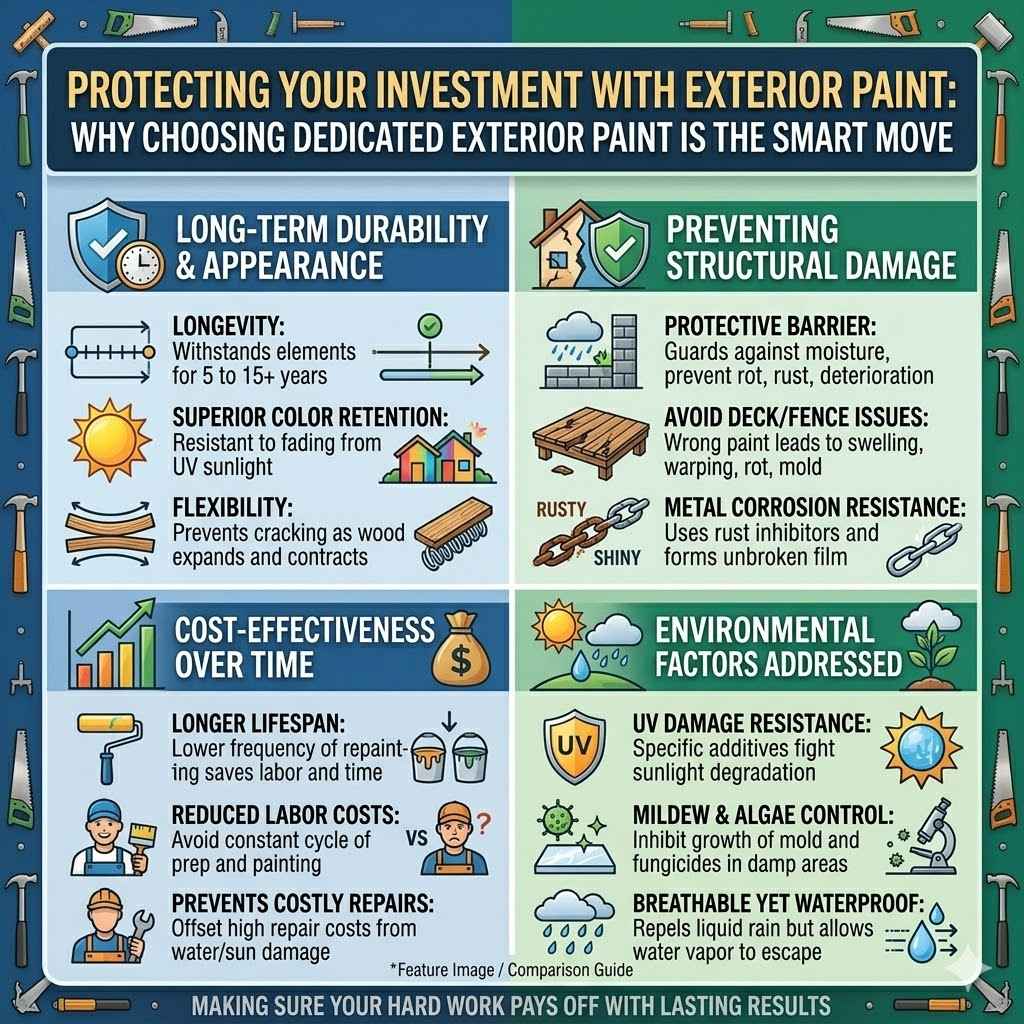
Exterior paints are formulated for longevity. They are designed to withstand the elements for many years, typically offering a lifespan of 5 to 15 years or more, depending on the quality of the paint and the conditions. This means your paint job will continue to look good and provide protection for a long time.
The color retention is superior in exterior paints. They use pigments that are resistant to fading from sunlight. This ensures that your house, fence, or deck maintains its vibrant color for years, rather than becoming dull and chalky after just one or two seasons.
The flexibility of exterior paint also prevents cracking. As wood expands and contracts with humidity and temperature changes, flexible paint moves with it. This maintains an unbroken protective film, preventing water from getting underneath and causing damage.
Preventing Structural Damage
Paint is more than just decoration; it’s a protective barrier. For outdoor structures, this barrier is critical. Exterior paint protects surfaces from moisture, which can lead to rot in wood, rust in metal, and deterioration of other materials.
For example, painting a wooden deck or fence with the wrong paint allows water to penetrate. This leads to the wood absorbing moisture, which can cause it to swell, warp, and eventually rot. Mold and mildew can also thrive in damp wood, further degrading its integrity.
Similarly, on metal surfaces, moisture trapped under paint can cause rust. If the paint is not flexible, cracks can form, exposing the metal to the elements and accelerating corrosion. Using a high-quality exterior paint with rust inhibitors and good adhesion prevents these costly structural problems.
Cost-Effectiveness Over Time
While exterior paint typically costs more per gallon than interior paint, it is far more cost-effective in the long run. The extended lifespan means you won’t have to repaint as frequently.
Repainting is a labor-intensive and time-consuming task. If you use indoor paint outdoors, you might find yourself needing to repaint every 1-3 years. This constant cycle of prep work, painting, and cleanup adds up in both time and money.
An exterior paint job that lasts 10 years means you only paint once a decade. The initial higher cost is easily offset by the reduced frequency of repainting and the prevention of costly repairs due to paint failure. This is why the Can You Use Indoor Paint Outdoors?
Expert Guide emphasizes making the right choice upfront.
Environmental Factors Addressed
Exterior paints are specifically formulated to combat environmental challenges. They contain additives that resist UV damage, preventing premature fading and chalking caused by sunlight exposure.
They also include mildewcides and fungicides to inhibit the growth of mold and algae, which thrive in damp outdoor conditions. This keeps surfaces looking cleaner and prevents them from becoming slippery or damaged by organic growth.
Furthermore, exterior paints are designed to be breathable yet waterproof. They allow water vapor to escape from the substrate, preventing it from getting trapped and causing damage. At the same time, they form a barrier that repels liquid water from rain and snow.
Frequently Asked Questions
Question: Can I use leftover interior paint for a small outdoor project?
Answer: While you might be tempted to use leftover interior paint for a small outdoor project, it’s generally not recommended. Indoor paint lacks the UV resistance, flexibility, and moisture protection needed for outdoor conditions. It will likely fade quickly, peel, or crack, leading to a shorter lifespan and a need for repainting sooner rather than later.
It’s best to invest in exterior paint, even for small jobs, to ensure durability and a good finish.
Question: How long does exterior paint typically last outdoors?
Answer: The lifespan of exterior paint varies depending on the quality of the paint, the surface preparation, the climate, and the amount of exposure to the elements. However, a good quality exterior paint job can typically last anywhere from 5 to 15 years. Premium exterior paints with advanced formulations can sometimes last even longer.
Question: Will painting my fence with indoor paint void its warranty?
Answer: Using indoor paint on an outdoor structure like a fence may not directly void a warranty, but it can lead to premature failure. If the paint fails due to it not being rated for exterior use, the manufacturer of the fence might not cover damages caused by moisture intrusion or material degradation that the paint should have prevented. Always check the terms of your warranty.
Question: Is it safe to paint my outdoor furniture with indoor paint?
Answer: Painting outdoor furniture with indoor paint is generally not advisable for long-term use. Outdoor furniture is exposed to direct sunlight, rain, and temperature fluctuations, which indoor paint cannot withstand. It will likely fade, chip, and peel quickly, diminishing the furniture’s appearance and protective qualities.
Exterior paints are designed for these conditions and will offer much better durability.
Question: What’s the most important difference between indoor and outdoor paint?
Answer: The most important difference lies in their formulation and resistance to environmental factors. Exterior paints contain specialized binders and additives that provide superior resistance to UV rays, moisture, extreme temperatures, and mildew. Indoor paints are formulated for stable indoor conditions and lack these protective qualities, making them unsuitable for outdoor use where they will be exposed to the elements.
Conclusion
Understanding Can You Use Indoor Paint Outdoors? Expert Guide reveals that while technically possible, it’s a decision with significant downsides. Indoor paint lacks the necessary durability and resistance to weather, sun, and moisture.
Using it outdoors leads to rapid fading, peeling, and structural damage. Always choose paints specifically designed for exterior use to protect your investment and ensure a lasting, beautiful finish.