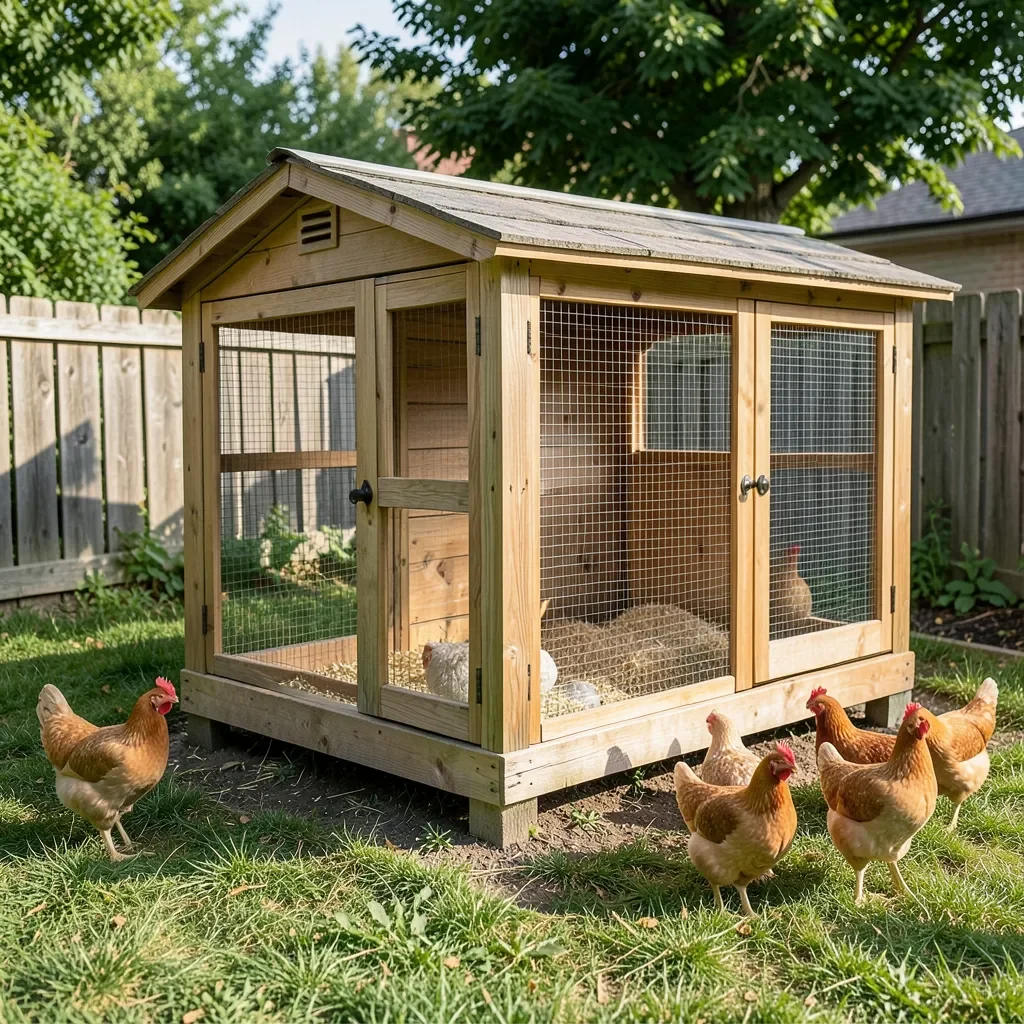
Can You Use Pressure-Treated Wood for a Chicken Coop?
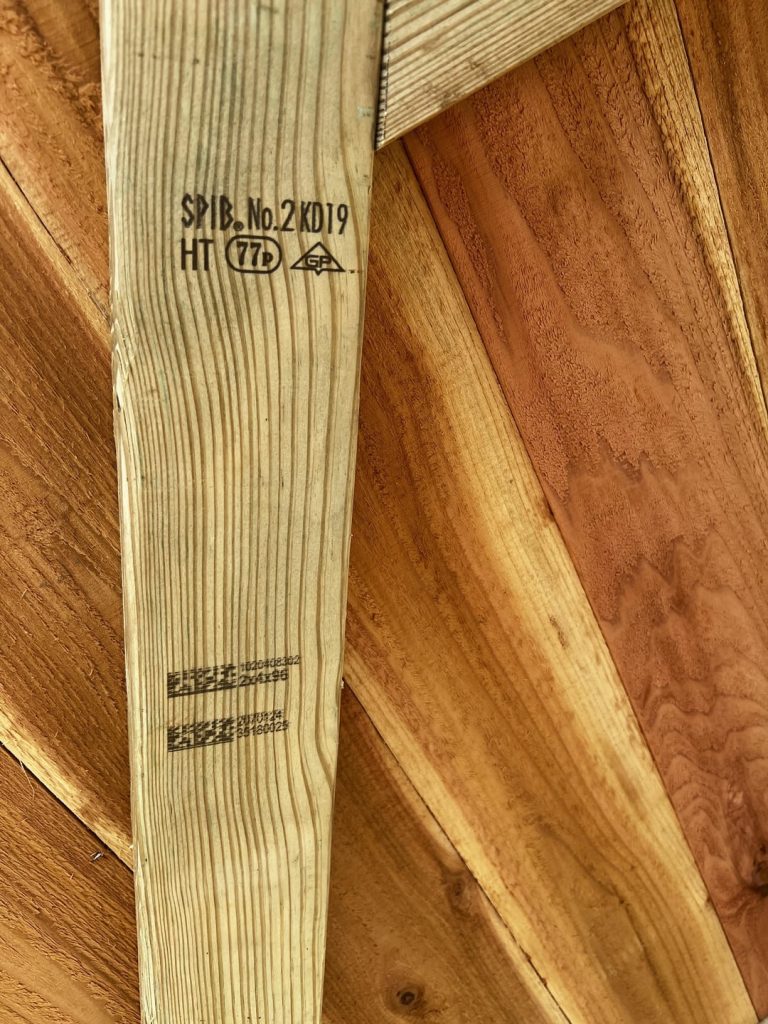
Modern pressure-treated wood (ACQ or MCA copper-based treatment) is generally considered safe for a chicken coop’s frame and exterior structure, but most agricultural extension services still recommend avoiding it for surfaces chickens directly peck at or where nesting material contacts bare treated wood, since chickens can ingest small amounts of treated wood fiber while pecking or dust-bathing.
Old CCA-Treated Wood Is a Real Concern
Best Untreated Wood Sealer for Nesting Boxes
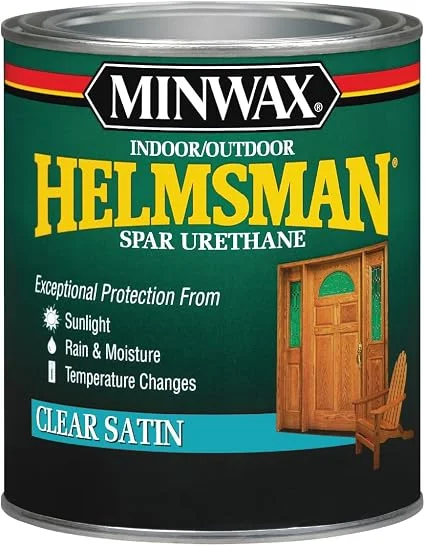 |
Minwax Helmsman Spar Urethane – $23.49 Sealing untreated cedar nesting boxes and roosting bars extends their life without introducing any preservative chemical into a space where chickens have direct contact.
|
Chromated copper arsenate (CCA), the older treatment type, was banned for most residential and agricultural uses in the U.S. in 2003 specifically due to arsenic exposure concerns – if you’re reusing old lumber of unknown origin for a coop, confirm it isn’t older CCA-treated stock, which is a genuinely different and more concerning chemical profile than modern copper-based treatments. New lumber sold today uses ACQ or MCA, both arsenic-free.
Where to Use Treated Wood in a Coop
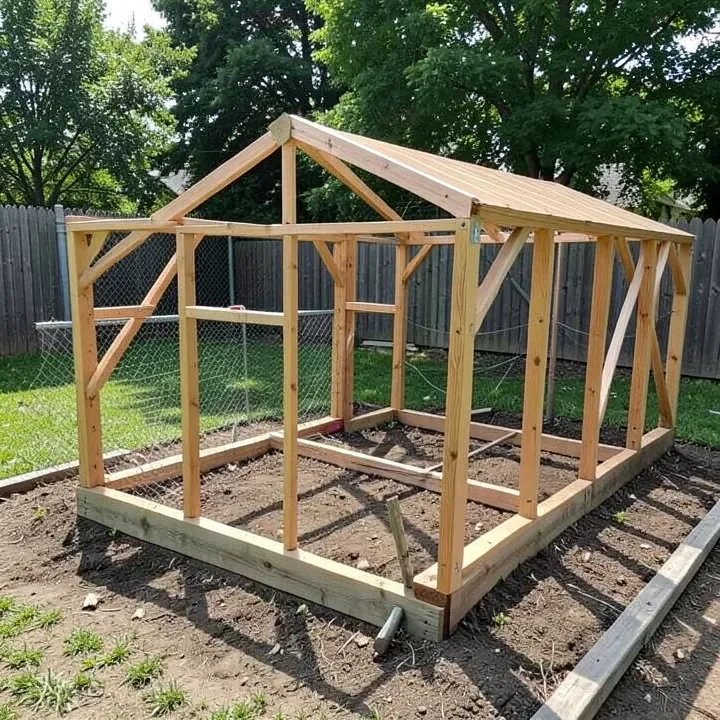
Ground-contact framing, the base, and any structural post that touches soil are the best uses for pressure-treated lumber in a coop – these are the parts most exposed to rot and moisture, and where treated wood’s durability genuinely matters. Sealing exposed treated wood with a water-based sealant adds an extra margin against direct contact for these structural areas.
Where to Avoid It
Nesting boxes, roosting bars, and any interior surface birds directly contact, peck at, or that touches bedding material are better built from untreated cedar or pine – cedar’s natural rot resistance covers most of the durability need in these lower-moisture-exposure areas without introducing any preservative chemical into a space where chickens spend the most direct contact time.
Does This Affect Egg Safety?
No documented case links properly used modern ACQ-treated coop framing to unsafe eggs – the actual exposure pathway of concern is direct pecking or dust-bathing contact with treated wood surfaces, not indirect proximity. Following the placement guidance above (treated wood for structure, untreated wood where birds directly contact surfaces) addresses the realistic risk without requiring avoiding treated lumber in the coop build entirely.
Painting or Sealing as an Extra Precaution
For anyone wanting extra reassurance, painting or sealing treated wood surfaces that birds might reach reduces direct fiber contact further – use a water-based, low-VOC exterior sealant rather than an oil-based product, and let it cure fully (check the product’s stated cure time) before introducing birds to the coop.
Frequently Asked Questions
Is pressure-treated wood safe for chicken coops?
Generally yes for structural framing using modern ACQ or MCA treatment, but avoid it for nesting boxes, roosting bars, and other surfaces chickens directly peck at or bed against.
Can old pressure-treated wood be dangerous for chickens?
Yes, if it’s older CCA-treated lumber (banned for residential use in 2003) containing arsenic – confirm the source of any reused treated wood before using it in a coop.
What wood should nesting boxes be made from instead?
Untreated cedar or pine – cedar’s natural rot resistance covers the durability need in lower-moisture areas without introducing any preservative chemical where birds have the most direct contact.
Sponsored / affiliate links. As an Amazon Associate I earn from qualifying purchases. I may earn additional commission from eligible campaigns.