Cedar Chest Paint Ideas: Stylish Makeovers for a Fresh Look
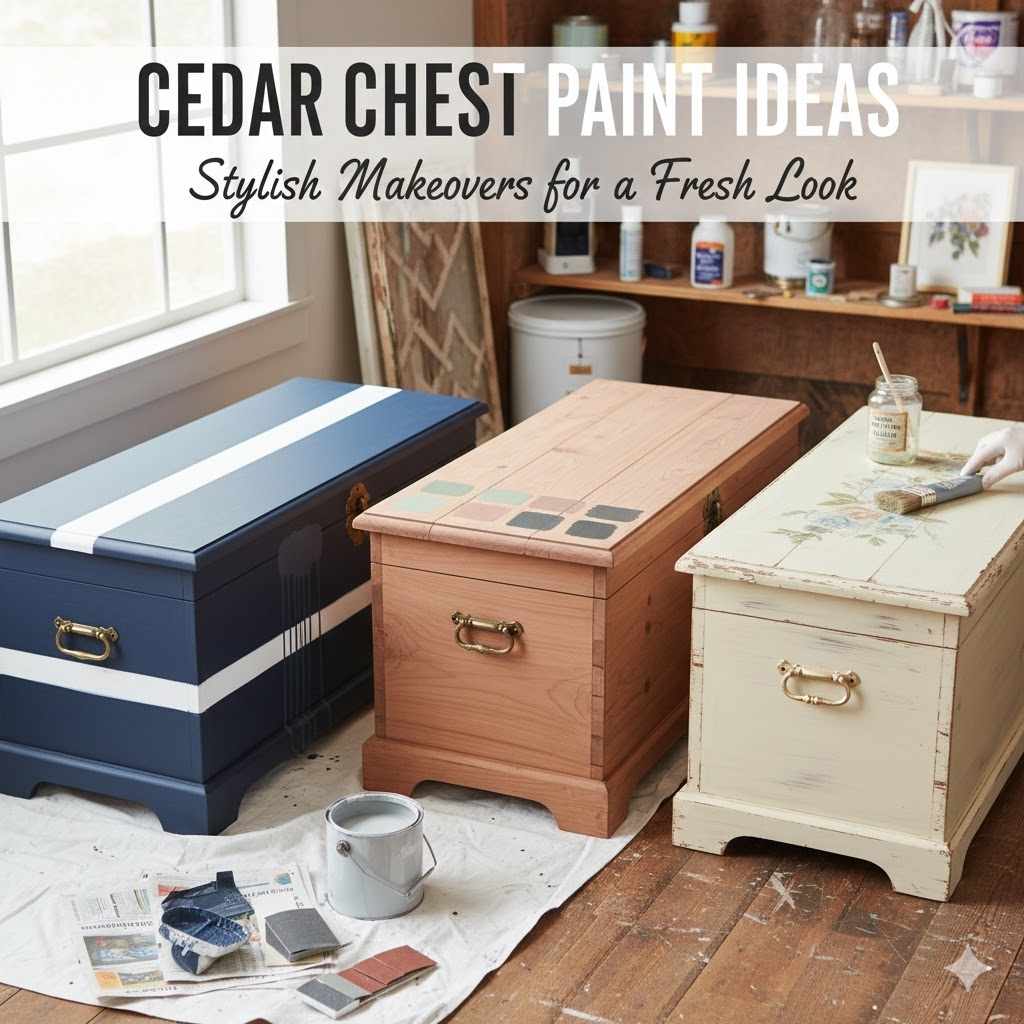
Painting a piece of furniture like a Cedar Chest Paint Ideas: Stylish Makeovers might seem tough at first. Many people think it’s tricky because they worry about choosing the right paint, prepping the wood, and getting a smooth finish. Don’t worry, though! It’s easier than you think, and we’ll show you exactly how to do it. We’ll break down everything step by step so you can give your cedar chest a beautiful new look. Let’s get started!
Choosing the Perfect Paint for Your Cedar Chest
Selecting the right paint is the first important step when considering Cedar Chest Paint Ideas: Stylish Makeovers. The type of paint you select will greatly affect the final appearance, durability, and how easy it is to apply. Considering the material of your cedar chest, its age, and where it will be placed are all essential. These factors help determine which paint type offers the best results. Let’s explore several paint options available, including their pros and cons. We will also discuss the importance of considering color palettes and finishes to achieve the desired aesthetic.
Acrylic Paint Options
Acrylic paints are water-based and very popular for furniture projects. They offer a great balance of ease of use and durability. They are known for their quick drying time and low odor, making them simple for indoor use. Acrylic paints come in various finishes, from matte to gloss, allowing for many style possibilities. They are simple to clean up with soap and water. Acrylic paints also have good adhesion, though sometimes a primer may be needed for specific wood surfaces. However, they may not be as durable as oil-based paints, especially in high-traffic areas. Additionally, the final finish may require a topcoat for added protection.
- Acrylic Latex Paint: It is water-based and ideal for various surfaces, offering good coverage and durability. It is simple to clean up, with low VOCs, and is typically available in many colors and finishes.
- Chalk Paint: This is a specialty acrylic paint that requires no sanding or priming. It is known for its matte finish, which gives a vintage or distressed look. It adheres well to many surfaces and is great for beginners.
- Acrylic Enamel: Acrylic enamel paints combine the ease of acrylics with enhanced durability and resistance to wear and tear. They are good for surfaces that get a lot of use. They may require some extra dry time.
Oil-Based Paint Considerations
Oil-based paints give a durable, hard-wearing finish, ideal for cedar chests that will experience frequent use. They offer excellent coverage and flow, creating a smooth, leveled surface. They’re excellent at resisting scratches and marks. Oil-based paints are generally more complicated to apply than acrylics. They have a longer drying time and a strong odor. Proper ventilation is vital when applying. Oil-based paints require solvents like mineral spirits for cleaning, and they can yellow over time. However, their durability and the quality of their finish often make them the top choice for furniture that needs to last for years.
- Durability: Oil-based paints create a strong, durable film that resists scratches, scuffs, and impacts.
- Leveling: They flow out smoothly, which helps minimize brush marks and create a leveled finish.
- Resistance: They are resistant to stains and moisture, making them suitable for areas that experience moisture.
Specialty Paint Options
Specialty paints offer unique effects for a cedar chest makeover. These paints can add texture, shine, or special visual features to your piece. Choosing the correct specialty paint will depend on the final look you’re trying to achieve. These paints usually require specific application techniques and may not be suitable for beginners. Always follow the manufacturer’s directions for the best outcomes. Let’s delve into a few of the most popular choices.
- Metallic Paint: Metallic paints contain tiny particles of metal, creating a shimmering or reflective finish. They can be water-based or oil-based. They are perfect for adding a touch of glamour to your cedar chest.
- Glaze: Glazes are translucent coatings that add depth and dimension when applied over other paint layers. They are ideal for creating a layered, artistic look or a distressed finish.
- Milk Paint: Milk paint is a powder-based paint made from milk protein (casein), lime, and pigments. It provides a flat, matte finish and is known for its vintage look. It is eco-friendly and simple to use.
Preparing Your Cedar Chest for Painting
Proper preparation is key to a successful Cedar Chest Paint Ideas: Stylish Makeovers project. The most appealing paint job will fail if the surface isn’t properly prepped. Preparing your cedar chest is an essential part of the process. It is important to create a clean, smooth surface for the paint to adhere to. This involves several steps, from cleaning to sanding. Let’s explore each step in detail.
Cleaning and Inspection
The first step is a thorough cleaning of your cedar chest. It is essential to remove dust, dirt, and any existing grime or residue. Use a mild soap and water solution to wash the entire surface. This removes any loose debris that could affect paint adhesion. After cleaning, let the chest dry completely. Next, inspect the chest for any damages, such as scratches, dents, or loose hardware. These should be addressed before moving on. Make any necessary repairs at this stage, such as filling holes or tightening screws.
- Inspect the surface: Look for any imperfections, like scratches, dents, or peeling finish, that will need to be addressed.
- Repair damages: Fill any holes or dents with wood filler and let it dry. Sand the filler to blend it with the surface.
- Remove hardware: Remove all hardware like handles, hinges, and locks. This will help you paint the surface evenly and make it easier to prep the chest.
Sanding and Priming for the Best Finish
Sanding is a vital step in preparing a cedar chest for painting. Sanding helps to create a slightly rough surface. This surface is ideal for paint adhesion. You’ll want to sand any existing finish smooth. Start with medium-grit sandpaper (around 120-150 grit) to remove any old paint or varnish. Then, switch to fine-grit sandpaper (220 grit) to smooth the surface. Sanding helps the new paint adhere to the surface better. After sanding, wipe away all dust with a tack cloth or a damp cloth. A primer is an important layer. It seals the wood, creates a uniform surface, and improves paint adhesion. It’s especially useful if your cedar chest has knots or dark spots that could show through the paint. Apply the primer evenly, and let it dry. Then, lightly sand the primed surface. Wipe away any dust before painting.
- Sanding Techniques: Always sand in the direction of the wood grain.
- Choosing the Right Grit: Start with a medium grit for removing the old finish. Then use a fine grit to smooth the surface.
- Priming: Select a primer based on the type of paint you will be using.
Applying the Primer
Applying primer is often a key step in getting a smooth, professional paint job for your cedar chest. The primer creates a good base for the paint to stick to. It also helps the paint’s color be true and even. Before starting, make sure your work area is clean and well-ventilated. The first step is to stir the primer thoroughly. Using a brush or a roller, apply a thin, even layer of primer to the entire surface. Avoid drips and runs. Let it dry completely. Then, lightly sand the primed surface with fine-grit sandpaper to remove any roughness. Wipe away the dust before moving to the next step. Let’s look at a few extra details.
- Coverage: The primer will help the paint go on more evenly and make the color look richer.
- Adhesion: It creates a better surface for the paint to stick to. This means your paint will last longer and be more resistant to scratches.
- Sealing: It seals the wood to stop any stains or odors from the cedar from coming through the paint.
Cedar Chest Paint Ideas: Stylish Makeovers and Color Selection
The selection of the right color scheme is essential when considering Cedar Chest Paint Ideas: Stylish Makeovers. The right color choice can make a huge impact on the overall look of your cedar chest, transforming it from a simple piece of furniture to a focal point. You’ll want a color that complements your existing decor. Consider the size of the room, the amount of light it gets, and your personal taste. This guide will help you consider various factors, from understanding color theory to looking at specific color palettes. It will also offer advice on how to choose the right finish for your paint.
Understanding Color Theory
Understanding color theory helps you select colors that work well together. The color wheel is a useful tool. It displays primary colors (red, yellow, blue), secondary colors (green, orange, violet), and tertiary colors (combinations of primary and secondary colors). Use the color wheel to help you create a color palette. For example, complementary colors, which are opposite each other on the wheel (like blue and orange), create a high-contrast look. Analogous colors (colors next to each other, such as blue, blue-green, and green) create a more harmonious look. The use of warm and cool tones is another essential aspect of color theory. Warm colors (red, orange, yellow) often make a room feel cozy and inviting. Cool colors (blue, green, purple) can create a sense of calm and spaciousness. Think about the mood you want to create and select colors that will achieve that effect.
- Monochromatic: This involves using different shades and tints of a single color. It is simple to do and gives a unified look.
- Analogous: Choosing colors next to each other on the color wheel creates a calm and harmonious look.
- Complementary: Using colors that are opposite each other gives you a bold, high-contrast look.
Popular Paint Color Choices
Several colors have gained popularity for furniture makeovers. These colors can transform a cedar chest and work well with many interior styles. Here’s a rundown of current favorites. First, consider neutral colors. Neutrals, such as white, gray, and beige, are popular due to their versatility. They provide a simple background that can match any interior style. These colors also brighten up a room and help create a sense of space. Next, consider soft pastels. Soft pastels, such as pale blues, greens, and pinks, offer a gentle, calming vibe. They fit in well with rooms that have a delicate, romantic design. For a modern, stylish look, consider bold colors. Colors like navy blue, deep teal, and even black can add drama to your cedar chest. They make a strong visual statement. Lastly, look at vintage-inspired colors. These colors, like sage green or dusty rose, fit well with vintage and retro decor styles.
- White: White is timeless and versatile, offering a fresh, clean look that brightens a room.
- Gray: Gray comes in many shades, from light to dark, adding a sleek and modern vibe to a space.
- Navy: Navy brings a rich and sophisticated look, making a strong statement in any room.
Paint Finishes and Effects
Choosing the correct paint finish can significantly influence the overall look of your cedar chest. The finish you choose will affect the way light is reflected and how durable the paint will be. Understanding the effects of different finishes is essential for achieving the look you desire. Matte finishes have a non-reflective surface, which hides imperfections well. They are great for creating a soft, casual style. Satin finishes offer a little shine and are simple to clean. They are a good option for furniture that will be used frequently. Semi-gloss finishes are more durable and reflect more light. They are useful for areas with high traffic. High-gloss finishes have a reflective surface. They create a sleek, contemporary style but may show imperfections. Let’s delve into different paint effects.
- Matte: It offers a non-reflective surface, hiding any imperfections for a softer look.
- Satin: A satin finish is easy to clean. It provides a touch of shine, offering a balance of beauty and functionality.
- Semi-Gloss: It reflects more light and offers increased durability for high-use areas.
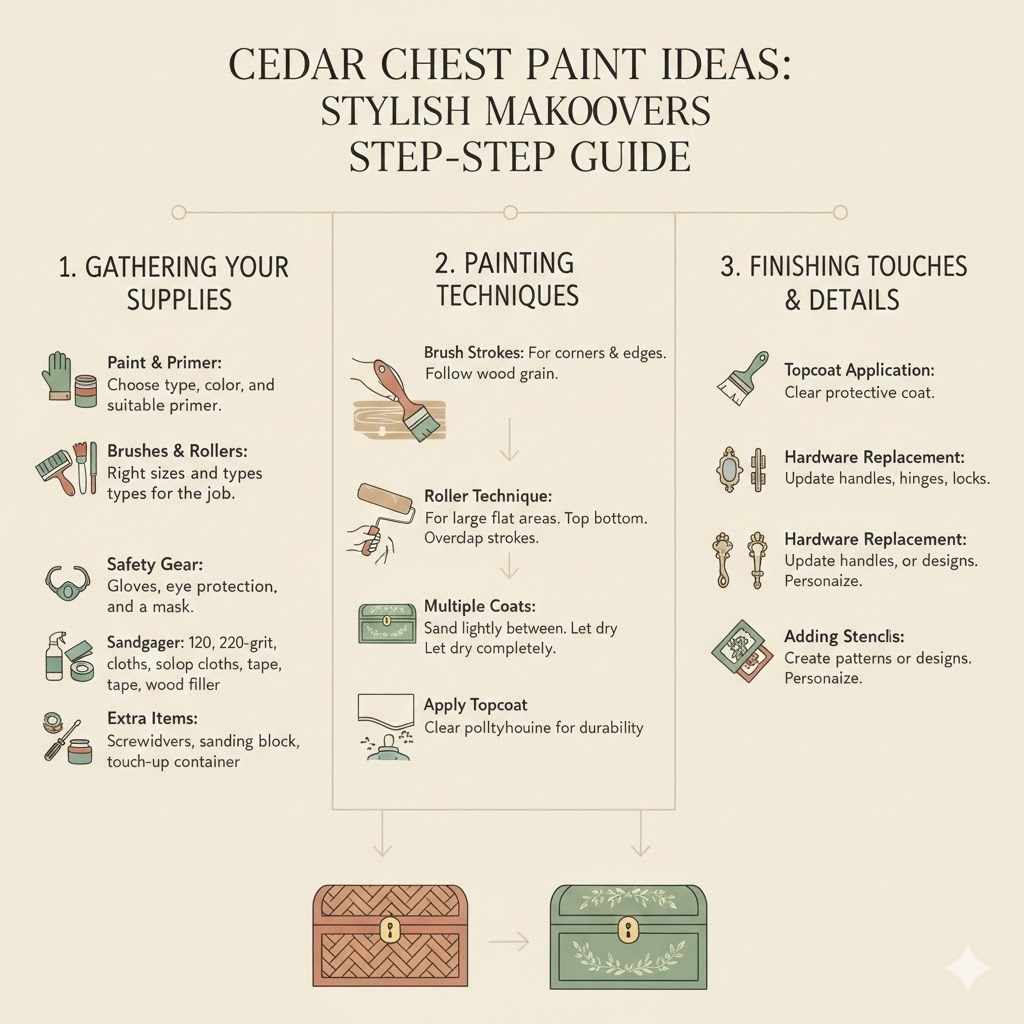
Cedar Chest Paint Ideas: Stylish Makeovers Step-by-Step Guide
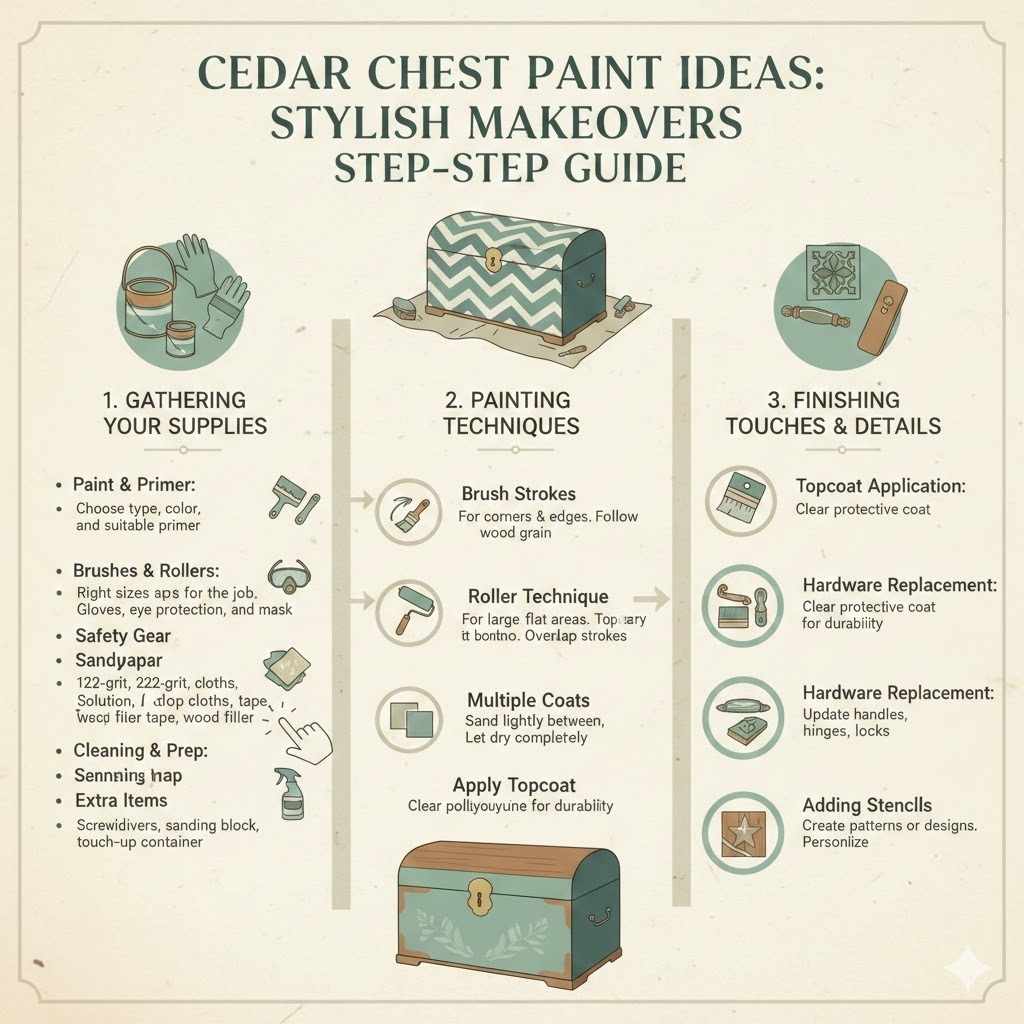
Embarking on Cedar Chest Paint Ideas: Stylish Makeovers may feel challenging, but it can be a simple project by following a step-by-step guide. This section provides a detailed breakdown of the painting process, ensuring a smooth and successful makeover. With clear instructions, you’ll be able to transform your cedar chest with confidence. Let’s explore each phase of the project, from gathering supplies to applying the final coats of paint.
Gathering Your Supplies
Having all the required supplies ready before you start your project is essential for a simple process. It prevents you from having to stop in the middle of a step to locate an item. Here is a list of supplies you’ll want to gather. First, paint: Choose your preferred paint type, color, and finish. Then, primer: Select a high-quality primer appropriate for your paint. Sandpaper: Have a variety of grits, such as 120-grit, 220-grit, and fine-grit sanding sponges. Painting tools: Brushes or rollers, depending on your paint, along with paint trays, liners, and stir sticks. Cleaning and preparation supplies: Cleaning solution, tack cloths, drop cloths, painter’s tape, wood filler, and putty knife, if needed. Safety gear: Protective gloves, eye protection, and a mask to protect you from fumes. Extra items: Screwdrivers or tools to remove hardware, a sanding block, and a small container for touch-ups. Gather these tools before you start, and you will be well-prepared.
- Paint and Primer: Choose the correct type and color of paint and a suitable primer.
- Brushes and Rollers: Get the right sizes and types of brushes and rollers.
- Safety Gear: Ensure you have gloves, eye protection, and a mask for safety.
Painting Techniques
Applying the paint correctly is vital for getting a smooth, professional finish. Here’s a helpful guide to some painting techniques. First, use a brush for detailed areas like corners, edges, and trim. Apply paint in even, smooth strokes, following the wood grain. For the main surfaces, use a roller. Pour paint into the tray and load the roller. Roll the roller evenly, starting at the top and working downward. Apply the paint in a consistent manner. Overlap each stroke to guarantee even coverage. Avoid using too much paint, as it can cause drips and unevenness. Let the first coat dry completely, usually as directed on the paint container. Lightly sand the surface with fine-grit sandpaper to remove any minor imperfections. Wipe away the dust with a tack cloth. Apply a second coat of paint. This will provide richer color and better protection. Allow it to dry completely. For a distressed look, lightly sand the edges and corners after the paint dries to expose some of the original wood. Finally, apply a topcoat for extra protection. A clear polyurethane topcoat will help make the finish more durable.
- Brush Strokes: Always apply paint in the direction of the wood grain.
- Roller Technique: Use a roller for large, flat areas. Always work from top to bottom.
- Multiple Coats: Usually, two coats of paint are needed. Let the paint dry completely between coats.
Finishing Touches and Adding Details
Finishing touches can help transform a simple paint job into something really special. Adding details and special effects can give your cedar chest a unique, personalized look. After the final coat of paint has dried completely, there are a few options. First, consider adding a topcoat. Applying a clear protective topcoat, such as polyurethane, will increase durability and provide a smooth, professional look. Next, reattach any hardware. Once the paint is dry, carefully reattach all hardware, such as handles, hinges, and locks. If desired, you can use new hardware to update the style of your chest. Adding details, such as stenciling or decals, can add character. Stencils, decals, or even freehand painting can enhance the style of your cedar chest. Always ensure that the added details coordinate with your overall design and color scheme. These finishing touches will transform your painted cedar chest.
- Topcoat Application: Apply a clear topcoat for extra protection and a professional look.
- Hardware Replacement: Change the hardware for a new look.
- Adding Stencils: Use stencils to create patterns or designs that personalize your chest.
Frequently Asked Questions
Question: What kind of paint is best for a cedar chest?
Answer: Acrylic latex or enamel paints are great choices because they are simple to use, have low odors, and dry fast. Oil-based paints are a good choice if you are seeking a very durable finish.
Question: Do I need to sand the cedar chest before painting?
Answer: Yes, sanding is important. It helps to make the surface rough, which helps the paint stick better. You should sand any existing finish smooth before painting.
Question: Should I prime the cedar chest before painting?
Answer: Yes, priming is an important step. It creates a better surface for the paint to adhere to and helps to prevent the color from the wood coming through.
Question: How many coats of paint should I use?
Answer: Usually, two coats of paint are best. This provides better coverage and a more durable finish. Allow the first coat to dry completely before you add the second coat.
Question: How do I prepare the cedar chest hardware for painting?
Answer: First, remove all hardware, such as handles and hinges. Clean them thoroughly, and decide if you’d like to paint them or
Final Thoughts
Painting a cedar chest is a fun project, especially with these Cedar Chest Paint Ideas: Stylish Makeovers. It is a way to revitalize an old piece of furniture. Remember, prepping is key! Make sure you clean, sand, and prime the surface. Next, consider your color options and the style of finish. Choose colors that work with your room’s design. Use the proper painting methods, such as applying paint in even strokes and allowing each coat to dry completely. Don’t be scared to experiment! Try different finishes, add details, and personalize your chest. The process can bring great satisfaction and a fresh, new look to your home. With a little effort, your cedar chest will look beautiful. So, grab your supplies and start transforming your cedar chest today!