O-Cedar Mop at Walmart: Which EasyWring Model and What It Costs
Walmart carries several O-Cedar mop systems, from basic wet/dry string mops around $8-15 up to the EasyWring and RinseClean spin-mop-and-bucket systems in the $30-45 range. Which one is worth buying depends mostly on how much floor you’re cleaning and whether you want a hands-free wringer or don’t mind wringing by hand. Once you’ve picked one, see our guide to using an O’Cedar mop the right way for setup and technique.
The O-Cedar Lineup at Walmart
O-Cedar’s mops split into a few real categories, not dozens of separate products:
- Wet/dry string mops: the cheapest tier, a classic string-head mop usable for both wet mopping and dry dust collection. No bucket system included in most versions.
- Flat microfiber mops: a flat pad head that absorbs water and dirt, well suited to hardwood, laminate, and tile.
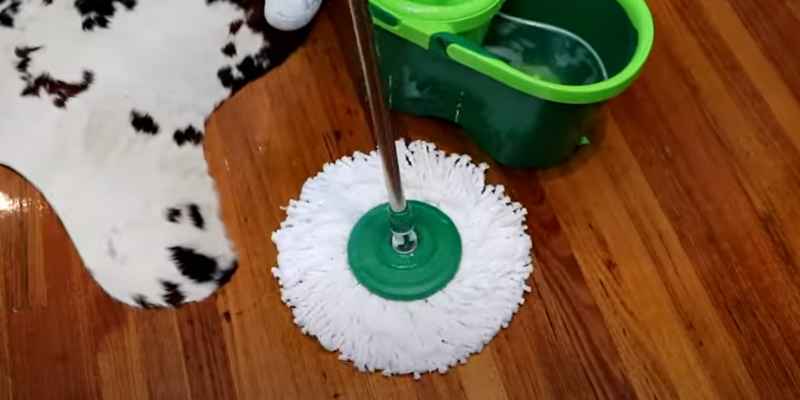
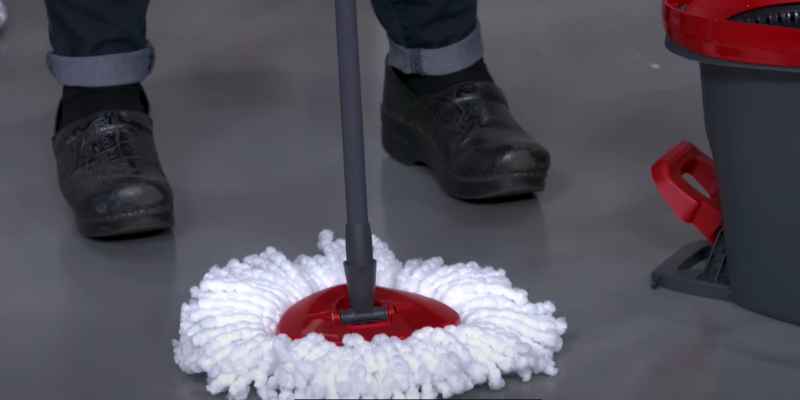
- EasyWring spin mop and bucket systems: a microfiber spin-head mop paired with a bucket that has a foot-pedal wringer, so you never touch the wet mop head by hand.
- RinseClean systems: a step up from EasyWring with a two-tank bucket design that keeps a clean-water side separate from the dirty rinse water, so you’re not remopping with water you just pulled dirt out of.
The name “O-Cedar” itself comes from the company’s early wooden mop products, which combined oak handles with cedar-oil-treated dust mop heads — the “O” and “Cedar” in the name, not a reference to any current product material.
Most Popular O-Cedar System
 |
O-Cedar EasyWring Microfiber Spin Mop & Bucket – $34.96 The foot-pedal wringer bucket is the actual reason this system outsells a plain string mop — no bending or hand-wringing needed between passes.
|
Which One to Actually Buy
For a small apartment or occasional spot-mopping, a basic wet/dry string mop covers it without the extra cost of a bucket system. For a full house with hard flooring throughout, the EasyWring spin system’s foot-pedal wringer saves real effort over a session — no bending to wring out a mop head by hand. If you’re mopping something genuinely dirty (after a renovation, muddy pet tracks, etc.), the RinseClean’s separate clean/dirty water tanks keep you from smearing dirty water back onto the floor partway through the job, which a single-tank EasyWring bucket can’t avoid on a heavily soiled floor.
Using and Maintaining It
Fill the bucket with water and whatever floor cleaner is rated for your flooring type — skip bleach, ammonia, or acidic cleaners, which can degrade the microfiber and, on some finished wood or laminate floors, the finish itself. Wring the head before the first pass so you’re mopping, not flooding, and work in overlapping strokes from one side of the room toward the exit. Rinse the head in the bucket as it picks up dirt, and swap to fresh water if it gets visibly cloudy rather than continuing to spread dirty water around.
After use, rinse the mop head and bucket, hang the mop head to air dry rather than leaving it balled up damp, and plan to replace the microfiber head roughly every 3-6 months of regular use once it stops picking up dirt as effectively.
Frequently Asked Questions
Is the O-Cedar mop worth it?
For most households, yes — the microfiber head and (on spin-mop versions) hands-free wringer make it faster and less messy than a traditional string mop, at a price in line with other spin-mop systems.
What cleaner should I use with an O-Cedar mop?
A cleaner rated for your specific floor type. Avoid bleach, ammonia, or acid-based cleaners, which can damage the microfiber pad and, on some floors, the finish.
How often should I replace an O-Cedar mop head?
Roughly every 3-6 months of regular use, or sooner if it’s visibly fraying or no longer picking up dirt effectively despite proper washing.
Why is it called O-Cedar?
The name combines “oak” and “cedar” — materials used in the company’s original wooden mop products.
Bottom Line
A basic wet/dry string mop covers occasional light cleaning; the EasyWring spin system is the better buy for a full house of hard flooring; RinseClean’s dual-tank design earns its higher price only if you’re regularly mopping genuinely dirty floors.
Sponsored / affiliate links. As an Amazon Associate I earn from qualifying purchases. I may earn additional commission from eligible campaigns.