Cedar Wood Planks for Grilling: The Soak-to-Smoke Technique
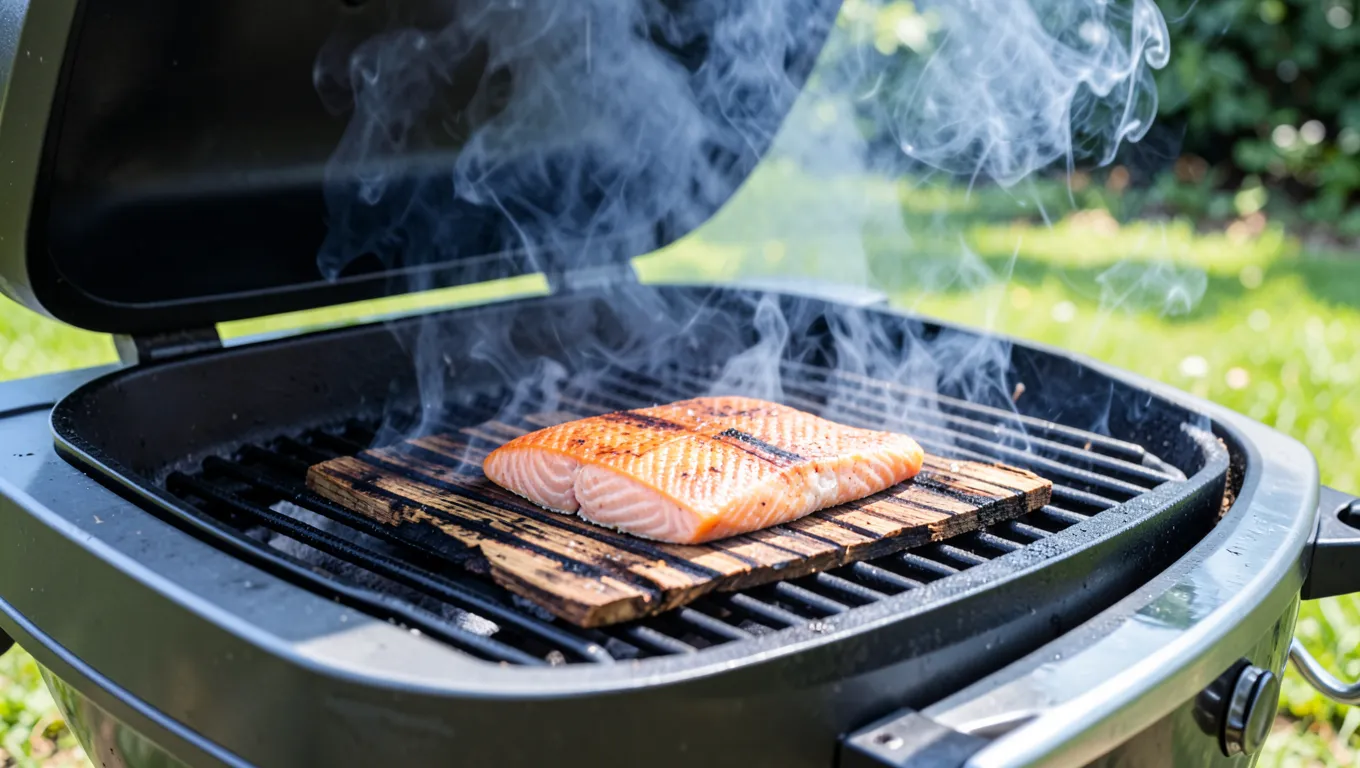
To grill with cedar wood planks, soak an untreated Western red cedar plank in water for 1-2 hours, place your food directly on top, and set it on the grill over medium heat (350-400°F) until the plank starts to smoke and the food is cooked through – usually 15-20 minutes for a salmon fillet.
That’s the short version. The details that actually determine whether you get smoky, evenly-cooked food or a scorched plank and a flare-up come down to soak time, heat placement, and a few things most quick guides skip. Here’s the full technique.
What You Need
Best Cedar Planks for Salmon
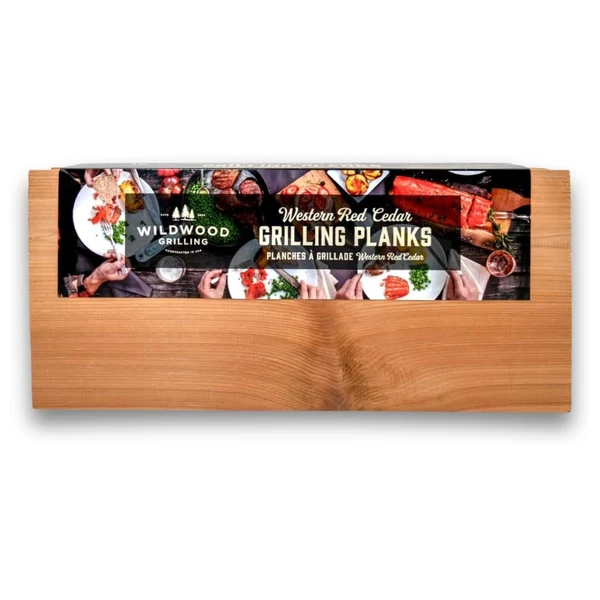 |
Wildwood Grilling Cedar Planks, 7×15″, 8-Pack – $29.99 Full-size, food-grade Western red cedar planks sized for a whole salmon fillet, with enough in the pack to experiment across several grilling sessions.
|
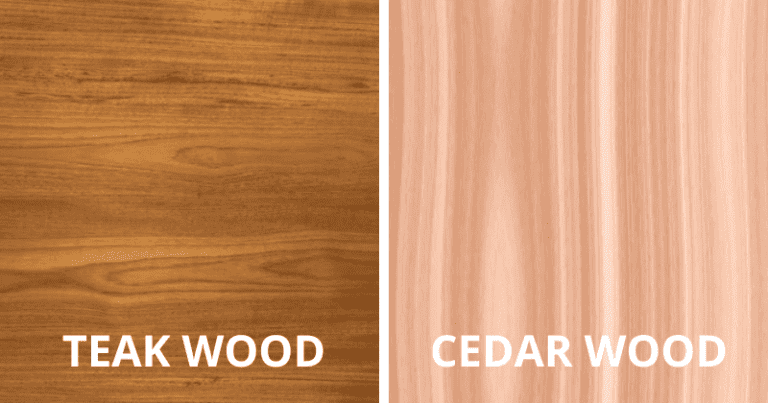
- Untreated Western red cedar planks sold specifically for grilling – not cedar fence boards or lumber-yard offcuts, which may carry preservatives or be a non-food-safe cedar species.
- A grill, gas or charcoal, with a lid that closes so the smoke actually surrounds the food.
- Tongs and an instant-read thermometer for handling the hot plank and checking doneness without cutting into the food.
- A spray bottle of water to knock down small flare-ups along the plank’s edges.
Soaking: Why the Time Matters More Than the Liquid
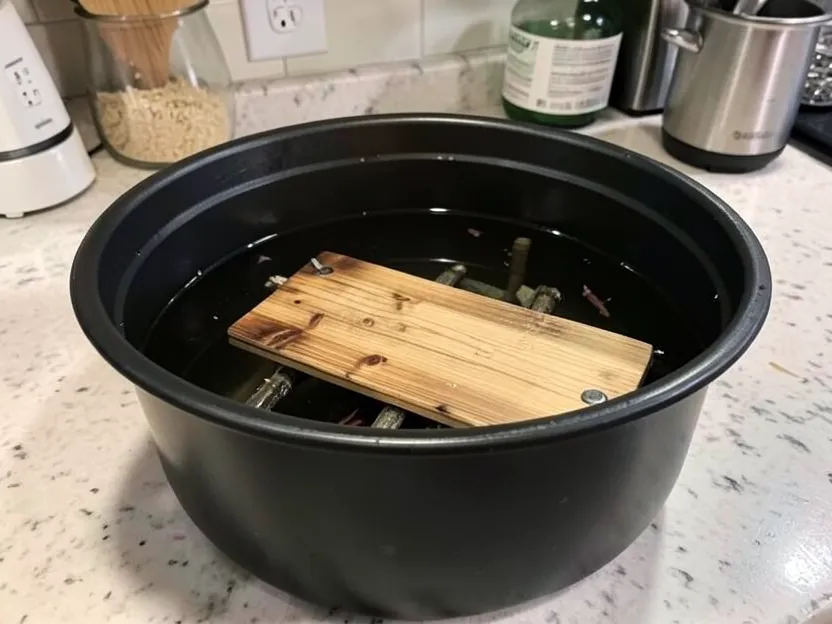
Soak the plank fully submerged for 1-2 hours before grilling; weigh it down with a heavy plate or a couple of cans since dry cedar floats. Soaking longer than 2 hours doesn’t add much – cedar’s surface cells saturate at that point and stop absorbing meaningfully more water, so an overnight soak isn’t necessary and won’t make the plank more fire-resistant than a solid 2-hour soak already does.
A common tip is soaking in wine, cider, or juice instead of plain water for extra flavor. In practice this does very little: wood’s surface layer is largely water-repellent, so a flavored liquid barely penetrates deeper than a few water molecules would in the same time. The smoky flavor you’re actually tasting comes from the plank charring and releasing lignin-based smoke compounds once it’s on the grill, not from what it soaked in beforehand. Plain water works just as well and saves the wine for drinking.
Step-by-Step: Grilling Salmon on a Cedar Plank
- Soak the plank fully submerged for 1-2 hours, weighted down so it doesn’t float.
- Preheat the grill to medium, 350-400°F. On a gas grill, leave one burner off for an indirect-heat zone; on charcoal, bank the coals to one side.
- Pat the plank dry on both sides with a paper towel, then rub a thin coat of oil on the side you’ll place food on – this helps prevent sticking without affecting the smoke.
- Season the salmon (oil, salt, pepper, and a light coating of brown sugar for a sweet crust are a reliable combination) and place it skin-side down on the plank.
- Set the plank over direct heat just long enough to hear it start crackling and see the first wisps of smoke (2-3 minutes), then slide it to the indirect side and close the lid.
- Cook 15-20 minutes for a standard fillet, checking with a spray bottle for any flare-ups along the plank’s exposed edges.
- Pull the salmon once it hits 145°F internal temperature, and let the plank cool completely on a heat-safe surface before handling it further.
Beyond Salmon: Other Foods That Work on a Plank
- Vegetables (zucchini, peppers, mushrooms, tossed in oil and herbs) – 10-15 minutes, good use for a plank that’s already been used once for something else.
- Chicken and pork – benefits from a slightly longer soak (2 hours) since these cuts spend more time over heat; use a thicker plank if you have one.
- Fruit (peach or pineapple halves brushed with honey) – 5-7 minutes, a genuinely good dessert use for a plank instead of throwing it out after the main course.
Other Woods Besides Cedar
| Wood | Flavor Profile | Best Paired With |
|---|---|---|
| Cedar | Sweet, aromatic, slightly resinous | Salmon, other fatty fish, vegetables |
| Alder | Mild, light | Fish, shrimp, lighter cuts |
| Maple | Sweet, subtle | Chicken, pork |
| Hickory | Bold, bacon-like | Beef, heartier cuts |
Avoiding Flare-Ups and Other Common Mistakes
- Skipping the soak entirely is the single biggest cause of a plank catching fire outright rather than smoking – don’t skip it even for a “quick” grill session.
- Leaving the plank directly over flame the whole time instead of moving to indirect heat after the initial smoke starts. A few minutes over direct heat is enough to get it smoking; the rest of the cook should be indirect.
- Walking away from the grill. A soaked plank is far less likely to fully ignite than dry wood, but edges can still flare, and that’s not a cook you want to leave unattended.
- Assuming every plank is food-safe. Only untreated Western red cedar sold for grilling is reliably safe – not every cedar species and never pressure-treated lumber. If you’re unsure what you have, see our full breakdown of which cedar is actually safe to cook on before using it.
Frequently Asked Questions
How long should you soak a cedar plank before grilling?
1-2 hours fully submerged and weighted down is enough. Cedar’s surface saturates around that point, so soaking longer (including overnight) doesn’t meaningfully improve fire resistance or flavor.
Does soaking a cedar plank in wine or juice add flavor?
Not meaningfully. Wood’s surface is largely water-repellent, so flavored liquids penetrate barely deeper than plain water would in the same soak time. The smoky flavor comes from the plank charring on the grill, not from what it soaked in beforehand.
What temperature should the grill be for cedar plank cooking?
Medium heat, roughly 350-400°F, with an indirect-heat zone set up (one burner off, or coals banked to one side). Start the plank briefly over direct heat until it begins to smoke, then move it to indirect heat for the rest of the cook.
Can you reuse a cedar grilling plank?
Often yes, 2-3 times, as long as it isn’t cracked, badly warped, or blackened all the way through. See our full guide on how many times you can reuse a cedar plank for how to check and clean one between uses.
Sponsored / affiliate links. As an Amazon Associate I earn from qualifying purchases. I may earn additional commission from eligible campaigns.