Cedar vs. Redwood Cost: Why Redwood Runs 25-50% More, And Where Cedar Wins
Redwood typically costs 25-50% more than cedar for comparable appearance-grade lumber, and the main reason is geography and supply, not a meaningful durability advantage. Both woods resist rot and insects well when properly graded and sealed — the price gap mostly reflects how limited redwood’s commercial growing range is compared to cedar’s.
Why Redwood Costs More: Geography, Not Quality
Close The Gap: A Real Sealer, Not A Premium Wood Upcharge
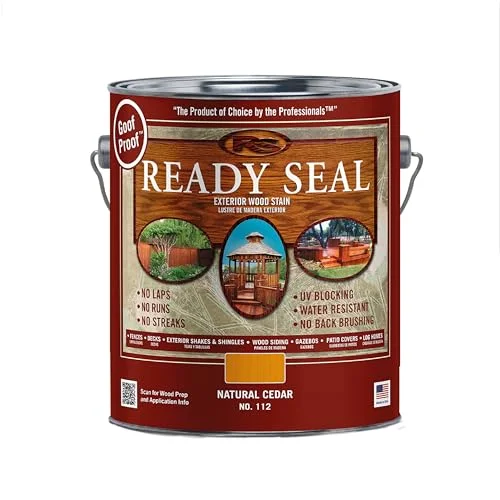 |
Ready Seal Exterior Wood Stain & Sealer, Natural Cedar, 1 Gal – $39.99 A real, penetrating stain-and-sealer combo — a legitimate way to get more durability out of budget-tier cedar rather than paying redwood’s premium.
|
Redwood (Sequoia sempervirens) grows commercially in a narrow coastal strip of Northern California, which limits how many mills can supply it and adds transport distance for anywhere outside that region. Western red cedar has a far wider native range, extending through the Pacific Northwest into Canada, so more mills produce it and it typically ships shorter distances to reach most of the US. That wider supply base, not a quality gap, is the primary reason cedar carries the lower price tag in most markets.
Grades That Actually Affect Price
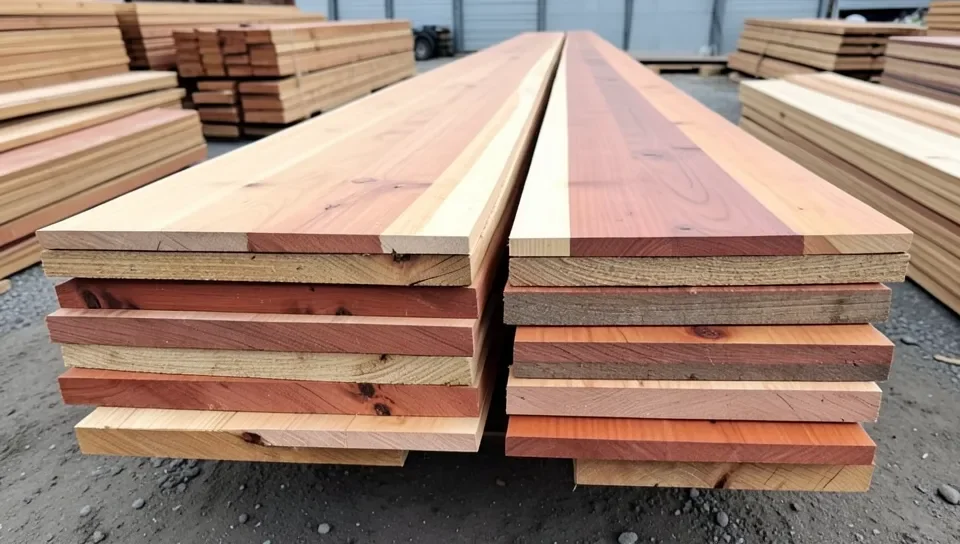
Within each species, grade drives price more than the species choice itself. These are the real, standard grade names to look for, not vague marketing terms:
| Species | Premium Grade | Mid Grade | Budget Grade |
|---|---|---|---|
| Redwood | Clear All Heart (CAH) — clear, all heartwood | Construction Heart — some knots, heartwood | Construction Common — more knots, mixed heart/sapwood |
| Western Red Cedar | Clear/Architectural — clear, tight grain | Select Tight Knot — small tight knots | Construction/Better Common — larger, looser knots |
A budget-grade board of either species costs meaningfully less than the premium grade of the same species — often enough that a mid-grade redwood board and a premium-grade cedar board land close to the same price. If a project has visible, high-scrutiny surfaces (a handrail, trim) and hidden structural parts (joists, framing), grading down only the hidden parts is a real, direct way to cut cost without touching the visible finish quality.
Weight And Workability
One correction worth making clearly: western red cedar is the lighter of the two species, at roughly 23 lb/ft³ dry versus redwood’s roughly 28-30 lb/ft³ — cedar, not redwood, is one of the lightest commercial softwoods available. That makes cedar somewhat easier to handle solo on a ladder or overhead installation, a small but real practical factor for a DIY build, separate from the cost question.
Nominal Vs. Actual Dimensions (The Hidden Cost Factor)
This trips up budgeting regardless of which species you choose. Lumber is priced and sold by its nominal size (the name on the label, like “2×4”), but the actual milled size is smaller once the board is dried and planed — a nominal 2×4 finishes at about 1.5″ x 3.5″, and a nominal 1×6 finishes at about 0.75″ x 5.5″. Calculating board footage using the nominal width instead of the actual milled width causes real over-ordering on larger projects — always use the actual dimension your specific supplier confirms, since it can vary slightly by mill.
Estimating Total Project Cost
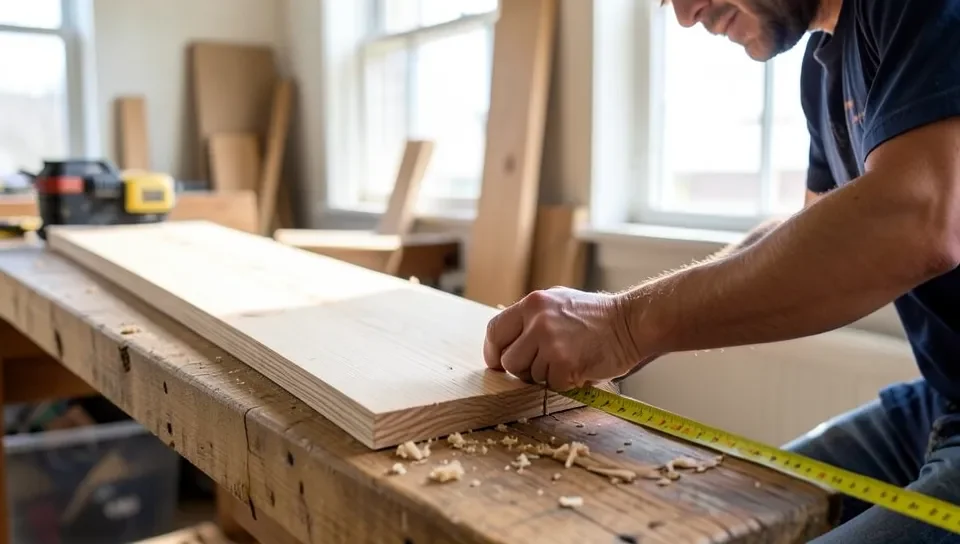
Total cost comes from board footage times price per board foot, so an accurate estimate depends on getting the board-foot number right first. Board footage is thickness (inches) × width (inches) × length (feet), divided by 12 — using our board foot calculator guide for the full walkthrough avoids the common mistake of under- or over-ordering. Get a current per-board-foot quote from a local supplier for both species before comparing totals, since board-foot pricing (not the per-board sticker price) is the only apples-to-apples way to compare two different board sizes or species.
Real Ways To Reduce Cost
- Grade triage by visibility: premium grade only where it’s seen (rails, trim); budget grade for hidden framing and structure, where local code allows even a different species like pressure-treated pine underneath.
- Invest the savings in finish, not the wood: a quality UV-blocking sealer applied consistently closes much of the practical gap between budget cedar and premium redwood’s weathering performance over the first several years.
- Ask about short-length or cutoff bundles: mills and yards often sell under-length pieces (too short for standard runs) at a discount — useful for trim, small furniture, or cutoffs where full-length boards aren’t needed.
- Check secondhand sources for reclaimed fencing or decking: carefully removed (not demolished) cedar or redwood in good condition can cost less than new stock, though always inspect for warping or embedded hardware before buying.
Common Cost-Comparison Mistakes
- Comparing different grades across species: pricing a budget-grade cedar board against a premium redwood board isn’t a fair cost comparison — match grade to grade first.
- Budgeting off nominal dimensions: using the labeled “2×4” or “1×6” size instead of the actual milled size overstates how much material a project needs, inflating the perceived cost gap.
- Assuming price reflects durability: a higher price mostly reflects scarcity and transport, not a proportionally better-performing board.
- Skipping local price checks: both species’ pricing shifts with lumber markets and regional supply — a rule-of-thumb percentage gap is a starting point, not a substitute for a current local quote.
When Redwood’s Premium Is Worth Paying
Redwood’s premium makes the most sense when its specific reddish heartwood color is a real design requirement you don’t want to achieve with stain, or when local availability actually makes it comparable in price to cedar (which happens more often the closer a project is to redwood’s native growing region). For everywhere else, cedar with a quality sealant delivers very similar real-world performance for meaningfully less money — see our broader cedar vs. redwood comparison for the full durability and appearance breakdown beyond cost alone.
Frequently Asked Questions
Why is redwood more expensive than cedar?
Mainly geography and supply. Redwood grows commercially in a narrow strip of Northern California, limiting mill capacity and adding transport distance for most of the country. Cedar’s much wider native range means more supply and typically shorter shipping distances, which keeps its price lower.
Is redwood more durable than cedar?
Not meaningfully, when both are properly graded and sealed. Both species contain natural rot- and insect-resistant extractives. The real durability differences come more from grade (heartwood vs. sapwood) and finish maintenance than from species alone.
Is cedar or redwood lighter?
Cedar is lighter. Western red cedar runs roughly 23 lb/ft³ dry, compared to roughly 28-30 lb/ft³ for redwood, making cedar one of the lightest commercial softwoods available.
What’s the cheapest way to get rot resistance on a budget?
Use pressure-treated lumber rated for your exposure level (ground contact or above-ground) for hidden structural parts, and reserve cedar or redwood for the visible surfaces where appearance matters. This targets the premium spend only where it’s actually seen.
Conclusion
Redwood’s 25-50% price premium over cedar comes down to supply geography, not a real durability edge — both hold up well when properly graded and finished. Grading strategically, budgeting off actual (not nominal) dimensions, and investing savings into a quality sealer closes most of the practical gap for a fraction of redwood’s cost.
Sponsored / affiliate links. As an Amazon Associate I earn from qualifying purchases. I may earn additional commission from eligible campaigns.