Can You Paint Cedar? Yes, Prime It Before It Weathers
Yes, you can paint cedar, and it holds paint well, but only if you deal with the one thing that ruins most cedar paint jobs: water-soluble tannins that bleed through the topcoat as brown or pink streaks. The common advice to let new cedar weather for a few weeks first is backwards for exterior boards. The industry group for western red cedar (the Western Red Cedar Lumber Association) says finishing works as long as the wood has not weathered more than two weeks, and that moisture content cannot be above 20 percent. This guide covers the primer choice (oil, shellac or acrylic), the timing window, and the steps that follow. If paint is already peeling, go to our fix for cedar paint that is peeling instead.
Why Cedar Bleeds Through Paint
Best Tannin-Blocking Primer For Cedar
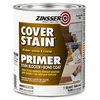 |
Zinsser Cover Stain Oil-Based Primer, Quart, $17.59 The oil-based stain blocker this guide leans on for bare or bleeding cedar, rated by the maker for exterior and interior wood and made to take any topcoat.
|
As an Amazon Associate we earn from qualifying purchases.
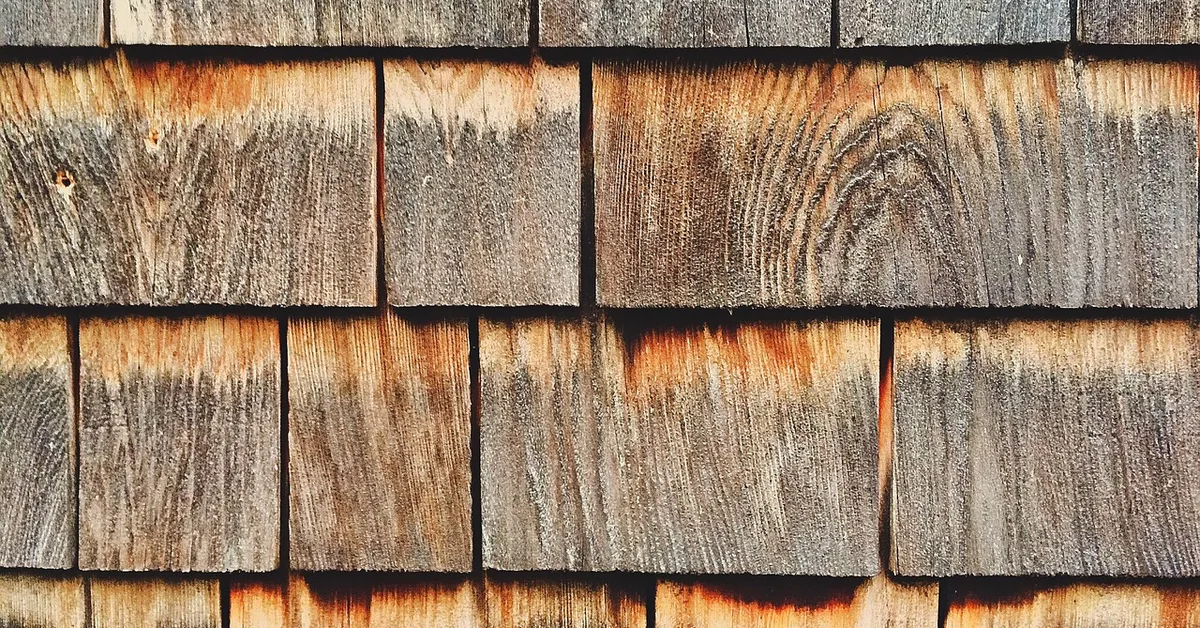
Cedar is not hard to paint because of its famous aroma oils. The real culprit is a group of water-soluble tannins and extractives in the wood. When moisture soaks into an unprimed or thinly primed board, it dissolves those compounds and carries them to the surface, where they stain the topcoat. White and pastel colors show the stain most, which is why the problem is usually blamed on “cheap paint” when the real failure was the primer.
That also explains why the species matters. Western red cedar and eastern red cedar behave differently, and Spanish cedar is not a true cedar at all, a point covered in our guide to cedar species. The rest of this article applies to all of them, with interior cedar handled in its own section below.
The Timing Myth: Do Not Wait For Cedar To Weather
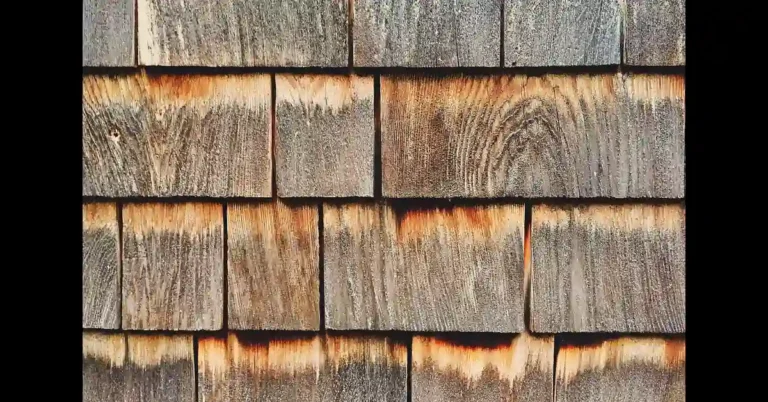
Many guides tell you to let new cedar sit outdoors for weeks so the oils can “bleed out.” Cedar oils are not what blocks paint adhesion, and sun exposure works against you. Within a couple of weeks, UV light starts breaking down the wood surface into loose, gray fibers that paint cannot grip. In the association guidance, the finish goes on best inside that two-week window, on wood that is dry enough.
| Condition of the cedar | What to do before priming |
|---|---|
| New, kiln-dried, installed under 2 weeks ago | Clean off dust, then prime |
| Fresh-cut or green (unseasoned) boards | Let them dry until a moisture meter reads 20 percent or lower |
| Weathered gray for more than 2 weeks | Wash, let dry, sand back to fresh wood, then prime |
| Previously painted and sound | Clean, spot-prime bare patches, refinish with latex |
| Previously painted and peeling | Scrape and sand to a sound edge, spot-prime, repaint |
If you cannot paint within the window, prime the bare boards and let the primer protect them. A coat of primer shields the wood from UV and rain far better than raw cedar does, so priming early is a way to buy time, not just a step you do once.
Oil, Shellac Or Acrylic Primer: Which One Blocks Cedar Tannin Best
Three types of stain-blocking primer are used on cedar. The timing figures below come from the Zinsser product literature found for this article, while the Behr product is described only in general terms because its data sheet did not load.
| Primer | Type | Dry to touch | Recoat | Notes for cedar |
|---|---|---|---|---|
| Zinsser Cover Stain | Oil-based (alkyd) | About 30 min | About 1 hour | Full adhesion in about 7 days; can lists “use with any topcoat” |
| Zinsser B-I-N | Shellac-based | About 20 min | About 45 min | On new cedar and redwood, let it dry 24 hours before topcoating |
| Behr Multi-Surface Stain-Blocking Primer and Sealer (No. 436) | Water-based acrylic | Check the can | Check the can | Soap-and-water cleanup; Behr lists it for medium to heavy stains |
Oil-based primer
Oil-based primer such as Cover Stain has been the classic recommendation for bare cedar because it seals tightly and levels well. One caution: do not follow it with an oil-based topcoat. Cedar industry guidance is that old latex coatings should always be refinished with latex and never with oil-based coatings, so choose an acrylic latex topcoat over the oil primer.
Shellac primer
Shellac-based primer such as B-I-N dries fastest and is the strongest sealer for isolated trouble spots like knots and sap streaks. It is also flammable and needs alcohol-based cleanup. Zinsser notes that on new cedar and redwood the primer should dry for 24 hours before topcoating, so it is a spot treatment or an interior choice more than a whole-house exterior one.
Stain-blocking acrylic primer
This is the part most cedar articles miss. Research reviewed by the USDA Forest Products Laboratory (Gorman and Feist, 1989) found that a stain-blocking acrylic latex primer plus an acrylic latex topcoat gave better long-term exterior performance on wood siding than an alkyd-oil primer system, mainly because the all-latex film stays flexible and lets moisture vapor escape instead of blistering. That finding is reported secondhand in a field-notes summary, so treat it as a strong pointer rather than a lab guarantee. The practical takeaway: an oil or shellac primer is not automatically better, and a quality acrylic stain blocker is a legitimate choice for exterior cedar, especially if you want one cleanup method and one chemistry from primer to topcoat.
For comparison with other primers and undercoats, see our wood primer guide.
How To Paint Cedar Step By Step
- Check moisture and timing. Meter reading 20 percent or lower and no more than two weeks of weathering, or use the table above to decide on extra prep.
- Wash. Scrub with mild detergent and a soft brush to remove dirt and mildew, rinse well, and let the wood dry completely.
- Sand only where needed. Remove gray, fuzzy fibers and old failed paint. Sanding fresh smooth cedar is rarely necessary.
- Fix hardware first. Bare steel nails rust and leave black stains on cedar, so use stainless steel or hot-dip galvanized fasteners and spot-prime any exposed nail heads.
- Prime every face you can reach. Prime end grain, cut edges and the back of boards before installing if you can. Unsealed ends wick moisture and are a common source of tannin streaks.
- Apply a second primer coat on heavy bleeders. Knots, sapwood patches and light-colored topcoats call for two coats of stain-blocking primer.
- Topcoat with 100 percent acrylic exterior latex. Two coats, following the label for recoat time and minimum application temperature.
Brush and roller work well. If you spray, back-brush or back-roll the first coat so the primer works into the wood, and keep the second topcoat for uniform sheen.
Painting Interior Cedar: Ceilings, Closets And Paneling
Interior cedar is the other half of the search demand around this topic, especially painting cedar ceilings. Indoors there is no rain to drive tannins out, but knots and resinous streaks can still bleed over time, and heat near a ceiling can speed it up. For an interior cedar ceiling or paneled wall, spot-prime knots and obvious resin streaks with a shellac primer such as B-I-N, then prime the whole surface with a stain blocker before the finish coat. Keep the room ventilated while shellac or oil primer cures.
If you are painting a cedar closet, remember that sealing the wood also seals in its scent. Our guide to cedar-lining a closet explains how the aroma works if you want to preserve it.
Paint Or Stain: Which Is Better For Cedar
Paint hides the grain and gives the widest color choice, but it forms a surface film that eventually needs scraping and repainting. A penetrating or semi-transparent stain keeps the grain visible and wears away rather than peels. Read our guides to staining cedar and the best cedar sealer if you would rather keep the natural look, and see how to stop cedar turning gray for a clear-finish route. For general paint types across species, our wood paint guide covers the basics, and the pine side of the same question is in what to seal pine with.
Fixing Brown Or Pink Streaks After Painting
If tannin stains have already bled through a finished coat, repainting over them with more of the same paint usually brings the streaks right back. Spot-prime the stained areas instead.
- Let the paint cure fully and wash the surface.
- Spot-prime the stained areas with a shellac or oil-based stain blocker, not the original paint.
- Let the primer dry for the label time, then repaint the whole panel, not just the patch, so the sheen matches.
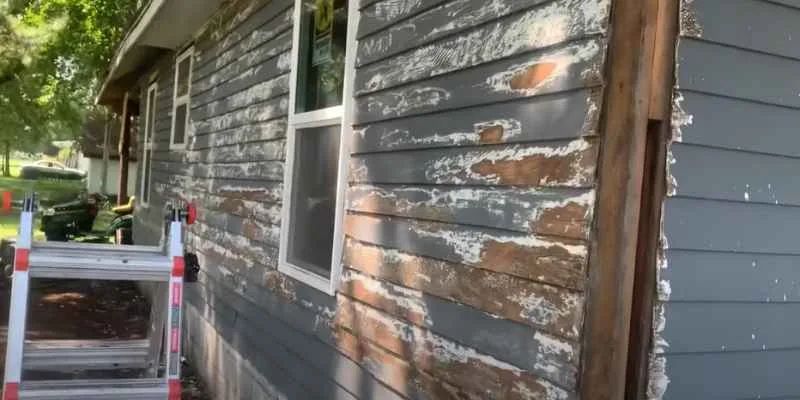
Peeling is a separate failure from tannin staining and is usually moisture or adhesion related. We cover it in detail in how to paint cedar boards without peeling.
Common Mistakes When Painting Cedar
- Waiting weeks for the wood to weather, then painting over degraded gray fibers.
- Using a thin primer coat, or skipping primer, under a white or pastel topcoat.
- Painting wood that is still above 20 percent moisture content.
- Following an oil primer with an oil-based topcoat instead of an acrylic latex one.
- Leaving end grain and nail heads unprimed.
- Patching a stain with topcoat instead of spot-priming it.
Frequently Asked Questions
Can you paint cedar?
Yes. Cedar takes paint well when the wood is dry, clean and primed with a stain-blocking primer before the topcoat goes on.
Do you have to let cedar weather before painting?
No. Per the Western Red Cedar Lumber Association, finishing works as long as the wood has not weathered more than two weeks. Longer weathering leaves loose gray fibers that need to be sanded away.
What primer should I use on cedar?
Use a stain-blocking primer. Oil-based and shellac primers are traditional choices, and a stain-blocking acrylic latex primer is a valid option for exterior cedar. Follow with an acrylic latex topcoat.
Why is brown stain showing through my paint on cedar?
Water-soluble tannins in the wood are dissolving and moving to the surface. Spot-prime the stained areas with a shellac or oil-based stain blocker and repaint.
Can you paint cedar with latex paint?
Yes, 100 percent acrylic exterior latex is the recommended topcoat over a stain-blocking primer.
Can you paint a cedar ceiling?
Yes. Spot-prime knots and resin streaks with a shellac primer, prime the whole surface with a stain blocker, then apply the finish coat with the room well ventilated.
Sponsored / affiliate links. As an Amazon Associate I earn from qualifying purchases. I may earn additional commission from eligible campaigns.