Cedar Wood 2×4 Sizes Uses And Pricing Explained
Finding the right information about Cedar Wood 2×4: Sizes, Uses & Pricing can sometimes feel like a puzzle, especially for those just starting out. It’s not always clear what the different sizes mean or which type of cedar is best for your project. But don’t worry!
We’re here to make it super simple. We’ll walk you through everything step by step. Get ready to learn all about cedar wood 2x4s so you can pick the perfect one for your needs.
Understanding Cedar Wood 2×4 Dimensions
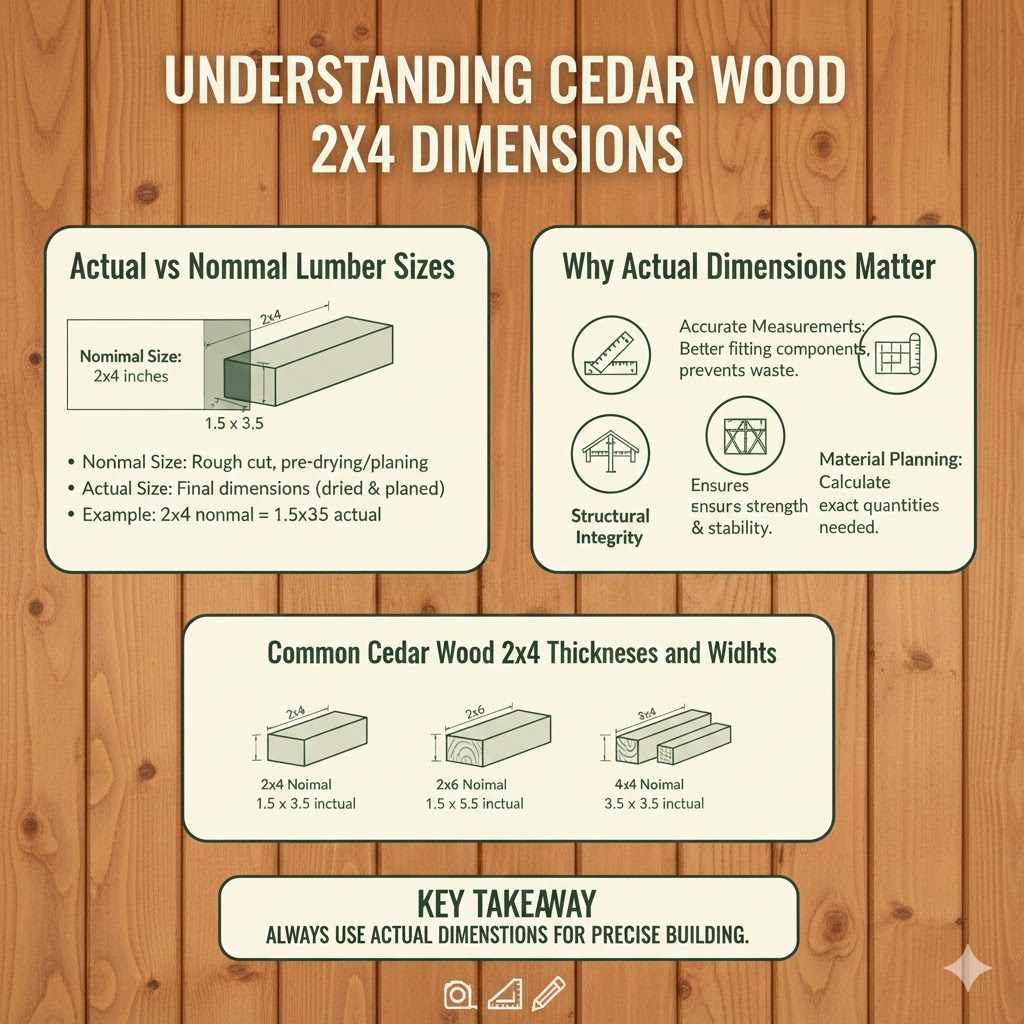
When you’re looking at lumber, understanding the sizes is key. A “2×4” isn’t actually two inches by four inches. It’s a nominal size, meaning it’s the rough size before it’s dried and planed.
This is important because the actual dimensions affect how your project comes together. For example, a common actual size for a 2×4 is closer to 1.5 inches by 3.5 inches. This slight difference is standard and something all builders know to account for.
Knowing these actual measurements helps ensure your projects fit together perfectly, avoiding gaps or misalignment.
Actual vs Nominal Lumber Sizes
Nominal sizes are what lumber is called, like 2×4 or 4×4. Actual sizes are the real measurements you get after the wood is milled. For a 2×4, the actual size is typically 1.5 inches thick and 3.5 inches wide.
For a 4×4, it’s usually 3.5 inches by 3.5 inches. This difference happens because lumber is often dried and then planed smooth. The drying process shrinks the wood, and planing removes a bit of the surface.
Builders and DIYers need to know these actual dimensions for accurate calculations in any construction project, from framing walls to building decks.
Why Actual Dimensions Matter
Knowing the actual size of your lumber is crucial for accurate measurements and successful projects. If a plan calls for a specific dimension, and you use wood that’s smaller than expected, your structure might be weaker or not fit together correctly. For instance, when building a deck railing, the posts need to be the correct size to support the weight and attach securely to the frame.
Using lumber that’s consistently sized also makes for a more professional and visually appealing finished product.
- Accurate Measurements: Using the actual dimensions ensures your measurements are precise, leading to better fitting components. This prevents costly mistakes and wasted materials.
- Structural Integrity: For any construction, knowing the exact size of the wood is vital for ensuring the strength and stability of the final build.
- Material Planning: Accurate sizing helps you calculate the exact amount of material needed, preventing you from buying too much or too little lumber.
Common Cedar Wood 2×4 Thicknesses and Widths
While the nominal size of a 2×4 is always “2 by 4,” the actual dimensions are important. Typically, a 2×4 will measure 1.5 inches in thickness and 3.5 inches in width. This standardized actual size is consistent across most lumberyards and manufacturers.
It’s the dimension you’ll work with for framing, building, and other construction tasks. Always double-check if you’re unsure, but this 1.5 by 3.5 inch measurement is the standard for a 2×4.
Other common cedar lumber sizes often found include 2x6s, which actually measure 1.5 inches by 5.5 inches, and 4×4 posts, which are actually 3.5 inches by 3.5 inches. These variations allow for different structural needs and design aesthetics. Understanding these differences helps you select the right lumber for the job.
For example, a 2×6 offers more surface area and strength than a 2×4, making it suitable for larger spans or load-bearing applications.
Exploring Cedar Wood 2×4 Uses
Cedar wood 2x4s are incredibly versatile. Their natural beauty and durability make them a favorite for many projects. They are often used for outdoor structures because cedar is naturally resistant to rot and insects.
Think about beautiful decks, sturdy fences, and charming garden beds. Inside, cedar can be used for decorative features or even in closets for its pleasant scent. The choice depends on the look you want and the conditions the wood will face.
Outdoor Construction Applications
When building outdoors, cedar is often the top choice. Its natural oils make it resistant to decay and pests like termites. This means structures built with cedar will last much longer, even in damp or exposed conditions.
Cedar 2x4s are perfect for building the framework of decks, creating strong fence posts, or even constructing attractive pergolas and arbors. The warm color and natural grain of cedar also add a touch of beauty to any outdoor space.
- Deck Framing: Cedar 2x4s can be used for the joists and beams that form the substructure of a deck. They offer good strength and excellent resistance to moisture damage, prolonging the life of the deck.
- Fencing: Cedar is a popular material for fence pickets and posts. It weathers beautifully, often turning a silvery gray over time, and its natural insect resistance means fewer worries about rot.
- Garden Beds and Planters: The natural oils in cedar make it safe for use around plants and resistant to the constant moisture from soil and watering. It won’t leach harmful chemicals into the ground.
Decks and Patios
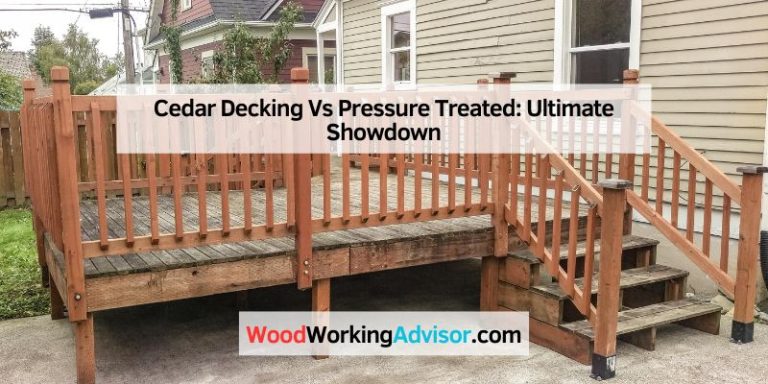
Building a deck or patio often involves using 2x4s for various structural elements. For the framing beneath the deck boards, cedar provides excellent durability against the elements. Cedar 2x4s are strong enough to support the joists and beams, and their natural resistance to rot and insects means your deck will stand strong for years.
They are also often used for railing supports and kickboards. The natural beauty of cedar complements outdoor living spaces wonderfully.
A homeowner in the Pacific Northwest decided to build a new deck. They chose cedar 2x4s for the substructure and framing. Despite consistent rain and humidity in their area, the cedar showed no signs of rot or insect damage after five years.
This allowed them to enjoy their deck without premature repair concerns, proving cedar’s value in challenging climates.
Fences and Gates
When constructing fences, cedar 2x4s are a popular choice for posts and rails. Their natural resistance to decay and insects makes them ideal for ground contact and outdoor exposure. A well-built cedar fence can last for decades.
The aesthetic appeal of cedar also adds significant charm to a property. Gates made from cedar 2x4s are both strong and beautiful, complementing the fence they are part of.
A family wanted to build a privacy fence around their backyard. They opted for cedar 2x4s for the posts and horizontal supports. The lumber’s natural resilience to moisture meant the posts remained solid even when partially buried.
The finished fence not only provided security but also enhanced the curb appeal of their home. Many neighbors commented on its attractive appearance and durability.
Indoor Construction and Decorative Uses
While cedar is famed for outdoor use, it also has great applications indoors. Its pleasant aroma makes it a popular choice for closet lining, helping to deter moths and freshen clothes. Cedar 2x4s can also be used for shelving in pantries or garages where moisture might be a concern.
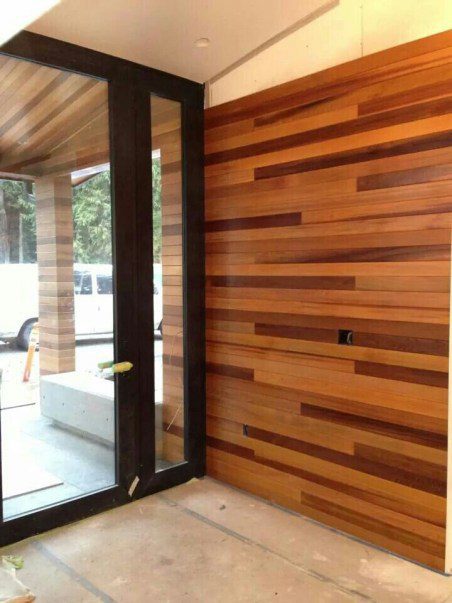
For decorative projects, the rich color and grain of cedar add a natural, rustic warmth to accent walls or custom furniture pieces.
- Closet Linings: The natural aromatic properties of cedar are well-known for their ability to repel moths and other insects. Lining closets with cedar planks or using cedar 2x4s for framing allows this scent to permeate the space. This keeps clothes smelling fresh and deters pests without the need for chemical treatments.
- Shelving: In areas prone to humidity, like basements or garages, cedar shelves can offer a more durable and rot-resistant option compared to other woods. They provide sturdy support for storage while maintaining their integrity over time.
- Accent Walls and Trim: For a rustic or natural look, cedar 2x4s can be used to create decorative accent walls or custom trim work. The distinct grain patterns and warm tones add visual interest and a sense of natural elegance to interior spaces.
Aromatic Properties and Moth Repellency
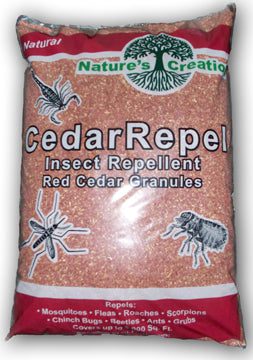
One of the most unique benefits of cedar wood, especially aromatic red cedar, is its natural scent. This pleasant aroma is not just for pleasant smells; it actually acts as a natural insect repellent. Moths, in particular, dislike the smell of cedar, making it an excellent choice for lining closets and drawers where clothes are stored.
Cedar chests have been used for generations to protect fabrics from damage.
A furniture maker specialized in building cedar chests. He reported that customers often chose his chests specifically for their aromatic qualities. He mentioned one client who had stored woolen blankets in a cedar chest for over ten years.
When they finally opened it, the blankets were in perfect condition with no signs of moth damage and carried a fresh, pleasant cedar scent.
Decorative Features and Furniture
Cedar wood can be used to create stunning decorative features. Think of rustic mantels, unique wall paneling, or even sturdy furniture. The natural reddish-brown hue of many cedar species offers a warm, inviting look.
When used for furniture, cedar provides both durability and a pleasant aroma. Cedar 2x4s can form the sturdy base of tables or chairs, or be used for shelving in custom built-ins.
A couple wanted to give their living room a rustic makeover. They decided to use cedar 2x4s to build a feature wall behind their fireplace. The natural grain and color of the wood created a warm, inviting atmosphere.
The project was relatively simple to build, and the visual impact was dramatic, transforming the room from ordinary to a cozy retreat.
Cedar Wood 2×4 Pricing and Factors
The price of cedar wood 2x4s can vary quite a bit. Several things affect how much you’ll pay. The type of cedar is a big factor; some are rarer or more durable, making them more expensive.
The grade of the wood also matters – clear grades with few knots cost more than knotty grades. Where you buy it, like a large home improvement store versus a specialty lumberyard, can also change the price. Planning ahead and comparing prices can help you get the best deal for your project.
Types of Cedar and Their Price Points
Different types of cedar wood come with different price tags. Western Red Cedar is very popular for its beauty and natural resistance to decay and insects. It’s often a mid-to-high price option.
Eastern Red Cedar, common in the eastern United States, can be more affordable but may have more knots. Alaskan Yellow Cedar is known for its strength and durability, often commanding a higher price. The rarity and specific properties of each cedar species directly influence its market value.
- Western Red Cedar: This is a premium choice, known for its rich color, natural beauty, and excellent rot and insect resistance. It’s often more expensive due to its desirability and durability.
- Eastern Red Cedar: While also aromatic and somewhat rot-resistant, Eastern Red Cedar can be more affordable. It often has more knots than Western Red Cedar, which can affect its grade and price.
- Alaskan Yellow Cedar: This type is prized for its exceptional strength and durability, even in harsh conditions. Its unique properties often place it at a higher price point than other cedars.
Western Red Cedar
Western Red Cedar (Thuja plicata) is one of the most sought-after types of cedar for construction and finishing. Its beautiful reddish-brown color and natural resistance to decay, moisture, and insects make it ideal for a wide range of applications, especially outdoors. Because of its desirable qualities, Western Red Cedar typically commands a higher price compared to other wood species or even some other types of cedar.
A landscape architect specified Western Red Cedar 2x4s for a high-end residential deck project. The client wanted a durable, beautiful, and long-lasting outdoor space. While the initial cost of the cedar was higher than pine or fir, the architect explained that the reduced maintenance and extended lifespan would provide better long-term value.
The finished deck was a stunning centerpiece for the home.
Other Cedar Varieties
Beyond Western Red Cedar, other varieties offer different benefits and price points. Eastern Red Cedar (Juniperus virginiana) is known for its aromatic qualities and is often used for closet lining and decorative items. It can be more affordable but may feature more knots.
Alaskan Yellow Cedar (Xanthocyparis nootkatensis) is exceptionally durable and water-resistant, making it a premium choice for marine applications and demanding outdoor projects, often costing more than Western Red Cedar.
A small woodworking shop focused on crafting cedar birdhouses. They found that using Eastern Red Cedar provided a good balance of affordability and natural insect resistance. This allowed them to offer their products at a competitive price point while still delivering a quality, long-lasting item that customers appreciated for its natural appeal and aroma.
Wood Grades and Their Impact on Price
The grade of cedar wood significantly impacts its price. Grades are based on the appearance and number of defects, like knots, checks, and warping. Clear grades, which have very few or no knots, are the most expensive.
They are highly prized for their smooth, uniform appearance. Knotty grades, while still strong and durable, have visible knots and are more affordable. For many functional projects where appearance isn’t the top priority, knotty cedar offers excellent value.
- Clear Grade Cedar: This is the highest grade, characterized by its clean, knot-free appearance. It’s highly sought after for premium applications where aesthetics are paramount, such as high-end exterior siding, trim, or elegant indoor paneling. Its uniformity and smooth surface come at the highest cost.
- Select Grade Cedar: This grade allows for some small, tight knots that are well-integrated into the wood. It offers a good balance between appearance and cost, suitable for many exterior applications like decking and fencing where some visual character is desired.
- Knotty Grade Cedar: This is the most common and affordable grade. It features numerous knots, which can add rustic charm. It’s widely used for fencing, decking, and interior paneling where a more casual or natural look is preferred. The structural integrity remains high despite the knots.
Clear vs. Knotty Grades
Cedar wood is often sorted into grades based on its appearance, with “clear” and “knotty” being the most common distinctions. Clear grade cedar has minimal to no knots, offering a smooth, uniform surface that is ideal for premium finishing applications like trim, siding, or decorative paneling. This makes it the most expensive option.
Knotty grade cedar, on the other hand, contains visible knots which give it a more rustic and natural look. It is significantly more affordable and still provides excellent structural integrity and durability for many projects.
A contractor was building a cedar fence for a client who wanted a natural, rustic look without a high price tag. He chose knotty grade cedar 2x4s for the posts and rails. The visible knots added character to the fence, and the cost savings allowed the client to afford more linear feet of fencing than they initially planned for.
The finished fence looked charming and weathered beautifully.
Where to Buy and Price Comparison
The location where you purchase cedar wood 2x4s can affect the price. Large home improvement stores often have competitive pricing, especially on common lumber sizes like 2x4s. However, specialty lumberyards might offer a wider selection of cedar species and grades, and sometimes better quality control, albeit at a potentially higher price.
It’s always a good idea to compare prices from a few different sources before making a purchase. Consider delivery costs if you need a large quantity.
| Retailer Type | Typical Price Range (per linear foot) | Pros | Cons |
|---|---|---|---|
| Large Home Improvement Stores | $3 – $7 | Widely available, competitive pricing on common grades. | Limited variety of cedar species/grades, sometimes lower quality. |
| Specialty Lumberyards | $4 – $9+ | Wider selection of species and grades, expert advice, potentially higher quality. | Can be more expensive, may require pre-ordering for specific items. |
| Online Retailers (Direct from Mill) | $3 – $8+ | Potentially good prices for bulk orders, direct sourcing. | Shipping costs can be high, can’t inspect wood before purchase. |
When looking to buy cedar wood 2x4s, compare prices at your local big-box hardware stores with those at smaller, independent lumber yards. For example, a 2x4x8 Western Red Cedar might cost around $15 at a large chain, but the same piece at a specialty yard could range from $18 to $25, depending on the grade. If you need a large quantity, buying in bulk can sometimes lead to discounts, but always factor in potential delivery fees which can add significantly to the overall cost.
Maintenance and Longevity of Cedar Wood 2x4s
Cedar wood 2x4s are known for their natural durability, but a little care can extend their lifespan even further. While cedar is resistant to rot and insects, exposure to harsh weather can eventually take its toll. Understanding how to maintain your cedar projects will ensure they look great and last for many years.
Simple steps like sealing or staining can provide extra protection and enhance its natural beauty.
Sealing and Staining Cedar
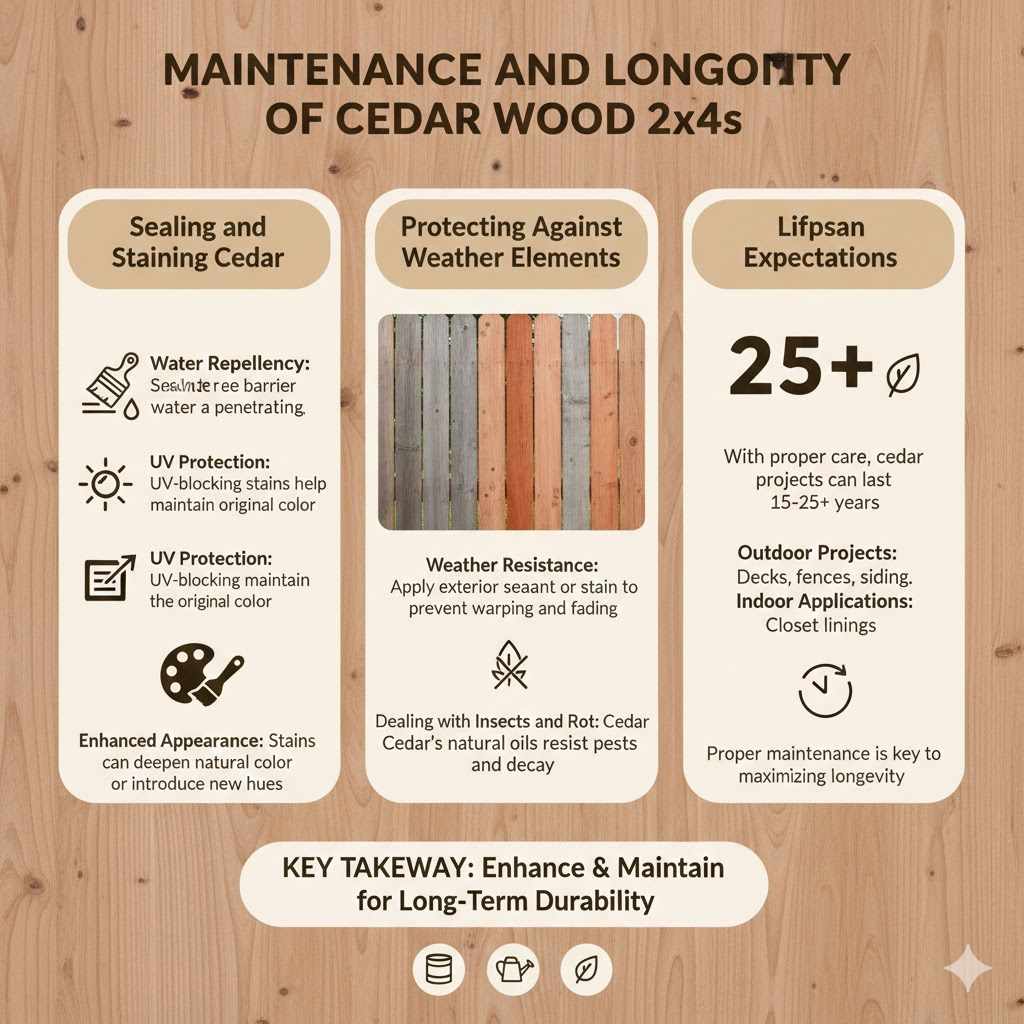
Applying a sealant or stain to your cedar wood 2x4s can offer several benefits. Sealants help to repel water, reducing the risk of rot and warping caused by moisture absorption. Stains not only protect the wood but also allow you to change or enhance its color.
Many outdoor-specific stains contain UV inhibitors, which help prevent the wood from fading or graying due to sun exposure. Choosing a product designed for cedar will ensure the best results.
- Water Repellency: Sealants create a barrier that prevents water from penetrating the wood fibers. This is crucial for outdoor projects that are constantly exposed to rain and snow, helping to prevent swelling, shrinking, and potential rot.
- UV Protection: Sunlight can degrade wood over time, causing it to fade and turn gray. UV-blocking stains help maintain the original color of the cedar, preserving its aesthetic appeal for longer.
- Enhanced Appearance: Stains can deepen the natural color of cedar or introduce new hues, allowing you to customize the look of your project. A good stain will highlight the wood’s grain, adding to its natural beauty.
Protecting Against Weather Elements
Cedar wood naturally resists decay and insects, but prolonged exposure to harsh weather can still impact its appearance and longevity. Applying a good quality exterior sealant or stain is highly recommended. These products help repel water, preventing the wood from absorbing moisture and subsequently swelling or rotting.
They also offer protection against UV rays from the sun, which can cause the wood to fade and turn gray over time.
A homeowner built a cedar fence but decided not to stain or seal it, wanting the natural graying effect. After three years, while the fence was structurally sound, the color had become uneven, with some sections looking much grayer than others due to varying sun exposure. This led them to later apply a semi-transparent stain to achieve a more uniform and appealing look.
Color Preservation and Customization
While many appreciate the natural aging of cedar to a silver-gray color, some prefer to maintain its original rich, reddish-brown tone. Applying a clear water-repellent finish or a stain with UV inhibitors can help preserve the wood’s original color. For those who want to customize the look, cedar accepts stains very well.
You can choose from a wide range of colors to match your home’s exterior or create a specific aesthetic for your project.
A garden center owner wanted to build attractive planter boxes for their nursery. They used cedar 2x4s and opted for a semi-transparent redwood stain. This stain enhanced the natural reddish tones of the cedar, giving the planters a warm and inviting look that perfectly complemented the plants they held.
The consistent color made the entire display look more professional and appealing to customers.
Dealing with Insects and Rot
Cedar’s natural oils provide inherent resistance to many common wood-destroying insects and fungi that cause rot. This is a major advantage over many other types of lumber, especially for outdoor applications. However, no wood is completely impervious.
In areas with extreme moisture or persistent insect pressure, additional protection might be beneficial. Proper installation, ensuring good drainage, and avoiding direct soil contact for any wood components can further enhance its resistance.
A construction company specializing in docks and piers found that cedar was their go-to material. Even in constantly wet environments, cedar 2x4s used for pilings and framing showed minimal signs of rot compared to treated pine. They noted that while occasional inspection was still necessary, the natural properties of cedar significantly reduced the frequency of structural repairs and replacements.
Natural Resistance of Cedar
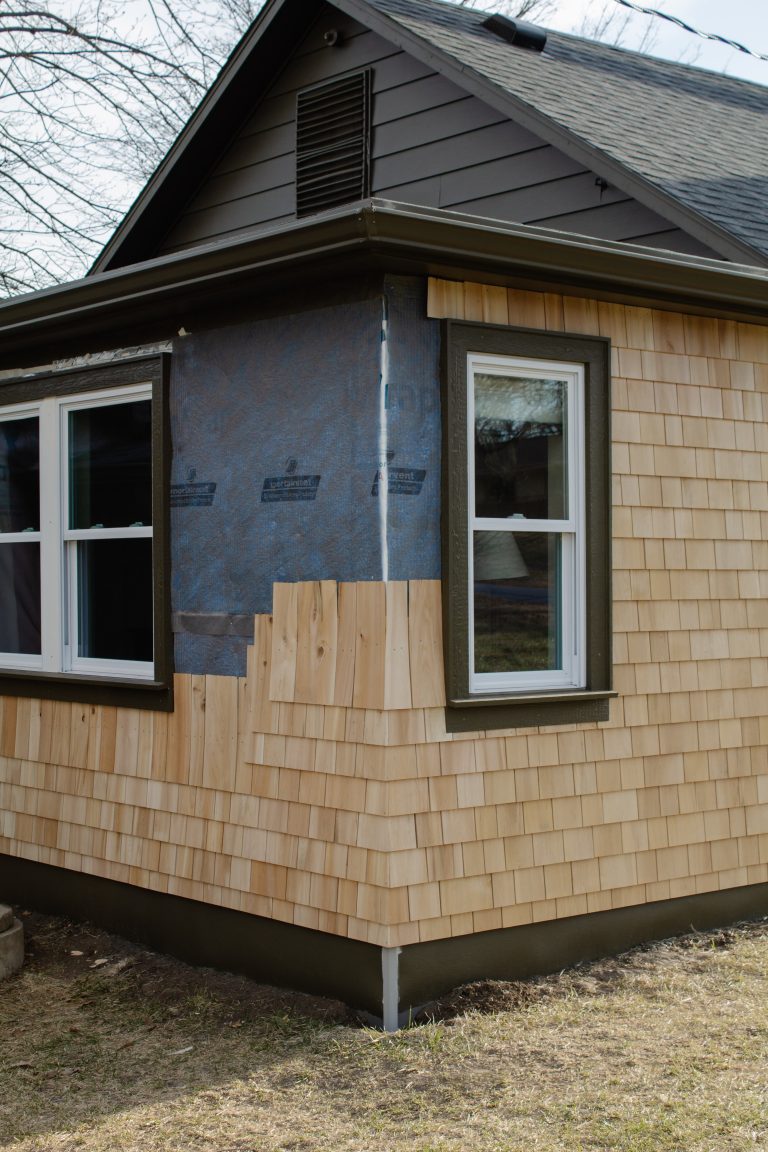
Cedar wood contains natural oils and extractives that act as a defense mechanism against insects and rot. These compounds make the wood less appealing and harder for pests like termites and carpenter ants to infest, and they also inhibit the growth of fungi that cause decay. This intrinsic resistance is why cedar is so popular for outdoor use, such as in decks, fences, and siding, where it’s constantly exposed to the elements and potential threats.
A homeowner was building a dog kennel and chose cedar 2x4s for the main structure. They were concerned about the wood decaying quickly due to potential moisture from the dogs. After several years, the kennel remained in excellent condition.
The cedar’s natural resistance to rot and insects meant the structure was still solid and safe, providing a comfortable environment for their pets without early signs of degradation.
Lifespan Expectations
With proper care and depending on the specific cedar species and grade, cedar wood 2x4s can last for many years. For outdoor projects like decks and fences, you can often expect a lifespan of 15 to 25 years or even longer, especially with regular sealing or staining. For indoor applications, such as closet linings, cedar can maintain its aromatic properties and structural integrity for decades.
Proper maintenance is the key to maximizing the longevity of any cedar project.
A property manager overseeing several older buildings noticed that the original cedar decks installed over 30 years ago were still in good condition. While they had weathered to a natural gray, they showed no significant signs of rot or structural failure. This longevity attributed to the inherent properties of cedar and the fact that they were periodically resealed, demonstrating the long-term value of investing in quality cedar lumber.
Frequently Asked Questions
Question: What is the actual size of a cedar wood 2×4
Answer: The actual dimensions of a cedar wood 2×4 are typically 1.5 inches thick and 3.5 inches wide after milling and drying.
Question: Is cedar wood good for outdoor projects
Answer: Yes, cedar wood is excellent for outdoor projects because it is naturally resistant to rot, decay, and insects.
Question: What is the most expensive grade of cedar
Answer: The clear grade of cedar, which has no knots, is generally the most expensive due to its appearance and uniformity.
Question: How long does cedar wood typically last
Answer: Properly maintained cedar wood 2x4s can last 15 to 25 years or more, especially for outdoor applications.
Question: Can I stain cedar wood
Answer: Yes, cedar wood accepts stains very well, allowing you to customize its color and enhance its natural beauty while providing protection.
Summary
You’ve learned that cedar wood 2x4s are fantastic for many building needs. We covered their actual sizes, how they’re used both outdoors and indoors, and the pricing factors like cedar type and grade. We also touched on how to maintain them for a long life.
Now you’re well-equipped to choose and use cedar 2x4s confidently for your next project, enjoying their beauty and durability.