Does Cedar Repel Roaches? What the Research Actually Shows
Cedar’s reputation as a roach repellent is mostly folklore — but not entirely. One real peer-reviewed study tested it directly, and the results are more modest (and more interesting) than the “toxic natural pesticide” claim you’ll see repeated across the internet.
Here’s what’s actually true: cedar is a well-established, scientifically documented repellent for clothes moths — that’s not folklore, that’s why cedar chests and cedar closets have been used for a century. Roaches are a different story. A 1989 entomology study found cedar does measurably repel German and brownbanded cockroaches when they have somewhere else to go, but it doesn’t kill them, and it doesn’t stop a real infestation. Below is what the research actually found, why cedar works so differently on roaches than on moths, and what you should use instead if roaches are the actual problem.
The Short Answer: A Mild Deterrent, Not a Roach Killer
Cedar can make a space somewhat less inviting to roaches, but it will not eliminate an existing infestation and it will not kill roaches on contact. Its real, well-earned reputation is as a moth repellent — the aromatic oils in cedar heartwood disrupt moth pheromone signaling, which is why cedar chests have protected wool for generations. Roaches respond to the same oils much more weakly, and only when they aren’t desperate for food, water, or shelter nearby.
Best Cedar Set For Closets & Drawers
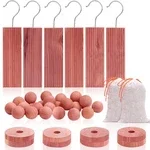 |
Homode Cedar Blocks, Balls & Sachets, 40-Pack – $17.99 A real, unscented-chemical option for closets and drawers — genuinely effective against moths, and a mild bonus deterrent for roaches per the research below.
|
What the Research Actually Found
Most “cedar repels roaches” articles cite no source at all. There is an actual peer-reviewed study, though: Appel and Mack tested milled aromatic eastern red cedar against the German cockroach (Blattella germanica) and brownbanded cockroach, publishing the results in the Journal of Economic Entomology in 1989. Using Ebeling choice-box tests — essentially giving roaches a choice between a cedar-lined space and a plain one — they found two things worth knowing:
- Cedar is genuinely repellent, up to a point. Repellency increased the more cedar surface area was present, but in no test condition were more than about 63% of the roaches repelled. In other words, even in the best case, well over a third of the roaches stayed put anyway.
- Cedar does not kill roaches. In continuous-exposure tests, cedar caused no measurable roach mortality. Roaches that couldn’t avoid the cedar simply tolerated it.
That directly contradicts the common claim that cedar oils are “toxic” to roaches or disrupt their nervous system to the point of death. The real finding is narrower and more useful: cedar is a partial, non-lethal deterrent that works best when roaches have somewhere else to go — not a substitute for actually solving a roach problem.
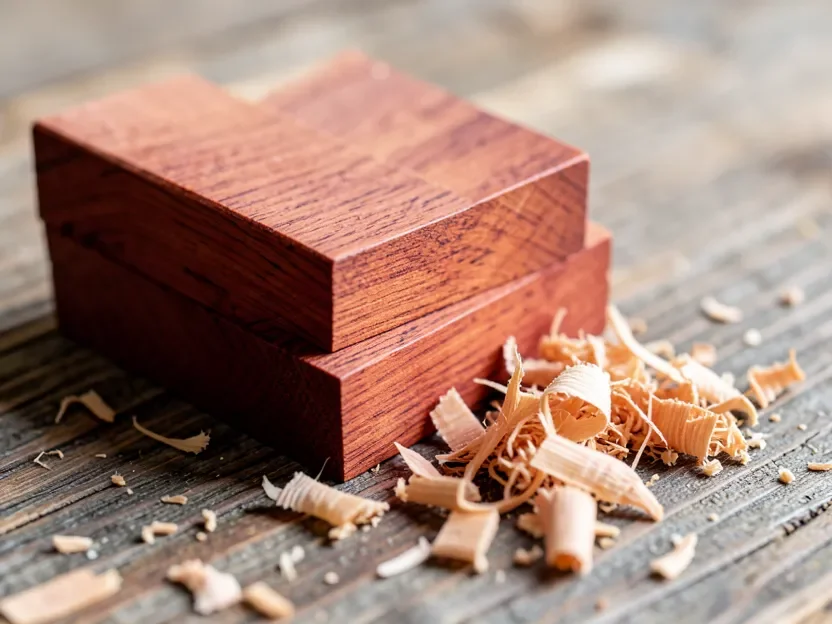
Why Cedar Works Great on Moths but Falls Short on Roaches
The gap between cedar’s moth reputation and its roach reputation comes down to how each insect actually behaves.
Clothes moths rely heavily on scent to find mates and lay eggs — female moths release a pheromone trail, and males track it. Cedar’s aromatic hydrocarbons interfere directly with that signaling and also seem to irritate moth larvae enough that they avoid treated wool. Because moths don’t need to be in your closet for any reason other than breeding and feeding on natural fibers, a strong competing scent is often enough to keep them away entirely. This is a long-established use, not a fringe claim — it’s the entire reason cedar chests and cedar closet liners exist as a product category.
Roaches are a different animal, literally. They’re drawn into a space by food residue, standing water, warmth, and dark hiding spots — needs that don’t go away just because the air smells like cedar. Cedar doesn’t attract them, but it also isn’t a strong enough incentive to make a hungry roach turn around when food is on the other side of that cedar-scented room. That matches the 1989 study: repellency showed up clearly in a controlled choice test, but real kitchens and bathrooms give roaches plenty of reasons to route around a cedar block rather than avoid the room altogether.
There’s also a resource question moths don’t have to deal with. A roach colony can subsist on grease residue, cardboard glue, and even soap — it doesn’t need much to keep going. That means even a “somewhat unpleasant” scent barely registers against the payoff of staying near a reliable food source. Moths, by contrast, aren’t weighing survival trade-offs the same way; a strong-enough scent is often the deciding factor in whether they lay eggs in a given closet at all. That’s the core reason the same wood produces two very different outcomes.
Real Ways to Actually Get Rid of Roaches
If you’re dealing with an actual roach problem, these steps do far more than any wood in your house:
- Remove the food and water they’re after. Wipe up grease and crumbs, store food in sealed containers, and fix drippy faucets — roaches can survive on almost nothing, so consistency matters more than a single deep clean.
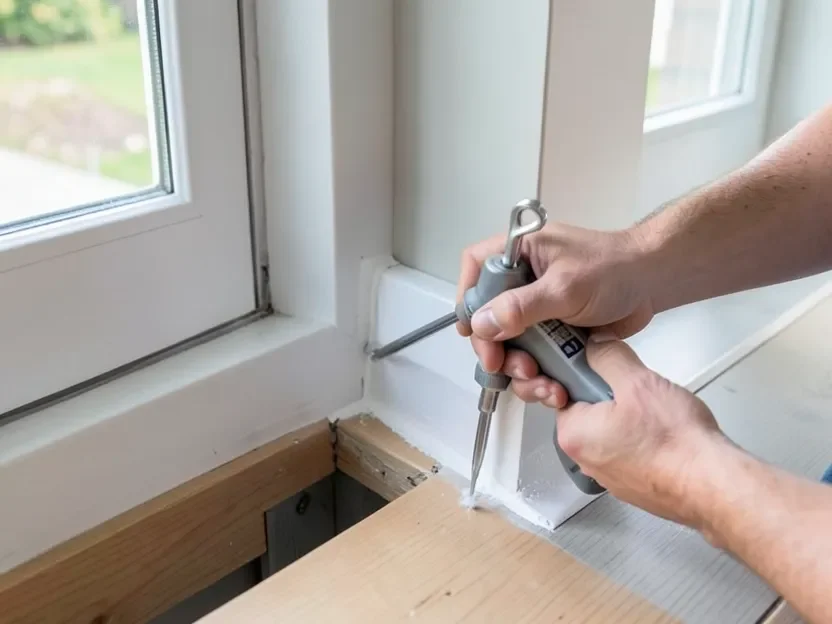
- Seal entry points. Caulk gaps around baseboards, pipes, and window and door frames. Roaches can flatten themselves through surprisingly small gaps to get inside.
- Cut off moisture. Roaches need water more than food. Fix leaks under sinks, run a dehumidifier in damp basements, and don’t let water sit in drain pans.
- Use gel bait or boric acid in cracks and crevices. These are the actual evidence-based tools pest control relies on — roaches carry bait back to the nest, which knocks down a population far more effectively than any scent-based deterrent.
- Call a professional for an established infestation. If you’re seeing roaches during the day or finding them in multiple rooms, that usually means the population is beyond what DIY methods — cedar included — can handle.
Cedar isn’t useless here — it just isn’t the tool for this job. Think of it as a pleasant-smelling supplement you layer on top of the steps above, not a replacement for them.
How to Use Cedar the Right Way
Cedar still earns a place in your home — just aim it at the pests it’s actually good at handling, with a modest roach-deterrent bonus where it’s placed:
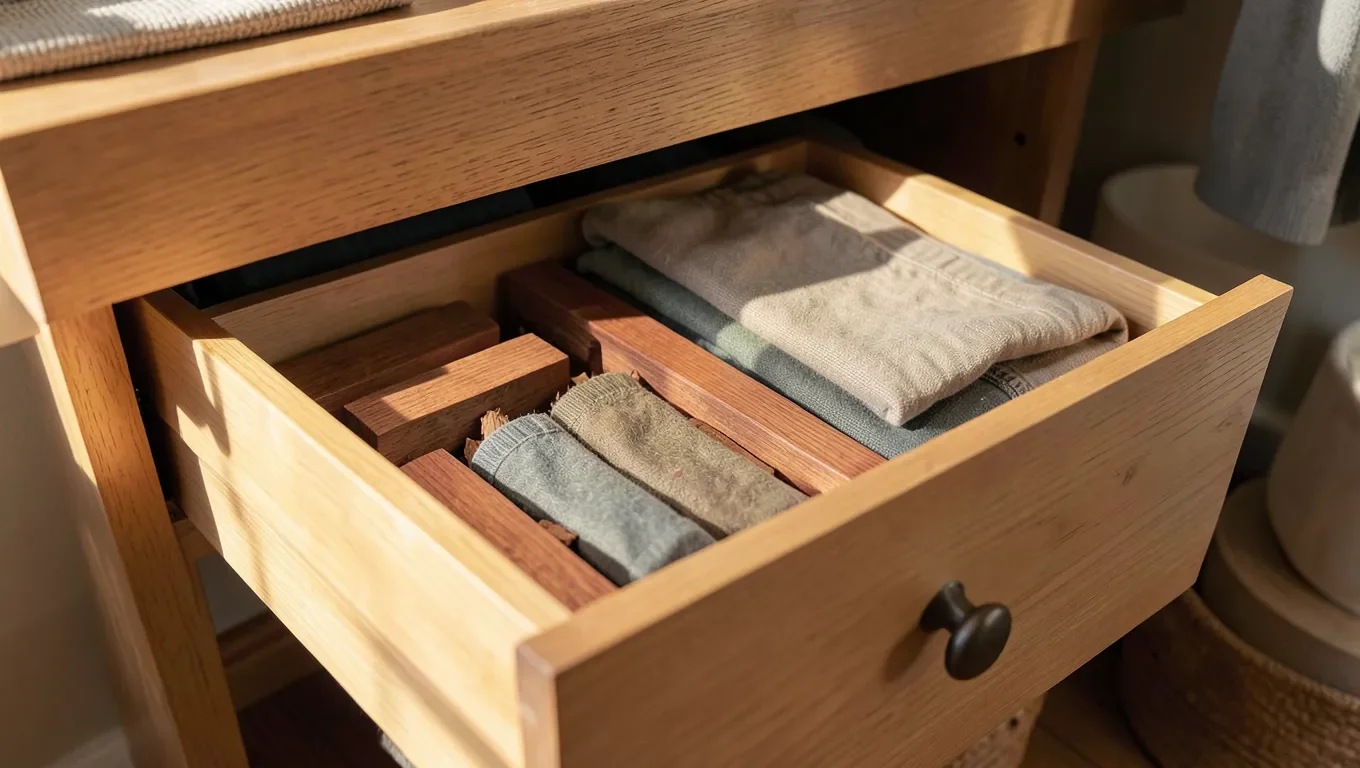
- Closets and drawers first. This is cedar’s proven job: protecting wool, cashmere, and other natural fibers from clothes moths. Cedar blocks work by releasing aromatic oils that moth larvae avoid.
- Kitchens and bathrooms as a secondary layer. Cedar sachets or chips tucked under sinks or behind appliances won’t solve a roach problem, but per the research above they can make those spots modestly less appealing once you’ve already removed food, water, and entry points.
- Refresh the scent every few months. Cedar’s oils evaporate over time — typically noticeable within three to six months depending on airflow. Lightly sanding the surface exposes fresh wood and restores the scent.
- Skip cedar mulch for indoor pest control. Outdoor cedar mulch loses its oils to weather much faster than solid cedar blocks, and it isn’t designed for indoor placement.
Frequently Asked Questions
Does Cedar Repel Roaches?
Partially. A 1989 study found cedar repelled up to about 63% of German and brownbanded cockroaches in choice tests, but roaches with easy access to food or water will often ignore it. It’s a mild deterrent, not a solution to an active infestation.
Does Cedar Kill Roaches?
No. The same study found cedar caused no roach mortality even with continuous exposure. Claims that cedar oil is “toxic” to roaches or kills them on contact aren’t supported by the available research.
What Does Cedar Actually Repel Well?
Clothes moths, by far — this is cedar’s best-documented use, which is why cedar chests and closet liners are a long-standing product category. It also has some effect on carpet beetles. Its effect on roaches, ants, and other pests is real but much weaker.
What’s the Best Way to Get Rid of Roaches?
Remove their food and water sources, seal entry points around baseboards and pipes, and use gel bait or boric acid in cracks and crevices. For an infestation that’s already established, a pest control professional will be faster and more reliable than any home remedy.
Conclusion
Cedar earned its pest-repelling reputation from moths, not roaches — and the actual roach research backs a much smaller claim than the internet usually makes. Use cedar where it genuinely excels (closets and drawers, protecting fabric from moths), treat it as a minor bonus everywhere else, and rely on sanitation, sealed entry points, and real baits if roaches are your actual problem.
Sponsored / affiliate links. As an Amazon Associate I earn from qualifying purchases. I may earn additional commission from eligible campaigns.