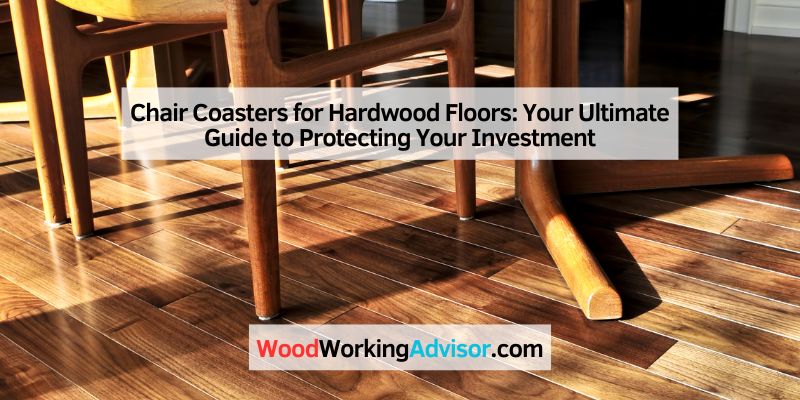
Chair Coasters for Hardwood Floors: Your Ultimate Guide to Protecting Your Investment
Hey there! If you’re like me, you’ve probably spent a good chunk of time and money making sure your hardwood floors look stunning. They’re the pride of your home, right? That warm, polished glow just ties a room together. But then, you notice those sneaky scratches from your dining chairs or that annoying screech when you slide them across the floor. It’s enough to make your heart sink. That’s where chair coasters for hardwood floors come in—a simple, affordable fix that can save your floors and your sanity.
I’ve been down this road myself, trying out different solutions to keep my floors pristine, and I’m excited to share everything I’ve learned with you. Let’s dive into why chair coasters are a game-changer, how to pick the right ones, and some tips to make them work like a charm.
What Are Chair Coasters and Why Do They Matter?
So, what exactly are chair coasters? Think of them as little protective pads or cups that go under your chair legs. They act like a buffer between your furniture and your hardwood floors. They’re designed to prevent scratches, scuffs, and dents while making it easier to slide your chairs around without that awful scraping noise. I remember the first time I saw a scratch on my oak floors—it felt like a punch to the gut. That’s when I started looking into these handy little things.
Chair coasters are especially important for hardwood floors because wood, even when sealed, is softer than you might think. Constant chair movement, like at your dining table, can wear down the finish over time. Without protection, you’re looking at costly repairs or refinishing. Coasters spread out the weight of the chair, reduce friction, and keep your floors looking brand-new. Plus, they’re super easy to use—no fancy tools or skills needed.
Types of Chair Coasters: Finding the Perfect Fit
Not all chair coasters are created equal, and I learned this the hard way. There’s a surprising variety out there, each with its own perks. Let’s break down the main types so you can figure out what works best for your home.
Felt Coasters
Felt coasters are my go-to for most chairs. They’re soft, durable, and gentle on hardwood. The thick felt pad sticks to the bottom of your chair legs, usually with a strong adhesive or a nail-on base. I’ve used these on my dining chairs, and they glide smoothly without leaving a mark. They’re great for lightweight to medium-weight furniture, but you’ll need to check them every few months to make sure the felt hasn’t worn down.
Plastic or Rubber Cups
These are like little cups that cradle your chair legs. They’re perfect for heavier furniture or chairs with wheels, like office chairs. I tried rubber cups under my desk chair, and they stopped those annoying wheel marks dead in their tracks. Plastic cups are cheaper, but rubber ones grip better and don’t slide around as much. Just make sure they’re non-marking to avoid any surprises.
Caster Coasters
If your chairs have wheels, caster coasters are a must. These are designed to fit over or replace the wheels on your chairs. I swapped out the hard plastic casters on my office chair for soft polyurethane ones, and it was a total game-changer. They roll smoothly, don’t scratch, and look sleek. Just double-check the size to match your chair’s casters.
Slider Coasters
Slider coasters are all about making heavy furniture easy to move. They’re usually made of slick materials like Teflon or PTFE, with a felt or foam backing. I used these under a heavy armchair, and I could slide it across the room without breaking a sweat. They’re ideal for furniture you rearrange often, but they might not be as secure for daily chair use.
Here’s a quick table to help you compare:
| Type | Best For | Pros | Cons |
|---|---|---|---|
| Felt Coasters | Dining chairs, lightweight furniture | Affordable, easy to install, quiet | May wear out over time |
| Plastic/Rubber Cups | Heavy chairs, wheeled furniture | Durable, good grip | Can be bulky, less attractive |
| Caster Coasters | Chairs with wheels | Smooth rolling, stylish | Need exact size match |
| Slider Coasters | Heavy, movable furniture | Easy to slide, reusable | Less secure for constant use |
How to Choose the Right Chair Coasters for Your Hardwood Floors
Picking the right coasters can feel overwhelming, but it doesn’t have to be. I’ve made a few mistakes along the way—like buying coasters that were too small for my chair legs—so let me save you some trouble. Here’s what to keep in mind.
Match the Coaster to Your Floor Type
Not all hardwood floors are the same. If your floors have a glossy polyurethane finish, felt or rubber coasters work great. For waxed or oiled floors, stick to non-marking materials like PTFE sliders to avoid smudging the finish. I once used plastic cups on a waxed floor, and they left faint marks. Lesson learned!
Consider Your Chair’s Weight and Use
Lightweight chairs, like those in your dining room, do well with felt coasters. Heavier furniture, like a recliner, needs sturdier options like rubber cups or sliders. If your chairs get a lot of action—like at a busy family table—go for durable, replaceable coasters. My kids are constantly scooting their chairs, so I opted for heavy-duty felt pads that I can swap out when they wear down.
Measure Your Chair Legs
This sounds obvious, but it’s easy to skip. Measure the diameter or width of your chair legs to ensure a snug fit. I once bought coasters that were too big, and they kept slipping off. For round legs, check the diameter; for square legs, measure the sides. Most coasters come in standard sizes, but double-checking saves you a headache.
Look for Easy Installation
Some coasters, like adhesive felt pads, are peel-and-stick. Others, like nail-on or tap-on glides, need a hammer or screwdriver. I prefer adhesive ones for quick fixes, but nail-on coasters are more secure for long-term use. If you’re not handy, stick to snap-on or cup-style coasters that don’t require tools.
Check for Style
Let’s be real—coasters don’t have to be ugly. Some come in neutral colors or sleek designs that blend with your furniture. I found clear plastic cups that are barely noticeable under my dining chairs. If aesthetics matter to you, shop around for coasters that won’t clash with your decor.
Installing Chair Coasters: My Step-by-Step Guide
Installing chair coasters is easier than you might think. I’ve done this dozens of times, and it’s usually a quick weekend project. Here’s how I do it, step by step.
- Clean the Chair Legs: Wipe down the bottom of your chair legs with a damp cloth to remove dust or grime. Dry them thoroughly. This helps adhesive coasters stick better or ensures a clean surface for nail-on types.
- Measure and Match: Double-check your chair leg size against the coasters. If they’re too loose or tight, they won’t work well. I keep a small ruler handy for this.
- Apply Adhesive Coasters: For peel-and-stick felt pads, remove the backing and press firmly onto the chair leg. Hold for a few seconds to set the adhesive. I sometimes add a dab of super glue for extra security.
- Install Nail-On or Tap-On Coasters: For nail-on coasters, position the coaster and gently tap the nail into the wood with a hammer. For tap-on types, align the coaster and tap it into place. Be gentle to avoid damaging the chair.
- Fit Cup or Slider Coasters: For cups, slide them over the chair legs. For sliders, place them under the legs and test the movement. If they’re too loose, try a smaller size.
- Test the Chairs: Place the chairs back on the floor and give them a gentle push. They should glide smoothly without wobbling. If they don’t, recheck the fit or adhesive.
Pro tip: If you’re using adhesive coasters, wait a few hours before moving the chairs heavily. This gives the glue time to set.
Maintaining Your Chair Coasters for Long-Lasting Protection
Chair coasters aren’t a “set it and forget it” solution. I learned this when I noticed my felt pads looking worn after a year of heavy use. A little maintenance goes a long way to keep them working.
Check for Wear
Every few months, flip your chairs over and inspect the coasters. Felt pads can thin out, and rubber cups can crack. Replace any that look worn to avoid scratching your floors. I keep a stash of extra felt pads for quick swaps.
Clean Them Regularly
Dust and pet hair love to cling to felt coasters. I vacuum or wipe them down with a damp cloth every month. For rubber or plastic coasters, a quick wash with soap and water does the trick. Clean coasters glide better and last longer.
Reapply Adhesive as Needed
Adhesive coasters can loosen over time, especially with heavy use. If they start peeling, remove them, clean the chair leg, and apply a new one. I’ve also used a tiny drop of glue to reinforce loose pads.
Rotate or Replace Casters
If you’re using caster coasters, check for dirt buildup in the wheels. A quick wipe keeps them rolling smoothly. Replace any cracked or hard casters to avoid floor damage. I swapped out my office chair casters every couple of years for peace of mind.
Common Mistakes to Avoid with Chair Coasters
I’ve made my share of blunders with chair coasters, so let me save you some trouble. Here are the biggest mistakes to watch out for.
Using the Wrong Material
Hard plastic or metal coasters are a no-go for hardwood floors. They can scratch or dent the wood. Stick to soft materials like felt, rubber, or polyurethane. I once tried cheap plastic glides, and they left faint marks within a week.
Skipping Measurements
Guessing the size of your chair legs is a recipe for disaster. Too small, and they won’t stay on; too big, and they’ll slip off. Always measure first. I wasted money on mismatched coasters before I got smart about this.
Ignoring Weight Limits
Some coasters aren’t built for heavy furniture. Check the weight rating, especially for sliders or cups. I used lightweight felt pads under a heavy sofa once, and they flattened out in days.
Forgetting Maintenance
Coasters need a little TLC to keep working. Ignoring worn pads or dirty casters can lead to floor damage. Set a reminder to check them every few months. I learned this after finding a scratch from a worn-out pad.
Benefits of Using Chair Coasters Beyond Floor Protection
Chair coasters do more than just save your floors. I was surprised by the extra perks I noticed after using them for a while.
Quieter Movement
That screeching sound when you move a chair? Gone. Felt and rubber coasters make chairs glide quietly, which is a blessing in a busy household. My family dinners are much more peaceful now.
Easier Furniture Movement
Coasters, especially sliders, make rearranging furniture a breeze. I can move my dining table single-handedly thanks to slider coasters. It’s a small thing, but it makes life easier.
Prolonged Furniture Life
Coasters reduce stress on chair joints by minimizing friction. This means your chairs last longer. I noticed my old dining chairs felt sturdier after adding coasters.
Enhanced Aesthetics
Some coasters, like sleek caster wheels or clear cups, look pretty darn good. They can even add a modern touch to your furniture. I swapped out clunky plastic casters for shiny polyurethane ones, and my office chair looks way better.
Where to Buy Quality Chair Coasters
Finding good chair coasters doesn’t have to be a chore. I’ve shopped around a lot, and here are my favorite places to look.
- Home Improvement Stores: Places like Home Depot or Lowe’s have a solid selection of felt pads, rubber cups, and nail-on coasters. I grabbed a pack of felt pads at Home Depot for under $10.
- Online Retailers: Amazon and Wayfair offer tons of options, from budget-friendly packs to premium casters. I found my favorite polyurethane casters on Amazon with great reviews.
- Specialty Stores: Websites like All Glides or X-Protector focus on floor protection products. They have detailed sizing guides, which saved me from buying the wrong coasters.
- Furniture Stores: Some furniture retailers sell coasters designed for their chairs. I got custom-fit felt pads from the store where I bought my dining set.
Wherever you shop, read reviews and check return policies. I always buy a small pack first to test before committing to a bulk order.
My Personal Favorites: Top Chair Coasters I’ve Tried
After years of trial and error, I’ve got a few chair coasters I swear by. Here’s my shortlist, based on real-world use in my home.
- X-Protector Felt Pads: These adhesive felt pads are thick, durable, and stick like nobody’s business. I use them on my dining chairs, and they’ve held up for over a year.
- Slipstick Rubber Caster Cups: These cups are perfect for my heavy armchair. They grip the floor and don’t budge, plus they’re nearly invisible.
- CC Apex Polyurethane Casters: I upgraded my office chair with these, and they roll like a dream. No scratches, no noise, just smooth sailing.
- Teflon Slider Pads: These are my go-to for moving heavy furniture. I used them under a bookcase, and it glides effortlessly.
Conclusion
So, there you have it—everything I’ve learned about chair coasters for hardwood floors. I know how much those floors mean to you. They’re not just wood; they’re a part of your home’s story. With the right chair coasters, you can keep them looking flawless for years to come. Whether you go for felt pads, rubber cups, or sleek casters, you’re making a smart investment in your home. I’ve seen the difference coasters make in my own house—no more scratches, no more screeching, just peace of mind.
Take a little time to measure your chairs, pick the right coasters, and give your floors the love they deserve. You won’t regret it. Now, go enjoy those beautiful hardwood floors without a worry!
Frequently Asked Questions
Can Chair Coasters Damage My Hardwood Floors?
No, chair coasters are designed to protect your floors, not harm them. Just make sure you choose soft materials like felt, rubber, or polyurethane. Avoid hard plastic or metal coasters, as they can scratch. I always test a new coaster on a small area first to be safe.
How Often Should I Replace Chair Coasters?
It depends on use, but I check mine every 3-6 months. Felt pads might need replacing yearly if your chairs get heavy use. Rubber cups and casters last longer, often 1-2 years. Swap them out when they look worn to keep your floors safe.
Are Chair Coasters Easy to Install?
Yes, most are super easy. Adhesive felt pads are peel-and-stick, while cups just slide on. Nail-on or tap-on coasters need a hammer, but it’s straightforward. I installed felt pads on six dining chairs in under 10 minutes.
Can I Use Chair Coasters on Other Floors?
Absolutely! Felt and rubber coasters work great on tile, laminate, or vinyl too. Just avoid sliders on carpet, as they won’t glide well. I use felt pads on my tile kitchen floor, and they’re perfect.
Do Chair Coasters Make Chairs Wobbly?
Not if they’re the right size. Properly fitted coasters keep chairs stable. Measure your chair legs carefully to avoid loose or uneven coasters. I had a wobbly chair once, but swapping for snug-fitting coasters fixed it.