Best Chair Leg Protectors for Hardwood Floors (Size Chart)
The best chair leg protectors for hardwood floors are silicone caps with a bonded felt base, but only if they fit your leg. A cap that is too big slides off, and one that is too small will not go on. Measure first, then buy. This guide gives a size chart, a cost-per-chair comparison, and a pick, all built from current listing specs.
Best Chair Leg Protectors for Hardwood Floors
Best Overall Chair Leg Protector | |
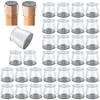 |
OASUM 32 Pcs Silicone Chair Leg Floor Protectors with Felt Pads (Large Fit), $17.50 Fits round legs from 1-5/16 to 2 inches and square legs from 1-3/16 to 1-9/16 inches per the listing, which covers the leg sizes in our size chart below. The 32-piece pack covers eight four-leg chairs.
|
As an Amazon Associate we earn from qualifying purchases. | |
We have not physically tested these products. The pick above and the comparisons below come from the specifications and prices on the Amazon listings we read while writing this update, so check the size ranges against your own chair legs before ordering. Prices change often.
Four things decide whether a protector works on your chairs: the leg size it fits, what touches the floor, how it attaches, and what it costs for a full set of legs. The sections below put real numbers on all four.
How to Measure Chair Legs Before You Buy
Sizing is where most buyers go wrong, and it is the main reason protectors fall off. Listings give size ranges as a leg diameter for round legs or a side length for square legs, so measure the same way.
- Square legs: measure one side with a ruler at the foot of the leg, not higher up where the leg may be wider.
- Round legs: wrap a strip of paper or a soft tape around the leg, mark the overlap, measure the strip, and divide by 3.14 to get the diameter.
- Tapered legs: measure at the bottom 1 inch, since that is the part the cap grips.
- Angled or splayed legs: the foot meets the floor at a slant, so look for protectors described as having a wrapped or 360 degree felt base.
If you only have a wrap measurement, this table converts it. The circumference column is simply the diameter times pi (3.14).
| Round leg diameter | Wrap (circumference) measurement |
|---|---|
| 1 inch | 3-1/8 inches |
| 1-1/4 inches | 3-15/16 inches |
| 1-5/16 inches | 4-1/8 inches |
| 1-1/2 inches | 4-11/16 inches |
| 1-3/4 inches | 5-1/2 inches |
| 2 inches | 6-1/4 inches |
Chair Leg Protector Size Ranges Compared
Here is a detail worth checking. Brands that sell several sizes leave small gaps between them. A leg that falls in a gap fits no size well. Using the size ranges printed on the listings we read:
| Product | Leg size it fits (per listing) | Type |
|---|---|---|
| OASUM 32 pack | Round 1-5/16 to 2 in; square 1-3/16 to 1-9/16 in | Silicone cap, felt base |
| BALEINE 16 pack (round) | Small 1 to 1-1/4 in; Large 1-3/8 to 1-1/2 in; X-Large 1-3/4 to 2-1/4 in | Silicone cap, bonded felt base |
| Meldel 24 pack (round) | XS 9/16 to 13/16 in; Small 13/16 to 1 in; Medium 1 to 1-3/16 in; Large 1-1/4 to 1-3/8 in | Silicone (TPE) cap, 360 degree felt base |
| Ansible 24 pack (square) | Square Large: 1-1/16 to 1-5/8 in side length | Silicone cap, felt base |
| Super Sliders 8 pack | 1 in round | Silicone cap, steel reinforced, felt base |
| X-Protector 48 pack | 1 in round pads | Adhesive felt pads |
Look at BALEINE: its Small tops out at 1-1/4 inches and its Large starts at 1-3/8 inches, so a 1-5/16 inch leg sits between them. Always confirm against the current listing, because sellers change sizes and variants. A cap sold in a range that spans those widths, as the OASUM listing does, avoids the gap problem.

Types of Chair Leg Floor Protectors for Hardwood Floors
Silicone caps with a felt base
A stretchy cap slips over the foot of the leg and a felt disc sits underneath. Because the cap wraps the leg, nothing relies on adhesive. This is the most common style on current listings and the one we recommend for dining chairs that get pulled in and out daily.
Stick-on felt pads
Adhesive felt is cheap and thin, and it works on legs where nothing can slip over the foot, such as a leg that flares at the bottom. The tradeoff is the adhesive: when it lets go, the pad falls off and you may not notice until a bare leg is dragging. They also need to be stuck on a clean, dry leg.
Rubber and hard plastic tips
These grip rather than glide. They suit chairs that should stay put, but on a dining chair that you slide under a table they resist movement, which can lead people to lift and drop the chair instead. Choose a felt base if you slide chairs often.
Cap shape: round or square
Match the cap to the leg. A round cap stretched over a square leg bunches at the corners, and a square cap on a round leg leaves gaps. Several brands sell both shapes, so pick by the shape of the foot.
Cost per Chair: What a Full Set Really Costs
Pack prices look similar until you divide by the number of pieces. A dining chair has four legs, so the useful number is cost per chair. The table uses the listing prices we read while writing this guide.
| Pack | Price | Pieces | Per protector | Per 4-leg chair | Chairs covered |
|---|---|---|---|---|---|
| X-Protector 48 pack (adhesive felt) | $7.99 | 48 | $0.17 | $0.67 | 12 |
| PISAO 24 pack | $7.98 | 24 | $0.33 | $1.33 | 6 |
| OASUM 32 pack (our pick) | $17.50 | 32 | $0.55 | $2.19 | 8 |
| BUMACO 40 pack | $23.99 | 40 | $0.60 | $2.40 | 10 |
| BALEINE 16 pack | $9.99 | 16 | $0.62 | $2.50 | 4 |
| Meldel 24 pack | $15.99 | 24 | $0.67 | $2.67 | 6 |
| Super Sliders 8 pack | $7.99 | 8 | $1.00 | $4.00 | 2 |
The pattern is clear: stick-on felt costs the least per chair, but it relies on adhesive and is not a fit-and-forget option. Among the silicone caps, cost per chair runs from about $1.33 to $4.00, so protecting a six-chair dining set costs roughly $8 to $24. The eight-piece Super Sliders pack covers only two chairs, which is why its per-chair price is the highest. Use tool-free caps for the chairs you move daily and keep the cheapest pads for light-use furniture.
How to Install Chair Leg Protectors So They Stay On
- Clean the foot of the leg first. Dust and old adhesive residue make a cap slip and keep sticky pads from bonding.
- Tip the chair back so all four feet are easy to reach, and work one leg at a time.
- Stretch the cap over the foot until the leg is fully seated against the inside top of the cap, with the felt flat on the bottom.
- Check all four legs sit level by setting the chair upright and pressing down on each corner. A cap that is only half on will tilt the chair.
- Re-seat any cap that rides up after the first few weeks of use.
Chair Leg Protector Mistakes That Still Let Floors Get Marked
- Buying by pack size alone. A 48 pack of the wrong size protects nothing.
- Skipping the grit. Dirt that gets trapped under a pad can drag across the finish as the chair moves. Sweep or vacuum the area under the table and wipe the pads when you clean.
- Never checking worn pads. Once the felt wears through or flattens down to the hard material, the pad is no longer cushioning anything. Look at the bottoms when you flip a chair to clean.
- Forgetting the rest of the furniture. Chairs are only one source of marks. See our guide to protecting hardwood floors from furniture for tables, sofas, and heavy pieces, and our best rug pads for wood floors comparison for what goes under rugs.
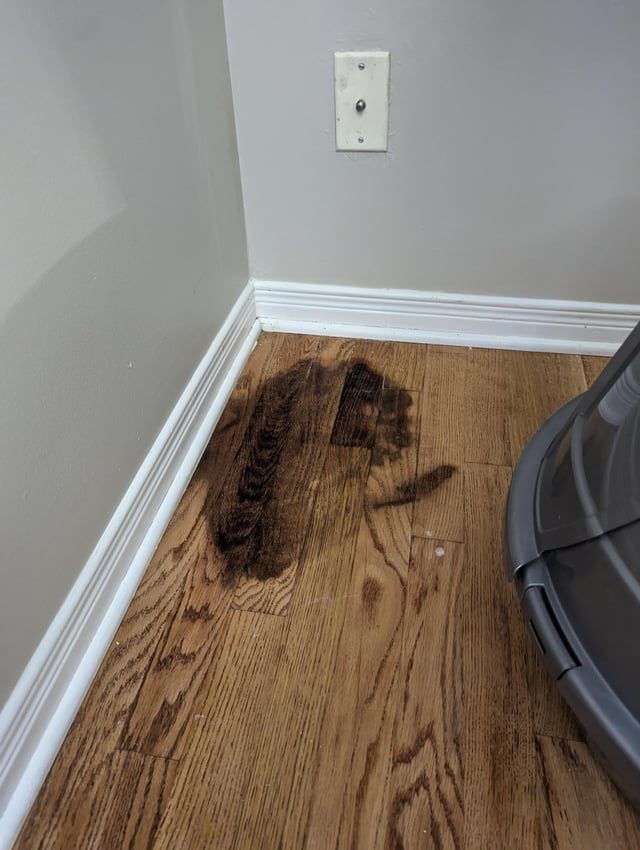
Already have marks? Our guide to removing scuff marks from wood floors explains what works for each finish type, and once the floor is clean, how to shine wood floors covers restoring the surface sheen.
Frequently Asked Questions
Do silicone chair leg protectors scratch hardwood floors?
The floor-facing surface of a good silicone cap is the felt base, not the silicone. Trouble usually comes from grit trapped under the pad, or a pad that has worn down to hard material. Keep the area under the chairs clean and inspect the bottoms regularly. We have not tested wear on specific finishes, so check any pad on a hidden spot first if your floor is delicate.
What size chair leg protectors do I need?
Measure the foot of the leg. For square legs, measure one side. For round legs, wrap a strip of paper around the leg, measure it, and divide by 3.14 to get the diameter. Then match that to the size range on the listing, checking for gaps between sizes, because some brands leave small gaps.
Are felt pads or silicone caps better for hardwood floors?
Silicone caps with a felt base are easier to keep in place because they wrap the leg and need no adhesive. Stick-on felt pads are cheaper per chair and suit legs where a cap will not fit, but they depend on adhesive and can fall off unnoticed.
How often should you replace chair leg protectors?
There is no fixed schedule, since wear depends on how often you move the chairs and how clean the floor is. Replace a protector when the felt looks flattened or worn thin, grit is stuck in it, or the cap is split or no longer holds the leg. Checking the bottoms when you clean is a simple habit.
Do chair leg protectors work on square legs?
Yes, if you buy the right shape and size. Several brands list a square version with a side-length range, and some round caps list a square range too, such as 1-3/16 to 1-9/16 inches on the OASUM listing. Measure the side of the leg and confirm it falls inside the range.
Conclusion
For most dining chairs, pick a silicone cap with a bonded felt base, size it from a real measurement, and compare the cost per chair rather than the price per pack. Our pick for standard-width round and square legs is the OASUM 32 pack linked in the box near the top of this page. Whatever you buy, check the pads whenever you clean under the table and replace the ones that have worn flat.
Sponsored / affiliate links. As an Amazon Associate I earn from qualifying purchases. I may earn additional commission from eligible campaigns.