15 Leftover Hardwood Flooring Projects (Avoid the Veneer Mistake)
Leftover hardwood flooring can become coasters, cutting boards, wall art, and small furniture – but only if you know whether your scraps are solid or engineered first. Sanding through a 0.6mm engineered veneer ruins the piece in seconds, and factory floor finish is not food-safe for a cutting board. This guide covers 15 real projects, which finish is actually food-safe, and how to tell solid from engineered flooring before you cut.
Is Your Leftover Flooring Solid or Engineered? (Check This First)
Engineered hardwood flooring is a plywood or HDF core topped with a thin real-wood veneer, usually between 0.6mm and 4mm thick, glued down as a wear layer. Solid hardwood flooring, by contrast, is one piece of wood all the way through – typically 3/4 inch thick. This difference matters the moment you pick up a sander: a solid plank can be sanded, ripped, and re-sanded repeatedly, while an engineered plank’s veneer can sand through to the plywood core in a single pass.
Look at a cut edge or the end of a plank to tell them apart. Solid wood shows continuous grain all the way through. Engineered flooring shows a thin top layer sitting on visible plywood or fiberboard layers underneath – check the box or receipt if you have it, since manufacturers list this on the product label.
| Flooring Type | Construction | Safe to Sand/Rip? | Best Craft Use |
|---|---|---|---|
| Solid hardwood | One piece of wood, ~3/4″ thick | Yes – sand and re-sand freely | Cutting boards, coasters, tabletops |
| Engineered hardwood | Plywood/HDF core + 0.6–4mm veneer | Risky – one light pass only | Wall art, accent panels, decor (not cutting surfaces) |
According to Titebond manufacturer Franklin International, its Titebond III Ultimate wood glue is rated for indirect food contact once fully cured, which is why it’s a common choice for laminating flooring scraps into a cutting board or serving tray – a small but real detail most repurposing guides skip entirely.
Small Craft Projects
Coasters
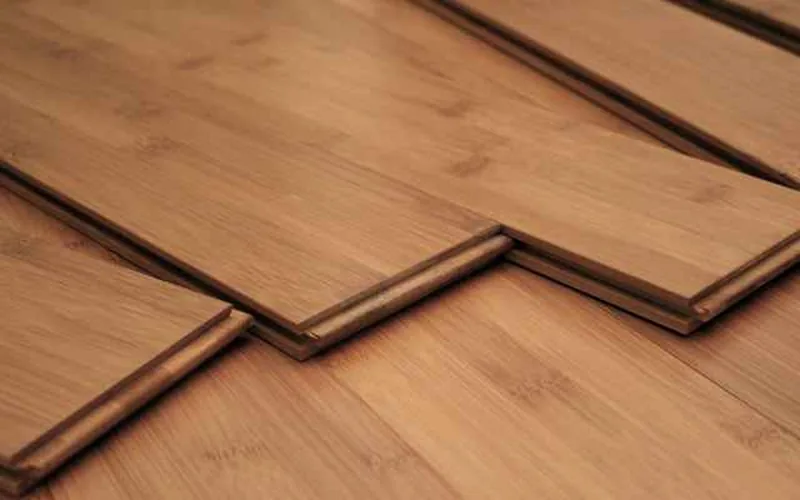
Cut hardwood flooring scraps into 4-inch squares or rounds, sand the edges to 220 grit, and seal with a food-safe finish if they’ll sit near drinks and food. Solid flooring works best here since you can sand both faces flat without hitting a veneer layer.
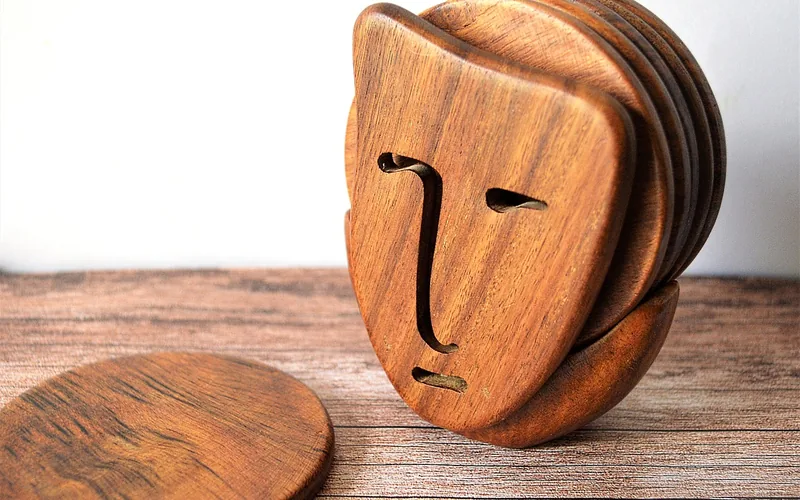
Cutting Boards and Serving Trays (Food-Safe Finish Required)
A cutting board is the one project on this list where the finish matters as much as the wood. Factory floor finish – polyurethane, aluminum oxide, or oil-based stain – is formulated for foot traffic, not food contact, and should be fully sanded off before the board touches food. Re-glue several solid planks edge to edge with a waterproof, food-contact-rated glue, then finish with food-grade mineral oil or a mineral-oil/beeswax blend instead of the original floor coating.
Best Glue for Flooring-Scrap Crafts
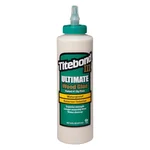 |
Titebond III Ultimate Wood Glue, 16 oz – $9.58 Laminates flooring scraps edge to edge for cutting boards and trays – rated for indirect food contact once cured, and waterproof for coasters or outdoor pieces.
|
Wall Art and Picture Frames
Engineered flooring is actually a good fit here, since wall art doesn’t get sanded down after installation. Cut planks into geometric shapes or strips, arrange them on a plywood backing board with wood glue, and hang the finished panel as a feature wall art piece or a simple picture frame.
Furniture and Benchtop Projects
Benchtops and Small Tables
Solid hardwood scraps glued edge to edge make a durable benchtop or small side-table top. Clamp the pieces flat while the glue cures, then plane or sand the surface level before adding a finish rated for the piece’s actual use – food-safe oil for a table that might see drinks and food, exterior varnish for anything outdoors.
Cabinet Doors and Shelving
Leftover planks make solid-wood cabinet doors with more grain character than MDF, and doubled-up strips glued to a plywood back panel form a simple rustic bookshelf. Use the thickest, flattest solid scraps for doors, since they take the most repeated opening and closing stress.
Wall and Ceiling Treatments
Both solid and engineered scraps work for wall and ceiling treatments, since neither gets sanded after it’s installed – this is where thinner, cosmetically imperfect pieces are worth using up first.
Accent Walls and Wainscoting
Nail or glue planks directly to a wall for an accent wall, or install them at chair-rail height as wainscoting-style paneling. Mixing plank widths and tones from different leftover boxes actually reads as an intentional design choice here, rather than a mismatch to hide.
Ceiling Panels
Cut planks into uniform lengths and attach them to a plywood backing with a flooring nail gun or construction adhesive, then install the finished panel on the ceiling. This adds texture and warmth to a room without the cost of a full wood ceiling installation.
Outdoor and Garden Projects
Untreated hardwood flooring will weather and eventually rot outdoors faster than pressure-treated lumber, so reserve outdoor projects for scraps you’re willing to replace in a few years, and seal all faces with an exterior-rated finish first.
Garden Pathway Edging
Set planks on edge along a garden bed to define a pathway or border. It’s a low-effort way to use up odd-length scraps that are too short for most indoor projects.
Patio Furniture and Planters
Build a simple bench, planter box, or small side table for the patio from solid scraps, sealed on every face – including the end grain, which absorbs moisture fastest and is the first place outdoor wood rots.
Practical Shop Accessories
T-Squares and Straightedges
A flat, solid offcut makes a durable shop hardwood flooring T-square or straightedge once you true up one edge on a jointer or with a hand plane. The hardness that makes flooring durable underfoot also makes it hold a straight edge longer than softwood scraps.
Doormats
Space narrow strips of flooring a half-inch apart on two cross braces underneath to make a durable, easy-to-clean doormat that sheds water and mud better than fabric mats.
Should You Keep, Sell, or Donate Leftover Flooring?
Before you cut into every scrap, set aside a small stack that matches your installed floor’s color and grain. Hardwood flooring is sold in dye lots, so a box bought later to patch a repair often won’t match the original run exactly – keeping a few boards now is cheaper insurance than a mismatched repair later. Only sell or donate boxes you’re certain you’ll never need for a repair; unopened boxes in good condition are usually easiest to move through a local marketplace listing, while opened boxes and odd offcuts are better used in the projects above than sold piecemeal.
Frequently Asked Questions
What Can I Make With Old Hardwood Floors?
Old hardwood floors can become coasters, cutting boards, benchtops, coffee tables, cabinet doors, bookshelves, wall paneling, ceiling panels, and outdoor edging. Solid planks handle the most sanding and reshaping, while engineered planks are best kept for wall art and decor that won’t be resanded.
How Do I Know If My Flooring Is Solid or Engineered?
Check a cut edge or plank end. Solid hardwood shows the same continuous wood grain all the way through. Engineered hardwood shows a thin veneer layer, often under 4mm, sitting on top of visible plywood or fiberboard layers – sanding through that veneer exposes the core underneath.
Can You Use Hardwood Flooring Scraps for a Cutting Board?
Yes, but only after the original factory finish is fully sanded off and replaced with a food-safe finish like food-grade mineral oil. Factory floor coatings are made for foot traffic, not food contact, so leaving that finish in place on a cutting board is not food-safe.
Can You Reuse Hardwood Flooring?
Yes. Reclaiming and reusing hardwood flooring is a great option, especially if the wood is in good condition or is a hard-to-find species. Leftover wood can become DIY furnishings like benchtops, tabletops, wall shelves, and more, instead of going into a landfill.
Conclusion
There are far more uses for leftover hardwood flooring than the trash bin – from coasters and cutting boards to accent walls and outdoor edging. The one step worth taking before any of them: confirm whether your scraps are solid or engineered, since that single check decides which projects are safe and which will sand through to bare plywood.
Save a few matching boards for future repairs, then put the rest to work. With the right glue and a food-safe finish where it counts, those extra planks can outlast the floor they came from.
Sponsored / affiliate links. As an Amazon Associate I earn from qualifying purchases. I may earn additional commission from eligible campaigns.