Chair Sliders for Hardwood Floors: The Ultimate Guide to Protecting Your Investment
Hey there! If you’re like me, you’ve probably spent a good chunk of time and money making your home look just right, especially those gorgeous hardwood floors. They’re stunning, aren’t they? But here’s the thing—those floors can take a beating from everyday life, especially from chairs scraping across them. That’s where chair sliders for hardwood floors come in. These little lifesavers have been a game-changer in my home, and I’m excited to share everything I’ve learned about them with you. Whether you’re a homeowner, renter, or just someone who loves their wood floors, this guide will walk you through why chair sliders are a must, how to choose the right ones, and how to use them to keep your floors looking pristine.
I’ve spent years tinkering with woodworking projects and maintaining my own hardwood floors, so I’ve tried just about every type of chair slider out there. From felt pads to plastic glides, I’ve seen what works and what doesn’t. In this article, I’ll break it all down for you in a way that’s easy to understand, with practical tips and real-world advice. Let’s dive in and talk about how to protect your floors while keeping your furniture functional and your home beautiful.
Why Chair Sliders Are a Must for Hardwood Floors
Let me tell you a quick story. A few years ago, I moved into a new place with gleaming hardwood floors. I was thrilled—until I noticed the scratches left by my dining chairs after just a few weeks. It was heartbreaking! Those little marks added up fast, and I knew I had to do something. That’s when I discovered chair sliders, and they’ve been a lifesaver ever since.
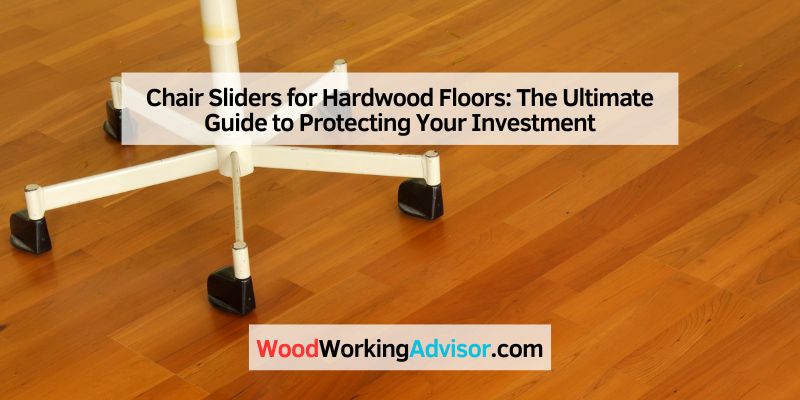
Hardwood floors are an investment. They’re not cheap to install or refinish, and every scratch or scuff can feel like a punch to the gut. Chair sliders are small, affordable accessories that attach to the bottom of your chair legs to reduce friction when you move them. They act like a cushion between your furniture and the floor, preventing scratches, dents, and even annoying squeaky noises. Plus, they make moving chairs so much easier—whether you’re rearranging for a dinner party or just scooting in for breakfast.
The beauty of chair sliders is that they’re not just for dining chairs. You can use them on bar stools, office chairs, or even heavy armchairs. They’re versatile, budget-friendly, and a total no-brainer for anyone who wants to keep their hardwood floors in top shape. Trust me, once you start using them, you’ll wonder why you didn’t sooner.
Types of Chair Sliders for Hardwood Floors
When I first started looking into chair sliders, I was surprised by how many options there were. It’s not just a one-size-fits-all deal. Different types work better for different chairs and floor types, so let’s break down the main ones I’ve come across.
Felt Sliders
Felt sliders are my go-to for hardwood floors. They’re soft, durable, and glide smoothly without leaving a mark. The felt is usually backed with adhesive or attached to a plastic or metal base that you stick or nail onto the chair leg. I’ve used these on my dining chairs, and they make scooting in and out so easy—no scratches, no noise. They’re also great for other hard surfaces like tile or laminate.
Plastic Sliders
Plastic sliders are slick and sturdy, but I’ve learned they’re not the best for hardwood floors. They work better on carpets because they don’t snag. On wood, they can sometimes trap dirt or grit, which can lead to scratches if you’re not careful. I tried these once on an office chair, and while they worked okay, I switched to felt for better protection.
Nail-On Glides
Nail-on glides are a more permanent option. They’re usually a combo of felt and a plastic or metal base that you hammer into the chair leg. I used these on my wooden rocking chair, and they’ve held up for years. They’re great for furniture that gets a lot of use, but you’ll need a hammer and some patience to install them.
Snap-On or Slip-On Glides
These are super convenient if you want something easy to install. Snap-on glides are like little caps that fit over the chair leg, often with a felt bottom. I love these for chairs with odd-shaped legs, like angled or square ones. They’re flexible and don’t require tools, which is a big win in my book.
Adjustable Levelers
If your floors are uneven (like mine in my old house!), adjustable felt levelers are a fantastic choice. They let you tweak the height to keep chairs stable while still protecting the floor. I used these on my kitchen bar stools, and they’ve been a lifesaver for keeping everything steady.
Here’s a quick table to sum up the types of sliders and their best uses:
| Type | Best For | Pros | Cons |
|---|---|---|---|
| Felt Sliders | Hardwood, tile, laminate | Soft, durable, quiet, easy to use | May wear out over time |
| Plastic Sliders | Carpets | Slick, affordable | Can scratch hardwood if debris gets trapped |
| Nail-On Glides | Heavy, frequently used furniture | Very secure, long-lasting | Requires tools for installation |
| Snap-On/Slip-On Glides | Odd-shaped or angled legs | Easy to install, versatile | May not stay secure on heavy furniture |
| Adjustable Levelers | Uneven floors, heavy furniture | Stabilizes furniture, protects floors | More expensive, complex installation |
How to Choose the Right Chair Sliders
Picking the right chair sliders can feel overwhelming at first, but I’ve learned a few key things to consider that make it much easier. Let me walk you through what I look for when I’m shopping for sliders.
Match the Slider to Your Floor Type
The first thing I always check is the type of flooring. For hardwood floors, felt is king. It’s soft enough to prevent scratches but strong enough to handle daily use. If you have a mix of flooring—like hardwood in the dining room and carpet in the living room—you might need different sliders for different chairs. Plastic or nylon sliders are better for carpet, but stick with felt for wood.
Consider the Chair’s Leg Shape and Size
Not all chair legs are created equal. I learned this the hard way when I bought round felt pads for my square-legged dining chairs—oops! Before you buy, flip your chair over and measure the leg’s diameter or width. If the legs are angled or oddly shaped, snap-on glides might be your best bet. For heavy furniture, go for sliders slightly larger than the leg to distribute weight evenly.
Think About Usage
How often do you move your chairs? In my house, the dining chairs get pushed around a lot, so I need sliders that can handle constant movement without falling off. Adhesive felt pads are fine for occasional use, but for heavy-duty chairs, I prefer nail-on or snap-on glides for extra security.
Check the Weight Capacity
Some sliders are designed for lightweight chairs, while others can handle heavier furniture like armchairs or bar stools. I once made the mistake of using cheap adhesive pads on a heavy office chair, and they wore out in a month. Check the product description for weight limits, especially if you’re dealing with bulky furniture.
Reusability Matters
I love sliders that I can reuse. Some adhesive pads are one-and-done, which can get expensive over time. Nail-on or snap-on glides, on the other hand, can last for years. If you’re on a budget like I often am, reusable sliders are a smart investment.

How to Install Chair Sliders Properly
Installing chair sliders is pretty straightforward, but I’ve picked up a few tricks to make sure they stay put and work like a charm. Here’s how I do it.
Clean the Chair Legs
Before you attach any sliders, give the chair legs a good wipe-down. Dust, dirt, or grease can weaken adhesive or make snap-on glides less secure. I use a damp cloth with a bit of mild soap, then dry the legs thoroughly.
Measure Twice, Buy Once
I can’t stress this enough—measure your chair legs before buying sliders. Use a tape measure to get the exact size, and when in doubt, go a little bigger. Oversized sliders are better than ones that are too small and wobbly.
Adhesive Sliders
For adhesive felt pads, peel off the backing and press them firmly onto the clean, dry chair leg. I like to hold them in place for about 30 seconds to make sure they stick. If you’re using them on a chair that moves a lot, check every few months to see if they need replacing.
Nail-On Glides
These take a bit more effort, but they’re worth it for heavy furniture. Place the glide on the chair leg and gently tap it in with a hammer. I usually put a piece of cloth between the hammer and glide to avoid dents. Make sure it’s secure but don’t overdo it—you don’t want to split the wood.
Snap-On or Slip-On Glides
These are the easiest to install. Just push them onto the chair leg until they click or feel snug. I’ve found that warming them up slightly (like with a hairdryer on low) can make them more flexible for a tighter fit.
Test and Adjust
After installing, flip the chair upright and give it a gentle push. Does it glide smoothly? Is it stable? If it wobbles, you might need a different size or an adjustable leveler. I always test my chairs on the floor to make sure they’re protecting the wood and moving easily.
Benefits of Using Chair Sliders
Using chair sliders has made such a difference in my home, and I’m not just talking about protecting the floors. Here are the benefits I’ve noticed over the years.
Floor Protection
This is the big one. Chair sliders create a barrier between your furniture and the hardwood, preventing scratches, scuffs, and dents. My floors still look as good as the day I moved in, and I credit sliders for that.
Easy Furniture Movement
Sliders make it so much easier to move chairs around. Whether I’m rearranging for a holiday gathering or just cleaning under the table, I don’t have to strain or lift heavy furniture. The chairs glide like they’re on ice—smooth and effortless.
Noise Reduction
If you’ve ever cringed at the sound of a chair scraping across the floor, you’ll love sliders. Felt sliders, in particular, dampen noise, making your home quieter and more peaceful. My family appreciates this during early morning breakfasts!
Cost Savings
Refinishing hardwood floors can cost thousands of dollars. Sliders are a tiny upfront investment that saves you from expensive repairs down the line. I’d much rather spend $10 on a pack of sliders than $2,000 on floor refinishing.
Versatility
Sliders aren’t just for chairs. I’ve used them on tables, stools, and even my TV stand. They work on all kinds of furniture, so you can protect every piece in your home.
Common Mistakes to Avoid
I’ve made my fair share of mistakes with chair sliders, so let me save you some trouble by sharing what I’ve learned.
Using the Wrong Material
Plastic sliders on hardwood floors are a recipe for disaster. I tried this once, and the tiny bits of dirt trapped under the sliders left faint scratches. Stick with felt for wood floors, and save plastic for carpets.
Skimping on Quality
Cheap sliders might seem like a good deal, but they often wear out quickly or fall off. I’ve had better luck spending a little more on high-quality, durable sliders that last for years.
Ignoring Installation Instructions
Don’t just slap on adhesive pads and call it a day. If the chair leg isn’t clean or the pad isn’t pressed on firmly, it’ll come loose. Take the extra minute to do it right.
Forgetting to Check for Wear
Even the best sliders wear out eventually. I check mine every six months or so to see if they need replacing. Worn-out sliders can start to lose their effectiveness, so stay on top of maintenance.
DIY Chair Slider Alternatives
If you’re feeling crafty like I sometimes do, you can make your own chair sliders. I’ve tried a couple of DIY options when I was in a pinch, and they can work in a bind.
Carpet Samples
I once grabbed some free carpet samples from a home improvement store and cut them into small squares to stick under my chair legs. They’re not as durable as commercial sliders, but they worked for a temporary fix. Just make sure to use a strong adhesive to keep them in place.
Felt Fabric
You can buy felt sheets at a craft store, cut them to size, and glue them to your chair legs. I did this for a set of bar stools, and it held up surprisingly well for a few months. Hot glue works best for a secure bond.
Old Socks or Fabric
In a real pinch, I’ve cut up an old sock and wrapped it around a chair leg with some double-sided tape. It’s not pretty, but it gets the job done for lightweight chairs. Just don’t expect it to last long.
While DIY options are fun and budget-friendly, I’ve found that store-bought sliders are usually more reliable for long-term use. They’re designed to handle weight and movement better than most homemade solutions.
Maintaining Your Chair Sliders
To get the most out of your chair sliders, a little maintenance goes a long way. Here’s what I do to keep mine in top shape.
Regular Cleaning
Dust and dirt can get trapped under sliders, especially felt ones. I wipe them down with a damp cloth every couple of months to keep them clean. This also helps prevent any grit from scratching the floor.
Check for Wear
Like I mentioned earlier, sliders don’t last forever. I check mine regularly for signs of wear, like thinning felt or loose adhesive. If they’re looking worn, I replace them before they start failing.
Reapply as Needed
Adhesive sliders can lose their stickiness over time. If they start to peel off, I replace them with fresh ones. For nail-on or snap-on glides, I make sure they’re still secure and not wobbling.
Keep Floors Clean
Sliders work best on clean floors. I sweep or vacuum my hardwood floors regularly to prevent dirt from getting caught under the sliders. A clean floor means less wear and tear on both the sliders and the wood.
Where to Buy Chair Sliders
You can find chair sliders just about anywhere, but I have a few favorite places to shop. Home improvement stores like Home Depot or Lowe’s have a great selection, and you can often find them in the furniture or hardware section. Online retailers like Amazon and Walmart offer tons of options, with customer reviews to help you choose. Specialty stores like All Glides or X-Protector also have high-quality sliders tailored for hardwood floors.
When shopping, I look for brands like Super Sliders, X-Protector, or Slipstick. They’re reliable and have a good track record. Prices typically range from $5 to $20 for a pack, depending on the type and quantity. If you’re buying online, double-check the size and material to make sure they’ll work for your chairs.
Conclusion
I can’t tell you how much peace of mind chair sliders have brought to my home. Those little scratches and scuffs on my hardwood floors used to drive me up the wall, but now I don’t have to worry. With the right sliders, my chairs glide smoothly, my floors stay flawless, and my home feels just a little more polished. Whether you go for felt pads, nail-on glides, or snap-on caps, the key is to choose what fits your furniture and lifestyle. Take a few minutes to measure your chair legs, pick the right material, and install them properly—you’ll thank yourself later.
Protecting your hardwood floors doesn’t have to be complicated or expensive. Chair sliders are a simple, affordable way to keep your investment looking beautiful for years to come. So, grab a pack, get them on your chairs, and enjoy the ease and peace of mind they bring. Your floors deserve it, and so do you!
FAQs
What Are Chair Sliders for Hardwood Floors?
Chair sliders are small accessories you attach to the bottom of chair legs to protect hardwood floors from scratches and scuffs. They’re usually made of felt, plastic, or a combination and help chairs glide smoothly without damaging the wood.
Are Felt Sliders the Best Choice for Hardwood Floors?
In my experience, yes! Felt sliders are soft, durable, and perfect for hardwood floors. They prevent scratches and make moving chairs easy. Just make sure to clean them regularly to avoid trapped dirt.
Can I Use Chair Sliders on Other Furniture?
Absolutely! I’ve used sliders on tables, bar stools, and even my TV stand. They work on any furniture with legs that touch the floor, as long as you choose the right size and material.
How Often Should I Replace Chair Sliders?
It depends on how much you use your chairs. I check mine every six months. If the felt is thinning or the adhesive is peeling, it’s time to replace them. Nail-on or snap-on glides can last longer, sometimes years.
Do Chair Sliders Reduce Noise?
Yes, they do! Felt sliders, in particular, dampen the sound of chairs scraping across the floor. It’s been a game-changer in my home, especially during early mornings or late-night dinners.
Can I Make My Own Chair Sliders?
You can! I’ve used carpet samples, felt sheets, or even old socks in a pinch. Just cut them to size and secure them with strong adhesive. They’re not as durable as store-bought sliders, but they work for temporary fixes.